
Selecting the right chair leg protector pad depends on matching the material properties of the protector to your specific floor type and furniture weight. A mismatch can lead to accelerated wear, permanent scratches, or scuffs on your floors. To protect your home’s surfaces effectively, you must evaluate how different materials interact under pressure, verify manufacturer compatibility, and establish a regular inspection routine. Rather than relying on a single universal solution, preventing floor damage requires evaluating how different materials interact with your floor’s finish, assessing the furniture’s load, and verifying the protector’s fit.
Identify Your Floor Type and Its Specific Vulnerabilities
Before purchasing protectors, take a close look at the flooring installed in your living spaces. Different materials react uniquely to friction and pressure. Solid timber parquet and engineered wood are highly susceptible to scratching from fine grit, while polished porcelain tiles or terrazzo can suffer from hairline scratches or chipped grout lines if heavy furniture is dragged across them. Vinyl and luxury vinyl tiles (LVT) can experience discoloration or chemical reactions when paired with certain rubber backings.
Observe the existing wear patterns around high-use areas like dining tables. If you notice dull patches or fine lines, these are high-friction zones requiring immediate intervention. Also check if your floors have textured surfaces, which can act like sandpaper against softer protector pads.
Products mentioned in this guide
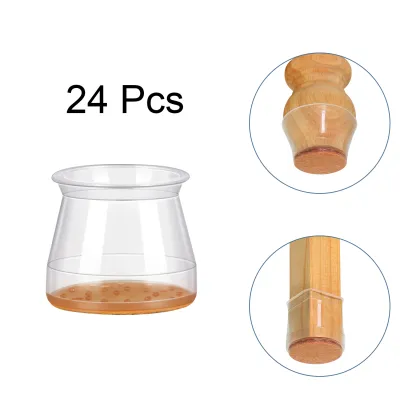
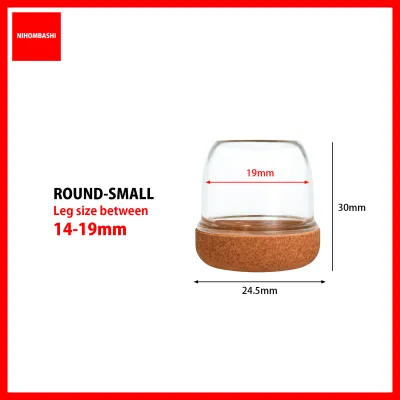
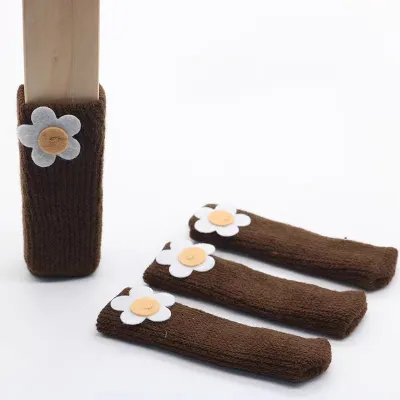
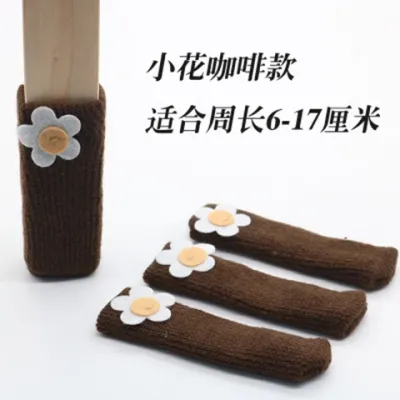
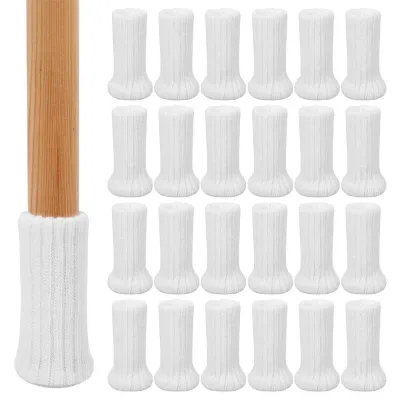
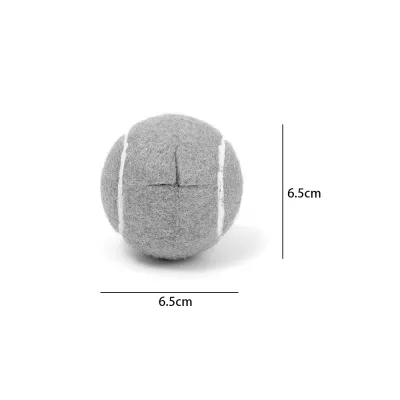
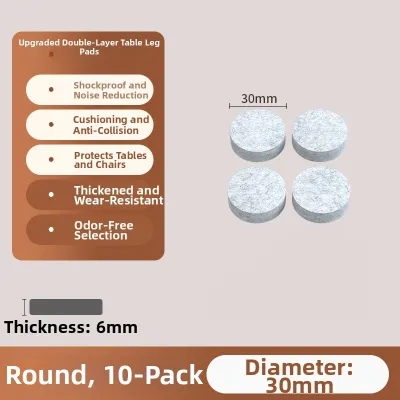
Prices are valid at publication and may change. Please refer to the product page for the latest price.
Always consult your flooring manufacturer’s guidelines or warranty documentation before making a final decision. Many brands explicitly list approved protective accessories and warn against specific materials, such as petroleum-based rubber, which might void your warranty. Understanding these constraints early prevents costly damage and preserves the longevity of your floor’s finish.
Matching Chair Leg Protector Materials to Floor Types
Once you understand your floor’s vulnerabilities, evaluate protector materials against product labels. Cross-reference the protector’s specifications with your floor type and the chair’s weight capacity.

Material names alone do not guarantee safety. You must verify the protector’s surface treatment, base diameter, and attachment method to ensure a secure fit and proper weight distribution.
Felt Pads for Hard Surfaces
Felt pads are ideal for smooth, hard surfaces like parquet, engineered wood, and laminate. Review manufacturer labels to confirm intended floor types, thickness, and weight capacity limits. High-density wool felt offers better durability than thin synthetic alternatives under heavy furniture.
Inspect the attachment mechanism. Adhesive-backed felt pads are easy to apply but require a clean, flat chair leg base. For wooden legs, nail-in or screw-in felt glides provide a permanent attachment, but you must ensure the screw or nail is fully recessed. If the felt wears down, an exposed metal core can gouge your floor.
In humid climates, adhesive backing can degrade quickly. Inspect the edges of adhesive felt pads regularly to ensure they are not sliding or collecting abrasive dust.
Rubber and Silicone for Grip and Shock Absorption
Rubber and silicone protectors offer excellent grip and shock absorption on slick polished tiles. However, verify product specifications to ensure the material will not chemically react with your floor finish. Some rubbers contain plasticisers that can leave permanent stains on vinyl or polyurethane finishes.
When choosing silicone sleeves, check the internal cup depth, diameter, and flexibility. The sleeve must stretch slightly to form a tight, gap-free seal around the chair leg. A loose fit allows dust and moisture from mopping to slip inside, creating an abrasive paste that grinds against your floor.
Additionally, assess the bottom texture. While textured bottoms provide grip, deep grooves can trap grit. For smooth indoor floors, opt for protectors with a smooth or micro-textured bottom that is easy to wipe clean.
Plastic and Nylon Glides for Carpets and Heavy Loads
For carpeted areas or heavy furniture, hard plastic and nylon glides are the most practical choice, allowing items to slide smoothly without snagging. Confirm that the glide’s base diameter is wide enough to distribute weight effectively, preventing deep indentations in your carpet.
Check the stem, screw, or nail dimensions to ensure they match your chair leg’s pre-drilled holes. Forcing a thick stem into a narrow wooden leg without proper pre-drilling can split the wood, damaging your furniture.
Review care instructions to prevent sharp plastic seams or rough edges from catching, pulling, or fraying carpet fibers. Regularly inspect the bottom of plastic glides to ensure they remain smooth and free of scratches.
Verifying Fit, Adhesion, and Structural Stability
Achieving a secure fit is critical to preventing floor damage. Before purchasing slip-on caps or adhesive pads, measure the chair leg’s exact diameter, shape, and dimensions. Note whether the legs are round, square, or tapered, as generic round protectors rarely fit securely on angled legs.
For adhesive-backed pads, proper surface preparation is key. Follow the manufacturer’s instructions: clean the bottom of the chair leg, remove old adhesive residue, wipe with isopropyl alcohol, and allow it to dry completely before applying the pad. Apply firm pressure and let the adhesive cure before use.
Finally, test the stability of the furniture after installation. The protectors must not alter the chair’s balance, create a tipping hazard, or cause the legs to splay. If a slip-on cap is too thick or uneven, it can make the chair wobble, compromising safety and weight distribution.
Maintenance, Inspection, and Replacement Signals
No protector pad lasts indefinitely. Establish a routine to visually inspect your furniture protectors every few months for embedded debris, uneven wear, flattening, or loss of adhesion. Felt pads that have become hard and shiny have compressed completely and lost their cushioning ability.
Clean the protector surfaces and the floor beneath them regularly according to manufacturer guidelines. For felt pads, vacuuming removes trapped dust. For silicone or rubber caps, wipe them with a damp cloth to remove grit. Keeping both clean prevents abrasive particles from acting like sandpaper.
Stop using and replace protectors immediately if they show signs of tearing, hardening, cracking, or detachment. Ignoring a peeling pad or cracked sleeve can result in the bare chair leg scraping directly against your floor, leading to costly repairs.
Frequently Asked Questions (FAQ)
Can I use the same protector material on all furniture in my home?
No, you must match the protector to the specific floor surface in each room. A felt pad suitable for a hardwood living room will quickly wear out or trap moisture on a tiled kitchen floor, and it will not slide easily on carpet. Additionally, heavy dining chairs require durable protectors with a wider base to distribute weight, whereas light accent stools can use simpler adhesive pads.
How do I remove adhesive residue left by old felt pads?
Before applying any cleaning solvents, check your flooring manufacturer’s approved cleaning agents and warranty conditions to avoid damaging the finish. For a safe approach, gently scrape away the bulk of the residue using a plastic scraper. If adhesive remains, apply a small amount of a mild, manufacturer-approved adhesive remover or isopropyl alcohol to a soft cloth, test it first in an inconspicuous area, and gently wipe the residue until it dissolves.

Community discussion
Share your experience or ask a question. Comments are reviewed before publication.