
When shopping for a 3-seater leather sofa set in Singapore, the choice between local and imported brands hinges on how you balance immediate availability, material verification, and design exclusivity. Local brands typically excel in logistical convenience, offering shorter lead times, straightforward warranty fulfillment, and accessible physical showrooms where you can test the exact piece of furniture. Imported brands, on the other hand, appeal to homeowners seeking distinct design languages, specialized heritage craftsmanship, or premium European tanneries, though they require longer shipping timelines and more rigorous verification of after-sales support.
To make the right investment for your living room, you must look beyond brand origin and evaluate the tangible factors that dictate long-term comfort and durability. This comparison guides you through assessing leather grades, calculating the true cost of ownership, navigating delivery logistics, and measuring your space to ensure a seamless purchase.
Comparing Leather Quality and Material Transparency
Understanding the specific type of leather used in a 3-seater sofa is critical, as marketing terms can often obscure the actual material composition. When evaluating both local and imported options, request detailed specifications rather than relying on broad labels like “genuine leather.” True quality begins with the grain classification, which directly impacts how the sofa performs in Singapore’s warm, humid climate.
Products mentioned in this guide
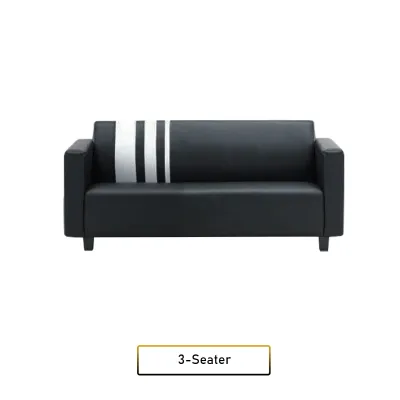
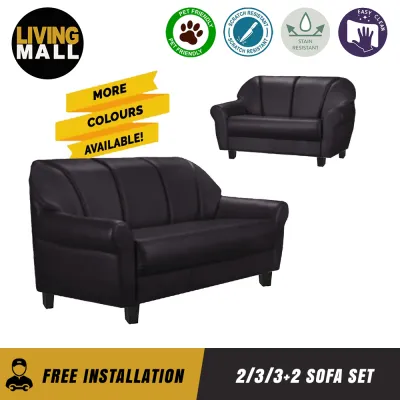
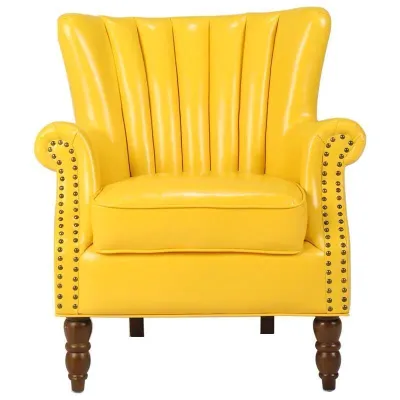
Prices are valid at publication and may change. Please refer to the product page for the latest price.
Full-grain leather represents the highest tier, retaining the natural hide’s outermost layer, which makes it highly durable and breathable. However, because it is minimally processed, it requires consistent maintenance and is sensitive to moisture. Top-grain leather, which has its surface lightly sanded to remove imperfections and is finished with a protective coat, is often the most practical choice for local homes; it offers a balance of natural softness and resistance to spills and humidity.
In contrast, split leather or bonded leather consists of leftover leather fibers mixed with polyurethane binders. These materials tend to trap heat and are highly susceptible to peeling or cracking when exposed to sweat and ambient humidity. Always ask the retailer for written documentation regarding the leather’s origin, tanning process, and whether the sofa features “half-leather” (where only contact areas are genuine leather and the back/sides are synthetic) or “full-leather” construction.
Beyond the upholstery, a physical showroom visit is invaluable for inspecting the structural build. Examine the stitching along the seams of the 3-seater sofa; tight, double-stitched seams indicate superior craftsmanship that can withstand daily tension. Check the edge finishing to ensure the leather is neatly wrapped and secured, rather than roughly glued. If possible, ask about the frame material—kiln-dried hardwood frames are less likely to warp or harbor pests in humid environments compared to untreated softwoods or engineered wood boards.
Evaluating Pricing Structures and Total Costs
The initial price tag on a 3-seater leather sofa set rarely represents the final cost of ownership, especially when comparing local retailers with international brands. Local brands generally offer transparent, all-inclusive pricing in S$, making it easier to budget upfront. These prices typically cover standard delivery, basic assembly, and sometimes even the disposal of your old sofa, reducing the logistical burden on the buyer.

When purchasing from imported brands, the pricing structure becomes more complex. You must account for international freight charges, port handling fees, and local delivery surcharges. Additionally, import duties and the prevailing Goods and Services Tax (GST) in Singapore can significantly inflate the final checkout amount. Always request a detailed breakdown of these fees from the importer to avoid unexpected costs when the shipment arrives at the local port.
Long-term maintenance is another financial consideration that varies by leather type and brand recommendation. High-end imported leather sofas often require specialized, brand-approved leather conditioners and cleaning kits to preserve their warranty coverage. Factor in the recurring cost of these maintenance products, as well as the potential need for professional deep-cleaning services every few years to protect your investment from mold and body oils.
Finally, clarify the costs associated with high-rise deliveries. In Singapore, many residential developments, particularly older HDB blocks or specific condominium layouts, have tight corridors or elevators that cannot accommodate a fully assembled 3-seater sofa. If the delivery team must carry the sofa up several flights of stairs, retailers often charge a manual handling fee per floor. Confirm these structural access fees before finalizing your purchase to ensure there are no surprises on delivery day.
Navigating Delivery Timelines and After-Sales Support
Delivery timelines differ dramatically between local and imported furniture brands, directly affecting your moving or renovation schedule. Local brands frequently maintain ready-stock inventory of popular 3-seater models in local warehouses, allowing for delivery within a few working days. Even if you customize the leather color or configuration, local production cycles generally range from a few weeks to a couple of months, keeping waiting times manageable.
Imported leather sofas, particularly those made-to-order in Europe or other design hubs, operate on much longer lead times. Shipping via sea freight can take anywhere from three to six months, subject to global shipping disruptions, customs clearance delays, and port congestion. If you are working within a strict renovation timeline, you must plan well in advance or verify if the importer holds any local stock of your preferred model.
After-sales support is where the distinction between local and imported brands becomes most apparent. A local brand offers the advantage of direct, accessible customer service. If you experience issues such as premature leather peeling, frame squeaks, or reclining mechanism failures, local technicians can easily visit your home to assess and repair the damage under warranty.
For imported brands, you must verify how warranty claims are handled. Ask the retailer whether they employ local repair technicians or if replacement parts must be shipped from the country of origin, which can result in prolonged downtime. In some cases, minor repairs on imported sofas might require sending the piece back to a regional service center, causing significant inconvenience. Ensure the warranty terms explicitly outline the coverage for structural integrity versus cosmetic wear.
Decision Framework: Choosing Your 3-Seater Leather Sofa
To finalize your decision between a local and imported 3-seater leather sofa, align your choice with your household’s immediate needs, budget flexibility, and aesthetic preferences. A local brand is the ideal choice if you require a reliable sofa quickly, prefer a straightforward warranty process with local support, and want the reassurance of testing the exact comfort level in a nearby showroom. This path minimizes logistical risks and offers predictable, all-inclusive pricing.
Conversely, an imported brand is highly suitable if you are looking for a specific design aesthetic, unique leather finishes, or artisanal craftsmanship that local manufacturers do not offer. This option requires a willingness to accommodate longer shipping timelines, manage potential delivery delays, and pay a premium for international transport and handling.
Regardless of the brand’s origin, your primary step must be verifying that the physical dimensions of the 3-seater sofa are compatible with your home. A standard 3-seater sofa typically ranges from 1.8 to 2.4 meters in length, which can easily overwhelm smaller living rooms. Measure your available floor space carefully, ensuring there is at least 45 to 60 centimeters of clearance around the sofa for comfortable foot traffic and access to adjacent doors or cabinets.
Frequently Asked Questions (FAQ)
How do I measure my space for a 3-seater leather sofa?
Start by measuring the length and depth of the area where you plan to place the sofa, using masking tape on the floor to visualize its footprint. Ensure the layout allows for comfortable movement and does not block pathways, power outlets, or air conditioning vents. Next, measure the width and height of all entry points the delivery team must navigate. This includes your main entrance door, hallway corners, lift doors, and the interior dimensions of the elevator cabin itself. If your building lacks lift access or the elevator is too small, measure the clearance of the stairwells to confirm manual carry-up is feasible.
What should I look for when testing a leather sofa in a showroom?
When visiting a showroom, spend at least ten to fifteen minutes sitting on the sofa in various positions to evaluate its ergonomic support. Test the cushion density; high-density foam offers firm support and retains its shape over time, whereas soft cushions may sag prematurely. Pay attention to the suspension system by bouncing gently to check for squeaks or excessive sinking. Touch the leather surface to assess its texture and temperature; genuine leather should feel supple and adjust quickly to your body heat, whereas synthetic alternatives often feel plasticky, cold, or sticky in non-air-conditioned environments.

Community discussion
Share your experience or ask a question. Comments are reviewed before publication.