
When comparing popular leather sofa brands in Singapore, there is no single “best” option, as seat comfort and long-term durability depend heavily on internal construction and leather grades rather than brand names alone. The right choice depends on whether you prioritize firm ergonomic support or plush relaxation, and whether your household requires highly protected materials or natural leather that develops a patina. This guide provides a structured framework to help you evaluate and compare the core specifications of available brands to find the ideal sofa seat for your daily needs.
Selecting a leather sofa is a significant investment for any Singapore home. With the tropical climate bringing high humidity year-round, the materials you choose must withstand both physical wear and environmental moisture. Many buyers make the mistake of focusing solely on the brand aesthetic or a quick showroom test, only to find the sofa seat sagging or feeling uncomfortably warm after a few months of daily use.
To make an informed decision, you must look beneath the surface. By understanding how cushion fills, leather treatments, and frame structures interact, you can objectively compare different brands. This analytical approach ensures you invest in a piece that maintains its comfort, support, and visual appeal for years to come.
Products mentioned in this guide
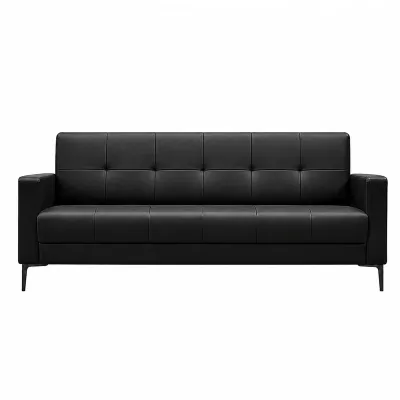
![[ SG ] ⚡ Genuine Leather Sofa Simple Small Apartment Double Three-Seater Office Cowhide Leather Sofa](https://img.lazcdn.com/g/p/49eaece88c78e2a7a0cf4b70a63b685a.jpg_400x400q80.jpg_.webp)
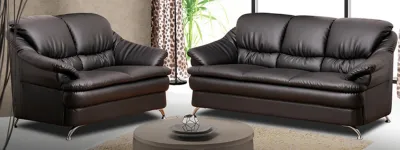
![[INNDESIGN.SG] Jefyn 3/2 Seater PU Leather Sofa (Fully Assembled and Free Delivery)](https://img.lazcdn.com/g/p/434de32acd237a22de61b3b7c0cfcaff.jpg_400x400q80.jpg_.webp)
Prices are valid at publication and may change. Please refer to the product page for the latest price.
Defining Seat Comfort: What to Look for in a Sofa Seat
The comfort of a sofa seat is determined by what lies beneath the leather upholstery. Cushion fill types are the primary driver of how a seat feels when you sit down and how well it recovers its shape afterward. High-resilience (HR) foam is a premium polyurethane foam that offers excellent elasticity and support. It provides a firmer sit, distributes body weight evenly, and bounces back immediately when you stand up, making it ideal for those who prefer structured ergonomic support.
For a softer, more luxurious feel, some brands offer down or feather blends. These cushions allow you to sink into the sofa seat, creating a cozy, enveloping sensation. However, down fills require high maintenance, as they must be regularly fluffed to prevent the feathers from clumping and flattening. To get the best of both worlds, look for sandwich-style cushions that feature a high-resilience foam core wrapped in a layer of down or soft fiber fill.
Pocket springs, similar to those used in high-end mattresses, are another excellent support mechanism. When embedded within a foam cushion, these individually pocketed coils compress independently, contouring to your body shape while isolating motion transfer. This construction prevents the common issue of “roll-together” when multiple people sit on the same sofa.
Ergonomics play a crucial role in daily comfort, especially during long lounging sessions. The seat depth should allow you to sit fully back against the backrest with your feet resting flat on the floor, leaving a small gap between the edge of the seat and the back of your knees. A seat height that is too low can make it difficult to stand up, particularly for older adults, while a seat that is too deep can cause you to slouch, straining your lower back.
In Singapore’s warm and humid climate, the breathability of the sofa seat is paramount. Leather is naturally porous, but heavy synthetic finishes can block these pores, trapping body heat and causing a sticky sensation. Minimally treated leathers allow air to circulate more freely, adjusting to your body temperature quickly. If your living room is not constantly air-conditioned, choosing a highly breathable leather and a supportive, well-ventilated cushion structure is essential for maintaining daily comfort.
Evaluating Leather Durability for Daily Use
Durability is not just about how long the leather lasts without tearing; it is about how well the entire sofa seat retains its structural integrity and appearance under daily friction. Leather is categorized into different grades based on how the hide is processed. Full-grain leather is the highest quality, utilizing the entire thickness of the hide with all its natural imperfections intact. Because the tight fiber structure of the outer layer is left undisturbed, full-grain leather is incredibly tough and develops a beautiful patina over time, though it requires careful maintenance.

Top-grain leather is the most common choice for premium sofas. The top layer of the hide is lightly sanded or buffed to remove natural blemishes, making it more uniform and pliable than full-grain leather. It retains excellent durability and strength, making it highly resistant to stretching and cracking along the seams of the sofa seat. Corrected-grain leather, on the other hand, undergoes extensive buffing and has an artificial grain pattern stamped onto the surface. While more affordable, it tends to be stiffer and may wear out faster under heavy daily use.
The surface treatment applied to the leather also dictates its durability and care requirements. Aniline leather is dyed purely with soluble dyes, preserving the natural look and soft texture of the hide. However, because it lacks a protective topcoat, it is highly susceptible to staining from spills, body oils, and water marks. For most households, semi-aniline or pigmented (protected) leather is a more practical choice. Pigmented leather features a thin polymer coating containing color pigments, which shields the material from liquid penetration, scratches, and fading caused by indirect sunlight.
Beyond the leather itself, the internal frame and suspension system determine whether your sofa seat will sag over time. High-quality brands construct their frames from kiln-dried hardwood, a process that extracts moisture from the timber to prevent warping, cracking, or bowing in Singapore’s humid air. Avoid frames made entirely of cheap engineered wood or softwoods, which can degrade rapidly under consistent weight.
The suspension system acts as the foundation for the cushions. Sinuous springs—S-shaped steel wires stretched across the frame—provide a bouncy, resilient support system. High-elastic webbing is another common option, offering a quieter, slightly firmer feel. Ensure the stitching along the seams of the sofa seat is robust; double-stitching or reinforced welt cords prevent the leather from pulling apart at high-tension points when you sit down.
Key Specifications to Compare Across Brands
When shopping for a leather sofa in Singapore, you should look past marketing buzzwords and request specific technical details from showroom consultants or online specifications sheets. Use the following checklist to compare different models objectively:
First, ask about the foam density of the sofa seat cushions. High-quality seating typically requires a foam density of at least 30kg/m³ to 35kg/m³ (kilograms per cubic meter). Anything lower than this range is prone to flattening within a couple of years, leading to a hard, uncomfortable sit.
Second, clarify the exact leather configuration. Many brands advertise “genuine leather” sofas that are actually “half-leather” configurations. In a half-leather sofa, the areas that touch your skin—such as the seat cushions, backrests, and armrests—are made of real leather, while the back and outer sides are covered in matching synthetic PVC or polyurethane. While this reduces the purchase price, ensure you are paying a fair price for this hybrid construction and check that the synthetic portions match the color and texture of the real leather seamlessly.
Third, evaluate the frame and warranty terms. A reputable brand should offer a clear warranty on the internal frame and suspension system, often ranging from 5 to 10 years. Be cautious of brands that only offer a one-year warranty, as this may indicate lower-grade materials or construction methods.
Your household profile should heavily influence how you weigh these specifications. If you have young children or pets, your priority should be scratch resistance and ease of cleaning. In this scenario, a highly protected, pigmented top-grain leather sofa with high-density foam cushions is the most practical choice. If you live in a pet-free, adult-only household and prioritize ultimate comfort, you can safely opt for a luxurious semi-aniline leather with a plush down-blend wrap.
Making Your Final Decision: Conditional Recommendations
To finalize your choice, match your lifestyle and comfort preferences to one of these two primary configurations:
If you prioritize firm ergonomic support, low maintenance, and long-term resistance to heavy wear, choose a sofa seat configured with high-resilience foam (density of 35kg/m³ or higher) and protected top-grain leather. This setup is highly resilient against spills, easy to wipe clean with a damp cloth, and maintains its supportive structure without requiring manual fluffing or reshaping.
If you prioritize a plush, sink-in feel and appreciate the natural, evolving beauty of leather, choose a down-blend cushion wrap over a pocket-spring core, upholstered in full-grain or semi-aniline leather. This configuration offers unmatched softness and breathability, though you must commit to regular fluffing of the cushions and routine conditioning of the leather to prevent it from drying out in air-conditioned rooms.
Before placing your order, perform three essential checks. First, measure your living room carefully, ensuring there is sufficient clearance around the sofa for comfortable movement. Do not forget to measure your doorways, corridors, and lift dimensions to guarantee the delivery team can safely transport the sofa into your home. Second, confirm that the brand has a dedicated local customer service presence in Singapore to handle any warranty claims or repair needs. Finally, review the manufacturer’s recommended cleaning products to ensure they fit easily into your home maintenance routine.
Frequently Asked Questions (FAQ)
Does a leather sofa seat get more comfortable over time?
Yes, high-quality leather naturally softens and becomes more pliable as it reacts to your body heat, weight, and movement over time. This natural break-in process allows the leather to conform slightly to your seating habits, enhancing its comfort. Similarly, new high-density foam cushions will lose their initial showroom stiffness within the first few weeks of use. However, this softening should be uniform; localized deep sagging or a complete loss of support indicates that the internal suspension or foam has degraded, rather than a normal break-in.
How can I test sofa seat comfort before buying online?
If you cannot visit a physical showroom in Singapore, start by thoroughly reviewing the retailer’s return, exchange, and home-trial policies to understand your options if the sofa seat does not meet your comfort expectations. Read verified customer reviews, paying close attention to comments regarding the firmness level, how well the cushions hold their shape over several months, and the overall feel of the leather. Additionally, contact the brand to request physical leather swatches. This allows you to feel the texture, assess the thickness, and observe how the material reacts to light and touch in your own living space before making a commitment.

Community discussion
Share your experience or ask a question. Comments are reviewed before publication.