
Investing in a high-end ergonomic chair is one of the most critical decisions you can make for your home office, especially when spending long hours sitting at a desk. The Steelcase Leap chair has long been regarded as a benchmark in ergonomic seating, but determining whether it is the right fit for your specific home setup requires comparing it against other premium contenders. The ideal chair does not simply offer a collection of adjustable parts; it must actively support your body’s natural movements, fit within your physical workspace, and withstand the local climate.
To make an informed choice, you must weigh how different design philosophies—such as dynamic flexible backrests versus rigid suspension mesh—align with your daily working habits. This guide breaks down the core performance dimensions of the Leap chair alongside competing premium options, helping you select the best seating solution for your physical comfort and home environment.
Quick Answer: Is the Leap Chair Right for Your Home Office?
The Leap chair excels primarily in dynamic support and deep recline flexibility, making it an exceptional choice if you tend to shift postures, lean back, or move frequently throughout the workday. Unlike chairs that lock you into a single, rigid upright position, the Leap’s backrest is designed to mimic the natural movement of your spine, providing continuous support as you change angles. This makes it highly suitable for multi-taskers who transition between typing, reading, and virtual meetings.
Products mentioned in this guide
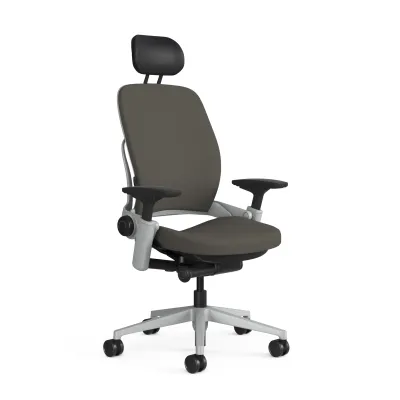
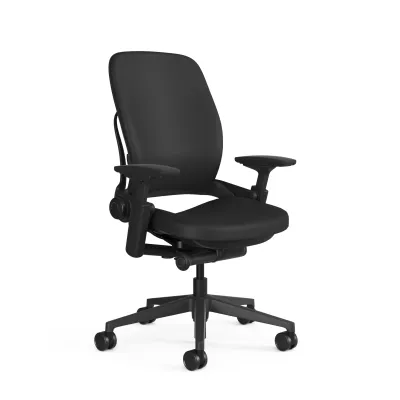
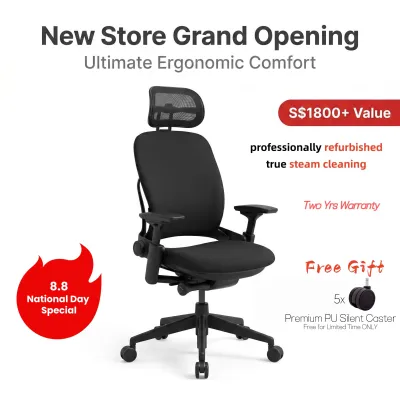
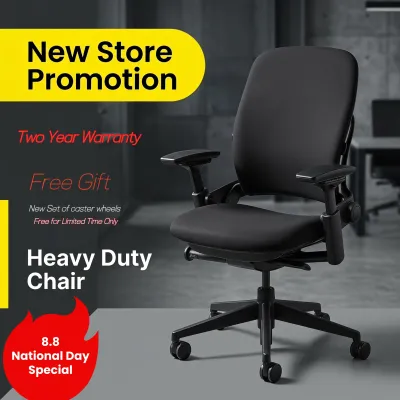
Prices are valid at publication and may change. Please refer to the product page for the latest price.
However, the Leap may not be the optimal choice for everyone. If you operate in a warm, non-air-conditioned environment where heat dissipation is your primary concern, a full-mesh chair might serve you better than the Leap’s fabric-and-foam construction. Additionally, if you prefer a highly structured, strict upright posture that discourages leaning, or if you want a minimalist aesthetic that blends seamlessly into a modern home interior, other premium models may align more closely with your preferences. Ultimately, the decision depends on your personal sitting habits, comfort priorities, and the environmental conditions of your home workspace.
Key Features Compared: Leap vs. Competing Premium Chairs
When evaluating premium office chairs, understanding how different engineering approaches impact your daily comfort is essential. High-end chairs represent significant investments, and their value lies in the details of their adjustability, backrest support, and seat design. Comparing these core features helps demystify why certain chairs feel radically different from others, allowing you to match a chair’s mechanical strengths to your physical needs.

Adjustability and Range of Motion
The hallmark of the Leap chair is its highly responsive, flexible backrest technology, which is engineered to change shape as you move your spine. This dynamic movement contrasts sharply with many competing premium chairs that rely on rigid frames or tensioned mesh backs. While mesh alternatives often use a pivoting tilt mechanism that keeps the backrest shape constant as you recline, the Leap allows the upper and lower portions of the backrest to flex independently. This design ensures that your lower back remains supported even when you lean back to take a call or read a document.
To find the perfect fit, you must guide your selection by checking the specific adjustment ranges on the product labels or manufacturer specifications. Pay close attention to the armrests, which are a critical touchpoint for desk work. The Leap features highly adjustable armrests that move in four dimensions: height, width, depth, and pivot angle. This level of customization is crucial for supporting various tasks; you can slide the armrests inward to support your elbows while typing on a compact keyboard, or pivot them outward when using a mouse or reading. Compare this with other high-end options, some of which only offer height adjustments or require manual tools to change the armrest width. Ensuring that your forearms are properly supported at the correct height relative to your desk can significantly reduce strain on your shoulders and neck.
Lumbar Support and Backrest Design
Lower back support is often the deciding factor when choosing an ergonomic chair. The Leap addresses this with an active lumbar support system that includes two distinct controls: a height-adjustable lumbar pad and a lower back firmness dial. This dual-system approach allows you to customize both the location of the support and the resistance of the backrest. You can dial in a firmer lumbar curve if you require pronounced support, or back it off for a gentler contour.
In contrast, other premium ergonomic chairs often utilize passive lumbar curves built directly into the frame, or rely on self-adjusting tension systems that react to your body weight. While passive systems offer a clean aesthetic and require no manual adjustments, they do not accommodate every spinal shape. If your torso is exceptionally long or short, a fixed lumbar curve may sit at the wrong point on your spine, leading to discomfort over long hours. When comparing chairs, verify whether the lumbar support is height-adjustable and check if the mechanism allows you to control the depth or firmness. Effective support is entirely dependent on your individual spinal curve and sitting habits; a system that feels supportive to one user may feel intrusive or inadequate to another.
Seat Comfort and Cushioning
The debate between foam cushioning and mesh seating is central to the premium chair market. The Leap features a contoured foam seat pan designed with a flexible front edge. This passive design element is highly functional: when you lean forward or apply pressure to the front of the seat, the edge flexes downward, reducing pressure on the back of your thighs and promoting healthy blood circulation. The foam itself is engineered to distribute your body weight evenly across the seat, minimizing pressure points on your sit bones.
Conversely, many competing high-end chairs feature full-mesh seat pans. Mesh is highly praised for its breathability, making it an attractive option in warm climates. In a tropical environment like Singapore’s, where high humidity and elevated temperatures are common, heat retention in a foam seat is a practical concern if your workspace lacks consistent air conditioning. However, mesh seats require a rigid outer frame to keep the material tensioned. This frame can sometimes press against the thighs or hips of users who prefer to sit cross-legged, shift positions, or sit off-center. Furthermore, if the mesh stretches over years of heavy use, you may find yourself contacting the hard structure beneath. Foam cushioning avoids these frame-related pressure points and offers a more forgiving surface for varied sitting postures, though it naturally retains more body heat than open mesh. Before purchasing, check the seat pan’s labeled weight capacity and the manufacturer’s care instructions to ensure the materials align with your physical requirements and maintenance preferences.
Which Premium Chair Should You Choose? (Decision Framework)
Selecting the right premium chair requires matching your daily habits and physical environment to the chair’s mechanical strengths. To simplify this process, consider the following condition-based framework to guide your final decision.
Choose the Leap if:
- You shift postures frequently: If you constantly transition between sitting upright to type, reclining to read, or stretching back during calls, the Leap’s flexible frame and independent backrest controls will support these movements seamlessly.
- You prefer the feel of a cushioned seat: If you dislike the firm, suspended sensation of mesh and prefer a supportive, contoured foam cushion that distributes weight evenly without hard frame edges, the Leap is highly suitable.
- You require highly customizable armrests: If you perform diverse tasks that require your arms to be supported in different positions—such as typing, mobile device use, or sketching—the Leap's four-dimensional armrests offer the precise adjustments needed.
Choose another premium chair if:
- You run hot or lack air conditioning: If your home office is prone to heat buildup and you require maximum airflow to stay cool, a high-quality full-mesh chair will provide superior ventilation compared to the Leap's foam and fabric construction.
- You prefer a strict, upright working posture: If you want a chair that encourages or locks you into a disciplined, upright tasking position and discourages slouching or deep reclining, certain mesh-backed chairs with rigid frames are designed specifically for this style of work.
- You prioritize a minimalist, modern aesthetic: If your home office is located in a visible living area and you prefer a sleek, visually light design with clean lines, you may find the Leap's traditional, corporate profile less aligned with your interior decor.
Verify first if:
- Your desk has adequate clearance: Measure the height of your desk's underside to ensure the chair's armrests can slide underneath when adjusted to your working height.
- The delivery pathway is clear: Check the dimensions of your doorways, corridors, and lift access in your Singapore home to ensure the fully assembled chair or large delivery box can pass through without obstruction.
- Your flooring requires protection: Confirm whether the chair comes with hard casters for carpets or soft casters for delicate hard floors like parquet, vinyl, or polished marble to prevent scratches.
Evaluating Value, Warranty, and Long-Term Use
A premium ergonomic chair is a significant financial investment, and evaluating its long-term value requires looking beyond the initial purchase price in SGD. When comparing high-end chairs, the upfront cost should be weighed against the expected lifespan of the product and the health benefits of proper spinal alignment over thousands of hours of sitting. A well-built chair can easily last over a decade, making the cost per year of ownership remarkably low compared to budget office chairs that require frequent replacement.
To safeguard your investment, it is crucial to carefully compare the manufacturer’s warranty coverage. Premium brands typically offer extensive warranties, but the terms can vary significantly between different components. For example, a warranty might cover the structural frame for twelve years, but offer shorter coverage periods for moving parts like the gas cylinder, tilt mechanism, or the upholstery and arm pads. Before finalizing your purchase, review the warranty documentation from the authorized dealer to understand what is covered and whether you will be responsible for shipping or labor costs in the event of a repair.
Additionally, consider the long-term availability of replacement parts. Over years of daily use, components like casters, armrest pads, and fabric can wear out. Choosing a brand with a strong presence and established authorized distributors in Singapore ensures that you can easily source genuine replacement parts to extend the life of your chair. Finally, check the authorized dealer’s return policy and assembly conditions. Some premium chairs are delivered fully assembled, which guarantees correct setup but requires a clear pathway into your home, while others may require partial assembly. Understanding these logistical details beforehand prevents unexpected challenges upon delivery.
Home Office Setup: Space, Flooring, and Aesthetics
Integrating a commercial-grade ergonomic chair into a residential environment requires careful consideration of space, flooring, and visual design. Unlike spacious corporate offices, home workspaces are often constrained by room dimensions, multi-functional furniture, and residential design schemes. Understanding the physical footprint of the chair is the first step in ensuring a successful integration.
The Leap chair, like many premium ergonomic models, features a five-star caster base that dictates its overall footprint. You must measure your available floor space to ensure there is sufficient room to roll the chair back and recline comfortably without striking nearby walls, bookshelves, or delicate home decor. A base diameter typically ranges between 65 to 70 centimeters; ensure your desk opening is wide enough to accommodate this base comfortably.
Flooring is another critical factor that affects both the usability of the chair and the preservation of your home. Standard office chairs often ship with hard nylon casters designed for low-pile carpets. If your Singapore home features hardwood, engineered timber, vinyl, or polished tile flooring, these hard wheels can cause scratches or wear down the floor finish over time. To protect your floors, verify if the chair can be configured with soft polyurethane casters, which provide better grip and prevent surface damage on hard floors. Alternatively, investing in a high-quality chair mat can safeguard your flooring while ensuring smooth rolling.
Lastly, consider the visual impact of the chair. The Leap has a robust, functional aesthetic that carries a distinct corporate heritage. While it is available in a variety of fabric colors and frame finishes, its silhouette is undeniably that of a high-performance work tool. If your home office is integrated into a bedroom or living room, you may want to coordinate the frame finish (such as platinum or polished aluminum) and fabric texture with your existing furniture to soften its corporate appearance. Comparing the visual profiles of different premium chairs allows you to find a balance between uncompromising ergonomic support and residential design harmony.
Frequently Asked Questions (FAQ)
How do I clean and maintain a foam-cushioned office chair?
To maintain a foam-cushioned chair like the Leap, regular, low-risk care is essential. Begin by vacuuming the upholstery weekly using an upholstery brush attachment to remove dust, lint, and dry debris from the fabric fibers. For minor spills, spot-clean immediately by blotting—never rubbing—the area with a clean, dry microfiber cloth. First check the manufacturer’s care label on the underside of the seat for specific cleaning codes. If the instructions allow, you can perform a spot test on a hidden area of the fabric using a highly diluted, mild soap solution. Avoid using harsh chemical solvents, bleach, or saturating the seat with excessive water, as moisture can seep into the underlying foam, leading to structural degradation. For deep or stubborn stains, consulting a professional upholstery cleaning service is recommended.
What measurements should I check before ordering a premium chair online?
Before purchasing a premium chair online, you must verify several critical dimensions to ensure compatibility with both your body and your home. First, measure your desk’s height from the floor to the underside of the desk surface; compare this to the chair’s adjustable seat height and armrest height ranges to ensure the armrests can slide under the desk when not in use. Second, check the seat depth and width to confirm they accommodate your body proportions comfortably. Finally, measure the narrowest points along your home’s delivery pathway, including entry doorways, hallway corners, and elevator doors in your Singapore residence. Because premium chairs are frequently shipped fully assembled in large, protective boxes, confirming these clearances beforehand prevents costly return shipping fees or delivery failures.

Community discussion
Share your experience or ask a question. Comments are reviewed before publication.