
Choosing between Lako Mart and other office chair brands in Singapore depends on balancing your budget constraints with your daily ergonomic needs. Lako Mart typically offers accessible, budget-friendly options suitable for light or occasional use, while specialized ergonomic brands provide advanced adjustability and longer warranties designed for full-time desk work. The right choice ultimately depends on your daily sitting hours, required physical support features, and overall budget.
In Singapore, where hybrid work arrangements remain common, setting up a functional home office is a priority for many residents. However, navigating the vast array of seating options can be challenging, especially when balancing the constraints of compact HDB flats or condominiums with the physical demands of long working hours. While general home furniture retailers offer visually appealing designs at highly competitive prices, specialized ergonomic brands focus heavily on biomechanical support and long-term durability.
Understanding the fundamental differences between these brand categories is the first step toward making an informed purchase. By evaluating key factors such as adjustability, material performance in a humid climate, and warranty terms, you can select a chair that supports your posture without overstretching your budget.
Products mentioned in this guide
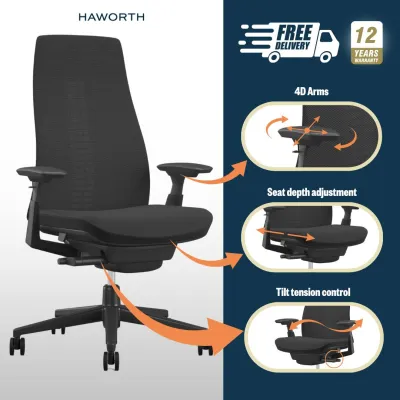
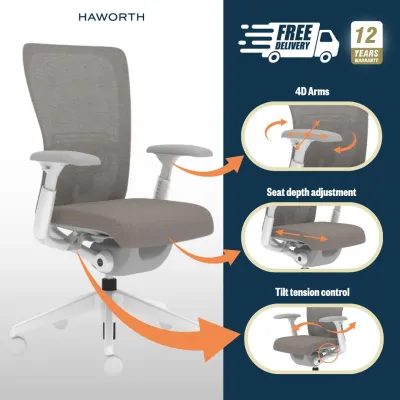
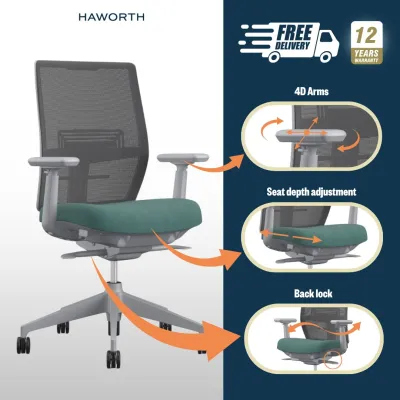
Prices are valid at publication and may change. Please refer to the product page for the latest price.
Understanding Market Positioning and Brand Categories
General furniture retailers, such as Lako Mart, cater to a broad consumer base by offering versatile, multi-purpose furniture that fits seamlessly into residential spaces. Their office chair selections often prioritize aesthetic versatility, ease of assembly, and immediate affordability. These chairs are typically designed for general household use, making them excellent options for study rooms, guest desks, or occasional administrative tasks.
In contrast, specialized ergonomic chair manufacturers dedicate their research and development to task-specific seating. Their products are engineered to support the human body through prolonged periods of sitting, adhering to strict ergonomic standards. These brands prioritize adjustability, structural durability, and customizable support over low price points or decorative designs.
When comparing these two categories, it is essential to align your expectations with their respective design philosophies. A budget-friendly chair from a general retailer is built to provide basic seating comfort at an accessible price, whereas a specialized ergonomic chair is an investment in long-term physical health and posture management. Recognizing this distinction helps prevent unrealistic expectations regarding the adjustability and lifespan of lower-priced models.
Key Dimensions for Comparing Office Chairs
Evaluating office chairs requires looking beyond the initial price tag to understand the long-term value and daily comfort a chair provides. A low upfront cost can be highly appealing, but if the chair lacks necessary support or requires replacement after a year, the overall cost of ownership increases significantly.

To make a practical comparison, buyers should focus on three primary dimensions: ergonomic adjustability, build materials, and post-purchase support. Analyzing these factors using manufacturer specifications allows you to compare different brands objectively, regardless of their marketing claims.
Ergonomic Adjustability and Support
The level of physical support a chair offers is directly tied to its adjustability. Budget-friendly office chairs often feature standard fixed components, such as non-adjustable armrests, a basic gas lift for height modification, and a simple tilt mechanism that locks only in an upright position. While these features are sufficient for short sitting sessions, they do not accommodate the unique proportions of different body types over extended periods.
Specialized ergonomic chairs, on the other hand, offer multi-dimensional adjustments designed to customize the seating experience. These can include 3D or 4D armrests that adjust for height, depth, angle, and width, allowing you to rest your elbows comfortably without straining your shoulders. Additionally, adjustable seat depth ensures that your thighs are fully supported without putting pressure on the back of your knees, which is crucial for maintaining healthy blood circulation.
When reviewing product specifications, pay close attention to the lumbar support system and tilt tension control. Dynamic lumbar support systems that automatically adjust to your movements provide continuous lower back reinforcement, reducing the risk of slouching. Tilt tension control allows you to adjust the resistance of the backrest when reclining, ensuring the chair supports your weight smoothly rather than tipping back too quickly or remaining too rigid. For users sitting more than six hours a day, these granular adjustments are critical for preventing fatigue and physical discomfort.
Materials, Durability, and Weight Capacity
The materials used in an office chair directly impact its comfort, maintenance requirements, and overall lifespan. Common upholstery options include basic polyester fabric, PU leather, and high-density mesh. In Singapore’s warm and humid climate, material selection is a highly practical consideration that affects daily comfort.
High-density mesh is highly favored in tropical climates due to its superior breathability, which allows air to circulate freely and prevents heat and moisture buildup during long working hours. PU leather offers a sleek, professional appearance and is easy to wipe clean, but it can trap heat and may begin to peel or crack over time when exposed to humidity and sweat. Polyester fabric provides a soft, cushioned feel but can absorb moisture and dust, requiring regular vacuuming or spot cleaning to maintain hygiene.
Beyond upholstery, you must evaluate the structural components of the chair, including the base, frame, and casters. Check the manufacturer’s listed maximum weight capacity to ensure the chair can safely support your body weight over time. Nylon bases are common in budget-friendly models; while lightweight and cost-effective, they may not offer the same long-term stability as reinforced steel or polished aluminum bases. Furthermore, verify the type of casters provided, as hard nylon casters are suitable for carpeted floors, while soft polyurethane casters are necessary to prevent scratching on hardwood or vinyl flooring.
Pricing Tiers and Warranty Coverage
Comparing upfront costs in S$ against the length and scope of the warranty is essential for calculating the true cost of ownership. Budget office chairs from general retailers typically range from under S$100 to S$200. While highly accessible, these models often come with limited warranties of one to two years, which may only cover specific components like the gas lift cylinder rather than the entire structural frame or mesh tension.
Specialized ergonomic chairs represent a more significant initial investment, often starting around S$300 and extending well beyond S$1,000. However, these premium models are frequently backed by comprehensive warranties lasting five to twelve years. These extensive warranties often cover moving parts, structural frames, and even wear on the mesh or fabric, providing peace of mind and reducing the likelihood of needing a replacement chair within a few years.
Before making a purchase, read the warranty terms carefully to understand any specific conditions or exclusions. Some manufacturers require professional assembly by their authorized technicians to keep the warranty valid, while others may void the warranty if the chair is used in a commercial environment or subjected to weights exceeding the specified limit. A higher initial investment in a specialized brand can often be justified when the cost is amortized over a decade of guaranteed use.
How to Decide Based on Your Work Habits
Your daily routine and work habits should be the primary drivers of your purchasing decision. If you only use your home office chair occasionally—such as for light administrative tasks, paying bills, or managing household affairs for an hour or two a day—a budget-friendly option from a general retailer like Lako Mart is highly practical. These chairs provide adequate comfort for short durations and are often designed to blend seamlessly with residential decor, making them ideal for multi-purpose rooms.
Conversely, if you work full-time from home, spend eight or more hours a day at your desk, or experience existing back, neck, or shoulder discomfort, investing in a specialized ergonomic brand is highly advisable. The advanced adjustability of these chairs allows you to configure the seat to your exact physical dimensions, promoting better posture and reducing physical strain over long working hours.
Before finalizing your choice, assess the physical constraints of your workspace. In compact Singapore apartments, study areas are often integrated into bedrooms or living room corners, where space is limited. Measure the clearance between your desk legs and the height of your desk drawer to ensure the chair’s armrests and star base can slide underneath when not in use. Additionally, consider your flooring material; if you have delicate vinyl or parquet flooring, ensure the chair is equipped with appropriate casters or plan to use a protective floor mat.
What to Verify Before Purchasing
To ensure a smooth purchasing and delivery experience, complete several essential checks before placing your order. First, measure your available floor space, desk height, and the width of your doorways and lift access. In Singapore, navigating narrow condominium corridors or older HDB lifts with fully assembled furniture can be challenging, so verifying these dimensions beforehand prevents delivery day complications.
Next, review the retailer’s return policy in detail. Many furniture retailers and online marketplaces have strict policies regarding assembled furniture, often refusing returns once the product has been unboxed and put together. If returns are accepted, check for potential restocking fees, return shipping costs, or requirements to return the item in its original packaging.
Finally, confirm the delivery timeline and assembly options. Some retailers include professional assembly in their delivery fee, while others deliver the chair flat-packed, requiring you to assemble it yourself. If self-assembly is required, ensure you have the necessary tools and physical capability, as incorrect assembly can compromise the chair’s stability, safety, and warranty coverage.
Frequently Asked Questions (FAQ)
Are budget office chairs suitable for full-time remote work?
Suitability depends entirely on the specific chair’s adjustability features and your individual physical needs. While some budget-friendly chairs offer basic comfort, prolonged use over an eight-hour workday without adequate lumbar support, seat depth adjustment, or breathable materials can lead to poor posture, muscle fatigue, and physical discomfort. If you plan to use a budget chair for full-time remote work, prioritize models that offer at least adjustable lumbar support and a breathable mesh backrest, and ensure you take regular standing breaks throughout the day.
How can I test an office chair's comfort before buying online?
When physical testing is not possible, you can evaluate comfort by comparing the chair’s detailed dimension diagrams against your current seating setup. Measure the seat height, width, and depth of a chair you currently find comfortable, and use those figures as a benchmark when reviewing online specifications. Additionally, read verified customer reviews that specifically mention long-term comfort, mesh tension retention, and build quality over several months of use. Finally, ensure the retailer offers a flexible return or trial policy, allowing you to test the chair in your home environment and return it if it does not meet your ergonomic expectations.

Community discussion
Share your experience or ask a question. Comments are reviewed before publication.