
When planning a kitchen renovation or replacing an old fixture in Singapore, finding a kitchen sink cabinet that balances water resistance and value requires looking past brand marketing and focusing on material specifications, edge-sealing technology, and hardware quality. In Singapore’s humid climate, the under-sink area is highly susceptible to condensation, slow plumbing leaks, and mold growth. To get the best value, you must evaluate how well a cabinet carcass can withstand direct and indirect moisture exposure over its expected lifespan.
Instead of relying solely on brand names, the key is understanding the structural features that genuinely protect the sink area. A cabinet that seems like a bargain upfront can quickly become an expensive liability if the core materials swell, warp, or rot within a few years. By focusing on verifiable material properties and proper installation practices, you can secure a durable setup that protects your kitchen infrastructure.
Core Specifications for Water Resistance
To identify a sink cabinet that offers genuine moisture protection, you must first examine the base materials used in its construction. Stainless steel (specifically Grade 304) is the gold standard for absolute water resistance. It does not swell, rot, or support mold growth, making it highly hygienic and virtually indestructible under normal kitchen conditions. While it carries a higher initial cost and presents a more industrial aesthetic, its lifespan is unmatched.
Products mentioned in this guide
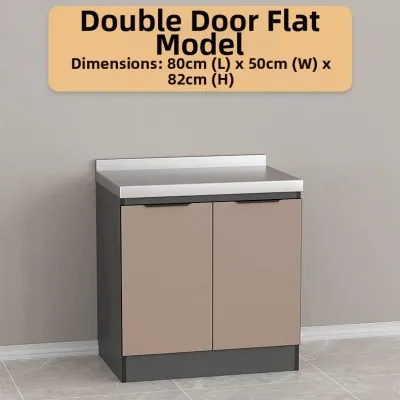
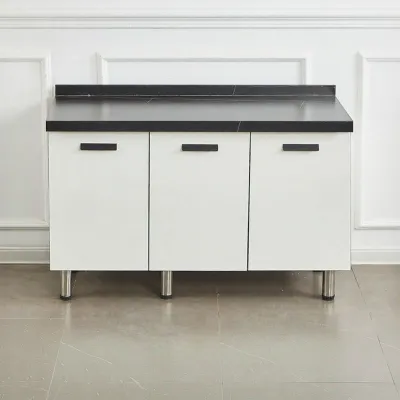
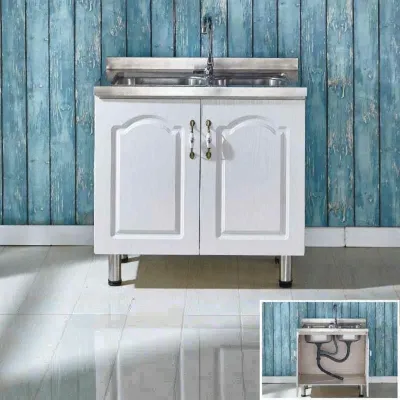
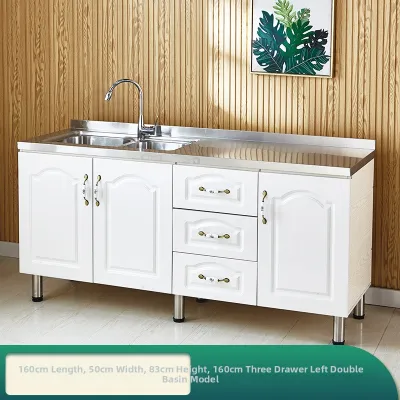
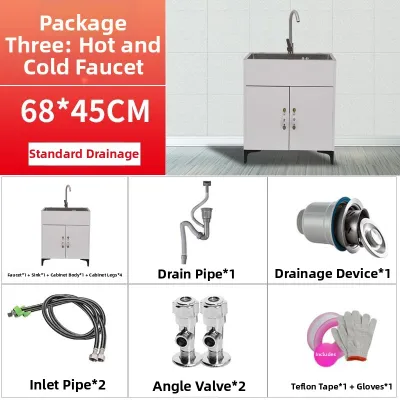
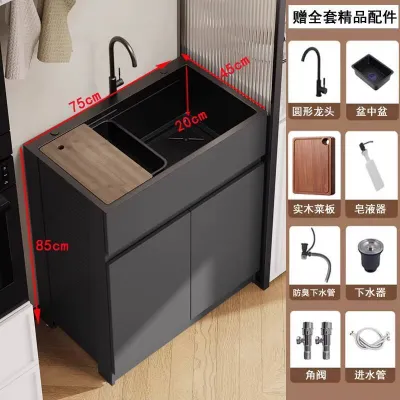
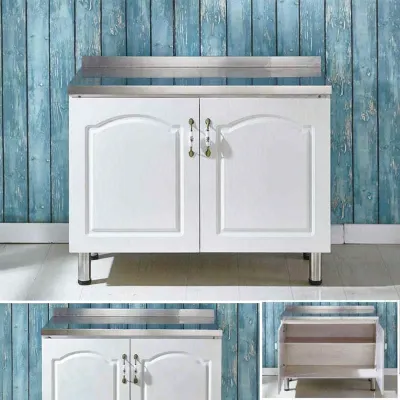
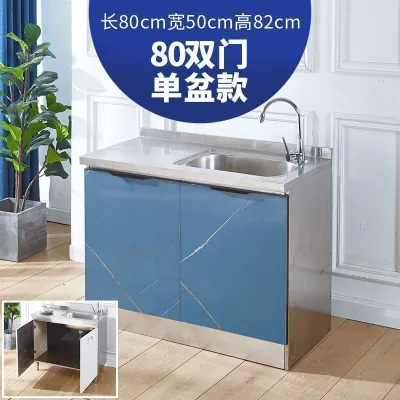
Prices are valid at publication and may change. Please refer to the product page for the latest price.
Solid PVC (polyvinyl chloride) foam boards represent another completely waterproof option. PVC is entirely immune to water damage and termite infestations, making it a popular choice for the carcass directly beneath the sink. However, PVC has a lower load-bearing capacity compared to wood or steel. Over time, a heavy sink or stone countertop can cause unreinforced PVC panels to sag, so it is crucial to verify if the cabinet structure is reinforced at key load points.
High-Moisture Resistant (HMR) board, often identified by its green core, is an engineered wood product treated with moisture-resistant resins. It offers excellent structural stability and a smooth surface for laminates at a highly competitive price point. However, you must remember that “moisture-resistant” is not the same as “waterproof.” If water bypasses the protective surface, the wood fibers will eventually swell and degrade.
Marine plywood is constructed with waterproof adhesives between the wood veneers, offering superior strength and better moisture resistance than standard plywood or particleboard. It holds screws exceptionally well, which is vital for supporting heavy sink installations. Like HMR board, marine plywood still requires high-quality lamination and edge sealing to prevent delamination over years of exposure.
The edges of wood-based boards are their most vulnerable points. Standard edge banding uses Ethylene Vinyl Acetate (EVA) hot-melt adhesive, which can soften under high humidity or heat, allowing water to seep into the core. Polyurethane (PUR) adhesive edge banding offers significantly higher water and heat resistance, curing chemically to form a tight, virtually invisible bond. Laser edge banding uses a laser to melt a pre-applied adhesive layer on the banding material, creating a seamless, zero-joint finish that provides the highest level of moisture protection.
The way your sink is mounted also directly impacts water ingress and cabinet longevity. Top-mount (drop-in) sinks rest on top of the countertop, creating a raised rim where water can easily pool. The silicone sealant around this rim degrades over time, allowing water to seep underneath and drip directly onto the cabinet carcass. Undermount sinks are installed beneath the countertop, allowing you to wipe water and debris directly into the basin. However, undermount sinks rely entirely on mechanical clips and high-strength silicone to stay secure. If the sealant joint fails, water will leak directly into the cabinet interior, meaning the cabinet structure must be strong enough to support the weight of a full sink without shifting.
Assessing True Value and Long-Term Costs
Evaluating the true value of a kitchen sink cabinet requires looking beyond the initial purchase price and analyzing the long-term costs of ownership. When comparing cabinet options, read the warranty terms carefully. Many standard warranties cover “manufacturing defects” but explicitly exclude water damage, swelling, mold, or rust. A brand that offers a shorter warranty but includes limited moisture-damage coverage may provide better real-world value than a brand offering a ten-year warranty that excludes all water-related issues. Always ask for written clarification on what constitutes a covered defect.

The cabinet carcass is only as good as the hardware holding it together. The under-sink environment is highly corrosive due to humidity and the off-gassing of household cleaning agents stored inside. Standard steel hinges will rust and seize within a few years, causing doors to sag or detach. Insist on stainless steel (Grade 304) hinges, preferably with integrated soft-close dampers. Check if the supplier uses reputable hardware manufacturers that offer lifetime warranties on their moving parts, as replacing rusted hinges can be a frequent and frustrating maintenance task.
The financial impact of replacing a failed sink cabinet is rarely limited to the cabinet carcass itself. If a cheap cabinet swells and rots, the replacement process involves disconnecting the plumbing, removing the countertop (which carries a high risk of cracking expensive quartz or granite), disposing of the old carcass, installing the new one, and reinstalling the countertop and plumbing. This complex process can easily double or triple the initial cost of a premium cabinet. Investing in high-grade, moisture-resistant materials upfront is almost always the more economical choice over the lifespan of your kitchen.
Decision Framework: Choosing the Right Cabinet Profile
To choose the right cabinet profile, you must evaluate your household’s usage habits, budget, and aesthetic preferences. Choose stainless steel or solid PVC carcasses if you have a busy household with heavy daily cooking and dishwashing, prioritize absolute hygiene, and want a material that is completely impervious to water, mold, and termites. These profiles are ideal if you want to avoid any future replacement hassle and are willing to accept a higher upfront investment or a more industrial look.
Choose HMR board or marine plywood carcasses if you want a seamless aesthetic where the sink cabinet perfectly matches the rest of your kitchen cabinetry, have a moderate budget, and are diligent about keeping the under-sink area dry. These materials allow for a wide range of laminate finishes and design continuity while still offering reasonable moisture protection when properly sealed.
Before making a final decision, verify the installation and construction details with your supplier. Ask them to specify the exact base material of the carcass and the type of edge banding used. Confirm that the installer will use high-quality, anti-fungal silicone sealant around all joints, pipe penetrations, and sink rims. Additionally, ensure the cabinet dimensions allow for proper clearance around your plumbing pipes and water filtration systems without requiring excessive cutting of the back panel during installation, as uncut panels maintain better structural integrity and moisture resistance.
Routine Maintenance to Preserve Cabinet Integrity
Regardless of the materials you choose, routine maintenance is essential to extend the lifespan of your sink cabinet and protect your investment. Perform a monthly visual inspection of the under-sink area. Look for slow drips from the P-trap, supply valves, or water filtration connections. Inspect the silicone sealant around the sink rim and the cabinet joints. If you notice peeling, cracking, or black mold spots, scrape away the old sealant, clean the area thoroughly, and apply a fresh bead of anti-fungal silicone to prevent water from reaching the cabinet core.
Proper ventilation and drying practices are crucial for preventing mold and material swelling in the dark, closed space beneath the sink. Avoid storing damp sponges, wet cleaning cloths, or dripping bottles inside the cabinet. Leave the cabinet doors open for an hour after running hot water or using the dishwasher to allow trapped steam and condensation to escape. You can also place a non-adhesive silicone drip mat on the cabinet floor to catch minor spills and use disposable moisture absorbers to keep the air dry.
When cleaning the cabinet interior, use a soft microfiber cloth dampened with mild dish soap and warm water. Avoid harsh chemical cleaners, bleach, or abrasive scrubbing pads, which can scratch laminates or strip protective coatings from stainless steel and PVC. Always dry the surfaces immediately with a clean towel, and never allow water to pool on the cabinet floor or along the edges of the doors.
Frequently Asked Questions (FAQ)
Can I retrofit an existing sink cabinet with a waterproof liner?
Yes, you can install aftermarket waterproof liners or heavy-duty silicone mats to protect the cabinet floor from minor drips and spills. However, these liners only protect the surface they cover. If there is an active plumbing leak or if water has already penetrated the cabinet joints, a liner can trap moisture underneath, accelerating structural rot and mold growth. If you suspect existing water damage, stop and address the underlying plumbing or structural issues before applying any liner.
Are undermount sinks better for preventing water damage?
Undermount sinks are highly effective at preventing water damage on the countertop surface because they eliminate the raised rim where water typically pools. This allows you to sweep spills directly into the sink. However, they require meticulous installation. The joint between the sink rim and the countertop must be sealed perfectly with high-grade silicone, and the cabinet carcass must have the structural strength to support the heavy sink. If the seal fails, water will drip directly onto the cabinet walls, potentially causing severe damage if undetected.

Community discussion
Share your experience or ask a question. Comments are reviewed before publication.