
Choosing the right high stool chair for your home is more than just matching colors and materials. In modern Singapore homes, where open-plan layouts, kitchen islands, and cozy home bar counters are highly popular, selecting the correct stool style and height directly impacts both the functionality of your space and your daily comfort. A stool that is too tall will leave you hunching over, while one that is too short will make you feel disconnected from the conversation.
The primary difference between these two setups lies in their height and primary use. Kitchen islands are designed for multi-tasking, serving as food preparation zones and casual dining spots. Home bar counters are dedicated social areas meant for entertaining and unwinding. Because these spaces serve different purposes, they require distinct stool heights, seat designs, and material choices to ensure comfort, safety, and durability.
Matching High Stool Chair Height to Your Counter
To ensure ergonomic comfort, the first step is calculating the correct seat height based on your specific counter dimensions. In Singapore, standard kitchen island counters usually stand between 85 cm and 90 cm from the floor. To sit comfortably without your knees pressing against the underside of the counter, you need an ergonomic clearance of 25 cm to 30 cm between the top of the stool seat and the bottom of the countertop. This means a standard kitchen island requires a counter-height stool with a seat height of approximately 60 cm to 65 cm.
Products mentioned in this guide
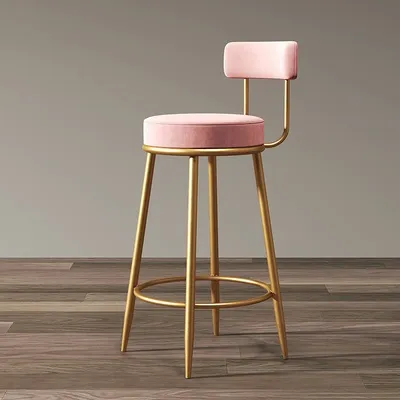
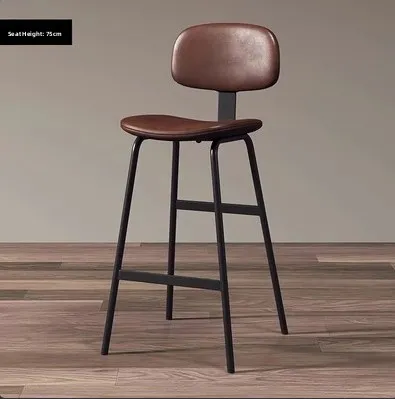
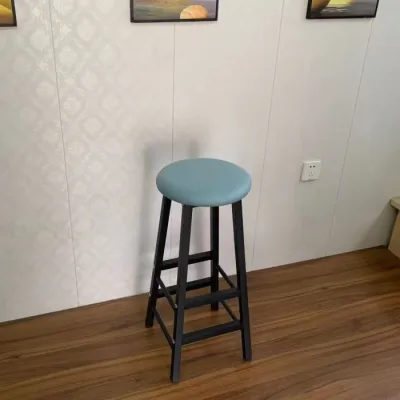
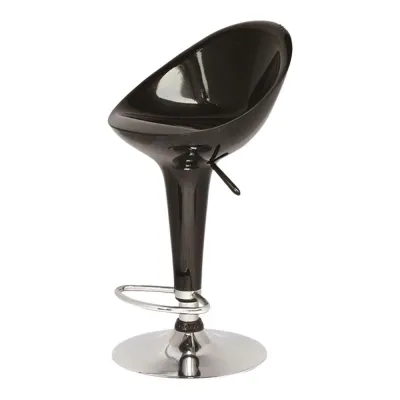
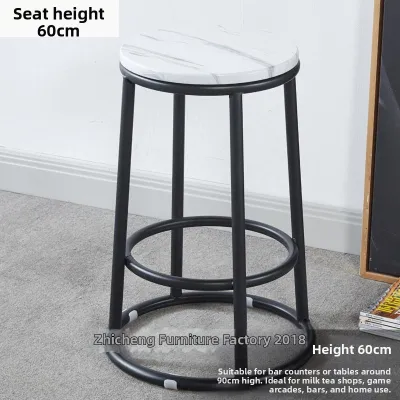
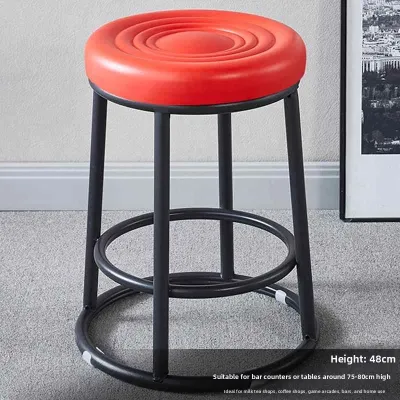
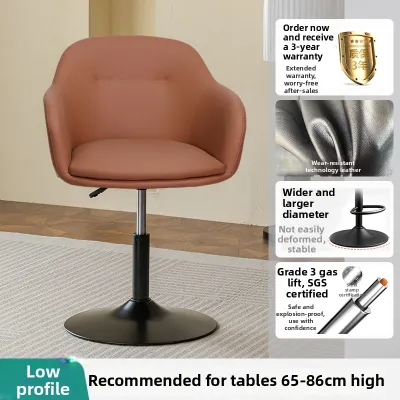
Prices are valid at publication and may change. Please refer to the product page for the latest price.
Dedicated home bar counters are significantly taller, typically measuring between 100 cm and 105 cm from the floor. These elevated surfaces require taller bar-height stools, which generally feature a seat height of 75 cm to 80 cm. Using a standard counter-height stool at a home bar counter will leave you sitting too low, making it difficult to reach your drinks or converse comfortably.
When measuring, measure from the floor to the underside of the countertop. This accounts for thick materials like quartz or solid wood, which reduce actual legroom. If your counter has a support apron underneath, measure from the bottom of that trim to the floor.
You must also evaluate the depth of your countertop overhang. A comfortable overhang depth is at least 25 cm to 30 cm. If your overhang is shallower, you may find yourself sitting sideways or scraping your knees against the island structure, which quickly becomes uncomfortable.
Selecting High Stool Chair Styles for Kitchen Islands
Because the kitchen island is often the busiest hub in a home, the stools you choose must support a wide range of daily activities. From quick breakfasts and remote work sessions to helping children with homework, seating at a kitchen island is often occupied for hours at a time. For these multi-functional zones, high stool chairs with supportive backrests and integrated armrests are highly recommended, as they provide the necessary lumbar support to prevent fatigue.

When selecting materials for a kitchen island, prioritize durability and ease of cleaning. Kitchens are active food preparation areas where grease, flour, and liquid spills are common occurrences. Before purchasing, check the manufacturer’s care labels and material specifications to ensure the seats can withstand frequent wiping. Molded plastic, sealed wood, and metal are excellent choices for high-traffic kitchens because they can be cleaned instantly with a damp cloth.
If you prefer upholstered stools, look for performance fabrics treated for stain resistance. Modern synthetic fibers repel liquids, allowing you to blot away spills before they soak into the cushion. Avoid delicate, highly textured fabrics that trap crumbs and are difficult to clean.
The choice between a swivel base and a stationary base can significantly affect your kitchen’s workflow. Swivel stools are highly practical in open-concept layouts, allowing you to turn easily to face the living room or stove without moving the stool base. This flexibility makes the kitchen island a more social and dynamic space.
However, stationary stools offer a more grounded, stable experience. If your household includes young children, stationary models are often safer because they do not rotate unexpectedly. They also maintain a neat, uniform look along the island when left unoccupied.
Selecting Stool Designs for Home Bar Counters
Home bar counters are designed for socializing, entertaining, and relaxation, which calls for a different approach to stool design. Because home bars are often located in dedicated entertainment corners, dining alcoves, or compact balcony areas, space efficiency is a primary consideration. Backless or low-profile high stool chairs are particularly well-suited for these spaces, as they can be tucked completely underneath the bar counter when not in use.
Tucking stools away keeps walkways clear and prevents the entertainment area from feeling cluttered, which is beneficial in compact apartment layouts. Backless stools also create an unobstructed sightline, making the room appear larger and more open. While they may not offer the back support needed for a full day of remote work, they are highly practical for casual socializing and enjoying drinks.
Since home bars are centered around beverages, spill resistance is a key factor. Check the manufacturer’s specifications for upholstery finishes to ensure they handle spills. Faux leather, polyurethane (PU) coatings, and treated leather are popular because they resist moisture and wipe clean easily.
For elevated bar-height seating, integrated footrests are an ergonomic necessity. Sitting on a tall stool with dangling feet restricts blood flow and causes discomfort. Ensure your stools feature a built-in footrest at a comfortable height to support a relaxed posture.
Look for footrests made of durable materials that withstand shoe friction. Metal footrests or those with protective metal caps resist scuffs and wear over time. A sturdy footrest also adds structural stability to the stool frame.
Space Planning and Safety Checks Before You Buy
Before finalizing your purchase, it is essential to plan your layout carefully to avoid a cramped and uncomfortable seating arrangement. Measure the total width of your counter and allow at least 60 cm to 75 cm of space for each stool, measured from the center of one seat to the center of the next. This spacing ensures that guests have enough elbow room to eat, drink, and move without feeling crowded.
Walkway clearance behind the stools is another critical factor. Ensure there is at least 90 cm of open space behind the stools when occupied. This allows family members to walk past comfortably without forcing the seated person to squeeze closer to the counter.
Verify the manufacturer’s stated weight capacity and base footprint to ensure stability. Taller stools have a higher center of gravity, making them prone to tipping if the base is too narrow. A wider base or heavier frame provides essential stability.
Look for high stool chairs equipped with non-slip, non-marking rubber pads or felt glides on the bottom of the legs. These protect delicate hardwood, vinyl, or polished tile floors from scratches and reduce sliding noise.
If your household includes young children or pets, prioritize safety features like anti-tip bases or wider, four-legged frames. Avoid top-heavy designs or narrow pedestal bases that can be easily knocked over during active play.
Frequently Asked Questions (FAQ)
Can I use the same high stool chair for both a kitchen island and a home bar?
Using the same high stool chair for both surfaces is generally not recommended due to the significant height difference between a kitchen island and a home bar counter. A standard kitchen island stool is too short for a home bar, forcing you to strain your arms to reach the counter, while a bar-height stool at a kitchen island will leave you with cramped legroom and poor posture. If you must share stools between spaces, look for gas-lift adjustable models, and verify the manufacturer’s specifications regarding the stability and weight limits of the lifting mechanism.
How do I clean and maintain upholstered high stool chairs?
Always consult the manufacturer’s care tag attached to the underside of the seat before applying any cleaning agents. For fabric upholstery, vacuum the crevices regularly using a brush attachment to remove crumbs and dust. If a spill occurs, blot it immediately with a clean, dry cloth rather than rubbing, which can push the liquid deeper into the fibers. Avoid using harsh household chemicals or abrasive cleaners unless they are explicitly approved by the manufacturer’s care instructions.

Community discussion
Share your experience or ask a question. Comments are reviewed before publication.