
Choosing the right bar counter chair style requires balancing your home’s existing design language with the practical realities of your layout. Rather than selecting a stool solely for its standalone appearance, the ideal choice harmonizes with your room’s dominant textures, color palette, and spatial flow. By aligning the chair’s silhouette and materials with your interior theme—whether it is a sleek contemporary kitchen or a warm, minimalist open-plan space—you can elevate a simple counter into a cohesive design statement.
Assess Your Existing Interior Design Baseline
Before browsing online marketplaces or visiting local showrooms, take a close look at the room where your bar counter chairs will reside. Note the dominant color palette, the undertones of your cabinetry, and the textures of your flooring and countertops. For instance, a kitchen featuring cold marble countertops and handleless white cabinets presents a very different design baseline than one with warm wood veneers and brushed brass hardware.
Next, identify the primary focal point of the space. In many modern Singapore apartments, the kitchen island or open-plan bar counter serves as the visual anchor of the entire living area. If your island is already a dramatic feature—perhaps clad in heavily veined quartz—you may want your chairs to play a supporting role with clean, understated profiles. Conversely, if your counter is relatively simple, a set of bold, structurally unique chairs can serve as the perfect contrasting statement piece to inject personality into the room.
Products mentioned in this guide
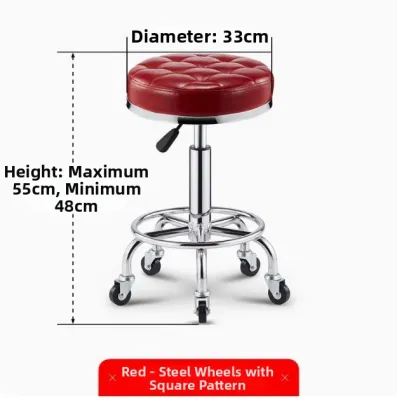
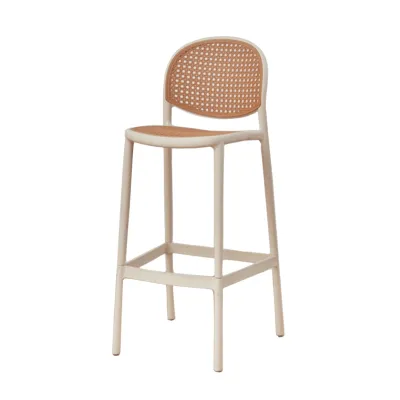
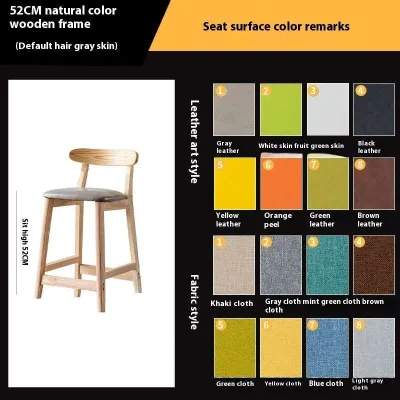
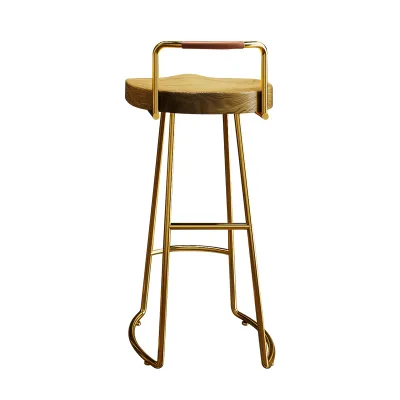
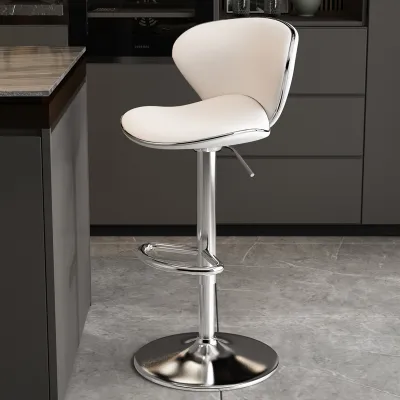
![CAIDEN Modern Leather Bar Stool [ETA 4-9 WEEKS]](https://img.lazcdn.com/g/p/b4a75b4fc885a33388c38353afdd37d6.png_400x400q80.png_.webp)
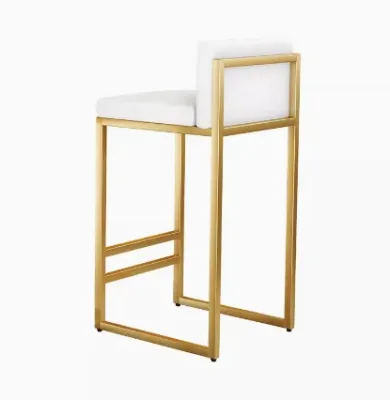
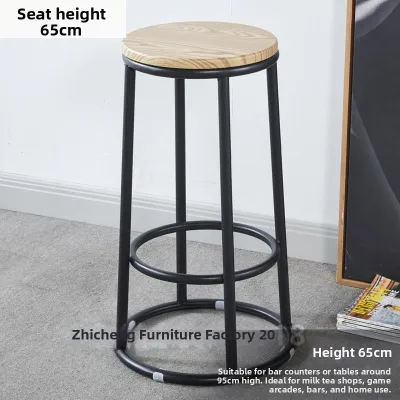
Prices are valid at publication and may change. Please refer to the product page for the latest price.
Decide early on whether your goal is seamless integration or deliberate contrast. Blending your seating into the background creates a sense of spaciousness, which is highly beneficial in compact urban layouts. On the other hand, introducing a contrasting style, such as pairing industrial metal stools with a pristine white modern counter, can break up visual monotony and create an engaging, layered aesthetic.
Match Bar Counter Chair Styles to Popular Decor Themes
Aligning your seating with your home’s overarching design theme ensures that your bar area feels like an intentional extension of your living space. The silhouette, frame structure, and material composition of a bar counter chair speak directly to specific design movements, making it essential to understand the visual cues of each style.

Industrial and Urban Loft
For homes that embrace a raw, edgy, or warehouse-inspired aesthetic, industrial bar counter chairs are an excellent fit. Look for designs that showcase exposed hardware, distressed finishes, and a rugged mix of materials, such as matte black iron frames paired with reclaimed wood seats. These elements mirror the unrefined beauty of exposed brickwork, concrete screed floors, or track lighting commonly found in industrial-themed interiors.
When selecting metal frames, check for finishes like gunmetal, textured powder-coated steel, or raw iron. These darker, matte surfaces complement metallic kitchen fixtures and dark stone countertops beautifully. However, it is crucial to verify that the visual weight of these chairs does not overwhelm your space. Industrial furniture can sometimes look bulky; if your bar area is situated in a compact nook, opt for streamlined metal frames with open backs to maintain a sense of openness.
Scandinavian and Minimalist
If your home prioritizes bright, airy, and highly functional living, Scandinavian and minimalist styles offer the perfect match. These designs emphasize light-toned woods like oak, ash, or beech, alongside molded plywood seats and clean, geometric lines. The absence of excessive ornamentation allows the natural beauty of the materials to stand out, creating a calm and inviting atmosphere.
Focus on neutral upholstery colors—such as soft greys, muted beiges, or off-whites—and uncluttered silhouettes that maximize the reflection of natural light. To keep your open-plan layout feeling spacious, ensure the chairs maintain visual airiness. Avoid heavy, solid bases or dark, chunky legs that block sightlines; instead, look for slender, tapered legs and low-profile backrests that preserve the minimalist flow of your home.
Mid-Century Modern and Contemporary
For spaces that celebrate retro influences or sleek, futuristic lines, mid-century modern and contemporary styles provide distinct design paths. Mid-century modern chairs are easily identified by their iconic tapered wooden legs, gently curved bentwood backrests, and organic, sculptural shapes. They often incorporate warm walnut tones and bold accent upholstery, such as mustard yellow, forest green, or burnt orange, which add a nostalgic yet sophisticated touch to your bar area.
If your taste leans toward the ultra-modern, contemporary designs offer streamlined, glossy, or even transparent acrylic options. Acrylic or polycarbonate “ghost” stools are particularly effective in tight spaces, as they virtually disappear visually while providing a sleek, high-tech edge. Whichever path you choose, remember to balance these retro or futuristic shapes with modern structural stability. Ensure the joinery and base construction are robust enough to handle daily household use without wobbling.
Balance Visual Style with Space and Ergonomics
A beautiful bar counter chair is only successful if it is comfortable to sit in and fits perfectly within your physical layout. The first and most critical step is measuring your counter height. Standard kitchen counters usually sit around 90 centimeters high, requiring counter-height stools with a seat height of approximately 60 to 65 centimeters. If you have a taller bar counter (around 100 to 105 centimeters), you will need bar-height stools with a seat height of 75 to 80 centimeters. Always calculate a seat-to-counter clearance of 25 to 30 centimeters to guarantee comfortable legroom and prevent your knees from knocking against the underside of the counter.
Beyond height, evaluate the physical footprint of the chair and its swivel radius. In high-traffic zones, such as a narrow walkway between the kitchen island and the living room sofa, bulky chairs can block passage and create safety hazards. If you select chairs with a swivel mechanism, ensure there is enough clearance behind them so they do not strike nearby walls, cabinets, or glass doors when rotated. Allow at least 15 centimeters of space between each chair to let guests sit comfortably and turn without bumping elbows.
Do not sacrifice ergonomics for the sake of a sleek look. If your bar counter is a primary dining spot or a remote work station, prioritize features that support long-term sitting. Look for chairs with integrated footrests positioned at a comfortable height, supportive backrests that follow the natural curve of your spine, and a seat depth that supports your thighs without pressing against the back of your knees. For quick morning coffees, a low-backed or backless stool may suffice, but extended use demands proper ergonomic support.
Select Materials and Finishes for Cohesion and Durability
The materials you choose play a dual role in defining the chair’s style and determining its longevity in a busy household. To create a cohesive look, match the textures of your chairs to existing elements in the room. For example, if your dining area features a warm leather sofa, choosing bar stools with matching leather or high-quality synthetic leather upholstery can tie the two zones together. Conversely, if your kitchen is dominated by cool, smooth surfaces like quartz and stainless steel, introducing fabric upholstery can soften the space and add welcoming warmth.
Because bar counters are closely associated with food and drinks, practical maintenance is a top priority. Review the manufacturer’s care instructions carefully before making a decision. In a kitchen environment, spills are inevitable. Materials like treated leather, polyurethane (PU) leather, and polypropylene are highly stain-resistant and can be easily wiped clean with a damp cloth. If you prefer fabric, look for performance textiles that have been treated for liquid repellency.
Your household composition should heavily influence your material choices. If you have young children or pets, delicate fabrics like velvet, linen, or open-weave cotton can easily snag or stain. In these environments, sturdy, hard-surfaced chairs made of molded plastic, metal, or sealed wood are often the most practical choice. They withstand daily wear and tear, resist scratches from pet claws, and can be thoroughly sanitized without damaging the finish.
Finalize Your Choice with a Pre-Purchase Checklist
Before placing your order, run through a final verification checklist to ensure a seamless delivery and installation process. Start by confirming the exact finished dimensions of the chairs against your measured space. Do not forget to measure your home’s entry points. In Singapore, navigating tight apartment doorways, narrow corridors, and passenger lifts is a common challenge. Ensure the packaged boxes or pre-assembled chairs can safely clear these passages without damaging your walls or the product itself.
Next, verify the manufacturer’s stated weight capacity and stability features. A stable bar counter chair should have a wide, well-balanced base to prevent tipping, especially if the chair is tall or features a heavy backrest. Look for anti-slip and scratch-resistant pads on the bottom of the legs or base; these protect your flooring—whether it is delicate vinyl, hardwood, or polished marble—from unsightly scuffs and reduce noise when the chairs are moved.
Finally, review the assembly requirements and warranty terms. Some chairs arrive fully assembled, while others require extensive DIY setup with specific tools. If assembly is required, check if the necessary hardware is included or if you need to prepare your own tools. A clear warranty from the manufacturer or retailer provides peace of mind, ensuring that any structural defects or missing parts can be resolved quickly.
Frequently Asked Questions (FAQ)
Can I mix and match different bar counter chair styles?
Yes, mixing and matching different bar counter chair styles can create a highly personalized, eclectic look, but it requires a unifying element to avoid looking chaotic. To maintain visual cohesion, ensure all the chairs share at least one common design thread. This could be a consistent seat height, matching metal or wood finishes, or a shared upholstery fabric. For example, you might pair two different chair silhouettes that both feature matte black steel legs. To keep the space feeling balanced, limit your selection to two contrasting styles rather than introducing a different design for every single seat.
How do I coordinate bar counter chairs with my dining table chairs?
In open-plan layouts where the kitchen counter and dining table are in close proximity, coordinating your seating is essential for a harmonious flow. You do not need to buy identical matching sets; in fact, forcing the exact same design can look rigid. Instead, aim for a complementary relationship. Try matching the wood tone of your dining table legs with the frames of your bar stools, or choose upholstery fabrics in the same color family but with slightly different textures. This creates a subtle, intentional connection that ties the entire open-plan space together beautifully.
Community discussion
Share your experience or ask a question. Comments are reviewed before publication.