
Selecting the right mattress firmness is one of the most significant decisions you can make for your long-term sleep health and physical well-being. Because everyone distributes their body weight differently across a bed, a mattress that feels like a supportive cloud to one person can feel like a rigid board or a sagging hammock to another. Finding the ideal King Koil mattress firmness depends entirely on your primary sleeping position, as your posture dictates where your body requires pressure relief and where it needs structural support.
Side sleepers generally benefit from a medium-soft to medium feel that cushions the shoulders and hips, preventing painful pressure points. Back sleepers typically require a balanced medium to medium-firm surface to maintain the spine’s natural curve, while stomach sleepers need a firm to extra-firm mattress to prevent the pelvis from sinking and straining the lower back. By matching your sleeping style to the correct firmness level, you can prevent chronic morning aches and ensure your investment provides lasting comfort.
Understanding Mattress Firmness Levels and Spinal Support
To navigate the mattress buying process effectively, it helps to understand how mattress manufacturers categorize firmness. The industry generally uses a 1-to-10 scale, where 1 represents an incredibly soft surface with almost no resistance, and 10 represents a surface as rigid as the floor. Most mattresses on the market fall between a 3 (soft) and an 8 (extra-firm). This rating is determined by the interaction between the mattress’s comfort layers and its support core.
Products mentioned in this guide
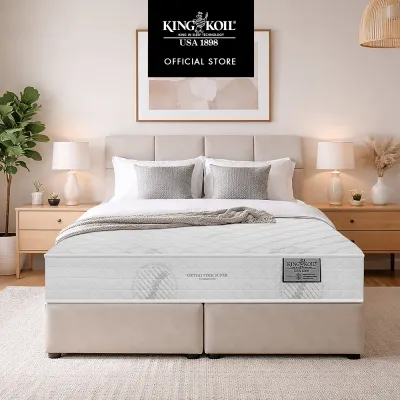
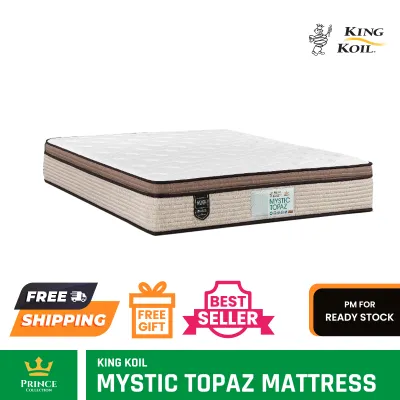
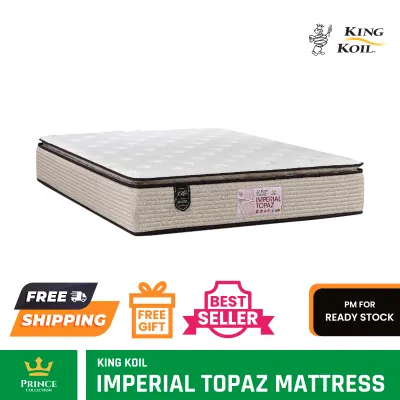
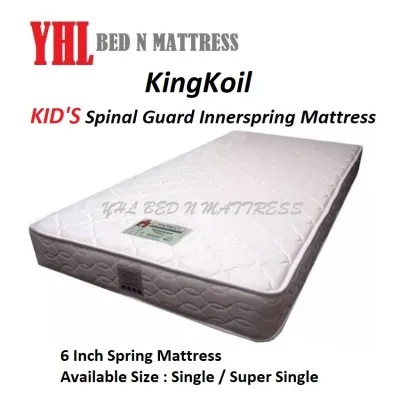
Prices are valid at publication and may change. Please refer to the product page for the latest price.
The comfort layers sit at the very top of the mattress, consisting of materials like quilted fiber, memory foam, gel-infused foam, or natural latex. These layers are designed to provide initial pressure relief, contouring to the unique curves of your body. Beneath these comfort layers lies the support core, which is typically made of high-density foam or pocketed steel coils. While the comfort layers determine how soft or firm the mattress feels when you first lie down, the support core is responsible for keeping your spine aligned and preventing your heavy torso from sinking too deep.
Your body weight plays a massive role in how you perceive these firmness levels. A lighter sleeper, typically weighing under 60 kg, does not exert enough downward force to compress thick comfort layers. As a result, a mattress rated as a “medium” (around a 5 or 6 on the scale) may feel quite firm to them. Conversely, a heavier sleeper weighing over 90 kg will compress the comfort layers completely and rest directly on the support core. For these individuals, a medium mattress might feel overly soft and lack the necessary structural resistance, making a firmer model a much safer choice for spinal alignment.
| Sleeping Position | Recommended Firmness Range | Typical Scale Rating (1-10) | Primary Goal |
|---|---|---|---|
| Side Sleeper | Medium-Soft to Medium | 4 to 6 | Relieve pressure on shoulders and hips while contouring to the waist. |
| Back Sleeper | Medium to Medium-Firm | 6 to 7 | Maintain the natural S-curve of the spine and support the lumbar region. |
| Stomach Sleeper | Firm to Extra-Firm | 7 to 9 | Keep the pelvis elevated to prevent lower back hyperextension. |
Best King Koil Firmness for Side Sleepers
Side sleeping is the most common sleeping posture, but it presents unique challenges for spinal alignment. When you lie on your side, your body weight is concentrated on two main contact points: your shoulders and your hips. If your mattress does not allow these protruding areas to sink in sufficiently, your spine will curve awkwardly, and you will likely wake up with stiff joints, numbness, or a dull ache in your shoulders.

For this reason, side sleepers should look for a King Koil mattress with a medium-soft to medium firmness rating, typically between 4 and 6 on the scale. This firmness range provides a thick, plush comfort layer that cradles the shoulders and hips, distributing your body weight more evenly across the surface. King Koil models featuring plush pillow-tops or Euro-tops are excellent candidates for side sleepers. These designs incorporate generous layers of pressure-relieving memory foam or responsive latex directly beneath the quilted cover, offering immediate contouring comfort.
However, side sleepers must be careful to avoid the extremes of the firmness scale. If a mattress is too firm, it will push back against your shoulders and hips, cutting off local blood circulation and causing you to toss and turn throughout the night. On the other hand, if the mattress is too soft, you will experience a “hammocking” effect. This occurs when your heavy midsection sinks deep into the mattress while your head and feet remain elevated, causing a lateral curve in your spine that leads to severe lower back strain over time. Look for a model that balances a plush surface with a supportive pocketed coil core to keep your body level.
Best King Koil Firmness for Back Sleepers
Back sleepers have it slightly easier when it comes to weight distribution, as their body weight is spread across a larger surface area. However, the human spine is not perfectly straight; it has a natural S-curve that must be supported even when lying flat. If a mattress is too soft or too firm, this natural curve is flattened or exaggerated, leading to muscle tension and chronic back pain.
For optimal spinal alignment, back sleepers should target a medium to medium-firm King Koil mattress, which generally sits at a 6 or 7 on the firmness scale. This level of firmness provides enough surface give to allow the shoulder blades and buttocks to sink slightly, while offering robust resistance under the lower back to keep the lumbar spine supported. When browsing King Koil options, prioritize models that feature zoned support systems. These systems utilize firmer pocketed coils in the center third of the mattress to support the heavy lumbar region, while using slightly softer coils under the head and feet.
To verify if a mattress provides the correct support while testing it, you can perform a simple physical check known as the lower back gap test. Lie flat on your back on the mattress in your normal sleeping posture. Try to slide your open hand, palm down, under the small of your back. If your hand slides through easily with a noticeable gap, the mattress is too firm, meaning your lower back is suspended in the air without support. If you cannot slide your hand under your back at all because your hips have sunk too deep, the mattress is too soft. Ideally, your hand should slide in with a snug, comfortable fit, indicating that the mattress is contouring perfectly to your lumbar curve.
Best King Koil Firmness for Stomach Sleepers
Stomach sleeping is widely considered the most challenging position for maintaining healthy spinal alignment. When you sleep on your stomach, gravity naturally pulls your midsection downward. Because most of your body weight is concentrated around your pelvis and abdomen, any lack of support in this area will cause your lower back to arch excessively, putting immense pressure on your lumbar vertebrae and surrounding muscles.
To prevent this hyperextension, stomach sleepers require a firm to extra-firm mattress, typically rated between 7 and 9 on the firmness scale. A firm surface keeps your torso elevated and your spine flat, preventing your hips from sinking below the level of your shoulders. If you sleep on your stomach, you should actively avoid King Koil models with thick, fluffy pillow-tops or ultra-plush comfort layers. Instead, look for tight-top models that prioritize a robust support core with high-density transition foams and high-gauge pocketed steel coils.
Sleeping on a mattress that is too soft poses significant physical risks for stomach sleepers. Over time, the constant downward pull on your pelvis can lead to chronic lower back pain, sciatica, and morning stiffness. Furthermore, because stomach sleepers must turn their head to one side to breathe, a soft mattress can cause the head to sink too deep, twisting the neck at an unnatural angle and causing severe neck and shoulder strain. Choosing a firm mattress ensures that your entire body remains on a level plane, minimizing strain from head to toe.
How to Test and Verify Your Mattress Choice Before Buying
Investing in a premium mattress is a significant financial decision, with high-quality models often costing between S$1,500 and S$3,000. To ensure you make the right choice, it is essential to test and verify the mattress thoroughly before finalizing your purchase. Do not rely solely on a quick five-second sit test at a retail showroom; instead, follow a structured evaluation process.
When visiting a showroom, lie down on your preferred mattress model in your natural sleeping position for at least 10 to 15 minutes. It takes time for your muscles to relax and for your body to register how the comfort layers respond to your weight. If you sleep with a partner, test the mattress together to evaluate motion isolation and ensure the firmness suits both of your sleeping styles. Additionally, ask the showroom staff for a pillow that matches the height and firmness of the one you use at home, as your pillow completes your spinal alignment and heavily influences how the mattress feels under your shoulders and neck.
Before committing to a purchase, carefully verify the retailer’s purchase protections. Check if they offer a sleep trial period, which allows you to test the mattress in your own home for a set number of nights. Be sure to read the fine print regarding return shipping fees, exchange policies, and whether a mattress protector must be used during the trial. You should also review the manufacturer’s warranty terms. A standard premium mattress warranty should cover structural defects and significant foam sagging (typically depth indentations of 2.5 cm or more) for at least 10 years, giving you peace of mind regarding the product’s durability.
Finally, do not forget the practical logistics of bringing a new mattress into your home. Measure your bedroom floor space carefully, ensuring there is enough clearance for wardrobe doors, drawers, and walking paths. Check your existing bed frame compatibility; for instance, if you have a slatted bed frame, ensure the gaps between the slats are narrow enough (typically under 7 cm) to support a pocketed coil mattress without causing it to sag. Crucially, measure your home’s access routes, including lift dimensions, tight stairwell corners, and doorway clearances. A king-size mattress is bulky and rigid, and confirming that the delivery team can physically maneuver it into your bedroom is a vital step to prevent delivery-day headaches.
Frequently Asked Questions (FAQ)
Can I change the firmness of my King Koil mattress after buying it?
If you find that your new mattress is slightly too firm, you can easily soften the surface feel by adding a high-quality mattress topper made of memory foam, gel, or natural latex. A topper adds an extra comfort layer that enhances pressure relief for your shoulders and hips. However, if your mattress is too soft, you cannot make it firmer. A topper cannot fix a lack of support in the mattress’s core, as any material you place on top will simply sink into the existing soft spots. Because you cannot fundamentally alter a mattress’s support core, choosing the correct initial firmness is critical.
Does body weight affect which King Koil firmness I should choose?
Yes, your body weight directly influences how a mattress feels and performs. Lighter individuals (under 60 kg) exert less pressure and may find that medium mattresses feel quite firm, meaning they often require softer models to achieve proper contouring and pressure relief. Conversely, heavier individuals (over 90 kg) compress comfort layers much more deeply. They require firmer support cores and high-density transition layers to prevent them from bottoming out against the coils, ensuring their spine remains aligned throughout the night.
Are firm mattresses always better for back pain?
No, the belief that an extra-firm mattress is universally best for back pain is a common misconception. While a firm mattress is necessary for stomach sleepers to prevent lower back arching, it can cause severe back and shoulder pain for side sleepers by forcing the spine out of alignment. For general back pain relief, a medium-firm mattress is typically recommended because it strikes a balance between contouring pressure relief and structural support. If you suffer from a specific medical condition, such as herniated discs or severe scoliosis, you should consult a healthcare provider for personalized guidance.

Community discussion
Share your experience or ask a question. Comments are reviewed before publication.