
Tatami storage beds have become a staple in modern homes, particularly in space-constrained urban environments like Singapore where maximizing floor space is a priority. When selecting a tatami storage bed for a child’s bedroom, the primary focus must shift from maximizing storage capacity to ensuring rigorous safety standards. Children interact with furniture dynamically—climbing, jumping, and exploring enclosed spaces—which introduces unique physical and chemical risks. To safeguard your child, it is essential to look beyond aesthetic appeal and verify specific structural certifications, mechanical safety features, and material standards before making a purchase.
Evaluating a bed’s safety requires a systematic approach that covers physical stability, mechanical hazards, chemical emissions, and proper installation. By understanding what standards to look for and how to inspect these products, you can create a secure, functional sleeping environment that supports your child’s growth and play. This guide outlines the critical design features and safety checks to evaluate before finalizing your purchase.
Structural Stability and Fall Prevention
Evaluating the physical design of a tatami storage bed is the first step in preventing falls, entrapment, and structural failure during active use. Because children frequently use their beds as play areas, the frame must withstand dynamic forces that go far beyond simple sleeping loads. Parents should begin by examining the height and spacing of any integrated guardrails, especially if the tatami bed is elevated or features a platform design.
Products mentioned in this guide
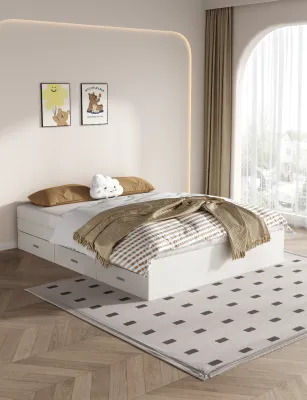
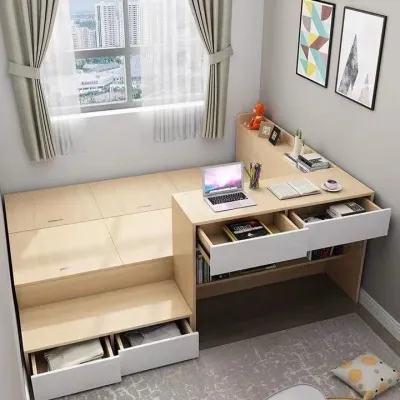
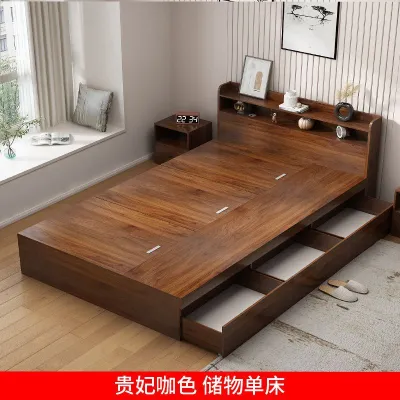
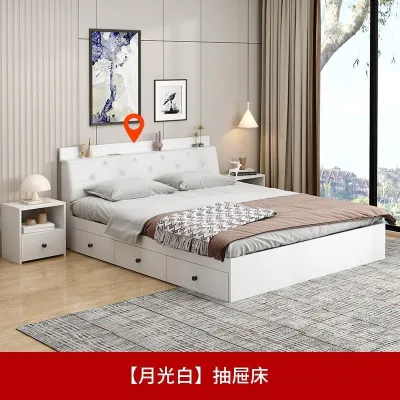
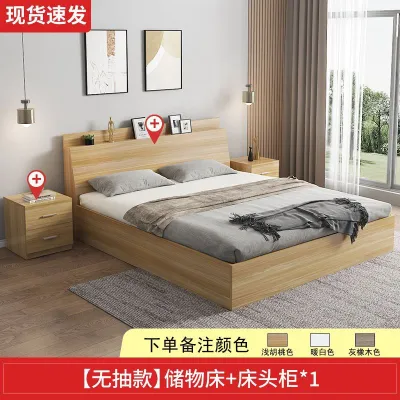
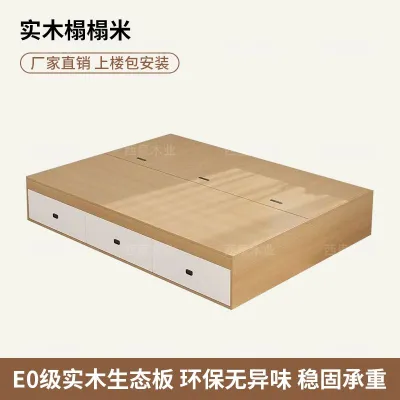
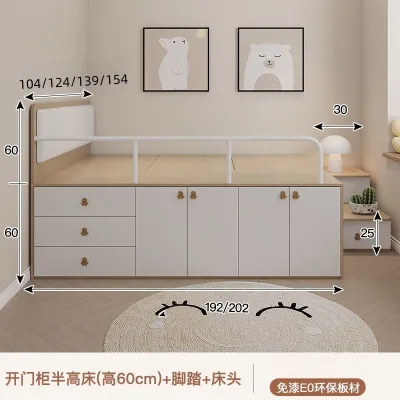
Prices are valid at publication and may change. Please refer to the product page for the latest price.
When reviewing guardrail specifications, check the manufacturer’s user manual or product labels to ensure the guardrails are securely attached and meet standard safety clearances. The gap between individual slats in the guardrail, as well as the gap between the guardrail and the mattress, must be narrow enough to prevent a child’s head or limbs from becoming trapped. A physical inspection of these gaps is highly recommended, as relying solely on product photos can be misleading.
Edge and corner designs are equally critical for minimizing impact injuries during active play. Look for frames that feature rounded corners and smooth, flush edges rather than sharp, 90-degree angles. If you are purchasing an engineered wood bed, inspect the quality of the edge banding to ensure it is securely adhered and will not peel over time, which can expose sharp underlying material or create scratch hazards.
Frame rigidity and load capacity must be verified through official manufacturer specifications. Ensure the slat or solid base system provides uniform support across the entire mattress area without excessive flexing or bowing when weight is concentrated in one spot. Additionally, before purchasing, measure your home’s doorway and lift clearances to ensure the rigid, pre-assembled components of the bed frame can be safely transported into the bedroom without sustaining structural damage that could compromise its stability.
Storage Mechanism and Entrapment Risks
The defining feature of a tatami storage bed—its under-bed compartment—presents unique mechanical risks that must be carefully managed. The lifting platform of a storage bed is heavy, particularly when supporting a mattress, making high-quality lifting hardware a non-negotiable safety requirement. Parents must verify that the bed utilizes robust pneumatic gas struts or hydraulic lifts designed to handle the specific weight of the mattress.

To prevent the heavy bed base from falling unexpectedly, the lifting mechanism should feature built-in safety locks or dual-stage struts that require deliberate action to close. Avoid beds that rely on simple manual hinges without any support struts, as these can easily slam shut and cause severe injuries. When testing the bed in a showroom, observe whether the platform descends smoothly and slowly, or if it drops rapidly under its own weight.
Inspect all moving joints, hinges, and the perimeter of the lifting platform for potential pinch points. There should be adequate clearance or protective finger-pinch guards around the hinges to protect small hands during operation. Teach children that the lifting mechanism is strictly for adult use, and ensure that any manual lift handles or straps are positioned out of reach of very young children.
Compartment ventilation is another critical safety consideration that is often overlooked. Children may view the large under-bed storage area as a tempting hiding spot during games. To mitigate suffocation risks, ensure the storage compartment features built-in ventilation holes or cutouts that allow continuous airflow. These vents also serve a dual purpose by preventing stagnant air and moisture buildup, which can lead to mold growth beneath the mattress.
Material Safety and Chemical Emissions
Because children spend a significant portion of their day sleeping, the materials used in their bedroom furniture must not expose them to harmful chemical emissions or toxic substances. Many tatami storage beds are constructed from engineered wood products, such as medium-density fibreboard (MDF), particleboard, or plywood, which are manufactured using adhesives that can release volatile organic compounds (VOCs) and formaldehyde.
To ensure healthy indoor air quality, instruct retailers to provide recognized low-VOC or low-formaldehyde emission certifications. Look for standards printed on the product packaging, user manual, or manufacturer’s website, such as the Japanese F-star ratings (with F★★★★ being the strictest standard for low emissions) or compliance with California Air Resources Board (CARB) Phase 2 and EPA TSCA Title VI standards. These certifications verify that the engineered wood has been tested and falls within safe emission limits.
Surface finishes, including paints, stains, varnishes, and laminates, must also be certified non-toxic and child-safe. Children, particularly toddlers, may chew on bed frames or touch surfaces and then place their hands in their mouths. Confirm with the manufacturer that all coatings are free from heavy metals, lead, and phthalates, and comply with international toy safety standards or equivalent furniture coating regulations.
Managing moisture is particularly important in Singapore’s humid climate, as excess moisture can lead to hidden mold growth within the storage compartments, compromising both material integrity and respiratory health. Check how the materials are sealed; fully banded edges and moisture-resistant laminates help prevent humid air from penetrating the core wood. Ensure the design allows you to easily open the storage compartments periodically to air them out and inspect for any signs of dampness.
Installation Requirements and Ongoing Maintenance
A safety-certified tatami storage bed can only perform as intended if it is correctly assembled and maintained. Before installation, evaluate whether the bed’s height, weight distribution, and your child’s behavior warrant anchoring the frame to the wall. If the bed features a high headboard, integrated shelving, or an asymmetrical design that could make it prone to tipping when climbed on, secure wall anchoring is highly recommended.
During assembly, strictly follow the manufacturer’s instructions and torque specifications for all bolts, screws, and structural brackets. Do not substitute provided hardware with random spare parts, as the manufacturer’s fasteners are rated for the specific loads the bed will experience. Ensure the bed is assembled on a completely level floor surface; an uneven base can place uneven stress on the joints and cause the lifting mechanism to misalign, increasing the risk of mechanical failure.
Establish a routine maintenance schedule to inspect the bed’s safety features every few months. Check the pressure of the hydraulic or pneumatic struts to ensure they still support the platform’s weight without drifting downward. Tighten any loose hardware, inspect the wood joints for stress cracks or separation, and verify that the safety locks engage smoothly. If any component of the lifting mechanism shows signs of wear or fails to hold the base securely, suspend use of the storage compartment immediately and contact the manufacturer for replacement parts.
Frequently Asked Questions (FAQ)
Can a standard tatami storage bed be safely modified for a toddler?
Modifying a standard tatami storage bed for a toddler using DIY methods is not recommended, as drilling new holes or adding aftermarket guardrails can compromise the structural integrity of the frame and void the manufacturer’s warranty. Unofficial modifications may also introduce new safety hazards, such as untested entrapment gaps or unstable joints. If you need to adapt the bed for a younger child, consult the manufacturer directly to ask if they offer approved toddler conversion kits or compatible safety accessories that have been structurally tested for that specific model.
How often should the hydraulic lifts and safety locks be inspected?
An inspection of the hydraulic lifts, safety locks, and mounting brackets should be conducted at least once every three to six months. During this check, lift the platform fully to ensure the struts hold it open without assistance, and verify that the safety lock engages securely. Listen for any unusual squeaking, grinding, or hissing noises, which can indicate a loss of pressure or mechanical wear. If you notice the platform descending more quickly than usual or if the locks feel loose, avoid opening the compartment until a qualified professional or the manufacturer has inspected and repaired the mechanism.

Community discussion
Share your experience or ask a question. Comments are reviewed before publication.