
Maximising floor space without sacrificing comfort is a primary challenge in modern urban living, particularly in compact apartments where every square metre counts. The storage sofa box has emerged as a highly practical solution to this dilemma, serving as both supportive seating and a concealed vault for household items. However, not all storage benches are created equal. To ensure your investment truly serves your household, you must look beyond basic aesthetics and evaluate the specific multi-functional features that dictate daily usability, durability, and comfort.
The core challenge of any dual-purpose furniture piece lies in balancing structural storage capacity with seating comfort. A box designed solely for maximum storage volume may feature a hard, unyielding lid that makes sitting uncomfortable, while a highly cushioned bench might offer shallow, difficult-to-access storage space inside. To bridge this gap, modern designs incorporate advanced access mechanisms, customizable interior layouts, and convertible frames. By understanding which features align with your daily routines, you can select a storage sofa box that seamlessly integrates into your living room, bedroom, or entryway.
Lid Mechanisms: Balancing Easy Access with Seating Comfort
The lid of a storage sofa box is the primary touchpoint where its two functions intersect. It must support the weight of multiple seated adults while remaining easy to lift when you need to access the items stored inside. The choice of lid design directly impacts how frequently you will use the storage compartment; a lid that is too heavy or cumbersome to open will inevitably lead to underutilized storage space.
Products mentioned in this guide
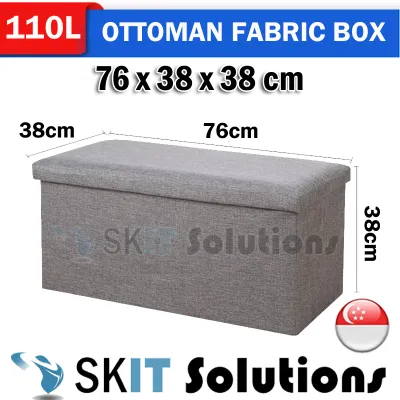
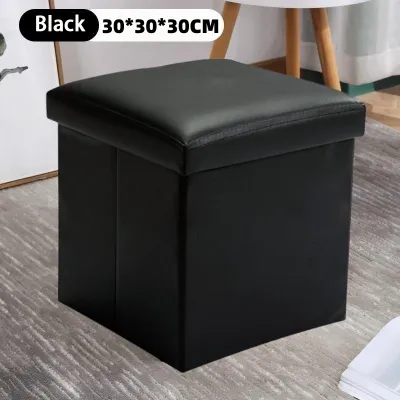
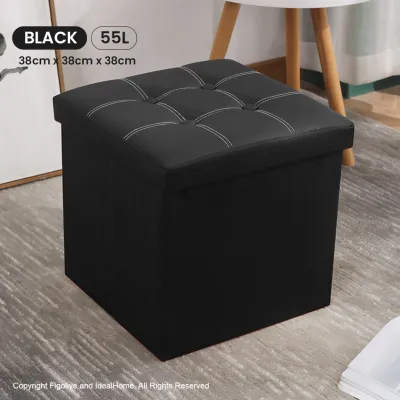
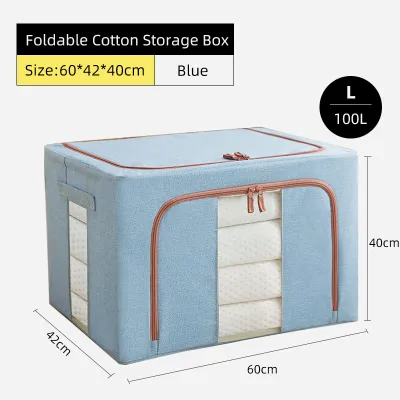
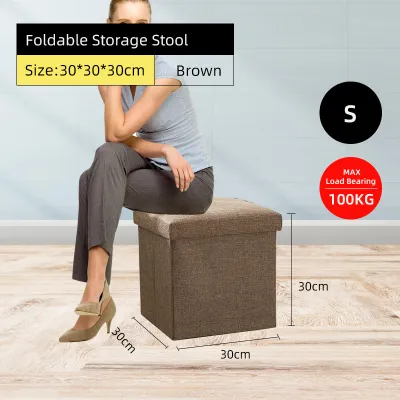
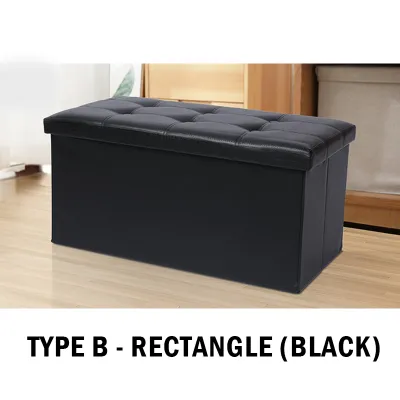
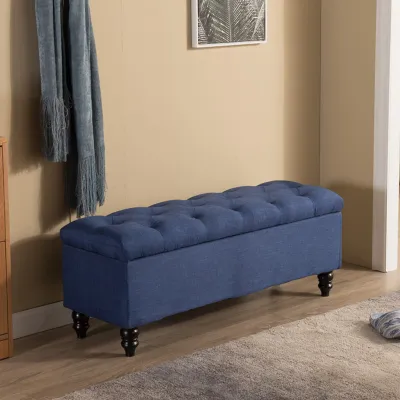
Prices are valid at publication and may change. Please refer to the product page for the latest price.
Removable vs. Hinged Lids
When evaluating lid designs, the most fundamental choice is between a fully removable lid and a hinged mechanism. Removable lids lift off the base entirely, offering unobstructed, 360-degree access to the storage compartment below. This design is highly advantageous when storing bulky, oversized items like winter coats, thick duvets, or large board game boxes, as there are no hinges or arms to restrict movement. Additionally, many removable lids feature a dual-sided design: one side is upholstered for seating comfort, while the reverse side features a flat, finished wooden panel. By flipping the lid over, you can instantly convert the storage box into a sturdy coffee table or a serving tray for drinks and snacks.
However, removable lids have distinct practical drawbacks. When the lid is removed, you must find a clean, safe place to set it down, which can be challenging in tight living areas or narrow hallways. Lifting a large, heavily cushioned lid can also be physically demanding, particularly for older adults or children.
In contrast, hinged lids remain permanently attached to the frame, pivoting open along one side. This design offers superior convenience for quick, everyday access, as you can easily open and close the box with one hand. Hinged lids are ideal for storing frequently used items like throw blankets, toys, or shoes in an entryway. The primary trade-off is that the hinges themselves can slightly reduce the usable opening width, and some designs require a small gap between the back of the sofa box and the wall to allow the lid to swing open fully. If your room layout requires the bench to sit completely flush against a wall, look for zero-clearance or forward-pivoting hinges that allow the lid to open vertically without shifting backward.
Hydraulic Lifts and Soft-Close Hinges
For larger storage sofa boxes—especially those measuring over one metre in length—manual hinges can feel heavy and unsafe. This is where advanced hydraulic gas struts and soft-close mechanisms become essential features. Hydraulic gas struts assist in lifting the heavy upholstered top. Once opened to a certain angle, the struts hold the lid securely in place, allowing you to use both hands to organize or retrieve items without the fear of the heavy lid slamming down unexpectedly.
Soft-close hinges are equally important for safety and furniture longevity. These mechanisms use hydraulic dampers to slow the closing speed of the lid during the final few inches of travel. This prevents loud, disruptive slams and, more importantly, protects fingers from getting pinched—a crucial safety consideration in households with young children or curious pets.
Before purchasing, always verify the weight rating and durability specifications of these lifting mechanisms. High-quality struts are typically rated in Newtons (N); a standard double-seat bench often requires struts rated between 100N and 150N to operate smoothly. Check the manufacturer’s product details to ensure the hinges are made of heavy-duty, powder-coated steel or stainless steel, which resist rust and deformation over years of repeated opening and closing.
Interior Organization: Maximizing Space with Modular Compartments
A large, open storage cavity may seem ideal at first glance, but without internal structure, it quickly turns into a disorganized clutter zone. Retrieving a small item from the bottom of a deep, undivided box often requires removing everything else first, defeating the purpose of convenient storage.

Adjustable Dividers for Custom Storage
To prevent your storage sofa box from becoming a chaotic dumping ground, look for models that feature adjustable or removable interior dividers. These partitions allow you to customize the internal layout based on what you need to store at any given time. For example, you can create a narrow slot on one side to keep books or vinyl records upright, while leaving the rest of the compartment open for larger items.
Some manufacturers use slotted wooden tracks along the interior walls, allowing you to slide wooden panels into different positions to adjust the compartment sizes. Other models utilize fabric-wrapped dividers with heavy-duty hook-and-loop strips that attach securely to the lined interior walls. When shopping, inspect the quality of these dividers; solid wood or thick engineered wood (MDF) panels wrapped in protective fabric offer far greater stability than thin cardboard inserts, which can bow or collapse under the weight of shifting items. If you plan to store bulky bedding or suitcases, ensure these dividers can be removed entirely to maximize the continuous internal length.
Tiered and Double-Layer Configurations
Advanced storage sofa boxes maximize vertical space by incorporating tiered or double-layer storage systems. A common and highly effective design features a shallow, removable upper tray that slides along ledges built into the top of the interior frame. This upper tray is perfect for storing small, frequently accessed items like remote controls, coasters, reading glasses, or keys, keeping them within easy reach. Meanwhile, the deep compartment below remains dedicated to long-term storage of bulky items like seasonal blankets or extra pillows.
Another innovative variation is the integration of lower pull-out drawers beneath the main storage compartment. These drawers slide out horizontally from the front or sides of the bench on metal glides. The primary benefit of this design is accessibility: you can pull out a drawer to grab a pair of shoes or a charging cable without requiring anyone sitting on the bench to stand up. However, this feature requires a clear floor space in front of the sofa box, making it less suitable for extremely narrow walkways or tight bedside placements.
When comparing models, always measure the internal dimensions rather than relying solely on the external footprint. Subtract the thickness of the frame walls (typically 2 to 5 cm per side) and the height of the bottom clearance to determine the true usable storage volume. This ensures that specific items you intend to store—such as standard-sized plastic storage tubs or specific board games—will actually fit inside.
Convertible Features: Adapting the Sofa Box for Multiple Uses
For homeowners looking to extract maximum utility from a single piece of furniture, convertible storage sofa boxes offer impressive adaptability. These designs allow the piece to transform its physical shape to suit different social scenarios or comfort preferences.
Fold-Down Backrests and Pull-Out Loungers
A standard storage bench provides upright seating, but some multi-functional models feature adjustable or fold-down backrests. By releasing a locking mechanism, the backrest can be reclined at various angles or folded completely flat. This transformation turns the bench into a comfortable daybed, a chaise lounge, or a temporary sleeping surface for overnight guests.
Other models incorporate pull-out extensions hidden within the base. You can slide out a concealed lower frame on smooth, non-marking casters and place the storage lid or secondary cushions on top to create a deep, luxurious lounger. When hosting guests, this extension can be left open to provide extra seating depth, allowing multiple people to sit comfortably.
When evaluating these convertible designs, structural integrity is paramount. Inspect the transformation brackets—often referred to as click-clack or multi-position hinge joints. They should be constructed from thick, powder-coated steel and lock firmly into place without wobbling or creaking when weight is applied. Avoid models with flimsy plastic locking tabs or thin metal joints that feel loose during operation, as these are common failure points under daily use.
Modular and Reversible Seating Arrangements
Modular storage sofa boxes consist of multiple independent units that can be arranged in various configurations. For example, a three-piece set might include a central two-seat storage bench and two smaller, matching storage ottomans. You can push them together to form a cohesive L-shaped sectional sofa, or separate them to create a conversational seating circle around a central coffee table. This modularity is highly beneficial for dynamic households that frequently host gatherings or like to reconfigure their living space layout.
To ensure these modular units stay securely together when combined, look for robust connecting hardware. High-quality modular furniture utilizes heavy-duty under-seat alligator clips, interlocking steel brackets, or strong magnetic connectors. Avoid units that rely solely on friction to stay in place, as they will inevitably slide apart on smooth tiled or hardwood floors, creating a safety hazard.
Additionally, look for models with reversible cushions or interchangeable panels. Some designs allow you to swap the fabric covers easily via heavy-duty zippers, making it simple to wash the covers or update the color scheme to match changing interior decor trends without needing to replace the entire piece of furniture.
Comfort and Safety: What to Verify Before Buying
While the storage capacity of a sofa box is incredibly valuable, it must not come at the expense of comfort and safety. If the bench is uncomfortable to sit on, it will quickly become an expensive, upholstered storage bin that no one wants to use.
First, assess the seating comfort by looking at the cushion construction. The cushion should feature high-density polyurethane foam—ideally with a density of 30 kg/m³ or higher. Low-density foam will quickly compress and bottom out against the hard wooden storage lid beneath, leading to discomfort within minutes of sitting. If possible, look for cushions that incorporate pocket springs or a layer of memory foam on top of the high-density base for superior pressure relief.
Upholstery material is equally critical, especially in warm, humid climates. Synthetic materials like cheap PVC or low-grade faux leather can trap body heat and sweat, making them uncomfortable for extended seating. Instead, prioritize breathable fabrics such as linen-cotton blends, heavy-duty canvas, or genuine top-grain leather. If you have young children or pets, look for performance fabrics treated with stain-resistant coatings, which allow spills to be easily wiped away with a damp cloth before they penetrate the fibers. Always check the manufacturer’s care label for specific cleaning instructions and verify if the fabric is prone to pilling or fading.
Second, carefully verify the manufacturer’s stated weight capacities. A reliable storage sofa box should specify two distinct weight limits: the static seating load capacity and the internal storage load capacity. A standard two-seater storage bench should comfortably support a static seating weight of at least 150 kg to 200 kg. The internal storage floor should be reinforced to support at least 20 kg to 30 kg without bowing or separating from the side walls. Be cautious of models that use thin, unreinforced fiberboard for the bottom panel, as heavy books or weights can cause the bottom to sag or break over time.
Third, evaluate the stability and tipping risks of the design. Storage sofa boxes with high, slender legs or narrow depths can have a high center of gravity, making them prone to tipping forward if a person sits heavily on the very front edge—especially when the internal storage compartment is empty. To minimize this risk, look for models with wide-set legs, a low-profile design, or a solid plinth base that distributes weight evenly across the floor. If you plan to place the bench in a high-traffic area or a child’s playroom, a solid base is highly recommended for maximum stability.
Your Pre-Purchase Checklist for a Storage Sofa Box
To make an informed and confident decision while shopping, use this practical checklist to evaluate your top candidates:
- Measure Available Floor Space: Ensure you have sufficient room not just for the bench's footprint, but also for the clearance required to open the lid fully, pull out drawers, or extend convertible parts.
- Check Delivery Access: Verify that the packaged dimensions of the sofa box can easily fit through your doorways, corridors, and lift doors. If the unit arrives fully assembled, double-check these clearances carefully.
- Confirm Usable Internal Dimensions: Measure the internal length, width, and depth. Compare these against the specific items you plan to store to ensure they will fit comfortably.
- Evaluate the Lid Mechanism: Choose between a removable lid (for 360-degree access and tray utility) or a hinged lid (for quick, one-handed access). For larger lids, ensure hydraulic gas struts and soft-close safety hinges are present.
- Verify Weight Capacities: Check the manufacturer's specifications for both the seating surface (minimum 150 kg for two-seaters) and the storage floor to prevent structural failure.
- Inspect Cushion and Fabric Quality: Look for high-density foam (30 kg/m³ or higher) and breathable, durable upholstery that matches your household's maintenance needs.
- Assess Base Stability: Opt for a solid plinth base or wide-set legs to prevent tipping risks, especially if the box will be used by children or elderly family members.
- Review Assembly and Warranty: Determine if the unit requires complex self-assembly or arrives pre-built. Check the manufacturer's warranty terms, focusing on coverage for the frame and hydraulic mechanisms.
Frequently Asked Questions (FAQ)
How much weight can a typical storage sofa box hold?
Weight capacity varies significantly based on the materials used in the frame and base. Generally, a standard double-seat storage sofa box built with a solid wood or reinforced steel frame can support a static seating load of 150 kg to 250 kg. The internal storage floor’s capacity depends heavily on its construction: thin, slotted fiberboard bottoms may only hold 10 kg to 15 kg, whereas reinforced plywood or solid wood bottoms can easily support 30 kg to 50 kg of distributed weight. Always consult the manufacturer’s specific load ratings rather than relying on general estimates.
Are storage sofa boxes suitable for small HDB apartments?
Yes, storage sofa boxes are exceptionally well-suited for compact HDB flats and apartments in Singapore. By combining comfortable seating with hidden storage, they help reduce visual clutter and maximize limited floor space. When choosing a model for a smaller room, prioritize space-saving features like hydraulic front-opening lids or front-facing pull-out drawers, which require zero rear clearance and can be easily operated in tight spaces or narrow walkways.
How do I prevent musty odors in the storage compartment?
In warm, humid climates, enclosed storage spaces can easily trap moisture, leading to musty odors, mold, or mildew on stored fabrics. To prevent this, ensure that all items—especially freshly laundered blankets or damp shoes—are completely dry before placing them inside the compartment. Use moisture-absorbing products such as silica gel packets, hanging dehumidifier bags, or natural cedar blocks, which absorb excess moisture and impart a fresh scent. Additionally, make a habit of periodically airing out the sofa box by leaving the lid open for a few hours on a dry, breezy day with your home’s fans or air conditioning running to promote air circulation.

Community discussion
Share your experience or ask a question. Comments are reviewed before publication.