
A multi-functional bench with storage is one of the most effective furniture pieces for maximizing the limited square footage of modern Singapore apartments, such as HDB flats and compact condominiums. By combining supportive seating with hidden compartments, these versatile pieces eliminate visual clutter while serving active daily roles in entryways, living rooms, dining nooks, and bedrooms. Choosing the right bench with storage requires balancing footprint efficiency, structural durability, and accessibility to ensure it integrates seamlessly into your home’s layout.
Core Selection Criteria for Compact Apartment Benches
When evaluating a bench with storage for a small apartment, the seating-to-storage ratio is your primary decision metric. If your main goal is to hide bulky, infrequently used items like extra bedding, luggage, or seasonal gear, prioritize a deep chest-style bench with a high storage-to-seating ratio. Conversely, if the bench will serve as daily seating at a dining table or entryway, prioritize ergonomic seat height and cushioning over maximum internal volume. A bench that is too deep or tall for comfortable sitting defeats its purpose as a dual-use item.
Footprint efficiency measures the external space a bench occupies relative to its internal usable volume. Thin-walled frames made of engineered wood or metal tubing maximize internal storage capacity, whereas thick, heavily padded, or solid-timber frames take up more floor space relative to the storage they provide. In tight spaces, look for designs with clean, vertical sides that can sit flush against walls or existing furniture, avoiding flared legs or decorative trim that wastes valuable centimeters.
Products mentioned in this guide
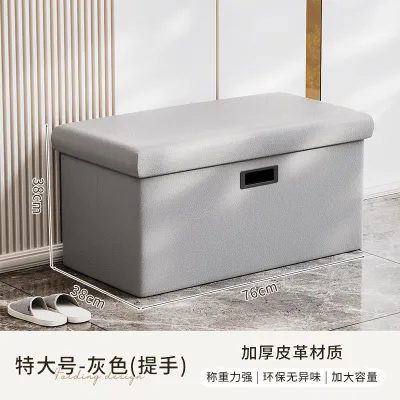
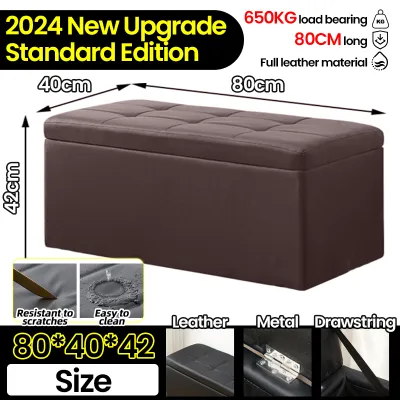
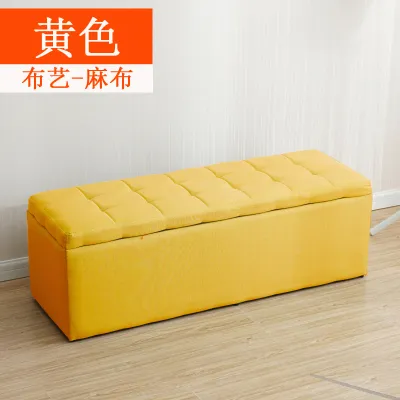
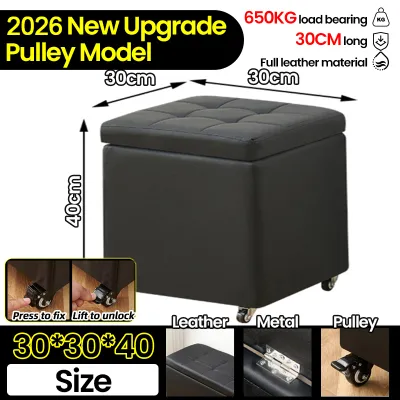
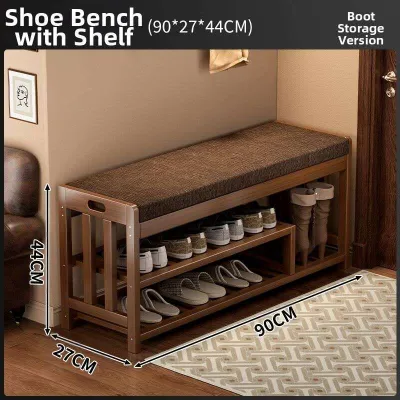
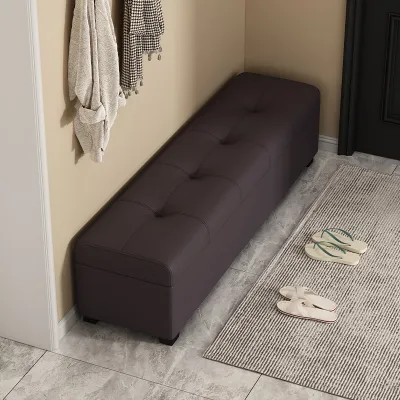
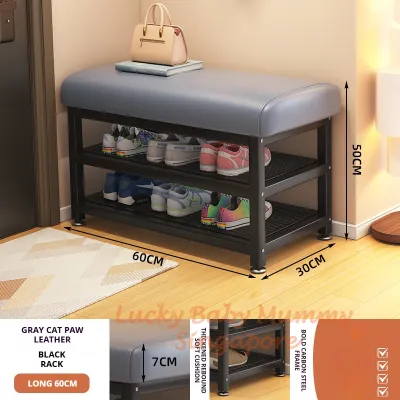
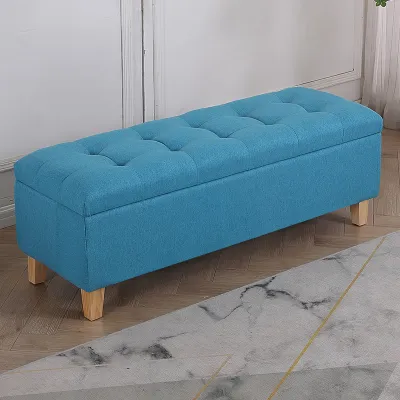
Prices are valid at publication and may change. Please refer to the product page for the latest price.
Structural integrity is non-negotiable for furniture that functions as active seating. Examine the frame materials and joint construction to ensure the bench can support adult weight without bowing or wobbling. Solid wood frames, high-grade plywood, and welded steel bases offer the highest stability. Avoid flimsy particleboard bases that rely solely on small wooden dowels or glue, especially if the bench will be sat on daily or used as a step stool to reach high cabinets.
Finally, check the physical dimensions of the bench against standard furniture heights in your home. A dining bench must have a seat height of approximately 45 cm to 48 cm to align comfortably with standard dining tables. Entryway benches should remain shallow, typically between 30 cm and 35 cm deep, to prevent blocking narrow corridors. End-of-bed benches should sit slightly lower than or level with the top of your mattress to maintain a clean, visually open line of sight in the bedroom.
Recommended Bench with Storage Types by Living Zone
Zoning is a fundamental concept in small-space interior design. Instead of scattering storage haphazardly, assigning a specific type of bench with storage to a dedicated zone—such as the entryway, bedroom, living room, or dining nook—creates distinct functional areas. This structured approach ensures that every square meter of your apartment works efficiently to support your daily routines.

Entryway Shoe Storage Benches with Ventilated Seating
Entryway benches must keep daily footwear organized while providing a stable place to sit while putting on or removing shoes. The ideal configuration features slatted doors, mesh panels, or open-grid shelving. This ventilation is essential in Singapore’s humid climate to promote continuous airflow, which prevents sweat-induced odors, dampness, and mold growth on leather or canvas footwear. A sturdy top cushion upholstered in a wipeable material, or a smooth solid wood seat, offers a comfortable and practical spot for daily use.
Because HDB foyer corridors are notoriously narrow, depth constraints are a major consideration. Keep the bench depth within 30 cm to 35 cm to maintain an unobstructed pathway. Before finalizing your choice, measure the swing radius of your front door and any nearby utility or DB (distribution board) doors. The bench must sit completely outside these active swing zones to prevent physical collisions and daily frustration.
While highly effective for shoe organization, these benches have clear limitations. The internal shelving partitions and low height mean they are not suited for storing bulky household items, large sports equipment, or tall boots. They are specialized tools for high-frequency, low-profile entryway storage.
Bedroom End-of-Bed Benches with Deep Hidden Compartments
In the bedroom, a storage bench situated at the foot of the bed maximizes space that is often left empty. When choosing between lift-top lids and front-opening drawers, consider your room’s clearance. Lift-top lids offer wide, unobstructed access from above, making them excellent for storing bulky items like extra pillows, bedsheets, and heavy blankets. However, they require you to stand up and clear any items off the seat before you can open the lid. Front-opening drawers or pull-out baskets allow access without disturbing the top surface, but they require significant forward clearance space to pull out fully, which can block narrow bedroom walkways.
Upholstery selection is critical for bedroom hygiene and comfort. Select fabrics that resist dust accumulation and are easy to clean in a sleeping environment. Synthetic blends, performance linen, or treated faux leather are highly suitable. Avoid high-pile or heavily textured fabrics that easily trap dust mites, pet dander, and lint, which can degrade indoor air quality over time.
Proportions matter when pairing a bench with your bed. Measure the height of your mattress platform; the bench should sit slightly lower than or level with the top of the mattress, typically between 40 cm and 50 cm. A bench that rises higher than the bed blocks the visual line of sight, making a small bedroom feel cramped and physically obstructing movement around the foot of the bed.
Living Room Lift-Top Convertible Coffee Table Benches
For living rooms where space is too limited to accommodate both a coffee table and a dedicated study desk, a lift-top convertible bench is an excellent solution. These multi-functional units feature lids that lift upward and forward on mechanical hinges, converting a low coffee table or bench into an elevated desk or dining surface. High-quality gas struts or spring-assisted pneumatic lifters are crucial for safety, ensuring smooth, controlled movement and preventing the heavy top from crashing down unexpectedly.
This design is highly effective in compact living rooms, providing low-profile seating or a footrest when closed, a coffee table for daily use, and a stable laptop workstation when extended. The hollow base of the bench offers deep, hidden storage for board games, electronic accessories, and remote controls, keeping the living room clutter-free.
However, users must respect the weight limits on the extended surface, which typically range from 10 kg to 15 kg when lifted. Because the weight shifts forward when the top is raised, the base of the bench must be sufficiently heavy or weighted down with stored items to prevent the entire unit from tipping forward when you lean on the elevated surface.
Tuck-Away Foldable Benches for Compact Dining Nooks
Dining areas in small apartments must often adapt to different household needs. Backless, minimalist benches are highly efficient because they can be slid completely underneath a dining table when not in use, instantly freeing up floor space for walking paths. Foldable models can be collapsed flat and stored inside a utility closet, behind a sofa, or against a wall, making them ideal temporary seating options when hosting guests.
There is a direct trade-off between portability and stability in foldable designs. Lightweight materials like aluminum or thin engineered wood make foldable benches easy to move and store, but they offer less stability under heavy loads. Solid wood or heavy steel-framed folding benches provide superior stability and a higher weight capacity, but they are heavier and more cumbersome to fold and transport.
Safety is paramount when using foldable furniture. Always verify the presence of secure locking pins, safety latches, or heavy-duty hinges on foldable legs. These safety features lock the legs firmly in place when extended, preventing the bench from accidentally collapsing under lateral movement or uneven weight distribution.
Crucial Hardware and Safety Mechanisms to Verify
Because multi-functional furniture relies on moving parts, inspecting the hardware is essential for safety and longevity, especially in households with children or pets. Look for soft-close, slow-close, or friction hinges on any lift-top or chest-style bench with storage. These specialized mechanisms resist gravity, slowing down the lid’s descent to prevent finger-pinching accidents. They also prevent loud slamming noises that can disturb neighbors in high-density residential blocks.
High-quality pneumatic gas struts should provide smooth resistance when opening and closing. Test the lid to ensure it can support its own weight and remain open at various angles (such as 45 to 90 degrees) without falling. If the lid requires significant physical effort to lift or drops instantly when released, the struts may be under-rated or worn out, posing a safety hazard.
Convertible or tall storage benches must have a low center of gravity to prevent tipping. For models that expand or feature heavy drawers, check if the manufacturer provides wall-anchoring hardware. If the bench is placed free-standing, ensure the heaviest items are stored in the bottom compartment to keep the base stable and prevent it from toppling when weight is applied to the edge.
To minimize physical hazards, prioritize designs with cut-out handles, recessed pulls, or a built-in finger gap (a continuous space between the lid and the frame). These design elements ensure that even if the lid closes quickly, there is a physical clearance space that prevents fingers from being trapped or crushed.
Step-by-Step Space Measurement and Clearance Guide
To avoid purchasing a bench that does not fit your space or block walkways, follow this systematic measurement process before buying:
- Measure the Floor Space and Skirting Boards: Use a metal measuring tape to measure the absolute width and depth of the allocated floor space. Subtract at least 1.5 cm to 2 cm on each side to account for wall skirting boards or baseboards, which prevent furniture from sitting completely flush against the wall.
- Map the Active Zone: A bench with storage does not just occupy its static footprint. You must account for the "active zone"—the space required to utilize its functions. For drawer-style benches, measure the depth of the bench plus the full extension length of the drawers, adding an extra 45 cm of clearance for a person to stand or kneel in front of it. For lift-top benches, ensure there is vertical clearance and that the lid does not hit wall-mounted shelves, TVs, or artwork when fully opened.
- Verify Delivery Access Constraints: High-rise living in Singapore means furniture must navigate communal spaces before reaching your home. Measure the height, width, and diagonal clearance of your apartment building's elevator door and interior cabin. Additionally, measure tight stairwell turns, the front door frame clearance, and any narrow hallway corners inside your unit to guarantee the fully assembled bench (or its packaging) can be brought inside safely.
- Visualize with Painter's Tape: Before finalizing your purchase, use blue painter's tape or newspaper to outline the exact footprint of the bench on your floor. Leave the tape in place for a day or two to physically experience how the bench impacts daily foot traffic and visual space in the room.
Care and Maintenance for Moving Parts and Upholstery
To ensure your storage bench lasts in Singapore’s humid climate, establish a regular care and maintenance routine. For upholstery care, first refer to the manufacturer’s care instructions. Maintain fabric or leather surfaces by vacuuming them weekly using a soft brush upholstery attachment to remove dust, skin cells, and loose fibers. For spills, spot-clean immediately using a clean, damp microfiber cloth and a mild, pH-neutral detergent approved for the specific material. Always perform a quick spot test on a hidden area before applying any cleaning solution to prevent discoloration.
Metal hinges, pivots, and gas struts can collect dust and moisture over time, leading to squeaking or stiffness. Wipe down metal hardware with a dry microfiber cloth to remove dust. If joints become stiff, apply a tiny drop of light, non-staining silicone lubricant or machine oil directly to the moving joints, wiping away any excess immediately to prevent it from dripping onto the wood or fabric. Do not apply lubricants to the gas strut pistons themselves, as this can damage the internal seals.
Singapore’s tropical, highly humid climate can cause solid wood frames to warp, engineered wood to swell, and metal parts to rust. Maintain consistent room ventilation by opening windows daily or using a dehumidifier in enclosed spaces like bedrooms. Avoid placing the bench in direct contact with wet floors or in areas prone to condensation, such as directly beneath an air conditioning unit.
The mechanical action of sitting, opening lids, or folding legs exerts continuous vibration and stress on screws and bolts. Every six months, inspect the underside of the bench and use an Allen key or screwdriver to gently tighten any loose hardware. This simple check prevents structural wobble, squeaking, and premature wear on the frame joints.
Frequently Asked Questions (FAQ)
What is the minimum weight capacity for a bench used as daily seating?
For daily seating by adults, look for a bench with storage that specifies a static weight capacity of at least 100 kg to 120 kg for a single-seater, or 200 kg to 240 kg for a multi-person bench. Frame construction is the key indicator of capacity: solid wood, reinforced steel, and high-density plywood frames offer reliable support. Avoid using lightweight storage ottomans made of thin, hollow fiberboard or unsupported plastic bases for daily, active seating, as these materials are prone to bowing, cracking, or collapsing over time under regular load.
How can I prevent a lift-top storage bench from slamming shut?
Preventing a heavy lift-top lid from slamming requires proper mechanical resistance. If your current bench slams shut, it is typically due to worn-out, low-quality, or under-rated hinges. The most effective solution is to choose a bench pre-equipped with pneumatic gas struts or soft-close tension hinges that actively slow down the lid’s descent. If you need to upgrade or repair an existing bench, always replace faulty hardware with compatible, manufacturer-approved replacement parts that match the weight of your specific lid, rather than attempting unverified DIY modifications that could compromise structural safety.
Community discussion
Share your experience or ask a question. Comments are reviewed before publication.