
Selecting the right foldable trolley for a compact Housing & Development Board (HDB) flat requires balancing daily utility with strict spatial limits. In a home where every square meter is carefully allocated, a bulky utility cart can quickly turn from a helpful tool into an obstructive nuisance. The features that matter most are an ultra-slim folded profile, multi-directional maneuverability, and a lightweight, moisture-resistant build that handles household chores without demanding dedicated floor space.
To find a model that fits your lifestyle, you must prioritize finished dimensions, load capacity, and wheel design. By focusing on how a trolley folds, rolls, and stores, you can ensure it serves as a practical space-saving solution rather than an awkward obstacle in your living area.
Assessing Your HDB Space and Trolley Dimensions
Before purchasing any utility cart, you must determine the physical constraints of your home to ensure the trolley fits both when in use and when stored. HDB flats often feature specific layouts with narrow entryways, compact service yards, and designated household shelters. Start by measuring the exact dimensions of your intended storage spot, whether that is the gap between your washing machine and the wall, the space under a bed frame, or a tight corner in your storeroom. Note the maximum depth, width, and height available to establish the absolute limit for the trolley’s folded footprint.
Products mentioned in this guide
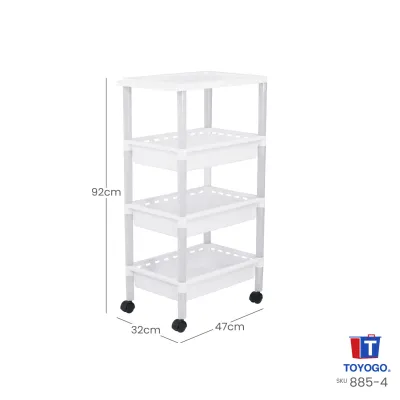
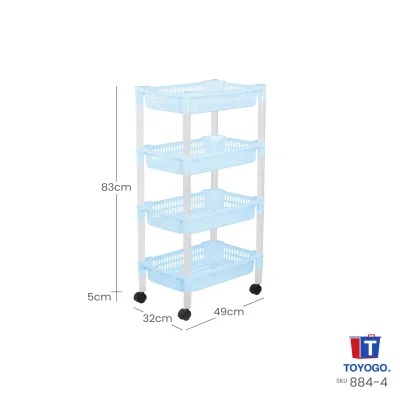
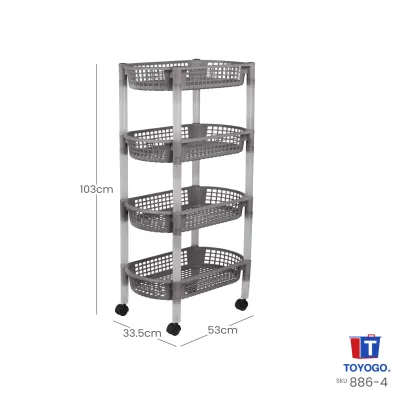
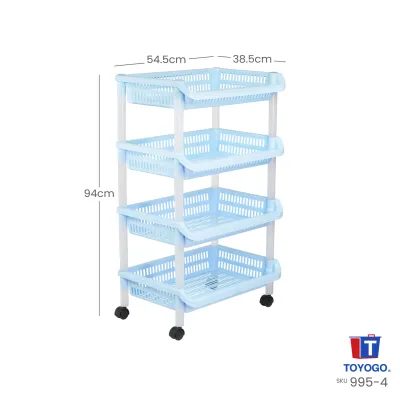
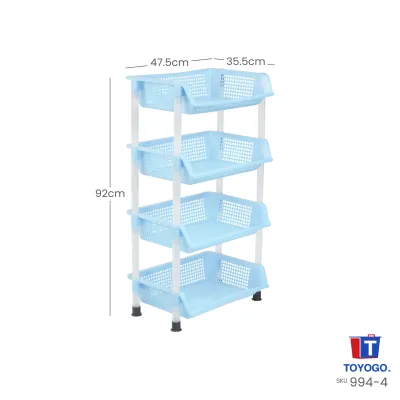
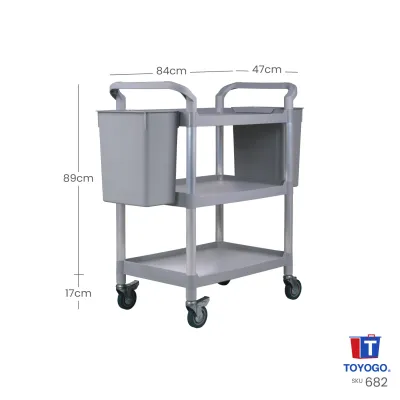
Prices are valid at publication and may change. Please refer to the product page for the latest price.
Next, evaluate the transit paths within and leading to your flat. Measure the clearance of your main doorway, the turning angles of your internal corridors, and the dimensions of your estate’s elevator if you plan to use the trolley for grocery runs from the ground floor. A trolley that cannot easily pivot around a tight hallway corner or fit comfortably inside a standard lift alongside other passengers will cause constant frustration. Comparing the trolley’s folded and unfolded dimensions against these real-world physical boundaries ensures a proper fit before you make a purchase.
Crucial Foldable Trolley Features for Small Spaces
Maximizing utility in a compact layout requires a close look at specific design elements. The folding mechanism is the most critical factor in determining how much space the cart occupies when not in use. Flat-fold designs allow the wheels and handle to collapse completely flush against the platform, reducing the overall thickness to just a few centimeters. This profile is ideal for sliding into narrow gaps. In contrast, nested or partially folding designs often retain their wheel height or handle bulk, making them more difficult to conceal in a small flat.

Wheel configuration directly impacts how easily you can navigate tight household corridors. Look for trolleys equipped with 360-degree swivel casters, which allow the cart to turn on a dime in narrow kitchens or bathrooms. At least two lockable wheels are essential for stability, especially when loading or unloading heavy items on the slightly sloped floors of HDB service yards. Additionally, consider the handle design; a telescoping or folding handle that retracts fully into the frame minimizes the stored profile and prevents the cart from snagging on clothing or curtains when tucked away.
Evaluating Toyogo Trolley Options for Compact Living
Toyogo is a familiar brand in Singapore, widely recognized for its durable plastic storage solutions. When evaluating a Toyogo trolley, pay close attention to the structural footprint of the specific model you are considering. Many of these utility carts feature a heavy-duty plastic platform that naturally resists rust and moisture—a critical advantage in Singapore’s humid climate. However, because plastic platforms vary in thickness, you should physically inspect the folding behavior to ensure the hinges and brackets collapse cleanly without unnecessary bulk.
Always check the stated weight capacity on the product label against the physical size of the plastic construction. While plastic is lightweight and easy to lift over door thresholds, you must verify that the load rating matches your intended use, whether that involves moving heavy water cartons, laundry baskets, or storage boxes. Inspect the underside of the platform for molded reinforcement ribs, which provide structural rigidity and stability under load. Finally, verify the wheel and handle specifications on the product label to ensure they meet your measured clearance and maneuverability requirements.
Common Sizing and Storage Mistakes to Avoid
One of the most common mistakes is assuming all foldable trolleys are equally slim when collapsed. Many buyers overlook the folded thickness, failing to realize that protruding wheels, bulky hinge joints, or fixed handle brackets can prevent a cart from sliding under a standard sofa or bed frame. Always measure the thickest point of the folded unit rather than relying solely on the manufacturer’s platform thickness specification.
Another frequent oversight is ignoring the extended handle height and its relation to your storage setup. If you plan to store the trolley upright inside a utility closet or under a low shelf, an excessively long or non-retractable handle can block overhead shelves or prevent cabinet doors from closing properly.
Finally, buyers often miscalculate the turning radius required for narrow kitchen or bathroom aisles. A trolley might fit down a hallway in a straight line, but if the wheels lack a full range of motion or if the wheelbase is too long, turning the cart around in a tight space becomes an awkward, multi-step struggle that can damage walls and baseboards.
Frequently Asked Questions (FAQ)
Can a foldable trolley be stored vertically on a wall?
Yes, but you must first check the trolley’s overall weight and structural balance before attempting to hang it. Review the manufacturer’s guidelines to ensure the frame can withstand being suspended from a hook without warping or damaging the folding joints. Additionally, verify that your wall material, such as concrete or reinforced drywall, and your chosen mounting hardware can safely support the static load of the trolley over time.
Do larger wheels make a foldable trolley harder to store?
Larger wheels generally improve mobility over uneven surfaces and door thresholds, but they also increase the folded thickness of the trolley. If you have extremely narrow storage gaps, compact casters are much easier to tuck away. You must balance your need for smooth rolling over household thresholds against the strict physical limits of your available storage space before deciding on a wheel size.

Community discussion
Share your experience or ask a question. Comments are reviewed before publication.