
Finding the right snacks storage rack for a compact HDB kitchen requires balancing tight spatial constraints with functional design. In Singapore’s typically snug apartment layouts, every square centimetre of floor space counts. A well-chosen rack not only keeps your favourite treats organised and accessible but also prevents kitchen clutter from spilling onto countertops or dining tables. To make an informed purchase, you must evaluate specific features such as precise physical dimensions, tier configurations, material durability under tropical conditions, mobility mechanisms, and critical safety factors.
By focusing on these essential features, you can select a storage solution that fits seamlessly into your daily routine. Let’s explore how to assess your kitchen space, choose the right specifications, and avoid common placement mistakes.
How to Measure and Map Your HDB Kitchen Space
Before browsing online marketplaces or visiting local furniture showrooms, you must accurately map out your kitchen’s physical layout. Compact HDB kitchens, especially in newer Build-To-Order (BTO) flats, often feature awkward layouts with limited open floor space. Look for underutilised “dead spaces” that can be reclaimed for storage. Common examples include the narrow gap between your refrigerator and the adjacent cabinetry, unused corners near the service yard entrance, or the empty space beneath a kitchen counter overhang.
Products mentioned in this guide
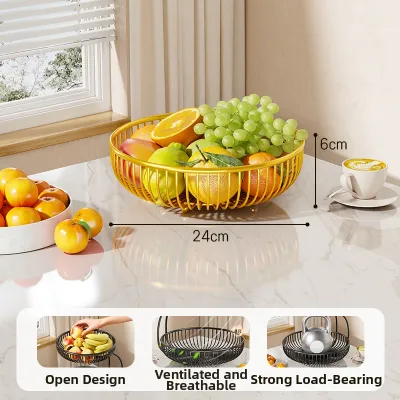
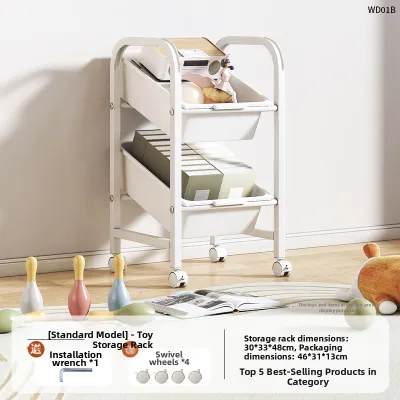
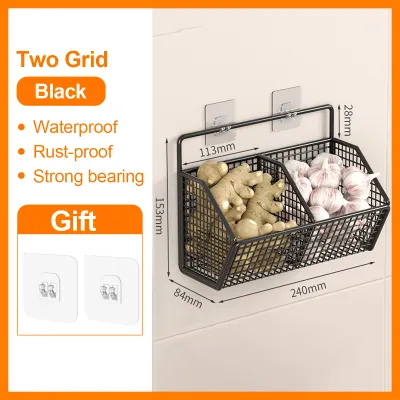
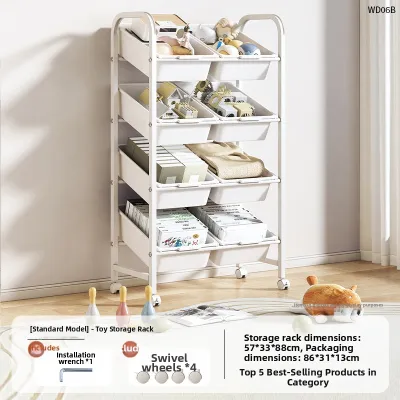
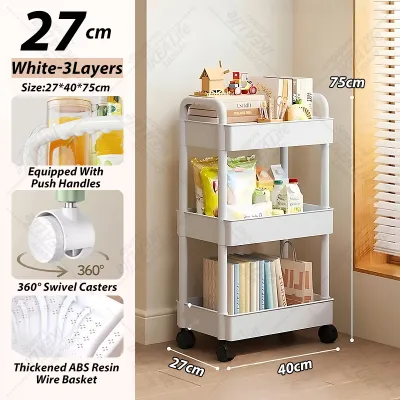
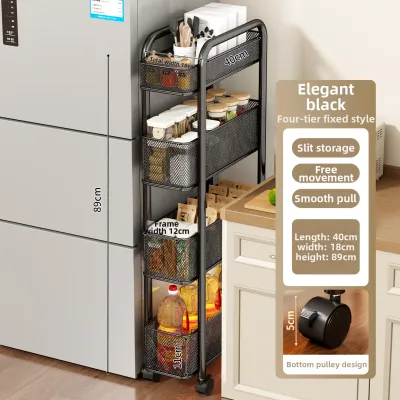
Prices are valid at publication and may change. Please refer to the product page for the latest price.
Once you identify a potential spot, use a metal measuring tape to record the exact width, depth, and height of the area. Do not rely on visual estimates, as even a discrepancy of a few millimetres can prevent a storage unit from fitting. Measure the width at three different points: near the floor, in the middle, and near the top. Walls in residential units are not always perfectly plumb, and a gap that measures 20 centimetres wide at counter height might narrow to 18 centimetres near the floor.
When calculating the available width, always account for protruding architectural elements. Skirting boards along the base of the wall typically extend outward by 1 to 2 centimetres, directly reducing the usable floor width. Similarly, take note of wall-mounted power outlets, light switches, and plumbing pipes. If your snacks storage rack blocks a double-socket outlet, you may lose access to essential power sources for your small kitchen appliances.
Finally, evaluate the dynamic clearance of the surrounding area. Open the doors of your refrigerator, oven, built-in microwave, and dishwasher completely. Measure their swing paths to ensure that placing a storage rack in the vicinity will not obstruct these doors or create a physical bottleneck. The rack should allow for comfortable foot traffic, enabling you to move freely through the kitchen during meal preparation.
Key Dimensions and Tier Configurations for Snack Storage
To maximise your storage capacity without overcrowding your kitchen’s footprint, you must find the right balance between a narrow base and vertical height. Slim storage racks are specifically designed to slide into tight gaps, often featuring widths ranging from 12 to 20 centimetres. While these narrow units occupy minimal floor space, they rely heavily on vertical tiers to provide adequate storage volume.

Evaluate your storage needs based on common tier configurations:
- 3-Tier Racks: These units typically stand between 75 and 85 centimetres tall, making them ideal for sliding directly underneath standard HDB kitchen countertops. They offer convenient, out-of-sight storage but have limited capacity for large households.
- 4-Tier Racks: Standing around 100 to 120 centimetres high, these racks offer a balanced compromise, providing ample storage for a moderate collection of snacks while remaining easy to reach for all family members.
- 5-Tier Racks: These tall units range from 130 to 150 centimetres in height. They maximise vertical wall space efficiently but require careful organization to ensure they do not become top-heavy or unstable.
Adjustable shelf heights are a crucial feature to look for in any multi-tier rack. Snack packaging is highly diverse, ranging from tall, rigid cereal boxes and large plastic beverage bottles to flat, lightweight multipacks of potato chips and small chocolate bars. Fixed-height shelves often lead to wasted vertical space, forcing you to store tall items horizontally, which increases the risk of spills. Adjustable shelving allows you to customise the distance between each tier, ensuring that every centimetre of height is utilised efficiently.
Before finalizing your choice, always verify the manufacturer’s stated weight capacity per shelf. Storing bulk items like canned drinks, glass jars of spreads, or heavy metal biscuit tins can quickly add up in weight. A standard lightweight plastic shelf may bow or buckle under a load of more than 5 kilograms, whereas a reinforced metal shelf might support up to 15 kilograms. Check the product specifications carefully to ensure the rack can safely support your typical grocery haul without structural sagging.
Choosing Durable Materials for Singapore's Tropical Kitchens
Singapore’s tropical climate presents unique challenges for kitchen furniture. High relative humidity levels, which often exceed 80 percent, combined with the heat and airborne grease from daily cooking, can rapidly degrade low-quality materials. Choosing the wrong material can lead to premature rust, mold growth, or structural warping.
Consider how common materials perform in a humid kitchen environment:
- Powder-Coated Metal: Carbon steel or iron racks finished with a protective powder coating offer excellent structural strength and resistance to heavy loads. The baked-on polymer finish acts as a barrier against moisture and grease, making it highly durable. However, if the coating chips or scratches, the underlying metal becomes vulnerable to rust.
- High-Density Plastic: Racks made from high-density polyethylene (HDPE) or polypropylene are completely impervious to moisture, rust, and mold. They are lightweight, budget-friendly, and incredibly easy to wash. On the downside, plastic racks may lack the premium aesthetic of metal or wood and can warp if exposed to heavy loads over extended periods.
- Treated Bamboo or Hardwood: Engineered wood, bamboo, or solid timber can add a warm, natural aesthetic to your kitchen. However, untreated wood absorbs moisture easily, leading to swelling, warping, and mold. If you prefer a wooden look, ensure the product description explicitly states that the material has been treated with a water-resistant, food-safe sealant or polyurethane coating.
Proper ventilation is another vital factor in keeping your snacks fresh. Solid, enclosed shelves trap warm, humid air, which can cause packaged crackers to go stale quickly, chocolates to melt, and root vegetables to rot. Opt for shelves featuring wire mesh, perforated patterns, or slatted designs. These openings promote continuous airflow around your food items, helping to maintain a cooler, drier microclimate that preserves snack quality.
Remember that a material name alone does not guarantee long-term performance. Always read the manufacturer’s care instructions and product labels to confirm that the unit has undergone specific rust-proof, anti-corrosive, or moisture-resistant treatments suitable for high-humidity environments.
Evaluating Mobility and Space-Saving Mechanisms
In a tight HDB kitchen, adaptability is key to maintaining an efficient workspace. Static furniture can make cleaning and reorganising difficult, whereas dynamic features allow your storage rack to adapt to your changing daily needs.
Lockable caster wheels are highly beneficial for slim, deep racks designed for narrow gaps. A rolling rack can be effortlessly pulled out like a drawer when you need to restock snacks or clean the floor beneath it, and then glided back into its nook out of sight. When choosing a wheeled rack, ensure that at least two of the casters feature reliable locking brakes. Locking the wheels prevents the rack from rolling unexpectedly when you reach for an item, ensuring overall stability.
For households that only require extra storage occasionally, foldable or collapsible designs are an excellent option. These racks can be unfolded and set up within minutes to accommodate extra groceries during festive seasons like Chinese New Year, Hari Raya, or Christmas. Once the celebrations are over and the snack supply diminishes, the rack can be folded flat and tucked away behind a door or inside a utility closet, freeing up valuable floor space.
If you are unsure of your future storage requirements, consider modular or stackable units. These systems allow you to start with a compact, low-profile 2-tier setup. As your storage needs grow, or if you move to a larger home, you can purchase additional matching tiers to expand the unit vertically. This modularity prevents you from buying more furniture than you currently need, making it a highly cost-effective and space-saving strategy.
Common Sizing and Placement Mistakes to Avoid
Even with the right features, poor placement can lead to safety hazards, damaged appliances, or daily inconveniences. To ensure your snacks storage rack functions safely and effectively, avoid several common installation mistakes.
First, never place your storage rack too close to high-heat sources such as gas hobs, induction cookers, ovens, or air fryers. Excessive ambient heat can melt thin plastic packaging, ruin the texture of chocolates and confectionery, and accelerate the spoilage of perishable snacks. Furthermore, ensure the rack does not block the intake or exhaust ventilation grilles of your refrigerator. Restricting this airflow forces the refrigerator’s compressor to work harder, which increases your household electricity bills and can significantly shorten the appliance’s lifespan.
Second, address the tipping risks associated with tall, narrow furniture. A slim 5-tier rack has a high center of gravity and can easily tip over if it is loaded unevenly or if someone pulls on a top shelf. This risk is particularly high in households with young children or active pets. To mitigate this danger, look for racks that include anti-tip wall anchoring hardware, or ensure you place the heaviest items—such as canned drinks, bottled water, or heavy glass jars—on the bottom tier to create a stable, weighted base.
Finally, do not overlook the physical dimensions of protruding hardware when calculating your kitchen clearances. Product listings often specify the dimensions of the main shelving frame but omit the extra width added by push handles, decorative side hooks, or the outward flare of the caster wheels. A rack that is technically 15 centimetres wide might require 17 centimetres of clearance once you account for these external parts. Always allow for a comfortable buffer of 2 to 3 centimetres on all sides to prevent the rack from scraping against your cabinetry or walls.
Frequently Asked Questions (FAQ)
Can I place a snack storage rack right next to the refrigerator?
Yes, but you must maintain a safe distance. Always check your refrigerator manufacturer’s manual for the required clearance space on the sides and rear of the appliance, which is typically between 5 and 10 centimetres. Blocking these ventilation pathways traps heat, reducing the cooling efficiency of your fridge and increasing its energy consumption. Ensure your snack rack sits outside this designated clearance boundary.
How do I clean a wire snack rack in a greasy kitchen environment?
To clean a wire rack accumulated with kitchen grease, wipe it down using a soft microfiber cloth dampened with warm water and a mild dishwashing liquid or specialized kitchen degreaser. Avoid using steel wool, abrasive scrubbing pads, or harsh chemical solvents, as these can scratch or strip away the protective powder coating, exposing the underlying metal to rust. Dry the rack thoroughly with a clean towel immediately after cleaning.
Are adhesive wall-mounted snack racks safe for HDB kitchen tiles?
While heavy-duty adhesive racks offer a drill-free installation option, they carry risks for HDB kitchen tiles. Over time, the weight of the snacks combined with kitchen humidity can cause the adhesive to fail, leading to falling racks. Additionally, removing strong adhesives can chip tile glaze or damage grout lines, which is a key concern for rental units. For heavy snack storage, freestanding racks, tension-mounted poles, or over-the-door organisers are safer alternatives.

Community discussion
Share your experience or ask a question. Comments are reviewed before publication.