
Finding an authentic Japanese futon mattress, traditionally known as a shikibuton, in Singapore requires navigating a unique market of imported traditional bedding and modern hybrid alternatives. Because Singapore’s tropical climate and high-density housing present distinct challenges like high humidity and limited living space, selecting the right mattress involves more than just picking a brand. You must carefully evaluate material compositions, firmness levels, and maintenance requirements to ensure a comfortable and hygienic sleep environment. Traditional futons offer a firm, floor-aligned sleeping experience that promotes spinal alignment, while modern adaptations incorporate advanced foam layers to provide extra pressure relief. By understanding how these options perform in local conditions, you can make an informed decision that suits your sleep style and home layout.
Understanding Shikibuton: Traditional vs. Modern Futons
To make an informed purchase, you must first understand the fundamental differences between a traditional Japanese shikibuton and the modern hybrid futons commonly found in Singaporean retail stores. A traditional shikibuton is a minimalist mattress filled with multiple layers of carded natural cotton batting, encased in a durable cotton shell. These mattresses are designed specifically for floor-sleeping, offering a highly supportive, firm surface that conforms slightly to the body over time. In Japan, they are laid on tatami mats, which provide a small amount of natural springiness, and are folded and stored away in closets every morning to keep the living space clear. This daily folding and airing routine is essential, as it prevents the natural cotton fibers from packing down permanently and allows trapped body moisture to evaporate.
In contrast, modern hybrid futons have evolved to cater to contemporary lifestyles and Western-style bed frames. These hybrids often feature a multi-layered core that combines natural cotton or wool batting with high-resilience polyurethane foam, natural latex, or even pocket springs. The addition of these synthetic or semi-synthetic cores provides a more cushioned feel, making them highly appealing if you find traditional cotton mattresses too hard. Furthermore, hybrid models do not require the same rigorous daily folding routine as traditional shikibutons, making them a practical choice if you plan to use them on a standard slatted bed frame rather than directly on the floor.
Products mentioned in this guide
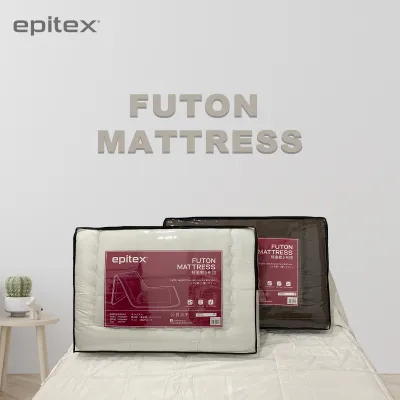

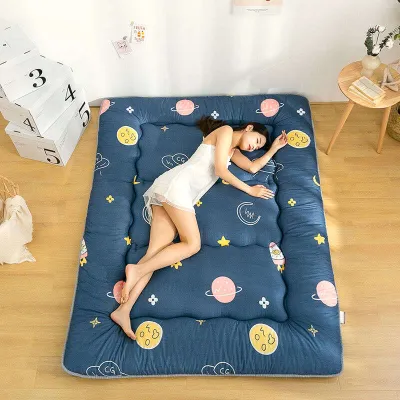
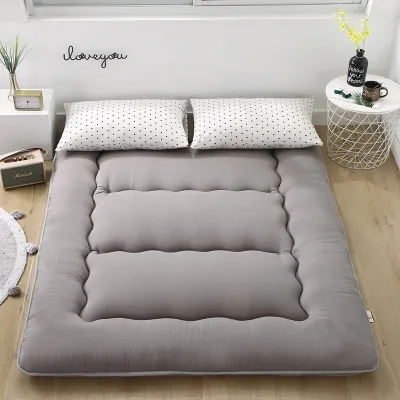
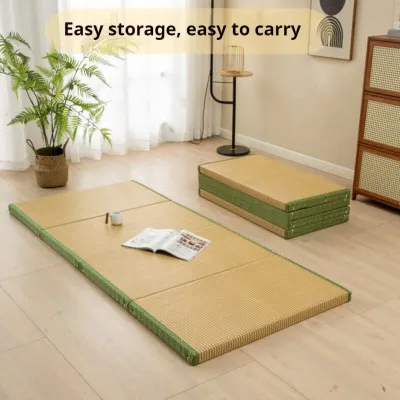
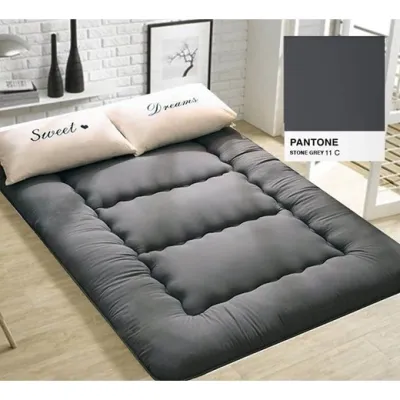
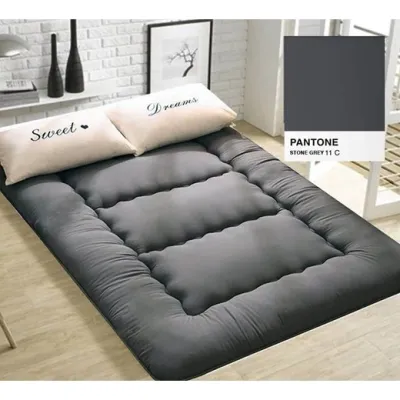
Prices are valid at publication and may change. Please refer to the product page for the latest price.
When comparing these two types, physical handling and storage are critical factors to consider, especially in typical Singaporean apartments where space is at a premium. Traditional cotton futons are relatively lightweight, usually weighing between three and seven kilograms, and are highly flexible. They can easily be folded into three sections and tucked into a wardrobe or storage bench. Modern hybrid futons, particularly those with thick foam or pocket spring cores, are significantly heavier and stiffer. They may only fold in half or not at all, requiring a dedicated storage space or remaining permanently on a bed frame. Before choosing, measure your available storage areas and assess your physical ability to lift and fold the mattress daily.
How to Choose the Right Firmness Level
Selecting the correct firmness level for a Japanese futon is a highly subjective process that depends heavily on your preferred sleeping position, body weight, and the surface on which the mattress will be placed. It is important to realize that the foundation beneath your futon plays a major role in how firm it feels. If you place a traditional cotton futon directly on a hard tiled or vinyl floor, the surface will feel exceptionally firm because there is no flexible base to absorb your body weight. If you prefer a slightly softer feel, placing the same futon on a traditional woven tatami mat or a flexible wooden slatted frame will introduce a subtle bounce and reduce the perceived hardness.

Your sleeping position is the most critical factor when matching firmness to your body’s needs. Back and stomach sleepers generally thrive on the firm, flat support of a traditional shikibuton. This firmness prevents the pelvis from sinking too deeply into the mattress, which helps maintain the natural alignment of the spine and reduces lower back strain. Side sleepers, however, face a different challenge. Because a traditional cotton futon offers minimal sinkage, side sleepers may experience painful pressure points on their shoulders and hips, leading to poor spinal alignment. If you are a side sleeper, you should look for a modern hybrid futon that incorporates a softer comfort layer, or consider using a secondary underlay mattress beneath your traditional futon to provide the necessary cushioning.
When researching brands, do not rely solely on generic terms like “medium” or “firm,” as these definitions vary widely between manufacturers. Instead, look for specific material specifications. For hybrid futons containing foam, check the density rating, which is measured in kilograms per cubic meter (kg/m³). High-quality, durable foam cores typically have a density of 30 kg/m³ or higher, indicating they will resist sagging and maintain their supportive properties over years of use. For traditional cotton futons, check the total weight of the cotton filling; a heavier filling weight generally indicates a denser, firmer mattress. Reading detailed customer reviews can also provide valuable insights into how the mattress compresses over time, helping you identify models that maintain their structural integrity without premature flattening.
Essential Features for Humid Climates
Singapore’s tropical climate, characterized by high temperatures and relative humidity levels that frequently exceed 80 percent, presents a challenging environment for bedding. Under these conditions, the moisture your body naturally releases during sleep can easily become trapped within the mattress fibers, creating an ideal breeding ground for mold, mildew, and dust mites. To ensure a healthy sleep environment, you must prioritize breathability and moisture management when selecting a futon.
The breathability of a futon is largely determined by its outer cover and inner filling materials. Natural fibers are highly superior to synthetic alternatives in managing moisture. Look for outer covers made from 100% organic cotton, linen, or bamboo-derived fabrics, which naturally wick moisture away from the skin and facilitate rapid evaporation. For the inner filling, traditional natural cotton and wool are excellent at absorbing moisture without feeling damp, provided they are allowed to air out regularly. If you opt for a modern hybrid futon with a foam core, ensure the manufacturer uses open-cell polyurethane foam, which allows air to circulate much more freely than dense, closed-cell memory foams that tend to trap heat and moisture.
Regular maintenance is non-negotiable when using a futon in a humid climate. Traditional Japanese care involves hanging the futon outdoors in direct sunlight to dry out the fibers and kill bacteria. However, in Singapore’s high-rise apartments, hanging a heavy mattress outside is often impractical or prohibited by building management. To adapt, look for alternative moisture-control solutions. Using a household dehumidifier in your bedroom, placing the futon on a raised slatted base to promote airflow underneath, or investing in a specialized electronic futon dryer can help keep your mattress dry. Additionally, look for futons that feature removable, machine-washable covers and verified anti-microbial or anti-dust mite treatments on the product label, which provide an extra layer of defense against tropical allergens.
How to Research and Verify Brands Locally
With the rising popularity of minimalist living, many products are marketed as “Japanese-style” futons, but they may lack the quality and authenticity of genuine Japanese craftsmanship. To avoid purchasing low-quality counterfeits, you must adopt a systematic approach to researching and verifying brands available in Singapore. Start by identifying authorized furniture retailers, official brand showrooms, and specialized bedding boutiques that have a physical presence in the local market. Visiting a physical showroom is highly recommended, as it allows you to feel the weight, inspect the stitching, and test the actual firmness of the mattress before making a financial commitment.
When evaluating a futon in person or online, carefully examine the product labels and manufacturer documentation to verify its country of origin and material composition. Authentic Japanese futons are often handcrafted in specialized workshops in Japan and will carry clear labels indicating they were made in Japan. Check the law tag for a detailed breakdown of the filling materials; a genuine traditional shikibuton should list 100% cotton or a high-quality cotton-wool blend, rather than generic polyester or synthetic batting. Be skeptical of brands that use vague marketing terms without providing specific material specifications or certifications.
Finally, compare the customer service policies offered by different retailers in Singapore. Because transitioning to a floor-sleeping system can require an adjustment period for your body, check if the brand offers a trial period or a flexible return policy, though keep in mind that many bedding items are non-returnable due to local hygiene regulations. Carefully review the warranty terms, paying close attention to what constitutes a structural defect. A reliable warranty should cover permanent sagging or indentation above a specified depth for several years, giving you peace of mind that your investment is protected against premature wear.
Frequently Asked Questions (FAQ)
Can I sleep directly on the floor with a futon in a tropical climate?
Sleeping directly on a tiled, vinyl, or concrete floor in Singapore’s highly humid climate is not recommended because it poses a significant risk of mold and mildew development. When you sleep, your body heat warms the mattress, and the temperature difference between the warm mattress and the cold floor creates condensation underneath. To prevent moisture from accumulating, you should always place your futon on a breathable barrier, such as a traditional woven tatami mat, a low-profile slatted wooden base, or a specialized moisture-wicking underlay. These foundations create a crucial air gap that allows ventilation beneath the mattress. Furthermore, you must establish a daily routine of folding the futon and lifting it off the floor every morning to let both the floor and the underside of the mattress dry completely.
How do I maintain and clean a traditional cotton futon?
Maintaining a traditional cotton shikibuton requires regular physical care to preserve its loft, support, and hygiene. You should aim to air out the futon at least once a week by placing it in a sunny indoor spot, such as near a large window, or by using an electronic futon dryer to remove deep-seated moisture. Using a traditional bamboo futon beater or gently tapping the mattress helps loosen dust and redistributes the compressed cotton fibers, restoring some of its natural fluffiness. For routine cleaning, use an upholstery vacuum cleaner equipped with a high-efficiency particulate air (HEPA) filter to thoroughly vacuum both sides of the mattress, removing dust mites and dead skin cells. Never saturate the cotton core with water or liquid cleaners, as natural cotton takes a very long time to dry and will easily mildew; for deep stains, seek professional dry cleaning services experienced with natural fiber bedding.
Will a Japanese futon fit standard local bed frames?
A traditional Japanese futon may not fit standard Singaporean bed frames perfectly due to differences in regional sizing standards. Traditional Japanese single futons typically measure 100 cm wide by 210 cm long, which is longer and wider than a standard Singaporean single mattress, which typically measures 91 cm wide by 190 cm long. Consequently, a Japanese futon may hang over the edges of a local single bed frame or bunch up inside a framed bed base. If you plan to use a futon on an existing bed frame, you must carefully measure the interior dimensions of the frame, checking the lip height and slat spacing. To avoid compatibility issues, consider purchasing a matching Japanese-standard frame, using a flat platform bed without raised edges, or opting for a modern hybrid futon that has been specifically sized for the local Singaporean market.

Community discussion
Share your experience or ask a question. Comments are reviewed before publication.