
A Japanese tatami bed can be a safe and highly functional sleeping option for children, provided parents carefully verify its materials, structural design, and suitability for their child’s developmental stage. Because these beds sit very low to the ground, they naturally minimize the distance of a potential fall, making them a popular choice for families transitioning toddlers away from a crib. However, ensuring safety requires looking beyond the low profile to inspect the frame’s construction, the chemical safety of the finishes, and the precise fit of the mattress to prevent entrapment.
By understanding what to look for in terms of certifications, joint stability, and room layout, you can confidently determine if a tatami bed fits your home. In warm, humid climates, additional considerations like moisture control and ventilation are crucial to keeping the sleeping environment healthy. Taking a systematic approach to evaluating these factors will help you create a secure, comfortable, and culturally rich bedroom space for your growing child.
Understanding Fall Risks with Low-Profile Beds
A standard elevated bed frame can place a child’s sleeping surface 50 to 60 centimeters off the ground, which increases the risk of injury if they roll out of bed. A Japanese tatami bed, which typically positions the mattress just 10 to 30 centimeters above the floor, significantly reduces the potential kinetic impact of an accidental fall. This low height helps ease the transition from a crib, giving parents peace of mind during the active sleeping phases of early childhood.
Products mentioned in this guide
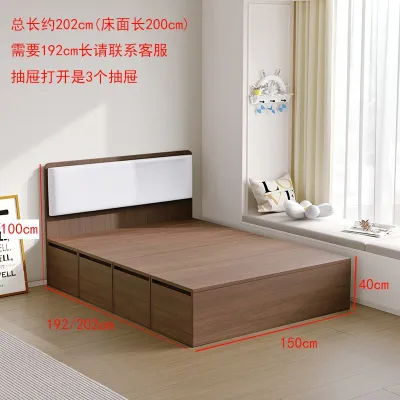

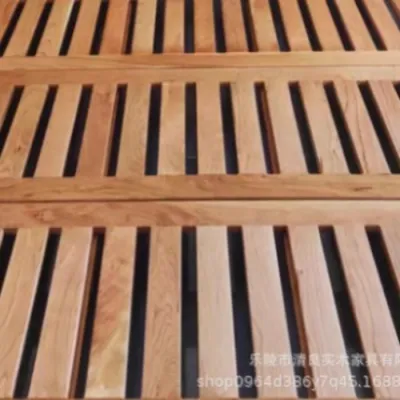
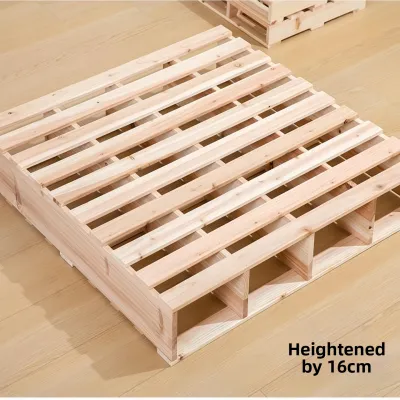
Prices are valid at publication and may change. Please refer to the product page for the latest price.
While the low height is inherently safer, the design of the bed frame’s edges requires close inspection. Some tatami frames feature a wide wooden border or a slightly raised lip designed to keep the tatami mat or mattress securely in place. You should check that these edges are rounded and smooth rather than sharp or angular. A raised lip that is too high can become a tripping hazard as your child climbs in and out of bed, while a completely flush design requires a secure non-slip underlay to prevent the mattress from sliding off.
Even a short fall onto a hard surface like ceramic tile, vinyl, or polished parquet can cause discomfort or minor injury. To maximize safety, plan the layout of the surrounding floor space by placing a soft, non-slip rug or a high-density foam play mat alongside the exposed sides of the bed. This cushioned landing zone provides an extra layer of protection during the initial weeks when your child is adjusting to the lack of crib rails.
Placing the bed against a wall can eliminate one open side, but it introduces a potential entrapment zone if a gap forms between the mattress and the wall. If you choose to position the bed against a wall, ensure the frame is pushed completely flush against the baseboard, and regularly check that no gaps have opened up. Alternatively, leaving a clear space of at least 30 centimeters between the bed and the wall allows your child to climb down safely on either side without getting wedged in a tight space.
Evaluating Material Safety and Off-Gassing
Traditional tatami mats are crafted from natural rush grass (igusa) woven over a compressed rice straw core or a modern wood-fiber board. While natural rush grass offers a pleasant scent and natural humidity-regulating properties, it requires diligent maintenance to prevent mold growth, particularly in humid environments. Synthetic tatami mats, often made from polypropylene or paper fibers, are highly resistant to moisture and easier to clean, making them a practical alternative for children with asthma or dust mite allergies.

The wooden frame supporting the tatami mats is often treated with varnishes, stains, or adhesives to protect the timber and ensure structural longevity. However, these chemical treatments can release volatile organic compounds (VOCs) into your child’s bedroom, compromising indoor air quality. When shopping, look for frames finished with water-based, non-toxic lacquers or natural plant oils, and verify that any engineered wood components meet low-formaldehyde emission standards, such as the CARB Phase 2 or EPA TSCA Title VI compliance.
Do not rely solely on marketing terms like “eco-friendly” or “all-natural,” as these are not legally binding or standardized. Request official product specifications or safety certifications from the retailer or manufacturer. Look for recognized third-party certifications such as OEKO-TEX Standard 100 for textiles, GREENGUARD Gold for low chemical emissions, or local environmental labels that verify the absence of harmful heavy metals, phthalates, and toxic flame retardants.
Even with low-VOC products, a new bed frame and tatami mat may emit a distinct natural or manufacturing scent when first unpacked. To ensure your child is not exposed to concentrated fumes, assemble the bed in a well-ventilated room without the child present. Allow the frame and mats to air out for several days near an open window or in a room with an active air purifier before introducing your child to the new sleeping setup.
Structural Integrity and Entrapment Hazards
Entrapment is one of the most critical safety hazards associated with children’s beds. When evaluating a tatami bed frame, inspect the spacing between the wooden slats, the headboard spindles, and the outer frame. To prevent a child’s head, neck, or limbs from becoming trapped, any gaps within the frame structure should be less than 6 centimeters or greater than 23 centimeters. This standard ensures that a child cannot slide their body through a gap only to have their head caught.
Children do not simply sleep on their beds; they also sit, play, and occasionally jump on them. A high-quality tatami bed must possess a robust weight capacity and reinforced joints to withstand these dynamic forces. Look for frames constructed from solid hardwoods or high-density birch plywood rather than lightweight particleboard. Examine the corner joints to ensure they are secured with heavy-duty steel brackets, dowels, or traditional Japanese joinery (such as mortise and tenon) rather than simple wood screws that can loosen over time.
Before allowing your child to use the bed, conduct a thorough physical inspection of every surface. Run your hands along the edges, corners, and underside of the frame to check for rough spots, splinters, or sharp edges. Ensure that all assembly hardware, such as bolts and screws, is fully countersunk or covered with protective caps so that it cannot snag your child’s clothing or scratch their skin during play.
Because tatami beds are low and often lack tall headboards or footboards, they can slide easily on smooth flooring when a child climbs in or jumps. Check if the bed frame is equipped with sturdy, non-slip rubber pads or felt protectors on the bottom of the legs or base. If the frame sits directly on the floor, adding a dedicated non-slip rug pad underneath the entire structure will prevent it from shifting and scraping your floors or creating unexpected gaps against the wall.
Age Appropriateness and Transitioning to a Floor Bed
It is vital to distinguish between the sleep safety requirements of infants and those of older toddlers. Infants under the age of one require an exceptionally firm, flat, and completely bare sleeping surface to eliminate the risk of sudden infant death syndrome (SIDS) and suffocation. Traditional tatami mats are firm, but standard adult mattresses or soft futons placed on top of them are not safe for infants. A low-profile tatami bed is best reserved for toddlers who are at least 18 to 24 months old and have outgrown their cribs.
Transitioning to a floor bed grants your child a high degree of independence, as they can freely get out of bed without assistance. This freedom requires a shift in how you view bedroom safety. Once your child is no longer contained by crib rails, the entire bedroom effectively becomes their bed. You must fully child-proof the room by anchoring heavy furniture (like wardrobes and chests of drawers) to the wall, covering electrical outlets, securing window blinds cords, and removing any small choking hazards or sharp objects from their reach.
If your child has a tendency to wander or sleepwalk, a floor bed makes it easier for them to leave their room undetected during the night. To manage this safely, consider installing a secure safety gate at the bedroom doorway or using a baby monitor to alert you when they get up. Ensuring that the hallway and adjacent spaces are free of tripping hazards and that external doors and staircases are securely locked is essential when transitioning to an open bed system.
Not every child is ready for a floor bed at the same age. If your child is experiencing severe sleep disturbances, frequent night terrors, or has specific physical mobility challenges that make pushing themselves up from a very low surface difficult, you may want to delay the transition. In such cases, consulting with your pediatrician or a pediatric sleep specialist can help you determine the most supportive and safe sleeping arrangement for your child’s unique developmental needs.
Pre-Purchase Safety Checklist for Japanese Tatami Beds
Before purchasing a tatami bed, measure your child’s bedroom carefully to ensure there is adequate clearance around the frame. Avoid placing the bed directly beneath windows, near curtain cords, or adjacent to wall-mounted heaters and electrical outlets. Ideally, maintain a clear pathway of at least 60 to 90 centimeters around the open sides of the bed to allow for safe movement and to prevent your child from bumping into other furniture if they roll out of bed.
A safe bed begins with correct assembly. Prior to buying, check if the manufacturer provides comprehensive, easy-to-follow assembly instructions and lists all required tools. Verify that the product documentation explicitly states the maximum weight capacity and outlines any specific maintenance routines required to keep the joints tight and stable. Avoid products that lack clear documentation, as poor assembly is a primary cause of structural failure.
Purchasing from a reputable retailer that offers robust customer support is a key safety safeguard. Confirm that the retailer has a clear return policy in case the bed arrives with manufacturing defects, such as warped wood, missing hardware, or cracked slats. Additionally, check if they offer replacement parts, which can be invaluable if a joint or slat becomes damaged during years of active use.
Traditional tatami mats require specific care to remain hygienic and structurally sound. Before committing to a purchase, ensure you are willing to perform the necessary maintenance, which includes regularly lifting the mats to air them out and vacuuming them with a specialized brush attachment. If your lifestyle or local climate makes this level of upkeep impractical, you may want to look for low-profile bed frames that utilize standard wooden slats instead of traditional woven mats.
Frequently Asked Questions (FAQ)
Can I use a standard mattress on a Japanese tatami bed frame?
Yes, you can use a standard mattress on a tatami bed frame, but you must verify that the mattress dimensions perfectly match the inner dimensions of the frame. Any gap wider than 3 centimeters between the mattress and the frame edge poses a serious entrapment risk for a child’s hands, feet, or limbs. Additionally, standard pocket spring or memory foam mattresses do not breathe in the same way traditional cotton futons do. If you place a standard mattress directly on top of tatami mats, you must regularly lift the mattress to prevent moisture from trapping between the two surfaces, which can lead to mold development.
How do I prevent mold growth under a tatami mattress?
Preventing mold is essential for maintaining a healthy respiratory environment for your child, especially in humid climates. To prevent moisture buildup, lift the tatami mats and the mattress at least once a month and prop them up in a well-ventilated area out of direct sunlight to dry. Keep the bedroom humidity levels low by using a dehumidifier or air conditioner, and ensure the room has consistent airflow. Avoid using wet cloths to clean the tatami mats; instead, use a dry microfiber cloth or a vacuum cleaner on a low setting, moving in the direction of the woven grass fibers.

Community discussion
Share your experience or ask a question. Comments are reviewed before publication.