
Investing in a luxury coffee table is more than an aesthetic upgrade; it is a commitment to a central anchor piece that defines your living space. In Singapore’s premium residential landscape, where high-density luxury apartments and landed properties demand both visual impact and spatial efficiency, this purchase represents a significant financial and design decision. Rather than relying solely on recognizable brand logos, a successful investment requires a systematic evaluation of material longevity, structural integrity, and environmental suitability. This guide provides a comprehensive framework to help you navigate the high-end furniture market, focusing on objective verification steps and structural assessments. By aligning designer heritage with the practical realities of local living, you can select a piece that retains its value and beauty for decades.
Defining True Luxury: Core Criteria for Coffee Table Investments
To distinguish genuine luxury from mere premium pricing, you must look closely at the raw materials and construction methods. True luxury begins with material integrity. When evaluating natural stone, such as marble, quartzite, or travertine, inspect the veining and surface treatment. Authentic luxury pieces often feature bookmatched slabs or continuous veining that flows seamlessly across the edges, indicating that the piece was cut from a single block. In contrast, mass-produced alternatives frequently use thin veneers or composite stone particles bonded with resin, which lack the depth, unique patterns, and structural weight of solid stone.
For wooden coffee tables, the distinction lies in the joinery and species. High-end furniture relies on solid hardwoods like walnut, oak, or teak, joined using traditional techniques such as mortise-and-tenon or dovetail joints. These methods allow the wood to expand and contract naturally without compromising the structural integrity of the table. Avoid pieces that rely heavily on metal brackets, staples, or industrial adhesives hidden beneath the surface, as these components tend to fail over time under load or environmental stress.
Products mentioned in this guide
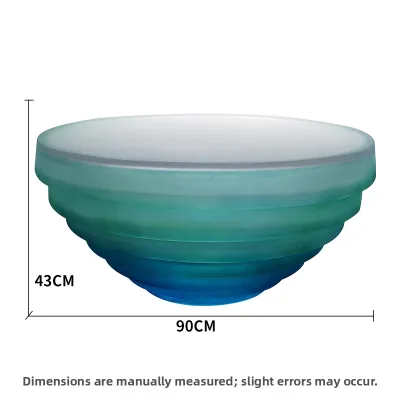
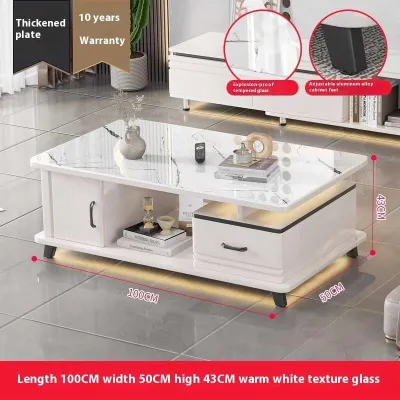
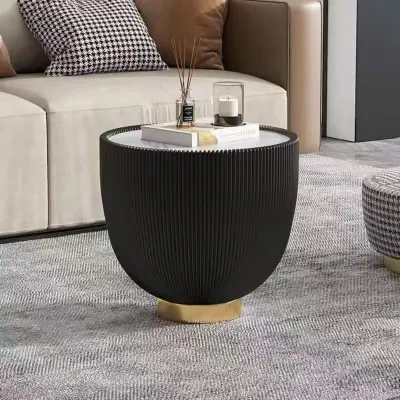
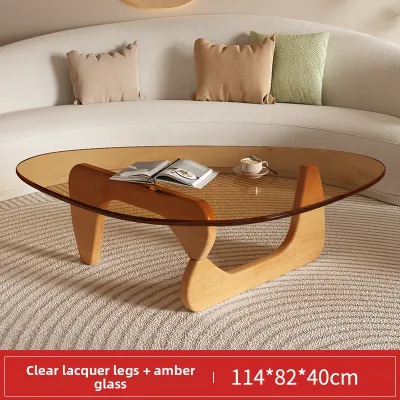
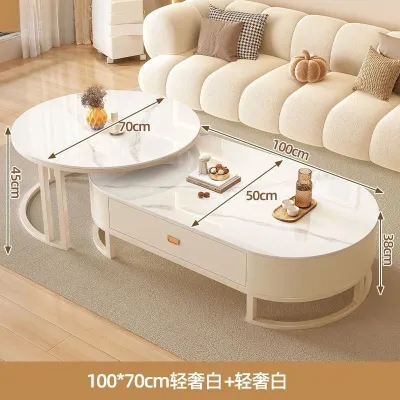
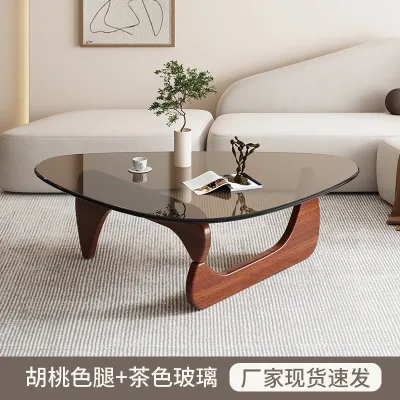
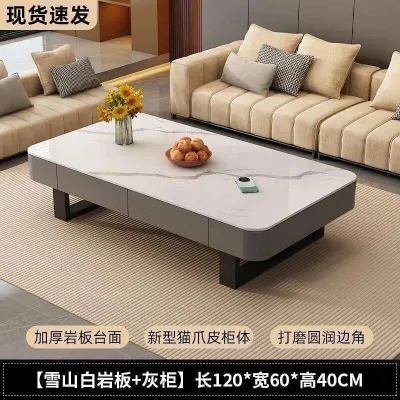
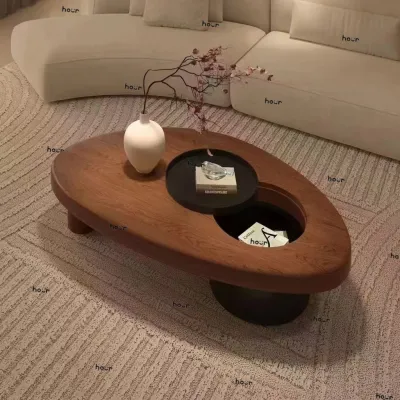
Prices are valid at publication and may change. Please refer to the product page for the latest price.
Metal elements in luxury coffee tables should also be scrutinized. Look for high-grade metals such as solid brass, cast bronze, or marine-grade stainless steel. These materials should feature hand-polished, brushed, or patinated finishes rather than cheap electroplating. A high-quality metal frame will feel substantial and show no visible weld lines or grinding marks at the intersections.
Design provenance is another critical pillar of luxury. Original designer credentials ensure that you are purchasing a piece with historical significance and artistic value. Many luxury brands collaborate with renowned architects and industrial designers to create iconic shapes that hold their value in the secondary market. When evaluating a piece, ask the showroom for documentation regarding the designer’s background and whether the design is a numbered edition or offers bespoke customization options. Customization, such as selecting specific stone slabs or adjusting metal finishes, is a hallmark of true luxury, allowing you to tailor the piece to your exact interior scheme.
Finally, examine the structural craftsmanship on hidden surfaces. Turn your attention to the underside of the table, the interior of drawers, and the joints where different materials meet. A luxury manufacturer finishes these areas with the same level of care as the visible top surface. Look for smooth, sanded undersides, neat sealing, and robust mounting hardware that distributes weight evenly across the base to prevent tipping or wobbling.
Adapting to the Local Environment: Space and Climate Checks
Singapore’s unique tropical climate and urban housing typologies introduce specific challenges that must be addressed before finalizing your purchase. Spatial proportions are paramount, especially in high-rise apartments where floor space is optimized. Before visiting a showroom, map out the exact footprint of your seating area. A standard rule of thumb is to leave approximately 30 to 45 centimetres of clearance between the coffee table and the surrounding sofas or armchairs. This ensures comfortable legroom while keeping the table within easy reach. Additionally, the height of the coffee table should align closely with the seat height of your sofa, typically within 5 centimetres, to maintain visual balance and ergonomic comfort.

The local climate, characterized by high relative humidity and consistent warmth, can be unforgiving to sensitive materials. If your living space is not continuously air-conditioned, materials like untreated wood, porous stones, and delicate leathers are susceptible to degradation. High humidity can cause solid wood to warp or split if it has not been properly seasoned and sealed. When selecting a wooden table, verify that it has been treated with a moisture-resistant finish, such as a high-quality polyurethane or specialized wax, and ask about the recommended reapplication schedule.
Porous stones like marble and travertine are highly sensitive to moisture absorption and acidic spills. In a humid environment, unsealed stone can develop deep stains or even mold within its microscopic pores. Ensure that any stone table you consider has been treated with a professional-grade penetrating sealer. For leather-wrapped or leather-accented coffee tables, humidity can lead to mildew growth and structural softening. Opt for top-grain or full-grain leathers that have been treated for tropical environments, and be prepared to maintain a consistent indoor climate.
Floor load limits are another critical consideration, particularly for exceptionally heavy materials like solid marble, cast concrete, or thick bronze. A large, solid stone coffee table can weigh upwards of 150 kilograms. While modern Singapore residential buildings are engineered to support substantial loads, it is essential to verify that your flooring material—whether engineered timber, delicate ceramic tiles, or natural marble—can withstand concentrated point loads without cracking or indenting. Using protective felt pads or custom sub-bases can help distribute this weight safely across a larger surface area.
Sourcing Reputable Brands: Navigating Showrooms and Authorized Dealers
Acquiring a luxury coffee table requires navigating a market where counterfeits and unauthorized parallel imports are common. To protect your investment, always source your furniture through established multi-brand luxury galleries or official flagship showrooms. These physical spaces allow you to inspect the weight, finish, and structural stability of the pieces firsthand, which is impossible when shopping online. Professional consultants in these showrooms can provide detailed material samples, structural drawings, and customization options that are not available to the general public.
When dealing with international designer brands, always verify the showroom’s authorized dealer status. Authorized dealers receive direct support from the manufacturer, ensuring that your piece is authentic and covered by an official import warranty. This status also guarantees access to original replacement parts and professional repair services should the table sustain damage during delivery or use. Parallel importers may offer lower upfront prices, but they often lack the authorization to honor manufacturer warranties, leaving you without recourse if structural defects emerge later.
It is also worth comparing the benefits of imported ready-made designer pieces against bespoke local craftsmanship. Imported pieces from historic European design houses carry immense prestige, proven design heritage, and high resale value. However, they often come with long shipping lead times and rigid dimensions that may not perfectly fit your space.
Conversely, collaborating with a local bespoke luxury furniture maker offers unparalleled flexibility. You can select the exact timber slab, marble block, or metal finish, and customize the dimensions to suit your apartment’s layout. Local artisans can also tailor the construction and finishing techniques specifically for Singapore’s humid climate, ensuring greater long-term durability. While bespoke local pieces may lack the global brand recognition of historic design houses, their unique, tailored nature represents a highly personalized form of luxury.
Building Your Shortlist: A Pre-Purchase Evaluation Checklist
Before making a final financial commitment, compile a structured shortlist and subject each candidate to a rigorous pre-purchase evaluation. Begin by requesting comprehensive specification sheets from the showroom. These documents should detail the exact dimensions, weight, material origins, and specific care instructions. Having these specifications in writing allows you to verify compatibility with your existing furniture and flooring, and provides a clear reference for future maintenance.
Next, clarify the logistics of delivery and installation. Luxury coffee tables are often heavy, bulky, and fragile, requiring specialized handling. Measure your building’s service elevator, doorway clearances, and any tight corners in your hallways to ensure the delivery team can safely transport the piece to your living room. Ask the showroom if they provide white-glove delivery services, which include transport, unboxing, assembly, and precise placement, as well as the removal of packaging materials.
Ensure complete transparency regarding the total cost in S$. The initial price tag on a showroom floor may not include delivery fees, assembly charges, local taxes, or potential import duties if the piece is being shipped directly from an overseas workshop. Request a fully itemized quotation that breaks down all these costs so there are no unexpected expenses at the time of delivery.
Finally, review the warranty terms in detail. A genuine luxury investment should be backed by a robust warranty that covers structural defects, joint failures, and abnormal material degradation under normal indoor use. Pay close attention to any clauses regarding environmental conditions; some international warranties may be voided if the piece is exposed to high humidity or direct sunlight without proper climate control. Confirm whether the showroom provides local servicing and restoration support, which is invaluable for maintaining the pristine condition of your coffee table over the years.
Frequently Asked Questions (FAQ)
How do I protect a luxury marble or wood coffee table from humidity?
Protecting sensitive materials from Singapore’s high humidity requires a combination of preventive treatments and environmental controls. For wooden tables, apply a manufacturer-recommended wax or oil conditioner every six to twelve months to seal the pores and prevent moisture absorption. For marble and other natural stones, ensure the surface is treated with a high-quality penetrating sealer that repels liquids without altering the stone’s natural appearance. Additionally, maintain a stable indoor climate by utilizing air conditioning or dehumidifiers to keep relative humidity levels between 50% and 60%. Avoid placing your coffee table directly under air-conditioning vents, as rapid temperature fluctuations can cause wood to warp and stone to crack. Keep the piece away from direct sunlight to prevent fading and material degradation.
Is it necessary to insure high-value designer furniture?
Insuring high-value designer furniture is highly recommended to protect your financial investment against accidental damage, theft, or domestic mishaps. Start by reviewing your existing home contents insurance policy to check the single-item coverage limits, as standard policies often cap payouts at a level far below the value of a luxury coffee table. You may need to purchase a specific rider or scheduled personal property endorsement to cover the full replacement value of the piece. To facilitate any future claims, keep all original purchase receipts, certificates of authenticity, and professional appraisal documents in a secure digital archive. Taking high-resolution photographs of the table from multiple angles, including close-ups of the maker’s mark or serial number, will also provide essential documentation for your insurer.

Community discussion
Share your experience or ask a question. Comments are reviewed before publication.