
In Singapore’s compact housing landscape, finding the right kitchen cabinet solution for built-in appliance storage comes down to choosing between specialized local custom carpentry workshops and established semi-custom modular system brands. The ideal solution must withstand high ambient humidity while managing the intense heat and weight of modern built-in appliances. Rather than looking for a single universal brand, homeowners must evaluate providers based on their engineering precision, material specifications, and understanding of appliance ventilation requirements.
An integrated kitchen requires careful planning to ensure that heavy appliances like built-in ovens, steam ovens, microwaves, and refrigerators function safely and efficiently. Selecting the right cabinetry partner involves looking beyond aesthetics to focus on structural integrity, heat resistance, and precise spatial planning. This guide outlines the essential criteria for evaluating cabinet makers in Singapore and helps you decide on the best approach for your home.
Defining Your Built-In Appliance Storage Needs
Before engaging a cabinet brand or interior designer, you must categorize your appliances based on their utility connections and physical footprints. Built-in ovens and microwave ovens generate significant heat and require dedicated ventilation paths. Steam ovens release moisture that can damage surrounding cabinetry if not properly managed. Integrated dishwashers and washing machines require direct access to plumbing and drainage, while built-in refrigerators need continuous airflow from the bottom plinth to the top of the cabinet to prevent compressor failure.
Products mentioned in this guide
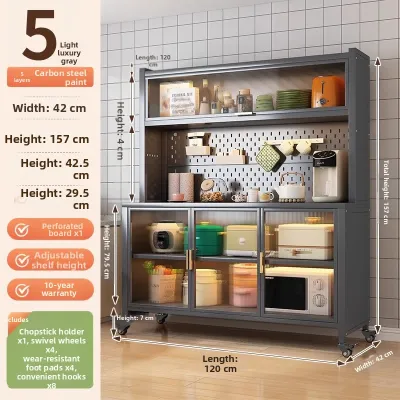
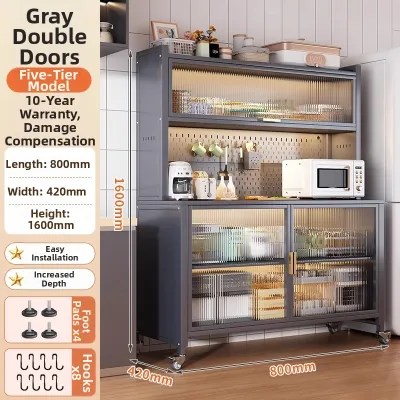
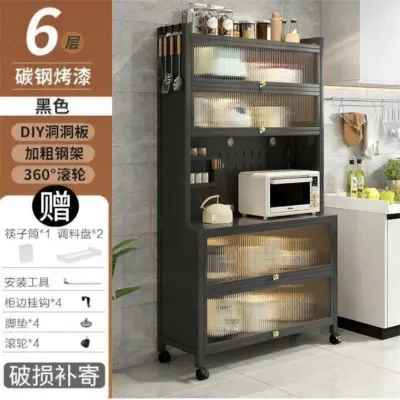
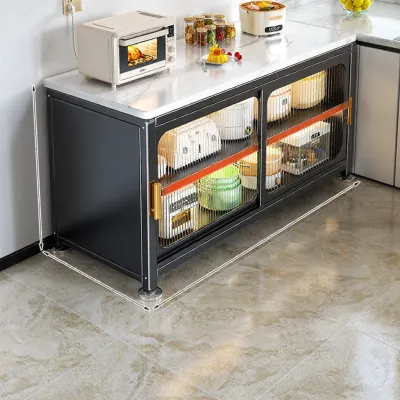
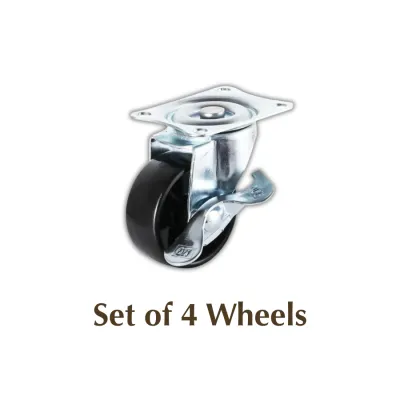
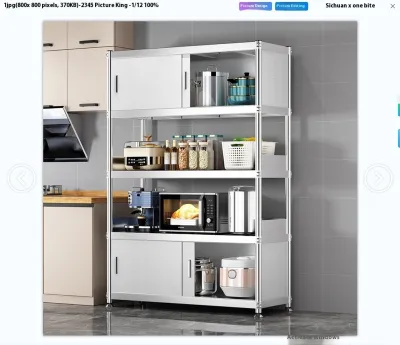
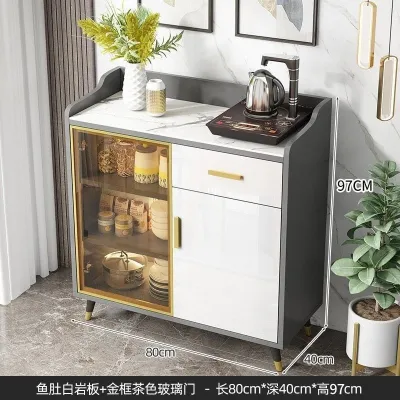
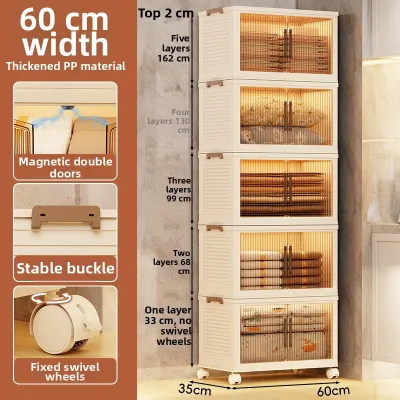
Prices are valid at publication and may change. Please refer to the product page for the latest price.
Assessing your kitchen’s physical footprint is the next critical step. In Singapore, HDB flats and condominiums often feature tight layouts where every centimeter counts. You must map out your workflow zones—specifically the prep, wash, and cook areas—to ensure that open appliance doors do not block walkways or conflict with other cabinets. Additionally, you must identify structural limitations such as load-bearing walls or the reinforced concrete walls of HDB household shelters, which cannot be drilled into for anchoring heavy tall cabinets.
Another practical consideration is lift access and doorway clearance. Large, pre-assembled tall cabinet carcasses must be able to fit into standard passenger lifts and through your front door. If access is restricted, you will need to ensure that the cabinet brand can deliver the units in flat-pack form and assemble them on-site, which may affect labor costs and installation timelines.
Finally, decide between fully concealed appliances and integrated cabinets with exposed fronts. Fully concealed appliances, such as integrated refrigerators and dishwashers, use custom front panels that match the rest of your cabinetry perfectly. This setup requires highly precise hinge adjustments and careful weight-bearing calculations to ensure the cabinet doors do not sag over time. Integrated cabinets with exposed fronts, common for ovens and microwaves, require precise cut-outs that match the appliance’s faceplate while leaving the necessary safety clearances inside.
Core Criteria for Evaluating Kitchen Cabinet Brands
When evaluating kitchen cabinet brands or local carpenters in Singapore, you should use a standardized checklist to verify their technical capability. First, ask to see their portfolio of completed projects that specifically feature integrated appliances. A reliable provider should be able to show you detailed technical drawings and schematics, not just polished marketing photos. These drawings should clearly indicate how they plan to accommodate the specific ventilation and clearance requirements specified in your appliance manuals.

Material specifications are paramount in Singapore’s hot and humid climate. Standard particleboard is highly susceptible to swelling and warping when exposed to moisture or steam. You should look for brands that offer High-Moisture-Resistant (HMR) boards, marine-grade plywood, or specialized engineered panels for the cabinet carcasses. The cabinet backing boards should also be thick enough (typically 9mm to 18mm) to support the weight of heavy built-in appliances without bowing.
Pay close attention to the edge banding and surface finishes used near heat-generating appliances. The intense heat from a self-cleaning pyrolytic oven can easily soften standard hot-melt glues, causing laminates to peel away from the cabinet edges. Verify if the cabinet brand uses Polyurethane (PUR) edge banding or laser-fused technology, both of which offer significantly higher heat and moisture resistance compared to traditional EVA adhesives.
Hardware quality is another critical factor that dictates the lifespan of your appliance cabinetry. Heavy appliances placed on pull-out shelves, such as coffee machines or stand mixers, require heavy-duty drawer runners. Ensure the brand uses certified hardware systems from reputable manufacturers that are rated for at least 30kg to 50kg of dynamic load capacity. The hinges for integrated appliance doors should also feature soft-closing mechanisms and wide opening angles to prevent accidental damage during daily use.
Lastly, evaluate the brand’s warranty terms, lead times, and after-sales support. A comprehensive warranty should explicitly cover the structural integrity of the cabinetry and the functionality of the hardware under normal use conditions. Typical lead times for custom cabinetry in Singapore range from four to eight weeks, depending on whether the fabrication is done locally or in an overseas factory. You should also clarify their policy for post-installation modifications, in case you need to replace an appliance with a slightly different model in the future.
Comparing Custom Carpentry and Semi-Custom Modular Brands
Homeowners in Singapore generally choose between two main paths for kitchen renovation: local custom carpentry workshops or semi-custom modular system brands. Custom carpentry offers absolute design flexibility, allowing you to maximize every millimeter of your kitchen layout. Carpenters can build bespoke cabinets that fit perfectly around awkward structural pillars, sloped ceilings, or non-standard corners. However, the quality of custom carpentry depends heavily on the skill of the individual carpenter on-site, and the edge-banding finishes may not match the precision of factory-controlled machinery.
In contrast, semi-custom modular brands offer exceptional finish consistency and structural precision. These brands manufacture their cabinet carcasses in highly automated factories, using computer-controlled machinery to ensure perfect right angles, precise pre-drilled holes, and flawless laser edge-banding. They also offer specialized ventilation accessories, such as integrated aluminum ventilation grilles and heat-shielding side panels. The main trade-off is design flexibility; you must work within their standard width increments, and filler panels are used to close any remaining gaps between the cabinets and your walls.
The cost structures for these two options differ significantly in Singapore. Custom carpentry is typically quoted per foot run, with prices ranging from S$120 to S$350 per foot for standard base and wall cabinets. However, a dedicated tall appliance cabinet is usually quoted as a lump-sum item, often ranging from S$800 to S$2,500 depending on the height, material choice, and internal pull-out mechanisms. Modular brands usually price their systems by the individual carcass, door front, and hardware accessory, which can make a highly customized appliance wall more expensive, often starting from S$1,500 and exceeding S$4,000 per tall unit for premium imported systems.
When deciding between the two, consider your project timeline and quality expectations. If you have a highly non-standard kitchen layout and require a quick turnaround, local custom carpentry may be more suitable. If you prioritize flawless machine-finished edges, long-term material durability, and engineered ventilation systems, a semi-custom modular brand is often the better investment, provided your budget allows for it.
Planning the Appliance Layout and Clearances
Successful appliance integration relies on precise measurements and strict adherence to safety clearances. Every appliance manufacturer specifies minimum clearance requirements in their installation manuals, and these must be communicated to your cabinet designer before fabrication begins. For example, built-in ovens typically require a minimum rear clearance of 45mm to 50mm to allow hot air to escape from the back of the unit. Without this gap, the oven’s internal cooling fan will run continuously, shortening the appliance’s lifespan and potentially scorching the cabinet interior.
Ergonomics should dictate the height and placement of your built-in appliances. Placing a heavy built-in oven at eye level or chest level (approximately 80cm to 120cm from the floor) eliminates the need to bend down constantly, making it much safer to handle heavy, hot dishes. Built-in microwaves should also be positioned at a comfortable height, ensuring they are not placed too high where hot liquids could easily spill onto the user. Dishwashers are best installed adjacent to the sink to minimize dripping when loading dirty dishes.
Ventilation pathways must be designed into the cabinetry structure to facilitate heat dissipation. A standard built-in appliance cabinet should feature a ventilation inlet at the bottom, typically achieved by installing an aluminum or plastic grille in the cabinet plinth. Cool air is drawn in through this grille, flows upward behind the appliance carcass through a continuous vertical gap, and escapes through an outlet at the top. This top outlet can vent into the open space above wall cabinets or be routed through a dedicated duct if the cabinetry extends all the way to the plaster ceiling.
Installation, Safety, and Long-Term Maintenance
The installation phase requires close coordination between your cabinet installer and a qualified electrician. Built-in ovens, steam ovens, and induction hobs are high-wattage appliances that cannot be plugged into standard 13-amp household sockets. They require dedicated electrical circuits, typically 15-amp or 20-amp connections, wired directly to your home’s distribution board. You must ensure that these electrical points are installed by a licensed electrical worker (LEW) in accordance with Singapore’s safety regulations before the cabinet carcasses are put in place.
Securing tall appliance cabinets is a critical safety requirement to prevent tip-over accidents. Tall units housing heavy appliances are inherently top-heavy, especially when ovens are installed at eye level. The cabinet carcass must be securely anchored to the wall structure. In Singapore homes, this typically involves drilling into concrete structural walls using heavy-duty wall plugs and screws, or using specialized toggle bolts if anchoring to drywall partitions. The cabinet installer must verify that the wall can support the combined weight of the cabinetry and the appliances.
Long-term maintenance is essential to preserve the integrity of your appliance cabinetry. Regularly inspect the cabinet doors and panels adjacent to your oven and dishwasher for early signs of wear. Look for peeling laminates, lifting edge bands, or swelling wood, which indicate that heat or steam is escaping from the appliance seals. To prevent moisture damage, always wipe down any condensation immediately after using a steam oven or dishwasher, and avoid leaving the appliance doors wide open immediately after a cycle, as the sudden rush of hot steam can damage the surrounding cabinet finishes.
Frequently Asked Questions (FAQ)
Can I retrofit built-in appliance cabinets into my existing kitchen?
Retrofitting built-in appliance cabinets into an existing kitchen is highly challenging but not entirely impossible. The primary difficulty lies in matching the existing cabinet laminates, door profiles, and countertop materials, as older designs may have been discontinued. You must also ensure that the structural integrity of the adjacent cabinets is not compromised when removing a section to make way for a new tall appliance housing. Furthermore, routing new dedicated electrical lines to the retrofitted area can be highly disruptive, often requiring trunking along your kitchen walls. In most cases, it is more cost-effective and structurally sound to plan your built-in appliance storage during a complete kitchen renovation.
Do cabinet brands typically supply the appliances as well?
Most kitchen cabinet brands and interior design firms in Singapore do not manufacture appliances themselves, but they often have partnerships with major appliance distributors. This allows them to offer package deals that bundle cabinetry and appliances together, which can simplify procurement and delivery. However, you are entirely free to purchase your appliances independently from external retailers. The most critical step is to provide the exact technical specification sheets and cut-out dimensions of your chosen appliances to your cabinet designer before fabrication begins. The cabinet brand is responsible for building the housing to those exact dimensions, while the appliance retailer or a qualified third-party installer will handle the actual mounting and electrical connections.

Community discussion
Share your experience or ask a question. Comments are reviewed before publication.