
Finding the right seating solution for your home workspace in Singapore involves balancing comfort, space constraints, and budget. When comparing VisionSwipe to other prominent home office chair brands, determining the best value requires a systematic evaluation of current model specifications, ergonomic adjustability, and warranty terms against your specific daily work habits. Because product lineups, features, and pricing structures frequently update, relying on static comparisons can lead to mismatched expectations. A methodical approach ensures you invest in a chair that supports your posture through long hours of remote work while fitting seamlessly into your home environment.
In Singapore’s unique residential landscape, where home offices are often integrated into multi-purpose bedrooms or compact study corners, the physical footprint and aesthetic integration of a chair are just as critical as its mechanical features. Different brands target distinct segments of the market, ranging from entry-level utility seats to high-end ergonomic showpieces. By understanding how to dissect and verify the technical specifications of VisionSwipe and its competitors, you can cut through marketing jargon and make an objective decision based on verifiable product data and your personal physical requirements.
Core Ergonomic and Build Features to Compare
The foundation of any high-quality office chair lies in its ergonomic adjustability, which directly impacts your physical well-being during extended sitting sessions. When evaluating VisionSwipe against alternative brands, the first critical component to examine is the lumbar support system. Some chairs feature fixed lumbar pads that only adjust vertically, while others offer dynamic, self-adjusting lumbar support that responds to your body weight and movement. You should verify whether a brand’s lumbar support can be adjusted for both height and depth, as static support systems may not align correctly with the natural curve of your spine if your height falls outside the average range. Additionally, check the backrest recline tension control; a high-quality tension mechanism allows you to adjust the resistance of the tilt, ensuring the chair supports you dynamically whether you are upright or leaning back. Understanding the tilt mechanism is also vital; a synchro-tilt mechanism, which tilts the backrest at a greater ratio than the seat pan, helps keep your feet flat on the floor and maintains proper spinal alignment compared to a basic tilt mechanism that tilts the entire seat as a single unit.
Products mentioned in this guide
![[VISIONSWIPE™] MAEGAN Office Chair / Computer Chair- Office chairs / Study chair / Gaming chair / Ergonomic / sd](https://img.lazcdn.com/g/p/00a2b5925d8e87faef0d1172494d692e.jpg_400x400q80.jpg_.webp)
Prices are valid at publication and may change. Please refer to the product page for the latest price.
Armrest adjustability is another pivotal factor that prevents shoulder strain and carpal tunnel issues. Look for chairs offering multi-directional armrests, often referred to as 3D or 4D armrests, which allow adjustments for height, width, depth, and pivot angle. When comparing brands, check the technical specifications to see if the armrests can be lowered sufficiently to clear your desktop or widened to accommodate broader shoulder widths. Properly adjusted armrests should allow your elbows to rest at a comfortable ninety-degree angle while keeping your wrists neutral as you type or use a mouse.
The choice of seat material and the presence of a seat depth adjustment mechanism also distinguish premium ergonomic chairs from basic models. In Singapore’s warm and humid climate, breathable mesh seats are highly favored for their superior ventilation, preventing heat buildup over hours of continuous use. However, some users prefer high-density molded foam seats for their plush, pressure-distributing support. If you are comparing mesh options, verify the tension and elasticity of the mesh, as lower-grade mesh can sag over time. Furthermore, check if the chair offers seat depth adjustment, often called a seat slider. This feature is essential for maintaining proper circulation in your legs, as it allows you to adjust the distance between the front edge of the seat and the backrest, ensuring your thighs are fully supported without pressing against the back of your knees.
Evaluating Long-Term Value and Warranty Terms
Purchasing an ergonomic office chair is a long-term investment, making the warranty and after-sales support structure a primary consideration when comparing VisionSwipe to other brands. You should carefully review the length and scope of the manufacturer’s warranty, paying close attention to which components are covered. While some brands advertise long warranty periods of up to ten years, closer inspection of the terms may reveal that the mesh, fabric, and gas lift mechanism are only covered for a fraction of that time, with only the steel frame receiving the full duration. Verify the specific warranty periods for moving parts, adjustment levers, and upholstery to avoid unexpected repair costs down the line. Furthermore, investigate the brand’s local customer support presence in Singapore; check if they have a dedicated local service center or if warranty claims require shipping parts internationally, which can lead to weeks of downtime without a functional chair.

Return policies and trial periods are equally important, especially when purchasing a chair online without trying it first. Some brands offer a risk-free home trial period, allowing you to test the chair in your actual workspace for a set number of days. If you decide to return the chair, check who bears the return shipping and handling costs. Because office chairs are heavy, bulky items, return shipping fees in Singapore can be substantial, and some companies may also charge a restocking fee. Understanding these policies beforehand protects you from financial loss if the chair does not suit your body type.
Additionally, consider the assembly requirements and delivery conditions of each brand. Some manufacturers ship chairs fully assembled or offer professional on-site assembly as part of the purchase price, while others deliver the chair flat-packed, requiring you to assemble it yourself using provided tools. If self-assembly is required, look for online assembly guides or video tutorials to assess the complexity of the process. If you prefer a hassle-free setup, verify whether the brand offers an optional assembly service and check if there are additional fees associated with weekend deliveries or deliveries to walk-up apartments without elevator access.
Spatial Fit and Home Office Compatibility
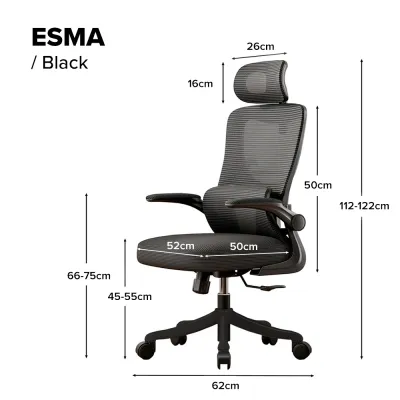
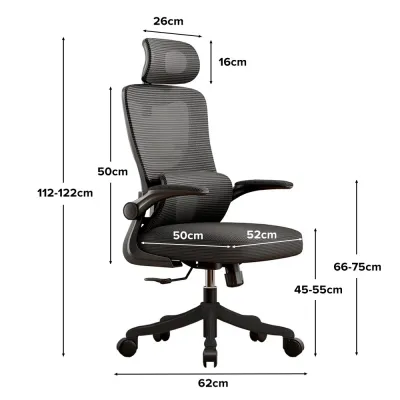
Before finalizing your purchase, you must ensure the chair physically fits within your designated home office space and can be easily delivered to your residence. Start by measuring the chair’s base diameter and the maximum width of the armrests. In compact Singaporean apartments, a chair with an oversized five-star base may collide with desk legs, nearby cabinets, or walls, restricting your movement. Compare these dimensions against your available floor space and the clearance between your desk legs to ensure you can glide and turn freely without obstruction. The material of the base also plays a role in both stability and weight; heavy-duty aluminum alloy bases offer excellent durability but make the chair heavier to lift, whereas reinforced nylon bases are lighter and easier to maneuver while still providing adequate structural integrity.
The chair’s maximum weight capacity and caster compatibility are also vital for safety and floor preservation. Verify the certified weight limit of the gas lift and frame to ensure it safely accommodates your body weight. Additionally, check the type of casters supplied with the chair. Standard hard nylon casters are suitable for carpeted floors but can scratch and damage vinyl, laminate, or parquet flooring common in modern Singapore homes. If your workspace has hard flooring, look for brands that offer polyurethane or rubber-coated casters, which roll quietly and protect delicate surfaces from wear.
Finally, do not overlook the logistics of getting the chair into your home. Review the overall height of the chair at its maximum extension and the dimensions of the shipping box. You must verify that the packaging can easily pass through standard doorways, narrow hallways, stairwells, and elevator doors during delivery. If you live in a high-rise building with strict delivery guidelines or small lift cabins, confirming these dimensions beforehand prevents delivery failures and potential redelivery charges.
Decision Framework: Choosing the Right Brand for Your Needs
To streamline your decision-making process, you can apply a conditional framework based on your verified priorities, physical dimensions, and workspace constraints.
Choose VisionSwipe if you find that their verified ergonomic features, such as adjustable lumbar support and multi-directional armrests, align with your primary working posture, and their price-to-specification ratio fits comfortably within your budget. This option is particularly suitable for users seeking a balanced, mid-range ergonomic solution that provides essential adjustability without the premium price tag of high-end international brands.
Choose a competing brand if you require highly specialized features that are not present in the VisionSwipe lineup. This includes niche requirements such as specialized drafting chair heights for standing desks, specific aesthetic finishes like polished aluminum bases, or proprietary high-performance mesh materials that have undergone extensive independent durability testing.
Neither may fit if your physical height or weight falls significantly outside standard commercial specifications. For instance, exceptionally tall or heavy individuals may require heavy-duty chairs with reinforced steel frames and extra-wide seats certified for higher weight capacities, which are typically found in specialized industrial or bariatric seating categories rather than standard home office lineups.
Verify first if you have pre-existing medical conditions, chronic back pain, or specific postural issues. In such cases, you should seek a professional ergonomic assessment or consult a physical therapist before purchasing any chair. A medical professional can provide specific recommendations regarding the level of lumbar firmness, seat tilt, and support structure required to alleviate your discomfort, ensuring you do not exacerbate your condition with an unsuitable chair.
Frequently Asked Questions (FAQ)
What specifications should I check to ensure a chair fits my desk?
To ensure your new chair fits your desk seamlessly, start by measuring the distance from the floor to the underside of your desktop. Compare this measurement with the chair’s minimum and maximum seat height, as well as the height of the armrests at their lowest and highest settings. This verification ensures that you can slide the chair fully under the desk when not in use, saving valuable floor space in your room. Additionally, check the thickness of your desktop and the design of any under-desk drawers or support beams, as these can collide with the armrests or your knees when you pull yourself close to the desk to type.
How can I verify the durability of a chair's materials before buying?
You can verify the durability of a chair’s materials by looking for specific manufacturer testing certifications and standards. For fabric seats, check if the manufacturer provides a Martindale rub test rating, which measures abrasion resistance; a rating of thirty thousand rubs or higher indicates suitability for heavy daily use. For mesh chairs, look for specifications regarding the mesh tension and composition, prioritizing elastomeric mesh that retains its shape over time. Additionally, cross-reference these technical specifications with verified user reviews on local online marketplaces and forums, focusing specifically on feedback regarding mesh sagging, frame squeaking, or mechanical failures after six to twelve months of continuous use.

Community discussion
Share your experience or ask a question. Comments are reviewed before publication.