
When selecting or inspecting a bed board for a child’s bed in Singapore, ensuring physical safety and structural compliance is the top priority. Because specific mandatory certifications depend on whether the product is classified as a crib, a toddler bed, or general children’s furniture, parents must rely on a combination of verifiable product labels, recognized testing marks, and rigorous physical inspections. This guide helps you identify the right safety checks, understand local regulatory expectations, and maintain a secure sleep environment for your child.
To secure a safe sleeping environment, you must look beyond marketing claims and verify how a bed board interacts with the entire bed frame and mattress. A bed board serves as the foundation of your child’s sleep system, directly influencing mattress support, ventilation, and structural stability. In Singapore, while individual bed boards are not typically classified as standalone controlled goods requiring a specific local safety mark, they must comply with general consumer safety regulations. This means the complete bed assembly should meet recognized international safety standards to prevent structural failures, entrapment, or chemical exposure.
Evaluating a bed board requires a systematic approach that combines checking official documentation with performing hands-on physical inspections. By understanding the specific risks associated with different bed board designs and knowing how to verify safety certifications, you can make an informed decision that protects your child. This guide outlines the essential safety standards, physical checks, and maintenance practices necessary to keep your child’s bed secure over its usable lifespan.
Products mentioned in this guide
![[SG Seller] Twentyone Single / Super Single Size Bed Pine Wood Plywood Board 12 mm thickness.Free delivery](https://img.lazcdn.com/g/p/c918a6fb2c373dc92807e11deb66fd5d.jpg_400x400q80.jpg_.webp)


Prices are valid at publication and may change. Please refer to the product page for the latest price.
Identifying Your Bed Board Type and Associated Risks
Understanding the exact type of bed board you are using is the first step in assessing potential safety hazards. In children’s furniture, a bed board typically refers to either a solid platform or a series of wooden slats designed to support the mattress from underneath. This structural base is distinct from bed rails or guardrails, which are protective barriers installed on the sides of the bed to prevent a child from rolling out. Confusing these components or failing to evaluate them as a unified system can lead to overlooked safety gaps.
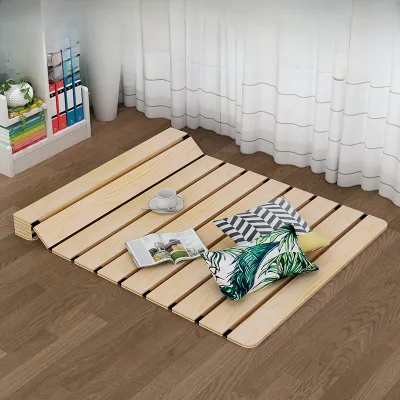
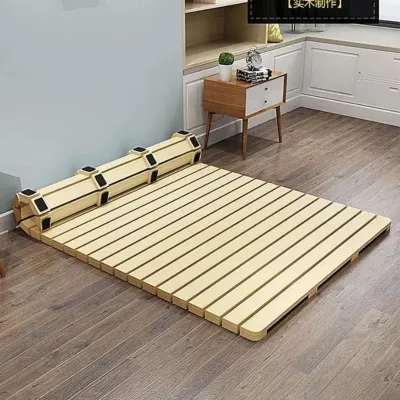
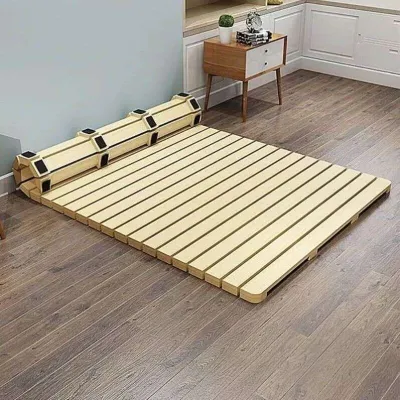
Slatted bed bases are highly common because they promote airflow, which is particularly beneficial in Singapore’s warm and humid climate. However, slatted designs introduce specific entrapment risks if the spacing between the slats is too wide. If a child’s limb, foot, or head slips between the slats, it can lead to severe injury. Additionally, if the slats are not securely fastened to the bed frame, they can shift during use, causing the mattress to sag or collapse entirely.
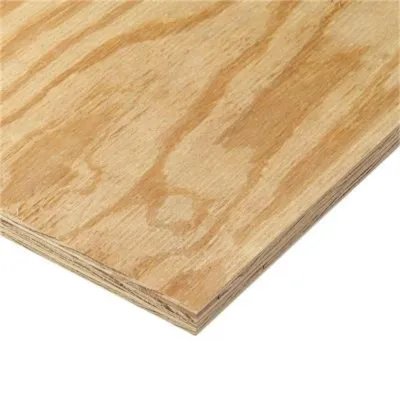
Solid bed boards, often made of plywood or medium-density fibreboard (MDF), provide a continuous, flat surface that eliminates the risk of limb entrapment between slats. However, solid boards present other challenges, such as reduced ventilation beneath the mattress, which can encourage mold and dust mite proliferation if not managed properly. Furthermore, solid boards must be checked for material thickness and support; a board that is too thin can bow or crack under the dynamic weight of a child jumping or playing on the bed.
The risks associated with bed bases also vary significantly depending on the child’s age and the type of bed frame used. For infants and toddlers in cribs or cot beds, the standards for spacing and structural integrity are exceptionally strict because younger children have less physical coordination. For older children transitioning to toddler beds or single beds, the focus shifts toward weight capacity, structural stability, and preventing falls from elevated heights, such as bunk beds or loft beds.
How to Check for Valid Safety Certifications and Labels
When purchasing children’s furniture in Singapore, you should look for clear evidence of compliance with established safety standards. Valid safety certifications are typically printed on compliance labels, warning stickers, or within the manufacturer’s instruction manual. These labels indicate that the product has undergone rigorous testing by an independent, accredited laboratory to verify its structural integrity, chemical safety, and overall design safety.

In Singapore, the Consumer Product Safety Office (CPSO), which is the safety authority under Enterprise Singapore, oversees the safety of general consumer goods. While bed boards and children’s beds are not “controlled goods” requiring a mandatory Safety Mark prior to sale, they are regulated under the Consumer Protection (Consumer Goods Safety Requirements) Regulations (CGSR). Under these regulations, consumer goods sold locally must conform to safety standards set by international bodies such as the International Organization for Standardization (ISO), the European Committee for Standardization (CEN), or ASTM International.
Rather than relying on vague marketing terms like “baby-safe” or “non-toxic,” you should look for specific, recognized international safety standards. For instance, European standards such as EN 716 (for children’s cots) or EN 747 (for bunk beds) are excellent indicators of safety. For toddler beds, look for compliance with BS 8509 or ASTM F1821. These standards specify exact requirements for structural strength, material safety, and the prevention of entrapment hazards.
If you cannot find clear certification labels on the product or its packaging, do not hesitate to ask the retailer or manufacturer for a copy of the formal test report or certificate of conformity. A reputable brand should be able to provide documentation from an accredited testing laboratory (such as TÜV SÜD, SGS, or Intertek) confirming that the bed board and frame have passed relevant safety tests. If a retailer is unable or unwilling to provide this documentation, it is advisable to look for alternative products that offer verifiable safety proof.
Essential Physical Safety Checks for Bed Boards
Performing a hands-on physical inspection of a bed board is a crucial step in ensuring your child’s safety, whether you are buying a new bed or evaluating an existing one. The first and most critical check involves measuring gaps to prevent entrapment. For slatted bed bases, the distance between individual slats should be consistent and narrow. A general safety guideline is that the gap between slats should not exceed 60 millimeters, which prevents a child’s head, neck, or limbs from slipping through and becoming trapped.
In addition to the gaps between slats, you must inspect the fit of the bed board within the bed frame. There should be no significant gaps between the edges of the bed board and the inner walls of the frame. If a gap wider than 30 millimeters exists, the mattress can shift, creating a dangerous void where a child’s arm, leg, or head could become wedged. The mattress must fit snugly over the bed board, leaving no visible space along the perimeter of the bed frame.
Structural integrity and load limits are equally vital, especially since children often use their beds for active play. Check the manufacturer’s specifications for the maximum weight capacity of the bed board and frame. When inspecting the board physically, apply firm downward pressure across different areas to check for excessive bowing, flexing, or creaking. Solid plywood or MDF boards should have a minimum thickness—typically around 12 to 15 millimeters—and should be supported by sturdy center rails or ledger strips attached to the bed frame.
The surface and edges of the bed board must be completely smooth and free of hazards. Run your hands along the entire surface, including the underside and edges, to check for splinters, sharp corners, rough seams, or peeling finishes. If the bed board is made of engineered wood, ensure that all edges are properly sealed or banded, as exposed edges can release higher levels of formaldehyde and present a rough surface that can snag bedding or scratch skin.
Final hardware, fasteners, and joints associated with the bed board must also be examined. All screws, bolts, brackets, and support pegs must be flush with the surface of the wood or recessed entirely. Protruding hardware poses a significant risk of scratching your child or snagging their clothing, which can lead to accidental injury or strangulation hazards. Ensure that all fasteners are made of high-quality, durable materials and that they thread securely into their designated slots without stripping the surrounding wood.
Safe Installation and Ongoing Maintenance
Proper installation is just as important as choosing a certified product. When assembling a child’s bed, always follow the manufacturer’s detailed instructions step-by-step and use only the hardware provided in the package. Substituting original screws, bolts, or brackets with random hardware from a local store can compromise the structural integrity of the bed. If any parts are missing, damaged, or if the instructions seem to conflict with the physical components, stop the assembly immediately and contact the manufacturer for assistance.
Once the bed is assembled, establish a routine maintenance schedule to ensure it remains safe over time. Children grow rapidly, and their increased weight and activity levels place greater stress on the bed’s structure. At least once every few months, inspect the bed board and frame for signs of wear. Check that all screws and bolts remain tight, as regular movement and changes in Singapore’s indoor humidity can cause fasteners to loosen gradually over time.
You should also define clear stop-use conditions to prevent accidents before they occur. If you notice persistent squeaking, visible bowing of the slats, or hairline cracks in the wood, these are clear indicators of structural fatigue. A bed board that shows signs of splitting or warping must be replaced immediately. Additionally, if you upgrade to a new mattress and find that it no longer fits snugly within the frame, or if the mattress sags due to weakened support, you must address the foundation before allowing your child to use the bed again.
Frequently Asked Questions (FAQ)
Do I need a separate bed board if my child's mattress is already firm?
Yes, a firm mattress still requires a stable, flat, and supportive foundation to function safely. Even the firmest mattress will sag, warp, or lose its supportive qualities if it is placed on a weak, uneven, or improperly spaced bed base. A high-quality bed board or slatted base ensures that the mattress remains flat and level, which is essential for supporting your child’s developing spine. Furthermore, in Singapore’s humid climate, a proper slatted bed base provides necessary ventilation beneath the mattress, preventing the buildup of moisture, mold, and allergens that can thrive on a solid, unventilated surface.
What should I do if the bed board slats keep slipping out of place?
If the slats on your child’s bed board keep slipping, you should stop using the bed immediately, as shifting slats can cause the mattress to collapse and create dangerous entrapment hazards. Inspect the bed to see if the slats are secured with a center strap, screws, or plastic holders that may have worn out or broken. Do not attempt temporary fixes like tape or loose ropes, which can easily fail under a child’s weight. Instead, check if the slats can be screwed directly into the bed frame’s support ledges, or contact the manufacturer to obtain a compatible, secure replacement slatted base or fastening kit.

Community discussion
Share your experience or ask a question. Comments are reviewed before publication.