
When expanding a child’s sleeping space in Singapore, where compact bedroom layouts in HDB flats and condominiums require smart space-saving solutions, a bed extension frame is a highly practical choice. However, modifying a child’s sleeping environment introduces critical safety considerations that parents must address. To ensure your child’s safety, a bed extension frame must meet rigorous structural, material, and installation standards. Ensuring these standards are met prevents serious risks such as entrapment, falls, and exposure to toxic chemicals.
Selecting the right extension frame involves more than finding a piece of furniture that matches the aesthetic of your child’s room. It requires a systematic approach to verifying safety certifications, inspecting physical design features, and understanding the structural limits of the combined bed setup. By taking these steps, you can create a secure and comfortable sleeping environment that adapts to your growing child.
Identifying Valid Safety Certifications and Labels
Manufacturers who prioritize safety will clearly display compliance with recognized international standards on their packaging, product labels, or user manuals. When shopping for a bed extension frame, look for references to established standards such as European (EN), American (ASTM), or International Organization for Standardization (ISO) guidelines. These standards are specifically developed for children’s furniture and sleep equipment, ensuring the product has undergone rigorous testing for structural integrity and material safety.
Products mentioned in this guide
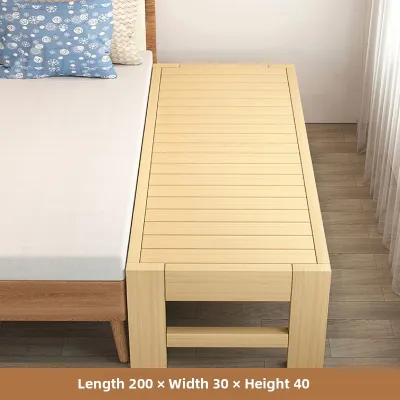
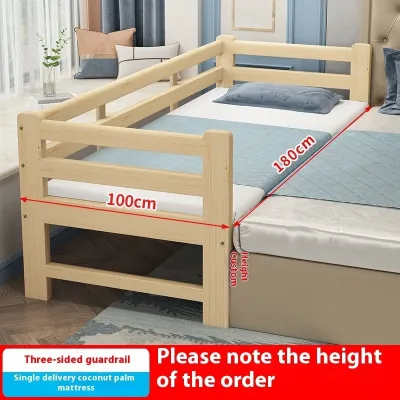
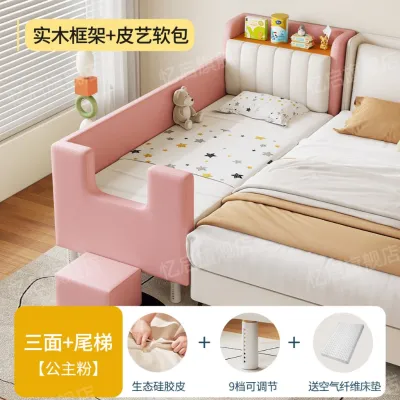
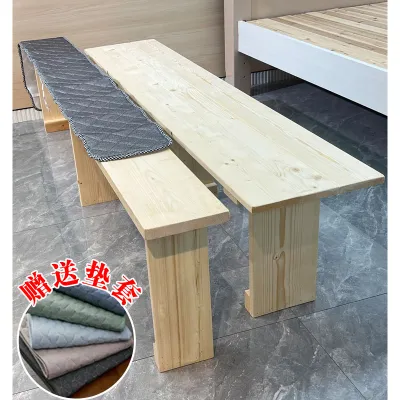
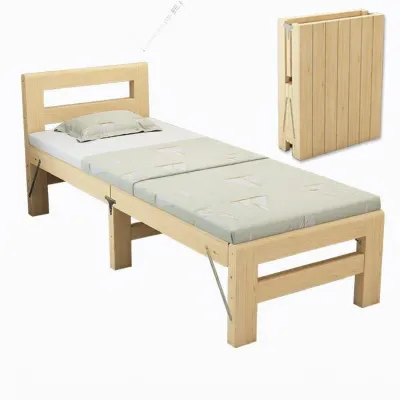
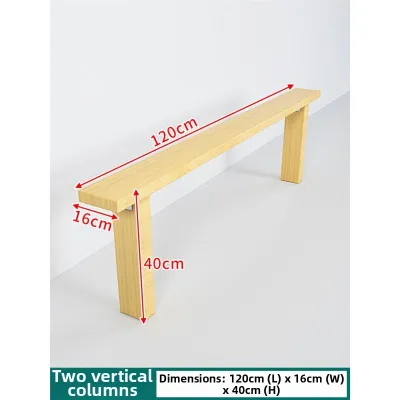
Prices are valid at publication and may change. Please refer to the product page for the latest price.
In Singapore, the Consumer Product Safety Office monitors consumer product safety. While they do not pre-approve every individual furniture item, they provide guidelines on safety requirements for children’s products. When purchasing a bed extension frame, check if the product documentation references compliance with safety regulations applicable to children’s sleeping equipment. This verification helps ensure the product meets the baseline safety expectations for the local market.
Avoid products that lack clear manufacturer documentation, contact information, or safety labeling. A reputable brand will provide a comprehensive user manual detailing the specific standards their product meets, alongside clear installation instructions. If a seller cannot provide documentation verifying compliance with recognized safety standards, it is best to look for alternative options that offer transparent safety credentials.
Structural Checks to Prevent Entrapment and Falls
Entrapment is one of the most significant hazards associated with modified beds. When attaching an extension frame to an existing bed base, the resulting gaps must be carefully evaluated. Gaps between the mattress, the extension frame, and the original bed frame must not fall within dimensions that can trap a child’s head, neck, or limbs. Generally, gaps should either be completely closed (less than 60 millimetres) or wide enough to allow a child to pass through safely (greater than 230 millimetres) to prevent dangerous head entrapment.

Inspect the connection points and locking mechanisms of the extension frame. The brackets, screws, and joints that secure the extension to the main bed must create a completely rigid connection. Any movement or play between the two structures can lead to joint failure over time. Ensure there are no exposed pinch points where a child’s fingers could get caught, and verify that all metal brackets are free from sharp edges or burrs that could cause injury.
Stability is paramount, especially when children climb in and out of bed. The combined bed structure must remain perfectly stable on your bedroom floor. In Singapore, where flooring materials like smooth vinyl, polished parquet, or ceramic tiles are common, ensure the extended bed does not slide or shift during sudden movements. If the manufacturer recommends anchoring the frame to the wall or the main bed structure, these instructions must be followed precisely to prevent tipping.
Material Safety and Non-Toxic Finish Verification
Children spend a significant portion of their day in close contact with their bed frames, making material safety a top priority. Verify that all paints, varnishes, and finishes used on the extension frame are certified lead-free and non-toxic. Look for product labels that explicitly state compliance with safety standards for toy and children’s product finishes, such as EN 71-3, which limits the migration of certain chemical elements.
If the extension frame is constructed from engineered wood, such as medium-density fibreboard (MDF) or plywood, pay close attention to formaldehyde emissions. Singapore’s warm and highly humid climate can accelerate the off-gassing of volatile organic compounds from adhesives used in engineered wood. Look for certifications indicating low formaldehyde emissions, such as E1 or E0 standards, to maintain healthy indoor air quality in your child’s bedroom.
Before assembling the frame, conduct a thorough physical inspection of all surfaces. Run your hands along the wooden or metal components to check for splinters, rough edges, or peeling finishes. Any surface defect can cause scratches or skin irritation, and peeling paint poses an ingestion hazard for younger children who might chew on the frame. If you detect any structural or surface defects, contact the manufacturer before proceeding with assembly.
Installation, Weight Limits, and Usage Boundaries
Every bed extension frame is engineered with specific physical limits. Always locate and strictly adhere to the manufacturer’s declared maximum weight capacity. This limit must account not only for the child’s weight but also for the weight of the extension mattress and any bedding. Exceeding this limit compromises the structural integrity of the joints and can lead to sudden collapse, posing a severe safety risk.
During assembly, use only the original hardware provided by the manufacturer. Do not substitute screws, bolts, or brackets with hardware store alternatives unless explicitly authorized by the manufacturer. Follow the step-by-step assembly instructions meticulously, ensuring every bolt is tightened to the specified torque. Improvised assembly methods or omitting washers and locking nuts can cause the frame to loosen under the vibration of daily use.
Consider the physical placement of the extended bed within the room. In compact Singapore bedrooms, space constraints often dictate furniture layout, but safety must dictate placement. Never position the extended bed directly beneath or adjacent to a window, even if window grilles are installed. Ensure the bed is kept far away from curtain or blind cords, electrical outlets, and heavy wall-mounted shelving to eliminate secondary hazards like strangulation or falling objects.
Signs It Is Time to Stop Using the Extension Frame
A bed extension frame is a transitional solution, not a permanent one. The most obvious sign that it is time to discontinue use is when your child approaches or reaches the manufacturer’s specified weight or height limits. Even if the frame appears sturdy, internal fatigue in the joints or wood fibers may not be visible to the naked eye, making continued use risky.
Perform regular maintenance checks on the bed structure. Listen for any new creaking or squeaking sounds when your child moves on the bed, as these are early indicators of structural fatigue or loosening joints. Inspect the brackets for any signs of bending, and check if screws are stripping or failing to stay tight. If any component is damaged or cannot be securely tightened, stop using the extension immediately.
Observe your child’s sleeping habits. As children grow, their sleep movements often become more active and vigorous. If your child frequently bumps against the edges of the extension or if their active movement causes the combined bed structure to sway or slide, it is time to transition to a standard, single-piece full-size bed. This transition ensures they have a sleeping surface designed to handle their increased size and activity level safely.
Frequently Asked Questions (FAQ)
Can I use a bed extension frame with any type of kids' bed?
No, bed extension frames are rarely universal. They must be specifically designed for or certified compatible with the exact model and brand of the original bed. Attempting to attach an extension frame to an incompatible bed base using improvised brackets or straps can lead to structural failure, unstable sleeping surfaces, and dangerous gaps that pose entrapment hazards. Always consult the manufacturer’s compatibility guidelines before purchasing.
Are second-hand bed extension frames safe to use?
Using second-hand bed extension frames carries inherent risks and is generally not recommended unless you can verify their complete history. Used frames may have missing hardware, hidden structural fatigue, or micro-fractures in the joints that compromise safety. Additionally, older models might not meet current safety standards. If you do choose a second-hand frame, ensure it includes the original assembly manual, all original hardware, and shows no signs of wear, warping, or structural damage.

Community discussion
Share your experience or ask a question. Comments are reviewed before publication.