
A soft mattress is generally ideal for side sleepers and individuals with lighter body weights who require deep pressure relief around the shoulders and hips. However, it can cause spinal misalignment and lower back pain for stomach sleepers, back sleepers, and heavier individuals who require firmer support to keep their pelvis aligned.
Choosing a mattress involves navigating personal comfort preferences, local climate factors, and bedroom layouts. Understanding how your body weight and sleeping posture interact with a plush comfort layer is essential before making a significant investment. Whether you are spending S$1,000 or S$3,000 on a new bed, evaluating your physical needs first will help you avoid the hassle of returns or sleepless nights.
Assessing Your Body Weight and Primary Sleep Position
Your body weight determines how deeply you compress the comfort layers of a mattress. Lighter individuals, typically weighing under 60 kg, exert less downward force on a bed. On a firm mattress, they may feel as though they are sleeping on a hard board because their body does not compress the comfort layers enough to trigger contouring. For these sleepers, a soft mattress provides the necessary yield to cradle the joints and distribute weight evenly.
Products mentioned in this guide
![[Same day delivery] SleepLab Comfort / Individual Pocketed Spring EuroTop Memory Foam /10inch Mattress](https://img.lazcdn.com/g/p/547488493bece027983951d3a6f5ac66.png_400x400q80.png_.webp)
![[1-2 day delivery ] Single size and Queen Size Foam Mattress](https://img.lazcdn.com/g/ff/kf/S53f34f438945453bac9eb7ad88f413a5N.jpg_400x400q80.jpg_.webp)
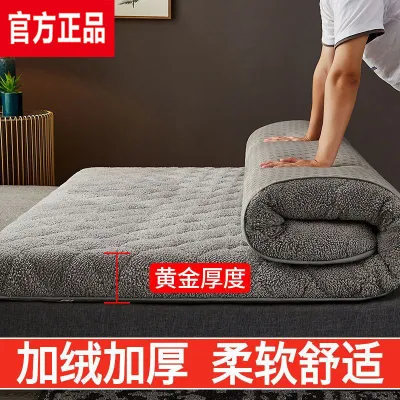
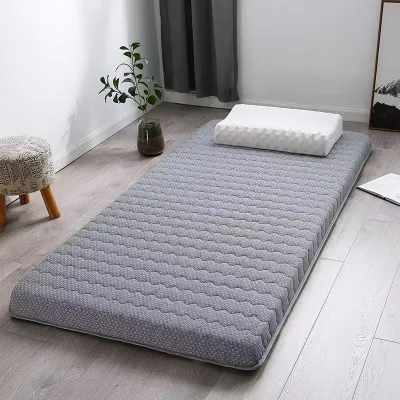
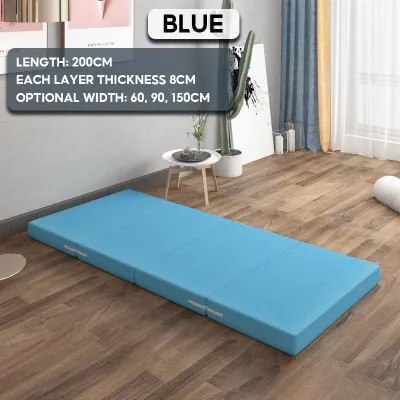
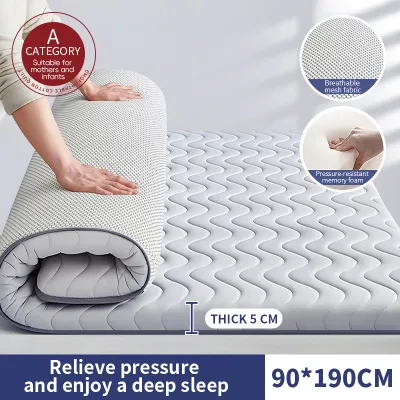

![[PRE-ORDER] Getha Sunny 5 Kids Mattress / Eco Latex Mattress](https://img.lazcdn.com/g/p/0d0e2c046017d2c742bed193ef79dfaf.jpg_400x400q80.jpg_.webp)
Prices are valid at publication and may change. Please refer to the product page for the latest price.
Conversely, individuals with heavier body weights, typically over 83 kg, compress comfort layers much more deeply. On a soft mattress, they risk sinking straight through the plush upper layers and bottoming out against the firm support core. This deep sinkage often concentrates around the midsection, creating a hammocking effect that pulls the spine out of its natural alignment and strains the surrounding muscles.
Your primary sleeping position also dictates your support requirements. Side sleepers need a surface that yields under the prominent curves of the shoulders and hips. A soft mattress allows these areas to sink just enough to keep the spine running in a straight, horizontal line. For back sleepers, a soft mattress can work if it features a highly resilient pocketed spring core, but excessive sinkage under the pelvis will flatten the natural lumbar curve.
Stomach sleepers generally require a firm surface to keep their body on a flat plane. Sleeping face down on a soft mattress causes the hips and abdomen to sink deeply into the bed. This sinkage arches the lower back unnaturally, putting immense pressure on the lumbar spine and neck throughout the night.
To gauge your baseline compatibility before shopping, use this quick self-check list:
- Identify your dominant position: Do you wake up on your side, back, or stomach? If you change positions constantly, you are a combination sleeper and may require a balanced medium-firm feel instead of a very soft one.
- Determine your weight category: Lighter sleepers (under 60 kg) are highly compatible with soft beds; average-weight sleepers (60 to 83 kg) need balanced support; heavier sleepers (over 83 kg) generally require firmer models.
- Assess your current bed's feel: Do you feel like you are sleeping on top of the mattress, or do you feel cushioned and cradled? If you feel bruised at your hips or shoulders, you likely need a softer comfort layer.
Evaluating Joint Pain and Pressure Relief Needs
Joint pain often dictates whether you should opt for a softer sleeping surface. When you sleep on your side, your entire body weight is concentrated on the narrow surface areas of your shoulder and hip. A soft mattress contours closely to these curves, distributing your weight over a larger surface area. This contouring reduces pressure sores, prevents numbness, and improves blood circulation in your limbs.

However, a soft surface can exacerbate lower back pain if it lacks adequate structural support. The lumbar spine requires continuous upward resistance to maintain its natural curve. If a mattress is too soft, the heavy pelvic region sinks lower than the shoulders and legs, hyperextending the lower back muscles. Over an eight-hour sleep cycle, this unnatural posture leads to chronic muscle fatigue and stiffness.
To determine if your mattress is causing your physical discomfort, pay close attention to your body’s signals immediately upon waking. Waking up with a dull, aching sensation in your lower back that gradually fades within an hour of moving around is a classic sign of poor spinal alignment caused by a bed that is too soft. On the other hand, waking up with sharp, localized pain in your shoulders or outer hips suggests the surface is too hard and lacks sufficient pressure relief.
Warning Signs Your Current Mattress Is Too Soft
If you already sleep on a soft mattress, several physical and visual indicators can help you diagnose whether it is negatively impacting your sleep quality. One of the most common physical symptoms is feeling “stuck” in the bed. If changing positions or rolling over requires significant physical effort, the comfort layers are likely too soft or have lost their resilience, trapping your body in a deep pocket.
Visual and tactile checks of the mattress surface can confirm structural issues. Remove your bedding and inspect the mattress under good lighting. Look for visible sagging, deep body impressions, or uneven valleys where you normally lie. If these impressions remain visible long after you get out of bed, the comfort materials have fatigued and can no longer support your weight.
It is important to differentiate between a mattress that is inherently too soft for your body type and one that has simply degraded over time. A high-quality soft mattress should still provide a resilient underlying support core that keeps your spine aligned. If your bed was comfortable for the first few years but has recently begun causing back pain, the internal pocket springs or polyurethane foams have likely broken down under constant use and Singapore’s humid climate.
Additionally, check the perimeter of your bed. Poor edge support is a common issue in low-quality soft mattresses. If you sit on the edge of the bed to put on your socks and feel as though you are sliding off onto the floor, the edge encasement has degraded. This lack of edge support reduces the usable sleeping surface, forcing you toward the center of the bed and accelerating wear in that area.
Actionable Next Steps: Testing, Adjusting, or Replacing
If you are planning to purchase a new soft mattress, proper testing is crucial to avoid a mismatched purchase. When visiting a physical showroom, do not merely sit on the edge of the bed or lie down for a few seconds. Lie down in your primary sleeping position for at least 15 to 20 minutes to allow your muscles to relax and your body to settle into the comfort layers.
If you prefer purchasing from online furniture retailers, pay close attention to the terms of their sleep trial periods. A reliable sleep trial allows you to test the mattress in your own home for a set period, which is essential because your body can take up to a month to adjust to a new support level. Always verify the return conditions, including whether the retailer charges return shipping fees or requires you to keep the original packaging.
For those who want to adjust an existing mattress that feels slightly too soft, several reversible steps can help:
- Add a firm mattress topper: A high-density foam or firm latex topper can add a layer of surface resistance, reducing excessive sinkage.
- Check your bed base: Flexible wooden slats can bow over time, causing the mattress to sag. Replacing a slatted base with a solid, flat platform base can instantly make a soft mattress feel more supportive.
- Verify room and doorway access: Before ordering any replacement base or mattress, measure your room's finished dimensions, hallway clearances, and lift access to ensure the delivery team can safely install the new items.
If your mattress has a permanent sag deeper than 2.5 cm, or if the internal pocket springs have collapsed, no topper or base adjustment will restore its support. In these cases, replacing the mattress is the only viable solution to protect your spinal health and ensure restful, pain-free sleep.
Frequently Asked Questions (FAQ)
Can a soft mattress cause or worsen back pain?
Yes, a soft mattress can cause or worsen lower back pain if it allows your pelvis to sink too deeply. This excessive sinkage pulls the spine out of its neutral alignment, putting continuous tension on the lower back muscles and ligaments. Stomach sleepers, back sleepers, and individuals with heavier body weights are at the highest risk of experiencing back pain on a plush surface that lacks a supportive core.
What is the best way to test a soft mattress before committing?
The most reliable way to test a soft mattress is to utilize a home sleep trial, which typically allows your body to adjust to the new support level over several weeks. If you are testing a mattress in a physical showroom, lie down in your primary sleeping position for at least 15 minutes. Wear comfortable clothing, mimic your usual sleeping posture, and check if you can roll over easily without feeling trapped in the comfort layers.

Community discussion
Share your experience or ask a question. Comments are reviewed before publication.