
To stop chair legs from scratching laminate flooring, you must establish a soft, durable barrier between the hard furniture base and the floor surface. While adhesive felt pads are a common quick fix, they often peel off or collect abrasive grit. A highly effective, modern alternative is the use of chair socks—elasticized fabric sleeves that slip over the chair legs to provide cushioned, quiet movement. Combining these protectors with proper floor maintenance and mindful furniture handling will keep your laminate or vinyl floors looking pristine for years.
Why Chair Legs Scratch Laminate and Vinyl Floors
Laminate and vinyl floors are popular in Singapore homes, from modern HDB flats to sleek condominiums, due to their aesthetic appeal and ease of maintenance. However, their protective wear layer is still vulnerable to mechanical abrasion. The primary culprit behind unsightly scratches is friction. As chairs are pushed back and pulled forward, tiny particles of dust, sand, and outdoor grit act like sandpaper. When trapped between the hard bottom of a chair leg and the floor, this grit is dragged across the surface under pressure, cutting fine grooves into the laminate.
Many chairs come equipped with factory-installed glides made of hard plastic or metal. Over time, these glides can wear down, crack, or fall off entirely, exposing raw wood, rough plastic edges, or even sharp metal screws and staples. When these hard materials make direct contact with the floor, even minor movements can cause deep, irreversible gouges.
Products mentioned in this guide
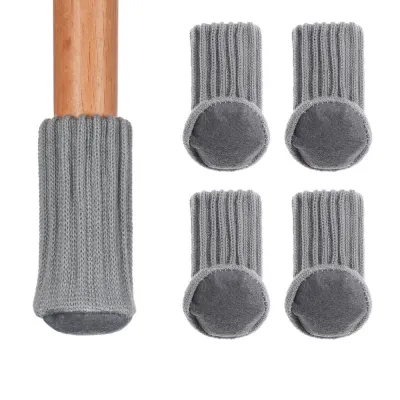
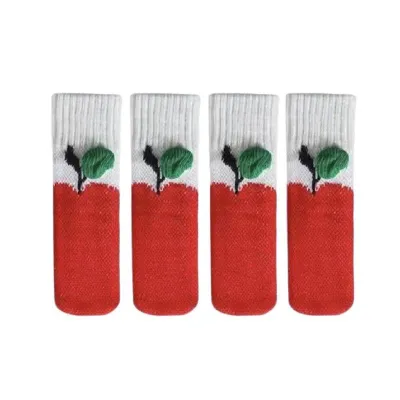
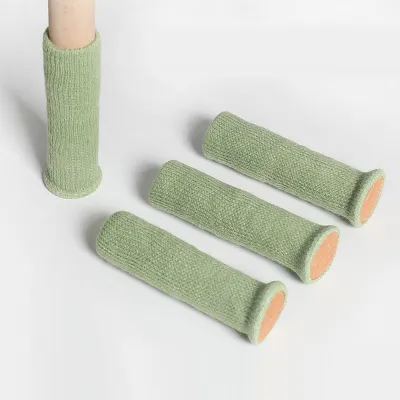
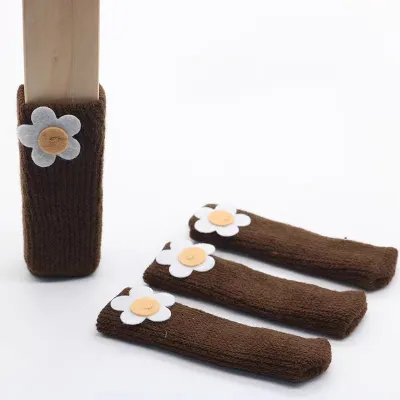
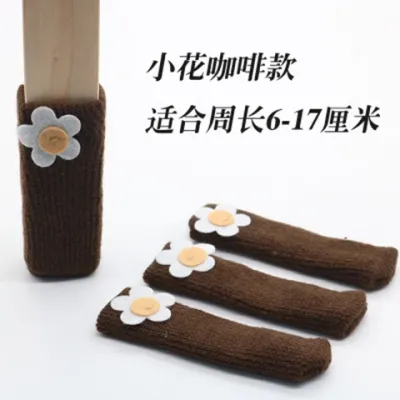
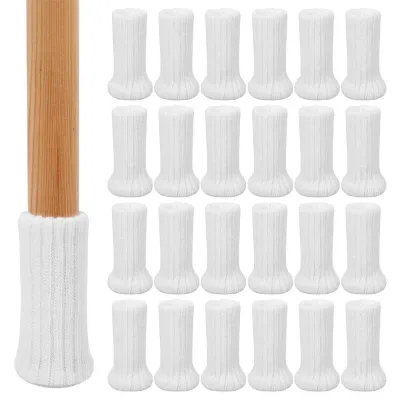
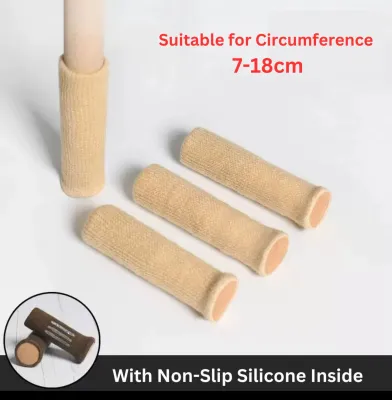
Prices are valid at publication and may change. Please refer to the product page for the latest price.
Weight distribution also plays a critical role. Heavy dining chairs or solid wood furniture concentrate a significant amount of downward force onto four very small contact points. When a person sits down, this pressure intensifies. If the chair is shifted while loaded, the concentrated force makes it much easier for any trapped debris to puncture the floor’s protective coating.
Finally, poor handling habits exacerbate the issue. Dragging or sliding heavy chairs across the room instead of lifting them completely off the ground is a common cause of sudden, severe scratch marks. In busy households, these repetitive sliding motions quickly dull the floor’s finish, leaving behind hazy patches that are difficult to restore.
Comparing Chair Leg Protectors for Hard Floors
Choosing the right protection depends on your furniture design, aesthetic preferences, and how often the chairs are used. There are three primary options available on the market: chair socks, adhesive felt pads, and slip-on silicone or rubber glides.

Chair socks are knitted fabric sleeves, often reinforced with elastic fibers and internal silicone grips. They offer excellent coverage because they wrap around the entire lower portion of the leg, making them highly suitable for angled, square, round, or irregular leg shapes. They slide smoothly and quietly across laminate surfaces, and because they are made of fabric, they do not rely on adhesives that can fail over time.
Adhesive felt pads are the traditional choice. They are inexpensive, easy to apply, and virtually invisible once installed under the leg. However, they have notable drawbacks. The adhesive backing can degrade quickly in warm, humid climates, causing the pads to slide off center and leave a sticky residue on your floor. Furthermore, felt fibers naturally attract and hold onto hair, dust, and grit, turning the pad itself into an abrasive surface if not cleaned or replaced regularly.
Slip-on silicone or rubber glides feature a flexible sleeve that stretches over the leg, often paired with a felt pad integrated into the bottom. These offer high durability and excellent noise reduction. They are highly stable and do not collect as much dust as fabric socks. However, they can be visually bulky, and finding the exact size to fit tapered or unusually shaped legs can be challenging.
To decide which is best for your home, consider the following factors:
- High-use dining chairs: Chair socks or slip-on silicone glides are ideal because they withstand frequent movement without sliding off.
- Light-use accent chairs: Adhesive felt pads work well here, as the lower frequency of movement reduces the risk of the adhesive failing.
- Aesthetic preference: If you prefer an invisible look, high-quality felt pads or clear silicone glides are best. If you prefer a cozy, customizable look, chair socks come in various colors to match your decor.
How to Choose and Use Chair Socks Effectively
To get the most out of your chair socks, proper selection and installation are key. Start by measuring your chair legs accurately. Use a flexible measuring tape to find the perimeter or diameter of the leg at its very base. Note whether the legs are round, square, or highly tapered. Most chair socks are designed with elastic materials like spandex or polyester blends, allowing them to stretch, but choosing a size range that matches your measurements ensures they stay snug without slipping down.
When shopping on online marketplaces, look closely at the material composition and construction. High-quality chair socks often feature a double-layer knit for extra cushioning and durability. Additionally, check for internal silicone grip strips or dots on the inside of the sock. These grips cling to the wood or metal of the chair leg, preventing the sock from sliding down or bunching up during daily use.
Installing chair socks is straightforward but requires care. Clean the bottom of each chair leg thoroughly to remove any existing adhesive residue, dust, or grease. Pull the sock over the leg, ensuring the reinforced bottom pad is centered directly flat against the base of the leg. Smooth out any wrinkles or bunching along the sides so the sock sits flush and neat.
Maintenance is essential to keep fabric protectors working safely. Because chair socks slide along the floor, they will inevitably gather dust and pet hair over time. Establish a routine to inspect them every few weeks. Most fabric chair socks are machine washable; simply slip them off, place them in a mesh laundry bag, wash them on a gentle cycle, and let them air dry completely before reinstalling. This removes trapped grit that could otherwise scratch your laminate.
When to Use Alternative Protectors or Area Rugs
While individual leg protectors work wonders for standard dining and accent chairs, certain furniture types and scenarios require a different approach. For instance, rolling office chairs or gaming chairs equipped with standard hard plastic wheels can quickly destroy laminate flooring. In these cases, swap out the factory casters for heavy-duty, floor-safe polyurethane casters, often referred to as rollerblade-style wheels. These wheels distribute weight more evenly and roll smoothly without scratching.
Another highly effective solution for high-traffic seating areas, such as under a main dining table, is the addition of a low-pile area rug or a dedicated protective floor mat. A rug not only adds warmth and style to your living space but also acts as a comprehensive physical shield against both chair movement and dropped utensils. Ensure you choose a rug with a non-slip, floor-safe backing that does not contain plasticizers, which can sometimes discolor laminate or vinyl over time.
Before making any major changes or applying heavy-duty adhesives, it is wise to consult your flooring manufacturer’s warranty and care guidelines. Many warranties specifically exclude cosmetic damage caused by furniture, but some may mandate the use of specific types of protectors (such as soft felt) to keep the warranty valid.
If you already have deep gouges or scratches that have penetrated through the laminate’s wear layer, DIY protectors will only prevent further damage; they cannot fix existing structural issues. For deep, wide scratches, consult a professional flooring contractor to discuss repair options, such as color-matched wax filler kits or replacing individual damaged planks.
Daily Habits to Prevent Laminate Floor Scratches
Protecting your floors is not just about the accessories you install; it also depends on daily household habits. The most effective defense against scratches is keeping the floor clean. Regular sweeping, dust mopping, or vacuuming with a soft-brush attachment is crucial. Removing fine sand, dirt, and outdoor grit before it can be ground into the floor by chair legs will significantly extend the lifespan of your laminate’s finish.
Encourage household members and guests to practice mindful furniture handling. Whenever possible, lift chairs completely off the ground when moving them rather than dragging or sliding them across the room. This simple habit eliminates the friction that causes the majority of sudden, deep scratches.
Perform periodic visual inspections of all furniture legs in your home. Check that adhesive pads are still centered and clean, that silicone glides have not split, and that chair socks have not slipped down or worn thin at the bottom. Catching a worn-out protector early can save you from costly floor repairs later.
Finally, place high-quality entryway mats at all external doors. These mats trap a large percentage of outdoor dirt, moisture, and abrasive grit before it ever reaches your laminate floors, reducing the overall cleaning burden and protecting your interior surfaces.
Frequently Asked Questions (FAQ)
Do chair socks work on all types of chair legs?
Chair socks are highly versatile and stretch to fit most standard round, square, and rectangular chair legs. However, they may struggle to stay secure on highly tapered, extremely thin metal legs, or legs with irregular, organic shapes. On very thin legs, the lack of surface area can cause the socks to slip down or twist. For these specialized designs, custom-fit silicone caps or screw-in felt glides often provide a more stable and secure fit.
How often should I replace felt pads or chair socks?
There is no fixed timeline for replacing floor protectors; instead, rely on regular visual and tactile inspections. Replace adhesive felt pads immediately if they begin to peel, slide off-center, or feel hard and compacted with embedded dirt. For chair socks, inspect them for thinning fabric, holes, or loss of elasticity. If they frequently slip down or look visibly worn at the contact point, it is time to wash them or replace them with a fresh set.
Will laminate flooring warranties cover scratch damage from furniture?
In almost all cases, standard laminate flooring warranties do not cover cosmetic scratches, scuffs, or gouges resulting from daily wear and tear or furniture movement. Warranties typically cover manufacturing defects, premature fading, or water damage under specific conditions. To protect your investment, always review the manufacturer’s care guide and proactively use recommended protectors like chair socks or felt pads to prevent mechanical damage.

Community discussion
Share your experience or ask a question. Comments are reviewed before publication.