
Selecting the right plastic drawers cabinet for a compact HDB bedroom requires balancing storage capacity with the physical limits of your floor plan. In typical Singaporean apartments, where bedroom space is highly optimized, a well-chosen cabinet provides essential storage for clothing, accessories, or household items without making the room feel cramped. The ideal setup utilizes vertical space efficiently while leaving enough clearance for comfortable movement, door swings, and daily activities.
To find a cabinet that fits seamlessly into your room, you must evaluate your available floor area, understand how different cabinet dimensions interact with your layout, and select a drawer configuration tailored to your specific storage needs. By taking precise measurements and avoiding common placement errors, you can maximize your bedroom’s organization while maintaining a clean, spacious aesthetic.
Measure Your Available Space and Clearances
Before purchasing any furniture, the first step is to accurately measure the designated area in your bedroom. Use a reliable measuring tape to determine the maximum width and depth of the floor space where the cabinet will stand. When measuring, do not rely solely on the wall-to-wall distance; remember to account for baseboards or skirting boards along the bottom of the walls, which can reduce your usable floor space by one to two centimeters.
Products mentioned in this guide
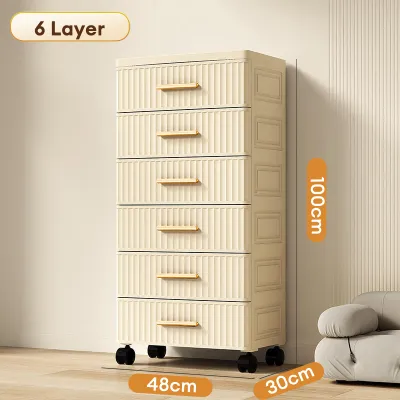
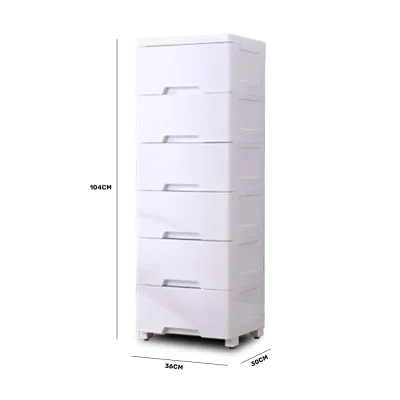
![(JIJI.SG) Modern Storage Drawers [L] & [XL] Cabinet / Cabinets - Plastic Storage Box Drawer / Household / Bedroom Furniture / jt](https://img.lazcdn.com/g/p/86a3a887a1319a62564287336c7aed89.jpg_400x400q80.jpg_.webp)
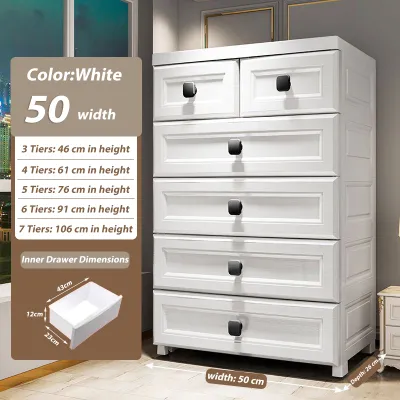
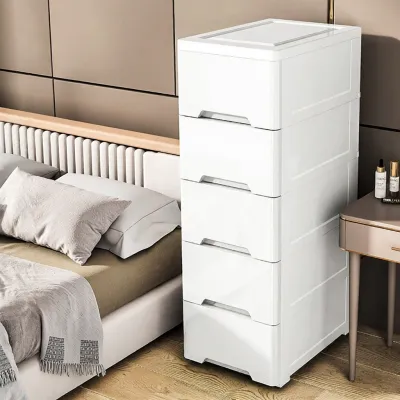
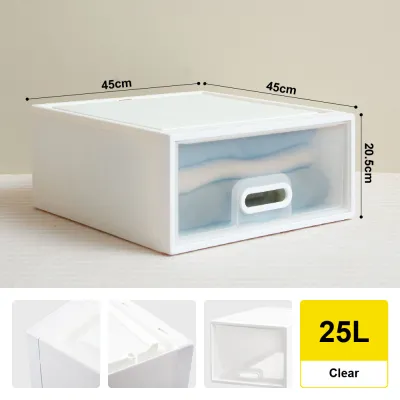
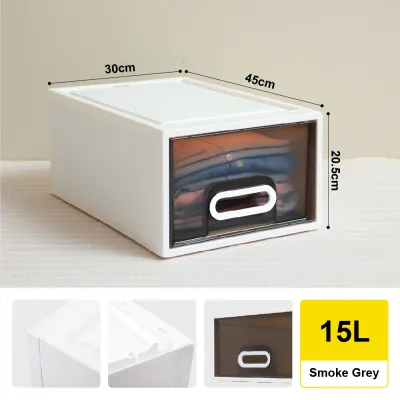
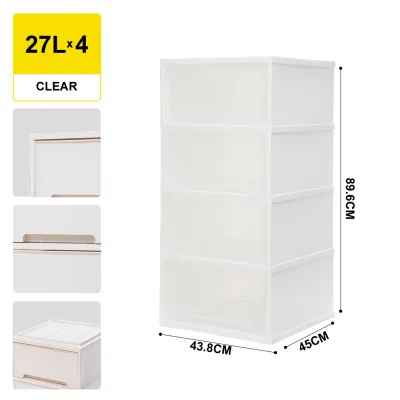
Prices are valid at publication and may change. Please refer to the product page for the latest price.
Next, evaluate the clearance required for all doors and moving parts in the immediate vicinity. This includes the main bedroom door, built-in wardrobe doors, and even the swing of nearby windows. If your wardrobe has hinged doors rather than sliding doors, measure the exact distance those doors extend when fully opened to ensure they will not collide with your new plastic drawers cabinet. Additionally, consider the drape of window curtains or blinds, as heavy fabrics hanging down can interfere with the placement of a cabinet positioned close to a window.
Walkway clearance is another critical factor in maintaining a comfortable bedroom layout. In a standard HDB bedroom, you should aim to preserve a clear walkway of at least 60 centimeters between major furniture pieces, such as the edge of your bed and the front of the cabinet. This space ensures you can walk through the room naturally without having to squeeze past or turn sideways. If the cabinet is placed in a high-traffic path, increasing this clearance to 70 or 80 centimeters will significantly improve the room’s flow and usability.
Finally, assess the vertical space and look for any potential overhead obstructions. Note the height of wall-mounted air conditioning units, electrical trunking, light switches, and wall sockets. Placing a tall cabinet directly in front of a light switch or power outlet can restrict access to essential controls, while positioning it too close to an air conditioner can block airflow or make filter maintenance difficult. If you plan to place the cabinet under a window sill, measure the height from the floor to the bottom of the sill to ensure the unit sits flush beneath it without blocking natural light.
Match Cabinet Dimensions to Your Room Layout
Once you have your measurements, you can begin matching them to the external dimensions of various plastic drawer cabinets. Depth is one of the most important dimensions to consider, as it directly impacts how far the cabinet protrudes into your walking space. Shallow cabinets, with a depth of 30 to 38 centimeters, are ideal for tight walkways, narrow corridors, or placement at the foot of the bed. Deeper cabinets, ranging from 45 to 50 centimeters, offer substantially more storage volume for bulkier items like bedsheets, towels, or winter clothing, but they require a more generous floor footprint to avoid blocking the room.

Width constraints will dictate whether you should look for a narrow vertical tower or a wider, low-profile unit. If you have a small, underutilized gap—such as the space between your wardrobe and the bedroom wall—a slim cabinet measuring 30 to 40 centimeters wide can turn an awkward corner into a highly functional storage zone. On the other hand, if you have a longer stretch of empty wall space, a wider cabinet measuring 60 to 80 centimeters wide provides a more stable base and a larger top surface that can double as a vanity, a charging station, or a display area for decorative items.
Height and stability are closely linked when dealing with lightweight plastic furniture. Taller units, such as five-tier or six-tier cabinets, are excellent for maximizing vertical storage in small rooms because they utilize height instead of floor space. However, because plastic is lightweight, a tall and narrow cabinet has a higher center of gravity, making it more prone to wobbling or tipping when drawers are pulled open. If you opt for a taller model, look for designs with a wider, heavier base, or plan to secure the unit to the wall using safety brackets to ensure it remains stable during daily use.
Choose the Right Drawer Configuration for Your Items
The internal configuration of your plastic drawers cabinet should be chosen based on the specific items you plan to store. Drawer depth is a key factor here; shallow drawers, typically 10 to 15 centimeters deep, are perfect for organizing smaller accessories, socks, underwear, cosmetics, or stationery. These shallow compartments prevent items from getting buried under layers of clutter. Deep drawers, measuring 20 to 30 centimeters in depth, are far better suited for folded clothing, blankets, or larger household items, providing the vertical space needed to stack or file items vertically.
When choosing a configuration, weigh the trade-offs between having many small drawers versus a few large ones. A cabinet with five or six small drawers offers excellent categorization, allowing you to dedicate separate compartments to different types of items. However, this setup reduces overall storage flexibility, as you cannot easily fit larger or oddly shaped items. Conversely, a cabinet with three or four large drawers provides a highly versatile space that can accommodate bulkier goods. You can always customize large drawers later by adding modular fabric bins or plastic dividers to create smaller compartments as your storage needs evolve.
Additionally, look for practical design features that improve the cabinet’s daily functionality. Transparent or semi-clear drawer fronts are highly beneficial in a compact bedroom, as they allow you to see the contents of each drawer at a glance without having to open them all. If you prefer a cleaner, more minimalist look, opaque drawer fronts in neutral colors can help hide clutter and blend in with your bedroom decor. Ensure the drawers feature smooth-glide rails or built-in roller wheels, which allow them to open and close effortlessly, and verify that they have safety stops to prevent the drawers from falling out completely when extended.
Avoid Common Sizing and Placement Mistakes
A frequent mistake when planning furniture placement in a small bedroom is failing to account for the “open drawer” footprint. A cabinet may fit perfectly against the wall when closed, but once you pull a drawer out to its full length, it can easily strike your bed frame, bedside table, or the bedroom door. To prevent this issue, always calculate the total depth of the cabinet with the drawers fully extended. Ensure there is still enough space for you to stand comfortably in front of the open drawer without being pinned against another piece of furniture.
In Singapore’s warm and humid climate, proper ventilation is essential to prevent moisture buildup and mold growth inside your storage units. Avoid pushing your plastic cabinet completely flush against exterior walls, which can trap heat and humidity. Instead, leave a small gap of two to five centimeters behind and around the cabinet to allow air to circulate freely. Additionally, keep the cabinet away from air-conditioning units where condensation or minor water drips could fall onto the plastic frame and seep into the drawers.
Finally, always verify the manufacturer’s load-bearing specifications for both the individual drawers and the overall cabinet frame. While plastic is highly durable and resistant to moisture, it does not have the same structural rigidity as wood or metal. Overloading drawers with heavy books, tools, or dense electronics can cause the plastic shelves to bow, warp, or crack over time, which can prevent the drawers from sliding smoothly. To maintain the structural integrity of your cabinet, distribute weight evenly, place lighter items in the upper sections, and reserve the unit primarily for lightweight household goods.
Frequently Asked Questions (FAQ)
Can I stack multiple plastic drawer units to save floor space?
You should only stack plastic drawer units if they are explicitly designed by the manufacturer to be modular and stackable. These units typically feature specialized interlocking grooves, clips, or pegs that secure the top cabinet to the bottom one, preventing them from sliding apart. Stacking standard, non-modular cabinets is highly unsafe, as the lightweight plastic frames can easily shift or slide off when you pull a drawer open. Even when using compatible modular units, avoid stacking them too high, and always secure the entire assembly to the wall to prevent tipping.
How do I prevent a tall plastic drawer cabinet from tipping over?
To prevent a tall plastic drawers cabinet from tipping, always place your heaviest items—such as bedsheets, towels, or heavy organizers—in the bottom drawers to lower the overall center of gravity. Keep lighter items like socks, t-shirts, and accessories in the upper drawers. Additionally, use anti-tip wall straps or brackets to anchor the back of the cabinet securely to your bedroom wall. Finally, make it a habit to open only one drawer at a time; extending multiple loaded drawers simultaneously shifts the weight forward, significantly increasing the risk of the cabinet falling.

Community discussion
Share your experience or ask a question. Comments are reviewed before publication.