
Selecting the ideal modular toy shelf size for a small Singapore home requires balancing a shallow footprint with highly customizable vertical storage. In compact HDB flats and condominiums where floor space is limited, the most effective modular toy shelves feature a shallow depth of 30 to 35 centimetres, individual unit widths of 40 to 80 centimetres, and an adjustable height that keeps daily items within a child’s reach. By opting for a modular system rather than fixed, bulky furniture, you can easily adapt the storage configuration as your child’s toy collection and developmental needs evolve over time.
To make the most of your available square footage, the configuration should prioritize vertical space without overwhelming the room’s visual flow. A shallow shelf ensures that walkways remain clear and safe, while modular components allow you to build around existing architectural features like low windows, structural pillars, or tight corners. This approach keeps your living areas organized, functional, and highly adaptable to the changing phases of family life.
Assessing Your Available Space and Toy Volume
Before purchasing any modular shelving system, you must accurately measure the physical boundaries of the designated play or bedroom area. Use a steel measuring tape to record the exact width and depth of the floor space, making sure to account for the thickness of skirting boards, which can prevent a shelf from sitting completely flush against the wall. Additionally, map out the swing arcs of bedroom doors, wardrobe doors, and windows to ensure the new furniture will not obstruct daily movement or create tight, inaccessible bottlenecks.
Products mentioned in this guide
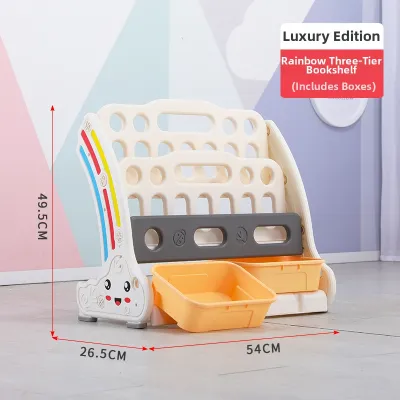
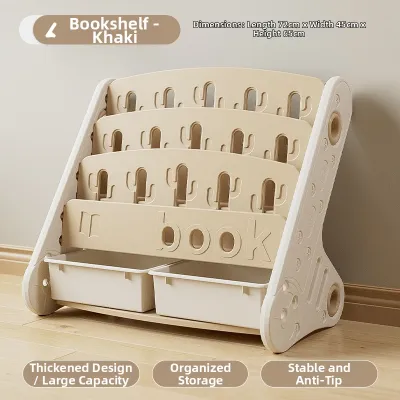
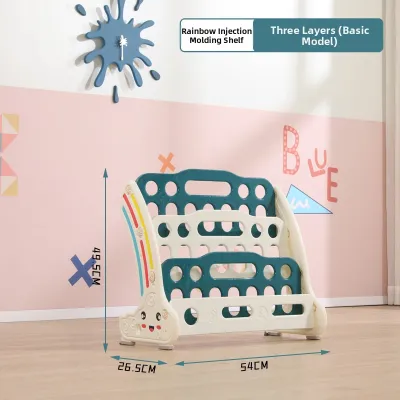
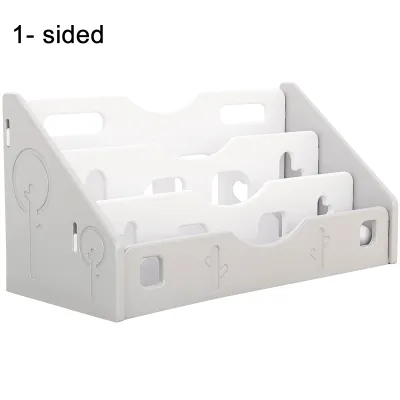
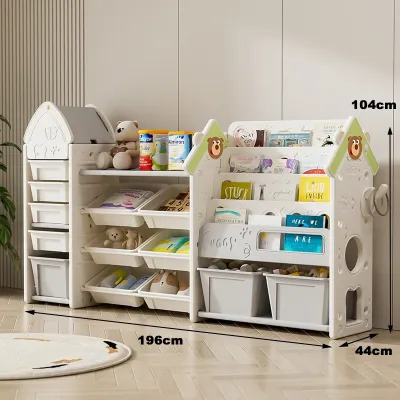
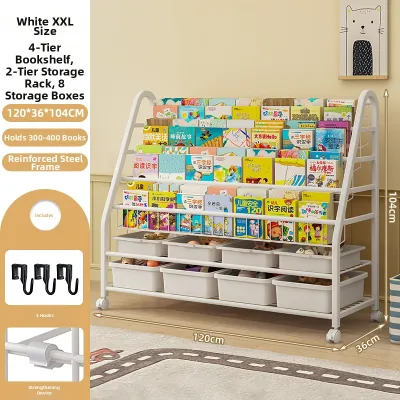
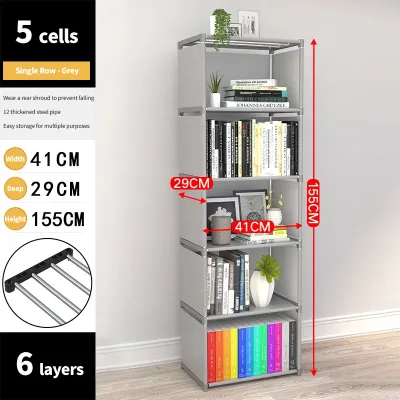
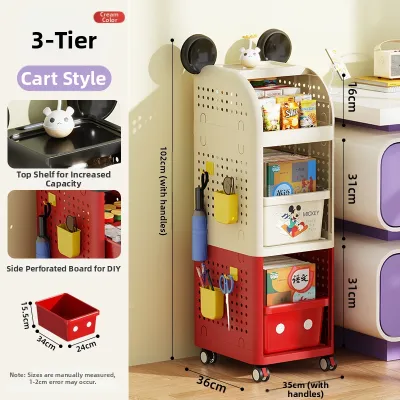
Prices are valid at publication and may change. Please refer to the product page for the latest price.
Once you have the physical room dimensions, estimate the volume and types of toys that require storage. Categorize the collection into distinct groups: large, bulky items like plush toys or play tents require spacious, open cubbies, whereas small, loose items like building blocks, toy cars, and art supplies are best managed with shallow shelves paired with removable bins. Measuring your largest toy sets or storage boxes beforehand ensures you select modular inserts with internal dimensions that can actually accommodate them.
It is also essential to plan for the inevitable expansion of your child’s toy collection. Children transition quickly from large, chunky toddler toys to smaller, highly detailed play sets, board games, and books that require different storage formats. Choosing a modular system with adjustable shelf heights and add-on units allows you to reconfigure the internal layout later, saving you from having to replace the entire storage system as your child grows.
Selecting Modular Shelf Dimensions for Compact Layouts
In tight Singaporean bedrooms and living rooms, standard furniture depths can quickly make a space feel cramped. A modular shelf depth of 30 to 35 centimetres is generally the sweet spot; it is deep enough to hold standard children’s books and medium-sized storage bins, yet shallow enough to preserve precious floor space for active play. For the width, choosing individual modular segments of 40 to 60 centimetres provides excellent structural stability and makes it much easier to rearrange the layout compared to single, wide units that span an entire wall.

Shelf height is a critical factor in encouraging child independence and maintaining a safe home environment. For toddlers and preschool-aged children, keep the active storage zone below 90 centimetres so they can easily reach and put away their own toys without assistance. For older children, you can extend the modular units up to 120 centimetres, reserving the higher shelves for parental supervision items, seasonal rotations, or decorative displays that do not need to be accessed daily.
Before finalizing your purchase, always verify the delivery and assembly conditions of the modular kits. While flat-pack furniture is easier to transport, you must ensure that pre-assembled frames or large modular panels can fit through your apartment’s main door, narrow corridors, and passenger lifts. Measure the lift door clearance and internal cabin height of your residential building to prevent unexpected delivery failures on the day of arrival.
Space-Saving Configurations for Small Homes in Singapore
When floor space is at a premium, building vertically is the most efficient way to maximize storage capacity. A tall, narrow modular configuration utilizes unused wall space while keeping the physical footprint on the floor to an absolute minimum. However, if you prefer to keep the room feeling open and airy, a low, horizontal configuration can run along the length of a wall, doubling as a low display bench or even a room divider to separate a play zone from the main living area.
Awkward architectural features, such as the space beneath low window sills or tight corners, can be fully utilized with the right modular shapes. Many HDB flats feature window sills positioned around 80 to 90 centimetres from the floor; choosing low-profile modular units allows you to turn these underused areas into dedicated toy zones. Step-shaped or asymmetrical modular arrangements can also be used to transition smoothly around corners or fit neatly next to larger wardrobes.
To maintain a clean, clutter-free aesthetic in multi-purpose rooms, aim for a balanced mix of open and closed storage. Open shelves are ideal for displaying books and favorite toys, which invites children to engage in creative play. Meanwhile, closed storage options, such as opaque plastic bins, fabric drawers, or wooden cabinet doors, are perfect for hiding mismatched toy parts, building blocks, and art supplies, instantly restoring visual order to the room when playtime is over.
Common Sizing and Placement Mistakes to Avoid
One of the most frequent mistakes when placing a toy shelf is failing to account for essential room utilities. Blocking power outlets, light switches, or air conditioning vents can restrict access to electricity and disrupt the airflow in the room. Always leave a gap of at least 5 to 10 centimetres between the side of the shelf and any wall-mounted utilities, and ensure that tall units do not interfere with the movement of curtains, blinds, or air conditioner louvers.
Another critical error is overlooking the necessity of anti-tip anchoring hardware, especially for modular configurations that exceed 90 centimetres in height. Children naturally climb on shelves to reach high-up items, creating a severe tip-over hazard. When planning your layout, identify the wall material—such as solid concrete or drywall partitions—to ensure you use the correct wall plugs, brackets, and screws recommended by the manufacturer for secure anchoring.
Finally, avoid the temptation to buy overly deep shelves under the assumption that more depth always equals better storage. Shelves deeper than 40 centimetres often cause smaller toys to get lost in the dark, hard-to-reach back rows, leading to forgotten items and unnecessary clutter. Deep shelves also protrude unnecessarily into walking paths, reducing the usable play area and making a small room feel significantly more confined than it actually is.
Frequently Asked Questions (FAQ)
Can I easily expand a modular toy shelf later?
Yes, most modular toy shelves are designed for future expansion, but you must verify a few key details before your initial purchase. Always check the manufacturer’s specifications to ensure that connection brackets, stacking pins, and side-by-side connectors are readily available for purchase. Additionally, keep in mind that manufacturers may update their product lines or color finishes over time, so buying core structural components early is recommended. Finally, always verify the maximum load capacity of the base units to ensure they can safely support the weight of any additional vertical modules you plan to stack on top.
What is the safest maximum height for a child's toy shelf?
For a freestanding modular shelf that is not anchored to the wall, the safest maximum height is typically 90 centimetres, though you must always refer to the manufacturer’s specific safety guidelines. Any modular configuration that exceeds this height, or any unit placed in a high-activity play area, must be securely anchored to the wall using appropriate anti-tip hardware. To ensure daily safety and ease of use, keep your child’s most frequently used toys stored at or below their shoulder level, allowing them to retrieve and tidy up their belongings safely without climbing or stretching.

Community discussion
Share your experience or ask a question. Comments are reviewed before publication.