
To fit comfortably in small Singapore apartments and tight HDB corridors, a thin bookshelf should ideally have a depth of 15 cm to 20 cm for standard novels and manga, or up to 25 cm to 30 cm for larger files and textbooks. The width should typically range from 40 cm to 60 cm per unit. These compact dimensions maximize vertical storage without encroaching on essential walkway clearances, ensuring your home remains both organized and safe.
Singapore flats and condominiums often feature narrow entryways, tight bedroom corners, or structural pillars that leave awkward, underutilized spaces. Selecting a thin book shelf rack requires balancing the physical dimensions of your books with the strict spatial limits of your floor plan. By focusing on precise measurements and safety standards, you can turn an empty wall or a tight passage into a functional home library.
Measuring Your Space for a Thin Bookshelf
Start your selection process by measuring the physical footprint of your target area. Measure the floor-to-ceiling height, the total wall width, and the maximum allowable depth. Do not just measure the open wall space; you must account for skirting boards at the base, which can push the bookshelf away from the wall and create an unstable gap behind the unit.
Products mentioned in this guide
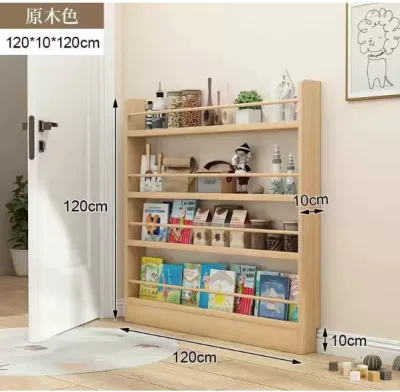
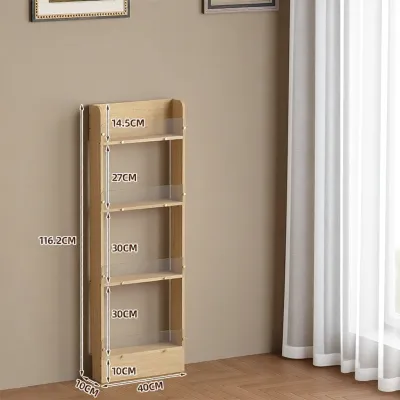
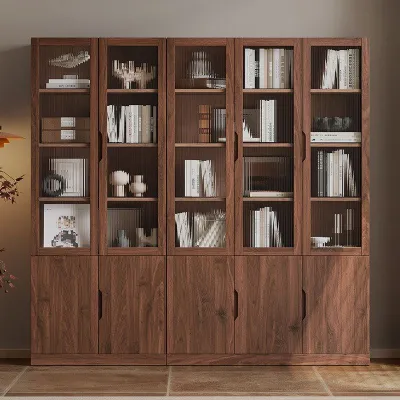
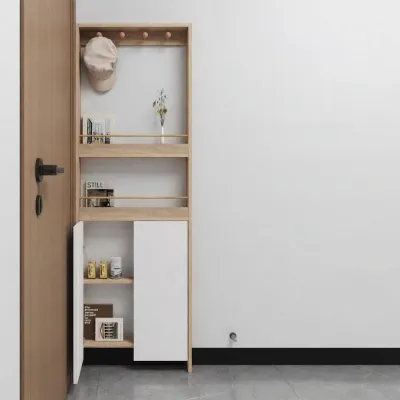
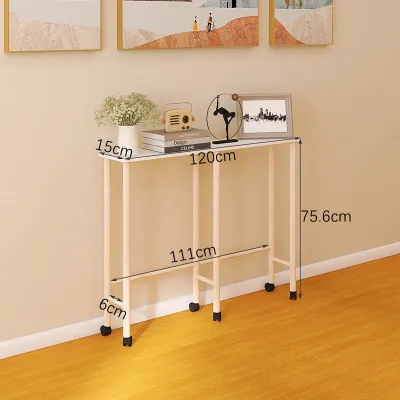
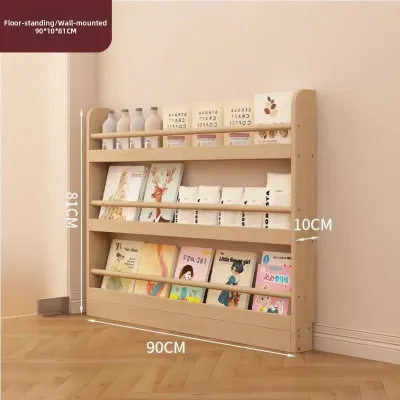

Prices are valid at publication and may change. Please refer to the product page for the latest price.
Identify architectural obstacles before making a purchase. Look for wall-mounted power outlets, light switches, internet ports, and distribution boards that are common in Singapore entryways. A bookshelf placed directly in front of these features will block access or sit unevenly, creating both convenience and safety issues.
Consider the pathway clearance and door swing zones in your layout. In small bedrooms or study rooms, measure how far wardrobe doors, room entry doors, or window panels swing open. Ensure the bookshelf depth does not obstruct these arcs or force you to squeeze past the unit during daily movement.
Address HDB corridor regulations if you are considering placing any storage unit in a shared common area. You must adhere strictly to Singapore Civil Defence Force fire safety guidelines. These rules require maintaining a minimum clear escape passage width to ensure safe evacuation and emergency access. Obstructing these pathways with furniture is a serious hazard and can lead to enforcement actions by your local town council.
Choosing the Right Depth for Your Books
Analyze your reading collection before choosing a shelf depth. Standard paperbacks, novels, and manga series generally require a shelf depth of only 15 cm to 18 cm. Choosing an ultra-thin profile for these items saves valuable floor space and prevents books from getting lost in deep, dark recesses.

Evaluate larger reading materials to avoid storage frustration. If your collection consists of A4 textbooks, reference manuals, design portfolios, or office files, you will need a deeper shelf of 25 cm to 30 cm. Attempting to force these larger items onto an ultra-thin shelf will cause them to overhang, which looks untidy and shifts the center of gravity forward.
Understand the physical trade-offs of thin furniture. A shallow depth means the unit has a narrow base, making it inherently more top-heavy when loaded with heavy books. To mitigate this risk, check the manufacturer’s specifications for the maximum load capacity per shelf and the overall weight limit of the unit.
Examine the material and construction details rather than assuming a material is automatically sturdy. Inspect the joint construction, shelf support pegs, and backing board thickness. Ensure the shelf depth aligns with the weight of your books, placing the heaviest volumes on the lowest shelves to maintain stability.
Determining the Ideal Width for Tight Layouts
Assess your wall space to decide between a single tall, narrow unit or multiple shorter modular racks. A single narrow unit utilizing vertical space efficiently in tight corners is ideal for small rooms. However, if you have a longer but narrow wall, placing two or three low-profile modular units side-by-side can create a cleaner visual line without overwhelming the room.
Maintain visual balance and walking clearance in your home. In narrow hallways or compact bedrooms, a wide, solid block of furniture can make the space feel claustrophobic. Opting for a narrower width or a design with open sides allows light to pass through, preserving a sense of spaciousness in tight Singapore layouts.
Plan for future collection growth to avoid mismatched furniture. If you expect your library to expand, verify if the bookshelf model belongs to a modular system. Choosing a standard, repeatable width allows you to add matching units side-by-side later, ensuring a cohesive look rather than a mismatched collection of different storage racks.
Securing Your Bookshelf in Narrow Spaces
Understand the critical necessity of securing thin furniture. Because thin bookshelves have a narrow footprint and a high center of gravity, they are highly susceptible to tipping over if pulled, bumped, or overloaded. This poses a severe safety hazard, particularly in homes with young children, pets, or elderly family members.
Identify your wall type to select the correct mounting hardware. Singapore homes typically feature concrete or brick structural walls, or drywall partitions in newer developments. Standard plastic wall plugs and screws work well for solid concrete, while specialized toggle bolts or hollow-wall anchors are required for drywall. Always refer to the manufacturer’s instructions for the recommended anchoring method.
Establish clear safety boundaries and stopping conditions. If you encounter extremely hard structural concrete, columns, or beams where drilling is restricted by building management, do not attempt to force a mount. In such cases, consult a qualified professional handyman or check your building’s renovation guidelines to find an approved, safe securing method.
Frequently Asked Questions (FAQ)
Can I place a thin bookshelf in an HDB corridor?
Common corridors in HDB estates are shared public spaces governed by strict fire safety regulations. To ensure emergency services and residents can evacuate safely, you must maintain a clear, unobstructed path of at least 1.2 meters. Before placing any furniture, including a thin bookshelf, outside your flat, you must check the latest guidelines from the Singapore Civil Defence Force and consult your local town council for approval. If corridor placement is not permitted or reduces the pathway below the legal limit, consider utilizing narrow indoor spaces such as the entryway foyer, behind living room doors, or along internal passage walls.
How do I prevent a thin bookshelf from tipping over?
To prevent a thin bookshelf from tipping, you must anchor it securely to the wall using the anti-tip hardware kit provided by the manufacturer. Follow the product manual step-by-step to install the brackets or straps correctly. Additionally, manage the weight distribution of your items by placing your heaviest books, files, and decorative objects on the bottom shelves. This lowers the unit’s overall center of gravity, significantly reducing the risk of accidental tipping. Always adhere strictly to the manufacturer’s assembly, weight capacity, and safety instructions.

Community discussion
Share your experience or ask a question. Comments are reviewed before publication.