
Finding the perfect bookshelf for a Singapore home requires balancing your reading collection with the physical realities of compact HDB flats and condominium apartments. To choose the right size, you must look beyond the simple floor area and consider vertical clearances, door swing paths, and delivery routes. By taking precise measurements and planning for daily movement, you can introduce a functional storage piece that enhances your room without making it feel cramped or closed in.
Step 1: Measure Your Available Floor and Wall Space
Start by identifying the exact wall where you plan to position your bookshelf. Do not rely on a single measurement across the floor, as walls in both older HDB flats and modern condos are rarely perfectly square. Take width measurements at three different points: near the floor, at chest height, and close to the ceiling. This helps you identify any bowing in the plaster or concrete that could prevent a wide, rigid bookshelf from sliding into place.
Next, examine the base of the wall for skirting boards or baseboards. These wooden or tiled profiles protrude from the wall, meaning your bookshelf cannot sit completely flush against the plaster unless the unit has a matching base cutout. Measure the thickness and height of your skirting boards, and subtract this thickness from your total available floor depth to determine the true footprint your furniture can occupy.
Products mentioned in this guide
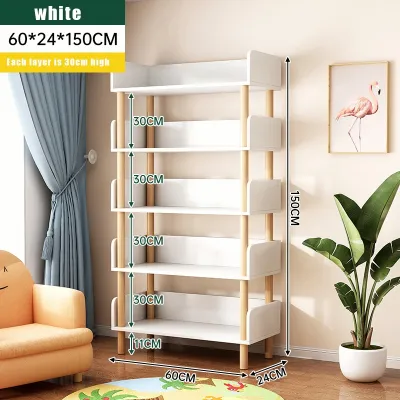
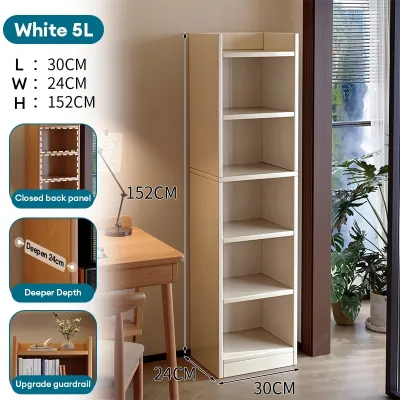
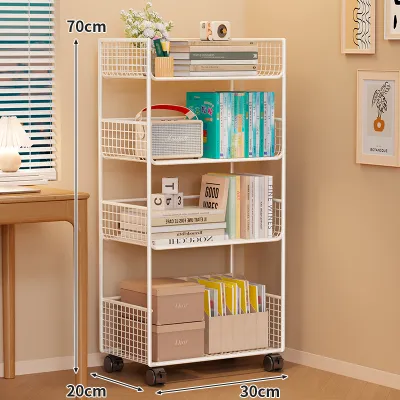
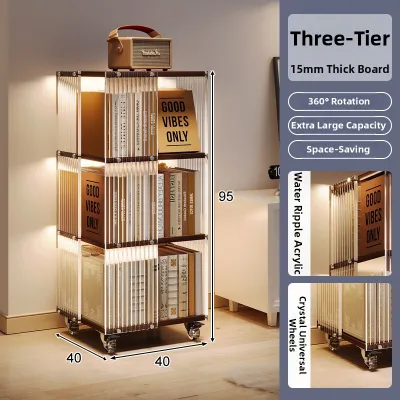
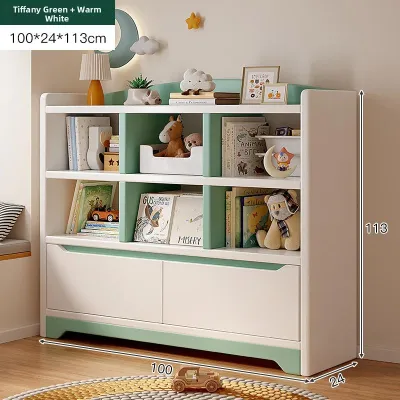
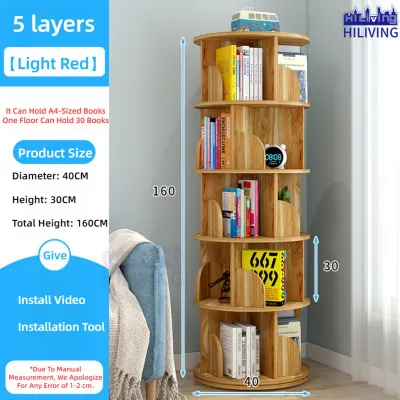
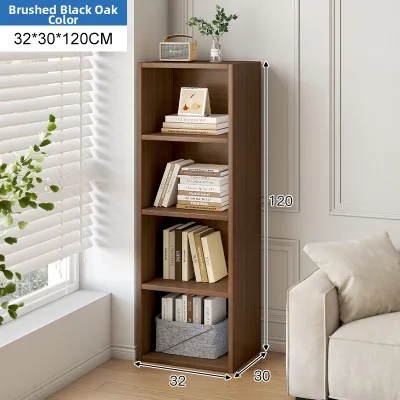
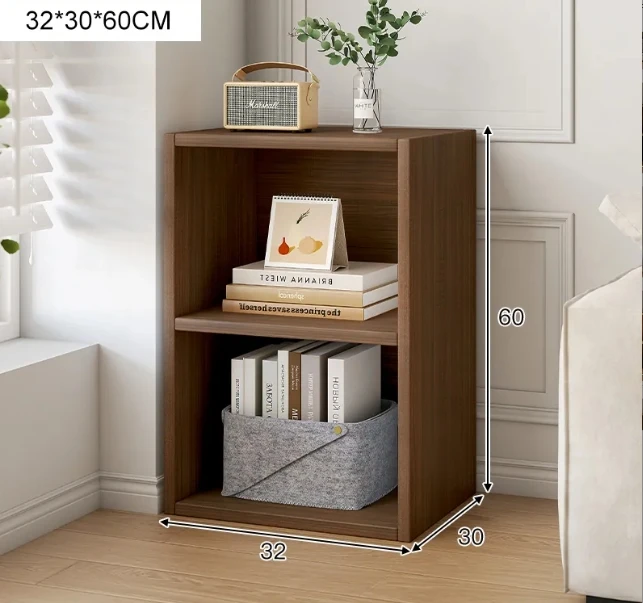
Prices are valid at publication and may change. Please refer to the product page for the latest price.
Finally, measure the vertical distance from the floor to the ceiling. In Singapore, vertical space is highly valuable for storage, but you must look out for overhead obstructions. Check for ceiling fans, light fixtures, air conditioning unit casings, and structural concrete beams. Pay close attention to white PVC air conditioning trunking, which often runs along the upper sections of HDB bedroom walls and can severely limit the maximum height of a tall bookcase.
Step 2: Account for Clearances and Room Flow
A bookshelf that fits physically on a wall can still disrupt the usability of a room if it blocks natural movement. Map out the swing arcs of all nearby doors, including bedroom entryways, built-in wardrobe doors, and windows. If you place a deep bookshelf too close to a doorway, you risk constant collisions or an inability to open doors fully, which restricts access and can damage both the furniture and the door frame.

Walkway clearance is another critical factor in compact layouts. In a typical study or bedroom, you need enough space to walk past the bookshelf comfortably without turning sideways. Ensure there is a clear path of travel in front of the shelves, especially if the room also accommodates a bed, desk, or armchair. If the bookshelf is placed behind a desk chair, leave enough room to push the chair back and stand up without hitting the shelving unit.
Do not forget about essential utilities. Look for power outlets, light switches, internet data points, and telephone jacks along the wall. Covering these utilities with a heavy, fully loaded bookshelf makes them inaccessible and can bend or damage plugged-in cables. If you must place the unit over an outlet, look for open-back bookshelf designs or plan to cut a precise cable access hole in the back panel during assembly, ensuring you maintain safe ventilation around electrical plugs.
Step 3: Match Bookshelf Dimensions to Your Layout
Once you have your maximum room boundaries, compare them directly against the finished external dimensions provided by the furniture manufacturer. Always verify the total height, width, and depth of the product listing before purchasing. Do not assume a “standard” size will fit; even a discrepancy of a few millimetres can prevent a flat-pack or pre-assembled unit from fitting into a tight alcove.
Consider the visual weight of the bookshelf in relation to your room’s layout. A tall, deep, dark-wood bookcase can easily overwhelm a small study, making the space feel claustrophobic and dark. For smaller HDB or condo rooms, opt for units with a shallower depth or an open-back frame that lets the wall color show through, which helps maintain a sense of openness.
If standard freestanding dimensions do not align with your measured space, explore alternative configurations. Modular shelving units allow you to build a custom setup by placing smaller blocks side by side or stacking them vertically to fit around structural columns. Wall-mounted shelves are another excellent option for tight spaces, as they keep the floor completely clear, though you must verify the load capacity of your walls and use appropriate wall anchors for concrete or drywall.
Step 4: Verify Delivery and Assembly Constraints
An overlooked aspect of buying furniture in Singapore is the journey from the delivery truck to your room. Measure the height and width of your main entrance door, internal corridor doors, and the elevator cabin doors in your building. If you live in a condominium or HDB block, the lift interior dimensions are the ultimate bottleneck for pre-assembled furniture; ensure the diagonal length of the bookshelf packaging can fit inside the lift cabin.
If your building does not have lift access or if the item is too large for the elevator, you must evaluate the stairwell. Measure the height of the stairwell ceiling, the width of the stairs, and the turning radius of the landings. Large, heavy flat-pack boxes or fully built units can easily get stuck on tight landing corners, leading to delivery failures or accidental damage to your walls and the furniture.
Finally, consider the assembly environment. Flat-pack bookshelves require a clear floor area inside the room for unboxing and assembly. Check if the manufacturer’s instructions require the bookshelf to be assembled flat on the floor and then raised upright. If your ceiling height is only slightly taller than the bookshelf, you might not have enough diagonal clearance to lift the assembled unit upright without scraping the ceiling; in such cases, professional on-site assembly or a modular design is highly recommended.
Common Sizing Mistakes to Avoid
One of the most frequent errors is measuring only the bare wall width while ignoring the floor depth and skirting boards. This oversight often results in a bookshelf that juts out past a door frame or sits at an awkward angle because the base cannot touch the wall. Always base your purchase on the narrowest and shallowest points of the designated space.
Another common mistake is failing to account for the depth of the items you plan to store. If your books, binders, or decorative storage boxes are deeper than the internal shelf depth, they will overhang the front edge. This not only looks untidy but also reduces your walkway clearance and increases the risk of items being knocked off the shelves as people walk past.
Lastly, if you choose a bookshelf that features integrated drawers, cabinets, or drop-down desks, you must account for the space required to open them. Failing to measure the clearance needed for cabinet doors to swing open or drawers to slide out fully can render your enclosed storage completely unusable in a tight room layout.
Frequently Asked Questions (FAQ)
How deep should a bookshelf be for standard books?
To determine the ideal depth, measure your largest books from the spine to the front edge. Most standard novels and paperbacks fit comfortably on shelves with an internal depth of 20 to 25 centimetres, while larger art books, academic binders, or storage baskets may require a depth of 30 centimetres or more. When browsing product listings, always check the internal shelf depth rather than just the external frame depth, as thick back panels and front frame details can reduce the actual usable storage space.
Can I place a bookshelf in front of a window?
Placing a bookshelf directly in front of a window is generally not recommended because it blocks natural light, restricts airflow, and limits your access for cleaning or opening the window. However, if space constraints leave you with no other choice, opt for a low-profile console bookshelf that sits below the window sill, or choose an open-back, ladder-style shelving unit. This setup allows natural light to filter through the shelves while keeping the window accessible for ventilation and emergency escapes.
Community discussion
Share your experience or ask a question. Comments are reviewed before publication.