
To fit a solid wood shelf into a compact HDB living room without overcrowding, you must balance the unit’s physical footprint with the room’s visual pathways. The ideal shelf size is not a single fixed number; rather, it is a proportional dimension that leaves at least 60 to 70 centimeters of clear walkway space and occupies no more than two-thirds of the target wall’s width. By choosing a depth that matches your specific storage needs—such as shallower shelves for standard novels and deeper ones only for large albums—you prevent the furniture from protruding awkwardly into your living zone.
Solid wood brings warmth and character to a home, but its natural density can easily dominate a small flat if scaled incorrectly. Achieving a balanced layout requires careful planning around your room’s existing layout, structural features, and daily traffic patterns. By focusing on proportional dimensions, smart mounting choices, and strategic placement, you can enjoy the beauty of natural timber without sacrificing precious floor space.
Assessing Your HDB Living Room Space
Before browsing online marketplaces or visiting local showrooms, you need to establish the exact physical boundaries of your living room. Grab a reliable measuring tape and map out the floor area where you intend to place the shelf. Do not rely on general floor plans, as actual built dimensions can vary slightly after plastering and renovation works. Identify any dead zones, awkward corners, or recessed wall segments that could house a custom-fit or modular unit.
Products mentioned in this guide
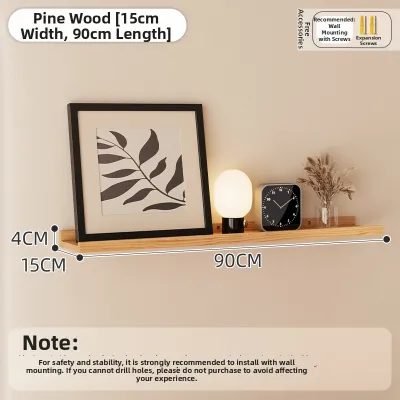
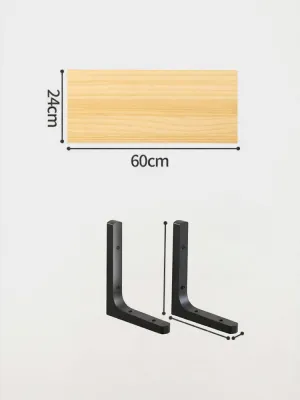
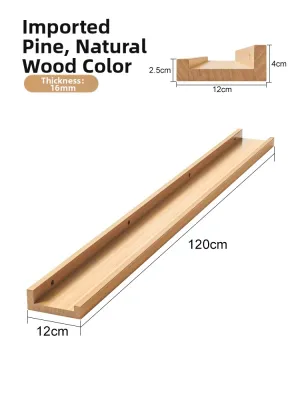
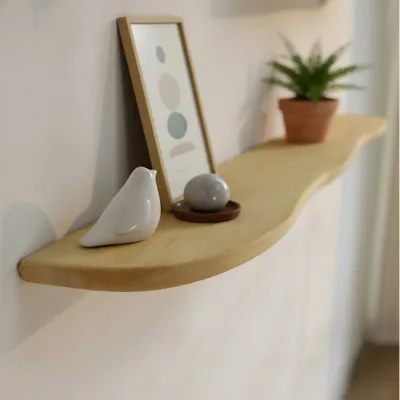
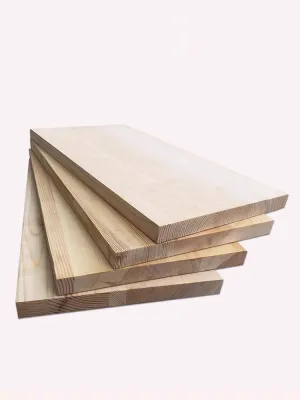
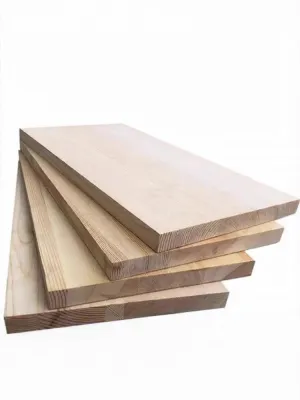
Prices are valid at publication and may change. Please refer to the product page for the latest price.
HDB flats often feature specific structural elements that dictate where furniture can safely sit. Look upward and check for overhead beam placements, which can restrict the height of tall freestanding shelves or create awkward visual gaps. Note the locations of wall-mounted air-conditioning units, light switches, and power outlets. Blocking an outlet with a heavy solid wood shelf limits your room’s functionality and makes plugging in electronics a major hassle.
Next, measure your existing furniture, such as the sofa, coffee table, and television console. A small living room requires a cohesive layout where pieces do not compete for space. Calculate the necessary walking paths between these items to ensure comfortable movement. Keep main thoroughfares clear of any obstructions so that family members can walk side-by-side without turning sideways or bumping into sharp wooden corners.
Proportional Dimensions for Solid Wood Shelves
When selecting a solid wood shelf, depth is the first critical dimension to evaluate. Standard novels and paperbacks typically require a shelf depth of only 20 to 25 centimeters, while larger display items or binders might need 30 centimeters. Choosing a shelf that is unnecessarily deep wastes valuable floor space and makes the unit look bulky. Opt for the shallowest depth that accommodates your items to keep the walkway as wide and open as possible.

The height of your shelf must harmonize with your HDB ceiling height, which is typically around 2.6 meters in standard flats. A floor-to-ceiling solid wood unit can feel incredibly heavy and overbearing in a small room, making the ceiling appear lower than it actually is. To maintain a sense of airiness, consider a mid-height shelf that stops around eye level, or leave at least 30 to 40 centimeters of open space between the top of the shelf and the ceiling. This gap allows light to pass over the unit, reducing its visual impact.
Width is equally important when balancing the proportions of your wall segment. A shelf that stretches from corner to corner can make a small room feel boxed in. Instead, aim to leave breathing room on both sides of the unit. Leaving a clear margin of wall space on either side helps frame the shelf as a deliberate design choice rather than a forced storage solution, making the entire living room feel more organized and spacious.
Visual Weight and Mounting Considerations
The way a shelf is supported plays a massive role in how much space it seems to occupy. Freestanding solid wood shelves are sturdy and easy to move, but their solid bases block the floor view, which can make a room feel smaller. Elevated-base designs with tall, slender legs lift the bulk of the wood off the ground, allowing you to see the floor underneath and creating an illusion of extra space. Alternatively, wall-mounted floating shelves eliminate floor contact entirely, keeping your sightlines clear and open.
Before committing to a heavy wall-mounted solid wood shelf, you must evaluate your wall type and its load-bearing capacity. Standard HDB internal walls are often made of lightweight concrete panels or drywall, which require specialized anchors and have strict weight limits. Solid wood is naturally heavy, and when loaded with books, the total weight can be substantial. Always verify your wall construction and consult a professional installer to ensure the mounting system can safely support both the shelf and its contents.
The choice of wood tone and configuration also influences visual weight. Darker timbers like walnut or stained oak tend to look heavier and draw the eye inward, which can make a small room feel cozy but potentially cramped. Lighter wood tones, such as oak, ash, or rubberwood, reflect more light and blend more easily into neutral walls. Additionally, open-backed configurations that let the wall color show through look significantly lighter than closed-back cabinets, helping to maintain an airy atmosphere.
Placement and Clearance Rules
To maintain a functional and comfortable living room, you must establish clear placement rules. Keep the shelf well away from high-traffic pathways, such as the entry to the kitchen or the corridor leading to the bedrooms. Ensure there is ample clearance between the shelf and your main seating areas so that guests do not feel crowded when sitting down or standing up. If your dining zone is integrated into the living space, check that dining chairs can be pulled out fully without striking the wooden frame.
Avoid placing solid wood shelves directly next to windows, balcony doors, or air-conditioning units. Direct sunlight can cause natural timber to fade or crack over time, while the direct draft from an air conditioner can introduce rapid temperature and humidity fluctuations. Furthermore, ensure the shelf does not block the natural airflow or restrict the opening angles of doors and windows, which are essential for keeping your flat cool and well-ventilated.
Safety must always be a priority, particularly for taller freestanding units. Solid wood shelves are top-heavy by nature, especially when loaded with books on the upper tiers. If you have children or pets in the household, secure the shelf to the wall using appropriate anti-tip brackets and anchors. Regularly check the stability of the unit and ensure that the weight is distributed evenly, placing heavier items on the bottom shelves to lower the center of gravity.
Common Sizing Mistakes to Avoid
One of the most frequent mistakes buyers make is confusing the advertised shelf board depth with the total external depth of the unit. Many solid wood shelves feature decorative crown moldings, protruding baseboards, or rear structural supports that add several centimeters to the overall footprint. Always check the manufacturer’s detailed specification sheet for the finished external dimensions to ensure the unit will actually fit into your planned space.
Another common oversight is failing to account for the functional clearance of surrounding items. A shelf might fit perfectly on paper, but it can quickly become a nuisance if it blocks the swing radius of an adjacent door or prevents a nearby recliner from extending. Measure the clearance needed for drawer pull-outs, cabinet doors, and the movement of nearby furniture before finalizing your purchase.
Lastly, avoid the temptation to buy a single massive, solid unit to solve all your storage needs. While a large cabinet might seem efficient, it often dominates a small room and leaves no flexibility for future layout changes. Instead, consider using modular or staggered pieces. Combining a low console with a few floating shelves breaks up the visual bulk, provides versatile storage, and allows you to adapt the arrangement as your needs evolve.
Frequently Asked Questions (FAQ)
Can I place a solid wood shelf over an HDB household shelter door?
No, you should not place or mount any heavy furniture, including solid wood shelves, directly over or on an HDB household shelter door. The household shelter is a critical safety structure, and HDB guidelines strictly prohibit any modifications, drilling, or mounting of fixtures onto the shelter door or its frame. Additionally, the area immediately surrounding the shelter door must remain clear of heavy obstructions to ensure the door can be opened fully and accessed quickly in an emergency. If you place a freestanding shelf nearby, ensure it is positioned well away from the door’s swing path and securely anchored to a non-shelter wall.
How do I protect my solid wood shelf from Singapore's humidity?
To protect your shelf from Singapore’s tropical climate, always check the manufacturer’s care instructions regarding finishes and sealants, as a high-quality protective lacquer or wax coating helps shield the wood from moisture absorption. Avoid placing the shelf in direct contact with damp walls or in areas with poor ventilation. Regularly inspect the timber for early signs of warping, mold, or finish degradation, and use a dry or slightly damp microfiber cloth for cleaning rather than wet wipes or harsh chemical cleaners.

Community discussion
Share your experience or ask a question. Comments are reviewed before publication.