
Finding the right plastic drawer cabinet for a typical HDB bedroom requires balancing storage capacity with the physical realities of compact floor plans. In most standard HDB layouts, where bedroom space is shared with a queen-sized bed, a wardrobe, and perhaps a study desk, floor space is at a premium. A cabinet that is too deep will quickly turn a comfortable walkway into a frustrating bottleneck, while one that is too small will fail to solve your storage needs. To maintain an open, easy-to-navigate room, you must look beyond the basic width and depth of the cabinet and consider how the unit interacts with your daily movements.
Measure Your Bedroom and Calculate Walkway Clearances
Before browsing online marketplaces or visiting home goods stores, you must establish the maximum physical footprint your bedroom can accommodate. Start by using a metal measuring tape to find the exact width and depth of the designated wall space, alcove, or corner. Avoid relying on smartphone measuring apps, as they can introduce small errors that lead to a cabinet overlapping a doorway or a power outlet.
A standard comfortable walkway in a bedroom requires at least 60 cm of clear space, though 70 cm is ideal for carrying laundry or moving freely. Mark this walkway boundary on your floor with masking tape to visualize the remaining footprint. This visual guide helps you see exactly how much space remains for furniture without compromising your daily movement.
Products mentioned in this guide
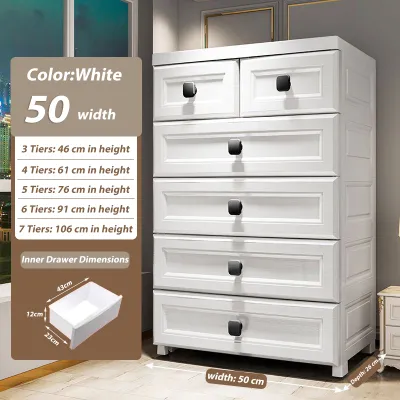
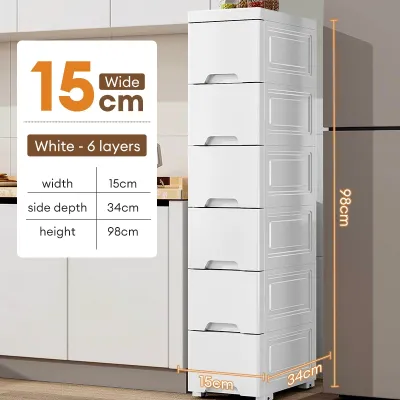
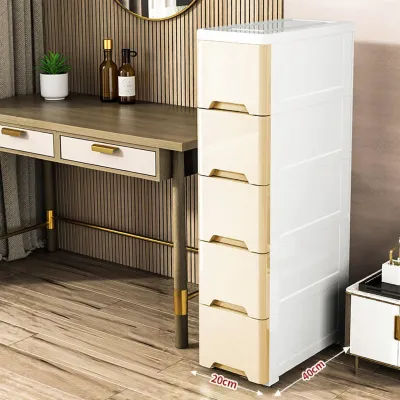
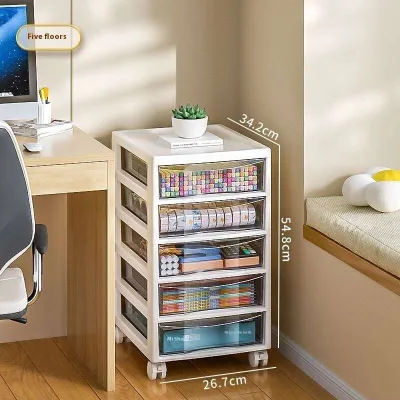
![(JIJI.SG) Modern Storage Drawers [L] & [XL] Cabinet / Cabinets - Plastic Storage Box Drawer / Household / Bedroom Furniture / jt](https://img.lazcdn.com/g/p/86a3a887a1319a62564287336c7aed89.jpg_400x400q80.jpg_.webp)
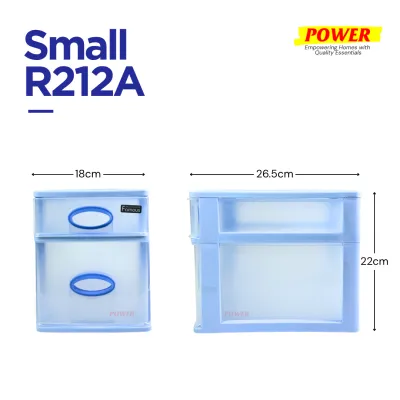
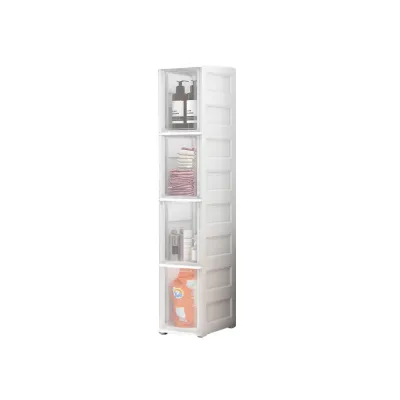
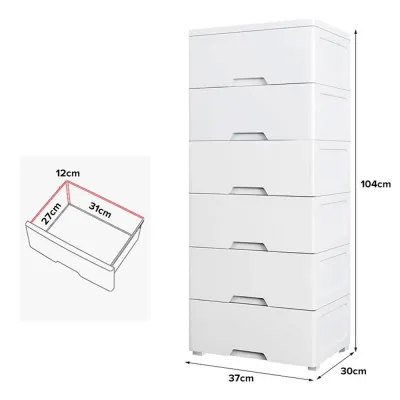
Prices are valid at publication and may change. Please refer to the product page for the latest price.
Next, account for the swing radius of all doors in the room, including the main bedroom door, wardrobe doors, and even nearby window panes. A cabinet placed too close to a door frame can prevent the door from opening fully, creating an annoying obstruction. Measure the arc of these doors and ensure the proposed cabinet location sits entirely outside this zone.
Architectural features such as window sills, heavy curtains, and wall-mounted trunking also restrict how close a cabinet can sit to the wall. If your curtains fall to the floor, you must subtract about 5 to 10 cm from your available depth to prevent the cabinet from crushing the fabric. Similarly, protruding window sills can prevent tall cabinets from sitting flush against the wall.
Finally, identify the primary traffic paths in the bedroom, such as the route from the door to the bed, or from the bed to the wardrobe. Placing a cabinet in these high-traffic zones increases the risk of stubbed toes and accidental bumps. Keeping these pathways completely clear ensures the room feels spacious and remains safe to navigate in the dark.
Translate Your Measurements into Cabinet Dimensions
Once you have your maximum footprint, you can translate these measurements into specific cabinet dimensions. Standard plastic drawer cabinets typically range from 30 cm to 60 cm in width. If you have a narrow, unused gap next to a wardrobe, a slim 30 cm to 40 cm modular tower is ideal. For wider, open wall segments, a 50 cm to 60 cm unit provides more stable storage.

Depth is the most critical dimension when it comes to preserving walkway space. While a cabinet might have a static depth of 40 cm, you must account for the depth when a drawer is fully extended. A drawer typically pulls out by an additional 30 cm to 35 cm, meaning you need at least 70 cm to 75 cm of total clearance during use. Choosing a shallow-depth cabinet of 35 cm to 40 cm helps ensure the drawers can open fully without hitting the bed frame.
Utilizing vertical space is an excellent way to maximize storage without expanding the footprint. Tall cabinets with five or six drawers can reach heights of 120 cm to 150 cm, offering significant storage capacity. However, you must check that a tall unit will not block light from windows or overhead fixtures, and that it remains stable when fully loaded.
Always subtract a small safety buffer of 2 to 3 cm from your maximum measured dimensions before making a purchase. This buffer accounts for uneven walls, skirting boards, and the slight physical variance common in molded plastic furniture. It ensures that the cabinet will fit comfortably into its designated spot without needing to be forced.
Check Space-Saving Features on Plastic Cabinets
When selecting a plastic drawer cabinet, specific design features can significantly impact its space efficiency and safety in a compact bedroom. Some plastic cabinets come with removable wheels, also known as casters. While wheels make it incredibly easy to roll the cabinet away for floor cleaning, they can reduce overall stability and add unnecessary height; stationary flat legs are generally safer for tall units.
In tight walkways, a drawer that pulls completely out of its frame can cause spills or injuries. Look for cabinets featuring built-in drawer stoppers that catch the drawer at its maximum extension, along with smooth roller glides that prevent sticking. These features allow you to access your items quickly and safely, even when standing in a narrow gap.
Plastic is lightweight but can bow under heavy loads over time. Check the manufacturer’s specifications for the maximum weight capacity per drawer, and avoid storing heavy books or tools in units designed for clothing and toys. Distributing weight evenly across the drawers helps maintain the structural integrity of the cabinet.
Inspect the interlocking joints of the plastic frame before assembly. A reinforced, double-walled frame offers better structural rigidity, ensuring the cabinet does not sway or lean when you open the top drawers. Smooth, rounded edges are also preferable, as they minimize the risk of scrapes if you accidentally brush past the cabinet in a narrow walkway.
Avoid Common Sizing and Placement Mistakes
One of the most frequent mistakes is overlooking skirting boards at the base of the wall. Skirting boards typically protrude by 1 to 1.5 cm, preventing the cabinet from sitting completely flush against the wall. If your measurements are tight, this small gap can cause the front of the cabinet to stick out into the walkway.
Another common error is forgetting to measure the space required for the user to stand while accessing the drawers. You need an additional 30 to 40 cm of space in front of the fully opened drawer to stand, bend, and access your items comfortably. If the space between the cabinet and the bed is exactly equal to the drawer extension, you will have to stand to the side to open it.
Do not assume that a wider plastic cabinet is automatically stable. Because plastic is inherently light, a wide but shallow cabinet can still become top-heavy and unstable if loaded incorrectly or placed on an uneven floor. Always verify the base footprint and check if the manufacturer recommends anti-tip brackets.
Finally, avoid blocking essential utility lines such as electrical outlets, light switches, or air-conditioning trunking. Blocking these features not only makes daily life inconvenient but can also create safety hazards. Ensure you have clear, unhindered access to all switches and outlets after the cabinet is installed.
Frequently Asked Questions (FAQ)
Can I place a plastic drawer cabinet directly against an HDB air-con trunking?
It is best to keep a clearance of at least 5 to 10 cm from any air-conditioning trunking. This gap allows proper air circulation to prevent condensation buildup, which can lead to mold on both the wall and the cabinet. It also ensures technicians can access the trunking for servicing without requiring you to completely move or empty your storage setup.
How do I prevent a tall plastic drawer cabinet from tipping over?
To secure a tall cabinet, always load the heaviest items—such as bed linens or winter wear—in the bottom drawers to lower the center of gravity. If the manufacturer provides an anti-tip kit, install it using wall plugs suitable for your specific wall type. For rental units where drilling is restricted, choose a wider, lower cabinet profile to naturally minimize tipping risks.

Community discussion
Share your experience or ask a question. Comments are reviewed before publication.