
Finding the right balance between storage and floor space in a Singapore HDB bedroom is a common challenge. While built-in wardrobes offer a seamless look, a movable cupboard provides the flexibility to rearrange your layout, adapt to changing household needs, or take your furniture with you when you move. However, because HDB bedrooms—especially in newer Build-To-Order (BTO) flats—are highly optimized for space, introducing a freestanding unit requires careful planning. If the cupboard is even slightly too deep or wide, it can turn a comfortable bedroom into a cramped obstacle course. To select a unit that fits perfectly, you must look beyond the basic product dimensions and evaluate how the piece interacts with your room’s physical boundaries, daily traffic paths, and structural features.
Map Your HDB Bedroom Layout and Walkway Clearances
Before browsing online marketplaces or visiting local furniture showrooms, you need a clear picture of your bedroom’s actual floor dynamics. Start by identifying the primary pathways you use every single day, such as the route from the bed to the entrance door, the path to the wardrobe or bathroom, and the access way to the windows. A highly effective way to visualize these traffic zones is to use low-tack masking tape directly on your flooring. By taping out the proposed footprint of the movable cupboard, you can physically walk around the room to see if your natural movement feels restricted or if you are forced to turn sideways to pass.
When measuring the available floor space, do not rely solely on wall-to-wall dimensions. In HDB flats, several architectural elements can reduce your usable footprint. Take note of skirting boards along the base of the walls, which often prevent furniture from sitting completely flush against the wall. Additionally, look out for wall-mounted power sockets, light switches, and air-conditioning trunking that might run along the lower or mid-sections of your walls. If your cupboard blocks a power outlet, you lose access to essential plugs, and pushing the unit against the plug head can damage both the cord and the outlet.
Products mentioned in this guide
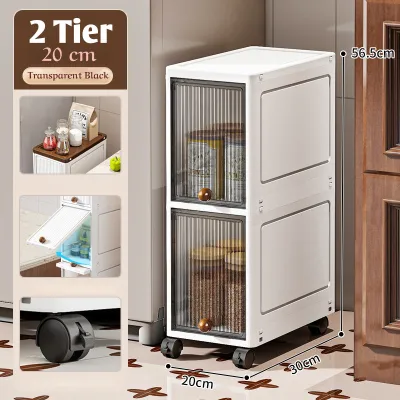
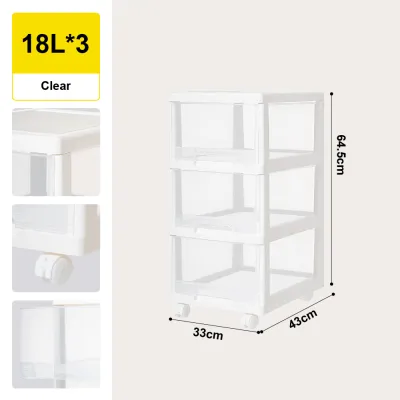
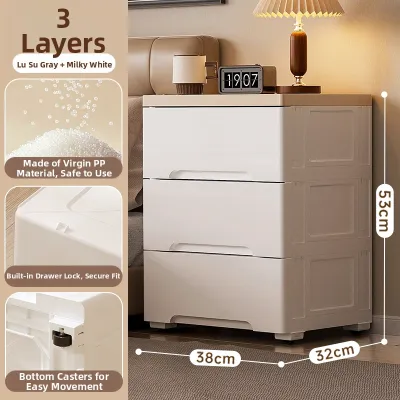
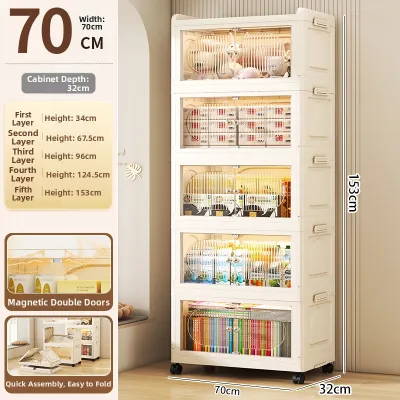
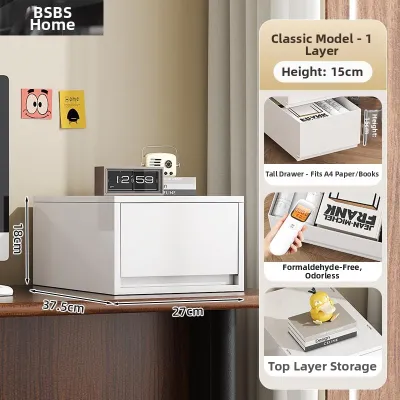
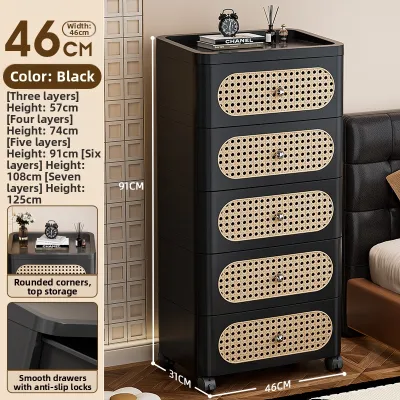
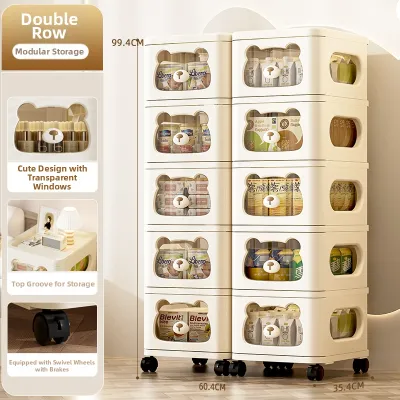
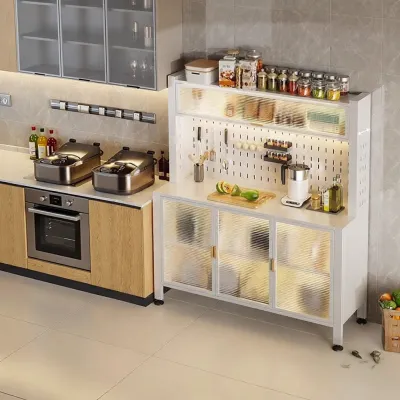
Prices are valid at publication and may change. Please refer to the product page for the latest price.
To establish comfortable clearance zones, observe how much space you need to move naturally. While standard design guidelines often suggest general clearance ranges, your personal comfort is the ultimate test. Ensure that when you stand beside the bed or open adjacent drawers, you still have ample room to bend down or reach up. If the cupboard is placed near the bedroom door, verify that the door can swing fully open to at least a ninety-degree angle without striking the side of the cupboard, as a restricted doorway makes moving laundry baskets or luggage highly inconvenient.
Balance Cupboard Dimensions With Your Storage Needs
Selecting the right movable cupboard is a balancing act between minimizing its physical footprint and maximizing its internal storage capacity. To do this effectively, conduct a quick inventory of what you plan to store. If your wardrobe consists primarily of long dresses, winter coats, or formal shirts, you will require a configuration dominated by hanging rails. Conversely, if you store folded t-shirts, activewear, and bed linens, a unit with multiple shelves or pull-out baskets will serve you much better. Understanding this balance prevents you from buying a cupboard that is larger than necessary simply because the internal layout is inefficient.

The door configuration of the cupboard plays a massive role in how much space it occupies in your room. Single-door units are highly versatile for tight corners, while double-door designs offer wider access but require a larger clear area in front of them. If floor space is exceptionally tight, consider open-rack configurations or units with fabric covers. Open racks eliminate door clearance issues entirely and create a visually lighter feel in a small room, though they require you to keep your storage organized to avoid a cluttered appearance.
To get the most storage out of a compact footprint, prioritize vertical space. Instead of choosing a wide, low cupboard that eats up valuable floor area, look for taller units that utilize the unused space closer to the ceiling. This approach allows you to store seasonal items, extra bedding, or less frequently used accessories on the highest shelves, keeping your daily essentials within easy reach below. Just ensure that the unit remains stable at its full height and does not interfere with any overhead fixtures.
Check Door Swing, Depth, and Mobility Constraints
One of the most common oversights when purchasing a movable cupboard is failing to account for the space required to actually use the furniture. If you choose a model with traditional hinged doors, you must calculate the door swing radius. Measure the width of the cupboard doors and project that distance outward into your walkway. If the open door collides with your bed frame, bedside table, or the bedroom entry door, you will find it incredibly frustrating to retrieve your clothes. In tight layouts, sliding doors or folding accordion-style doors are excellent alternatives, as they operate entirely within the unit’s own footprint or require minimal outward clearance.
Cupboard depth is another critical dimension that directly impacts walkway comfort. Standard clothes hangers typically require a cupboard depth of at least 50 to 60 centimetres to allow clothes to hang straight without getting pinched by the doors. If your walkway is too narrow to accommodate a standard-depth cupboard, look for shallow-depth models. These specialized units often feature pull-out hanging rods that run from back to front rather than left to right, allowing you to hang clothes parallel to the door and significantly reducing the cupboard’s overall depth.
Since mobility is a key benefit of a movable cupboard, pay close attention to the caster wheels. Ensure the wheels are suitable for your specific bedroom flooring, whether you have vinyl wraps, parquet wood, or polished ceramic tiles. Hard plastic wheels can scratch delicate wood surfaces, so look for casters with softer polyurethane or rubber coatings. Crucially, verify that the wheels feature reliable locking mechanisms. At least two of the casters should have robust locks to keep the cupboard firmly in place during daily use, preventing it from shifting or rolling when you open doors or reach for items.
Avoid Common Sizing and Placement Mistakes
A successful installation relies on accounting for the small details that are easily missed during the planning phase. Always check the manufacturer’s specifications for the total external dimensions, including any protruding parts. Many product listings only state the main cabinet body dimensions, omitting the thickness of the back panel, protruding door handles, decorative top cornices, or the extra height added by the caster wheels. Measuring only the cabinet frame can result in a unit that is just a few centimetres too tall or deep for your designated space.
Next, look upward to identify potential overhead obstructions. In HDB bedrooms, ceiling fans, wall-mounted air-conditioning units, and structural beams are common features that restrict where tall furniture can stand. Placing a tall cupboard too close to a ceiling fan is a serious safety hazard, while positioning it directly under an air-con unit can block the airflow and make routine filter maintenance or servicing incredibly difficult. Always leave sufficient clearance below these fixtures to ensure safe operation and easy access.
Finally, never push your movable cupboard completely flush against the bedroom wall. Singapore’s tropical climate brings high humidity levels, which can lead to moisture trapping and mould growth in stagnant, unventilated spaces behind large furniture. To prevent this, plan for a small ventilation gap of at least two to five centimetres between the back of the cupboard and the wall. This gap allows air to circulate freely, protecting both your bedroom walls and the contents of your cupboard from dampness and musty odours.
Frequently Asked Questions (FAQ)
Can I place a movable cupboard directly against an HDB bedroom window?
Placing a movable cupboard directly against an HDB bedroom window is generally not recommended. Doing so blocks natural light from entering the room and restricts fresh air circulation, which can make a small bedroom feel dark and stuffy. It also hinders your ability to open, close, or clean the windows safely. If you must place the cupboard near a window, ensure there is a generous setback distance. This gap allows you to operate window latches easily, provides clearance for curtains or blinds to hang naturally, and ensures you can access the area for regular cleaning to prevent dust buildup.
How do I prevent a tall movable cupboard from tipping over?
To ensure safety, especially in active households, a tall freestanding cupboard must be properly stabilized. When selecting a unit, look for designs with a wide, stable base and place heavier items on the bottom shelves to maintain a low center of gravity. If the manufacturer provides anti-tip hardware, such as safety straps or brackets, install them strictly according to their instructions. For HDB flats with concrete or masonry walls, you will need to use appropriate wall plugs and screws to secure the straps firmly. If you frequently move the cupboard, always remember to disengage any wall anchors before rolling the unit, and re-secure them immediately once the cupboard is in its new position.

Community discussion
Share your experience or ask a question. Comments are reviewed before publication.