
Shortlisting a certified safe solid wood single bed for your child requires a methodical approach that prioritizes verified safety standards over aesthetic appeal. In Singapore’s humid climate, children’s furniture must not only withstand active daily use but also remain structurally stable and chemically inert. To build a reliable shortlist, parents must look beyond generic marketing claims and focus on three core pillars: recognized international safety certifications, transparent brand compliance records, and rigorous physical inspections of the bed’s construction. By systematically verifying these factors, you can ensure your child’s sleeping environment is free from structural hazards, toxic off-gassing, and design flaws.
Recognized Safety Standards for Children's Furniture
In Singapore, while general consumer goods are monitored under local safety guidelines, children’s furniture often relies on voluntary international standards to prove its safety credentials. When evaluating a solid wood single bed, the most reliable benchmarks come from established international testing bodies. The European standard EN 747 is particularly crucial if you are considering elevated single beds, mid-sleepers, or bunk beds, as it specifies stringent requirements for structural safety, strength, and durability. For standard single beds, standards such as EN 716 or the American ASTM F1427 provide excellent frameworks for assessing overall stability and entrapment prevention.
These certifications are not mere formalities; they represent rigorous physical testing. Laboratory tests simulate years of dynamic use, applying heavy loads to the frame, guardrails, and slats to ensure they will not crack or collapse under sudden impacts. Furthermore, entrapment testing ensures that any gaps in the headboard, footboard, or guardrails are designed to prevent a child’s head, neck, or limbs from becoming trapped. For instance, standards dictate that gaps must either be small enough to prevent a limb from entering or large enough to allow the body to pass through safely, eliminating dangerous intermediate zones.
Products mentioned in this guide
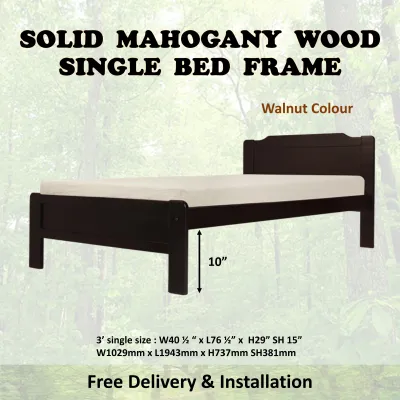
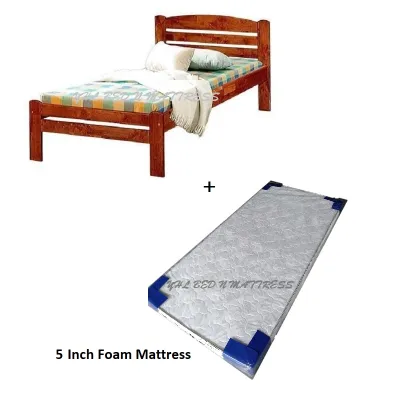
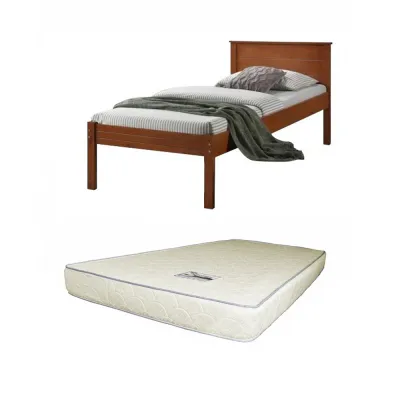
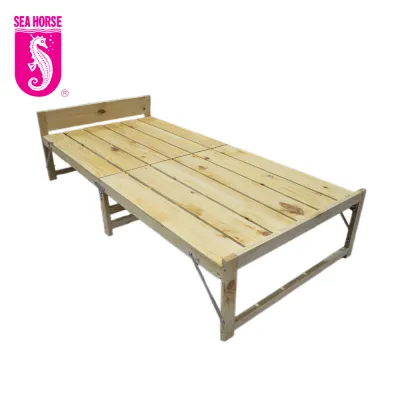
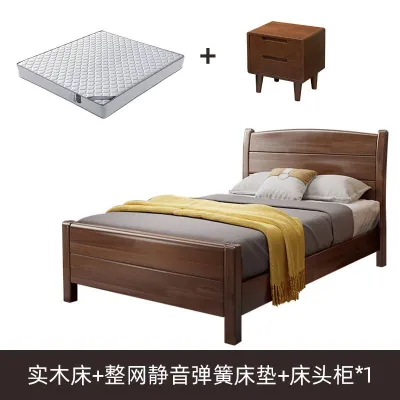
Prices are valid at publication and may change. Please refer to the product page for the latest price.
Chemical safety is another critical dimension covered by these standards. The European standard EN 71-3 (Safety of Toys – Part 3: Migration of certain elements) is widely regarded as the gold standard for testing finishes, lacquers, and paints used on children’s furniture. This test ensures that even if a child chews on the bed frame, no harmful heavy metals—such as lead, antimony, or arsenic—will migrate into their system. Additionally, look for Greenguard Gold certification, which guarantees that the finished product meets some of the world’s most rigorous third-party chemical emissions standards, helping to maintain clean indoor air quality in your child’s bedroom.
To verify these claims, parents should ask retailers for a copy of the official test report or a Declaration of Conformity. A genuine certificate will clearly state the testing laboratory (such as TÜV SÜD, SGS, or Intertek), the specific product model tested, the exact standards applied, and the date of the test. Be cautious of brands that display generic safety logos on their websites without providing these verifiable documents upon request.
Evaluating Brand Compliance and Transparency
Assessing a brand’s transparency is a highly effective way to gauge the safety of their solid wood single beds. Reputable brands make their compliance records and third-party testing reports easily accessible to the public or readily available through customer service channels. When researching a brand, check their official website for dedicated safety pages, downloadable user manuals, and detailed material specifications. A brand that openly shares its testing processes and sourcing practices demonstrates a commitment to safety that goes beyond basic marketing.

It is also important to understand the difference between brands that design and manufacture their furniture in-house versus those that white-label mass-produced items. In-house manufacturers maintain direct control over their entire supply chain, from selecting the raw timber to applying the final topcoat. This direct oversight makes it much easier for them to enforce strict quality control measures and guarantee that every production batch meets safety standards. Conversely, white-label brands import pre-made beds from various third-party factories and sell them under their own name. This setup can make quality control inconsistent, as the brand may have limited visibility into the specific adhesives, finishes, or wood grades used in different production runs.
Where you purchase the bed also plays a significant role in ensuring safety. Buying directly from official brand showrooms or authorized furniture retailers in Singapore is the safest route. These established channels are legally accountable for the products they sell and are more likely to offer genuine warranties and reliable customer support. In contrast, purchasing from unverified sellers on open online marketplaces increases the risk of buying counterfeit or substandard products that bypass local safety checks. Visiting a physical showroom also allows you to interact with the product firsthand, giving you a clearer sense of its build quality and material integrity.
Physical and Structural Checks for Solid Wood Beds
While paper certifications provide a strong foundation, performing a physical inspection of the solid wood single bed is an indispensable step. Begin by examining the joint construction and hardware quality. High-quality solid wood beds utilize robust joinery techniques, such as mortise and tenon joints or heavy-duty metal-to-metal barrel nut and bolt connections. Avoid beds that rely primarily on simple wood screws driven directly into the timber; over time, especially with softer woods like pine, these screws can strip the wood fibers, leading to loose joints, wobbling, and eventual structural failure.
Next, evaluate the stability and weight capacity of the bed frame. A safe children’s bed should feel solid and unyielding when you apply force to the headboard or side rails. Ask the manufacturer for the specified weight capacity, keeping in mind that a child’s bed should ideally support the weight of an adult as well, allowing you to sit comfortably beside your child during bedtime reading. The slat system is another critical structural component; ensure the slats are made of sturdy solid wood, are spaced closely together (typically no more than 7.5 cm apart), and are securely fastened to the side rails to prevent them from shifting or falling through.
Physical hazards must be meticulously checked. Run your hands along the edges of the bed frame to ensure all corners are rounded and smooth, minimizing the risk of injury from accidental bumps. Inspect the hardware to confirm that all bolts and screws are recessed or flush with the wood surface; protruding hardware can snag clothing or cause scratches. Additionally, measure any gaps between the mattress and the bed frame, as well as the spacing between guardrail slats, to ensure they do not present entrapment hazards.
Finally, verify the type of wood finish used on the frame. In Singapore’s warm and humid climate, solid wood furniture must be properly sealed to prevent warping, cracking, and mold growth. However, the sealant used must be safe for children. Look for water-based lacquers, natural oils, or wax finishes that are certified low-VOC (volatile organic compounds). These finishes protect the wood from moisture while ensuring that the bed does not release harmful chemical fumes into your child’s bedroom, which is particularly important in air-conditioned spaces with limited ventilation.
Building Your Shortlist from Product Listings
Creating a systematic shortlist from online product listings requires a critical eye and a structured approach. When browsing local ecommerce platforms or furniture websites, use specific search terms like “certified solid wood single bed” or “non-toxic kids bed frame” to filter out low-quality options. Pay close attention to the detailed product descriptions; look for explicit mentions of the wood species used (such as solid beech, birch, or oak) rather than vague terms like “hardwood look” or “wood solids,” which often indicate veneered particleboard or medium-density fiberboard (MDF).
Customer reviews are an invaluable resource for uncovering real-world performance and safety issues. When reading reviews, look past simple star ratings and focus on detailed feedback regarding assembly, structural stability, and material quality. Search for reviews that mention how the bed holds up over time, especially in Singapore’s humid environment. If multiple customers report that the wood split during assembly, that the frame squeaks or wobbles, or that the finish has a strong, persistent chemical smell, these are clear indicators that the product may not meet your safety standards.
To organize your findings, construct a simple comparison matrix to track the key safety and structural features of your top contenders. Your matrix should include columns for the specific wood species, the type of joinery used, verified safety certifications (such as EN 71-3 or Greenguard Gold), the slat spacing, the manufacturer’s specified weight capacity, the warranty period, and the price range in S$. This visual tool allows you to compare different models objectively, ensuring that you do not compromise on safety features for the sake of a lower price point.
Additionally, consider the practical logistics of delivery and installation. Many reputable furniture retailers in Singapore offer professional assembly services. Opting for professional installation is highly recommended for children’s beds, as trained technicians have the correct tools and experience to ensure that all joints are tightened to the correct torque, guardrails are securely attached, and the bed is perfectly level and stable. If you choose to assemble the bed yourself, ensure that the product listing confirms the inclusion of a comprehensive, easy-to-follow instruction manual and all necessary safety hardware.
Red Flags and When to Stop the Purchase
As you evaluate different solid wood single beds, being able to recognize immediate red flags can save you from making a potentially hazardous purchase. The most common red flag is the use of vague, unsubstantiated marketing jargon. Terms like “100% organic,” “eco-friendly,” or “completely non-toxic” mean very little if they are not backed by specific, traceable certifications from recognized testing bodies. If a seller claims a product is safe but cannot provide a test report or name the specific standard it complies with, it is best to walk away.
Another major warning sign is the absence of clear assembly instructions, safety warnings, or weight capacity limits. A manufacturer that cuts corners on documentation is likely cutting corners on quality control and safety testing as well. Furthermore, be wary of beds that arrive with missing hardware, poorly pre-drilled holes, or misaligned joints. Attempting to force mismatched parts together or using alternative hardware can severely compromise the structural integrity of the bed, making it unsafe for your child.
If you have already purchased a bed and it fails your initial safety checks upon delivery, do not hesitate to stop the setup process. If you notice cracked wood, loose knots in structural areas, a strong chemical odor that does not dissipate, or a frame that wobbles despite being fully tightened, contact the retailer immediately to arrange a return or replacement. Prioritizing your child’s safety means refusing to accept a compromised product, regardless of the inconvenience or delay it may cause.
Frequently Asked Questions (FAQ)
Do all solid wood beds for kids require safety certifications?
In many jurisdictions, including Singapore, safety certifications for standard single beds are voluntary rather than legally mandated. However, because children’s furniture is subject to unique physical stresses and safety risks, relying solely on basic consumer goods regulations is insufficient. Parents should treat safety certifications as a non-negotiable baseline. Choosing a bed that has been voluntarily tested against recognized standards like EN 747 or EN 71-3 ensures that the manufacturer has invested in verifying the structural and chemical safety of their product, providing you with essential peace of mind.
How can I test the bed's finish for toxicity at home?
There is no reliable way to perform a comprehensive chemical toxicity test on a wood finish at home without specialized laboratory equipment. While DIY chemical testing kits exist, they are often inaccurate and cannot detect the full spectrum of harmful substances covered by standards like EN 71-3. Instead, parents should rely on sensory checks and manufacturer documentation. Perform a sensory check by smelling the wood; a strong, sharp chemical odor that persists for more than a few days indicates high VOC emissions. Always insist on seeing official Greenguard Gold or EN 71-3 test reports to verify chemical safety.
Is it safe to buy a second-hand solid wood single bed for a child?
Buying a second-hand solid wood bed can be safe, but it requires extreme caution and thorough inspection. The primary risks include missing or worn-out hardware, hidden structural fatigue, and outdated safety standards. If you choose to buy pre-owned, ensure the seller has the original assembly instructions and all original hardware; never substitute missing structural bolts with random screws from a hardware store. Inspect the frame meticulously for hairline cracks, stripped screw holes, and signs of wood rot or pest damage. Additionally, cross-reference the model name online to ensure it has not been subject to any safety recalls.

Community discussion
Share your experience or ask a question. Comments are reviewed before publication.