
In a compact Singapore HDB bedroom, floor space is one of the most valuable assets you have. Traditional bedside tables, while functional, often require at least 30 to 40 centimeters of dedicated floor area beside the bed, which can easily crowd a walkway or block a wardrobe door from opening fully. A bedside caddy offers a practical alternative by shifting your storage off the floor and mounting it directly onto your bed frame or mattress. This approach keeps your nighttime essentials within arm’s reach without sacrificing a single square inch of floor space.
Selecting the right bedside caddy requires balancing your storage needs with the physical constraints of your bed frame and bedroom layout. The primary decision path involves identifying your bed frame type—whether it has a headboard, open wooden slats, or a solid platform base—and measuring the exact clearance around the bed. By matching the mounting mechanism of the caddy to your specific bed setup, you can create a highly efficient storage solution that fits seamlessly into your daily routine.
Assessing Bed Frame and Clearance Constraints
Before purchasing any bedside organizer, you must evaluate the physical space surrounding your bed. In many HDB layouts, the master bedroom or common bedroom must accommodate a queen-sized or king-sized bed, leaving very narrow walkways on either side. To ensure your new storage solution does not become an obstacle, start by measuring the clearance between the edge of your mattress and any nearby furniture or walls.
Products mentioned in this guide
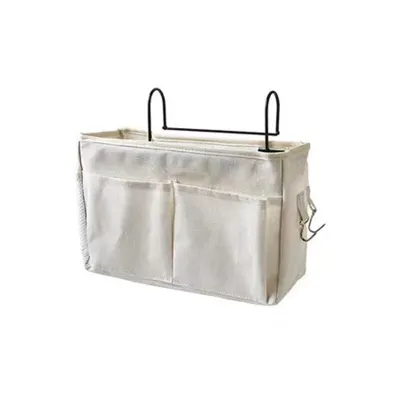
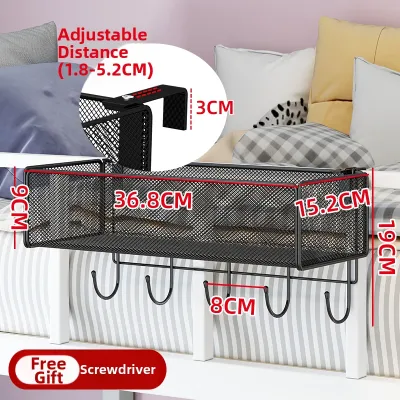
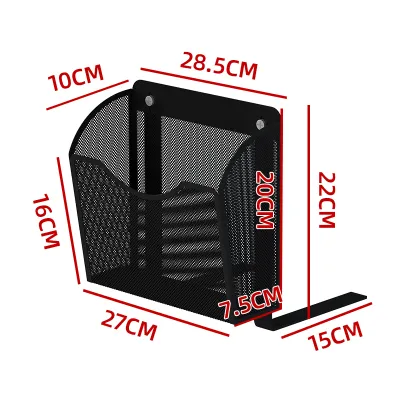

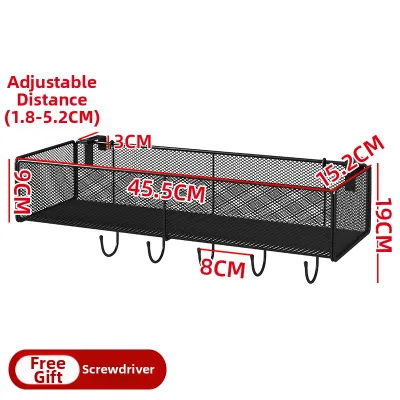
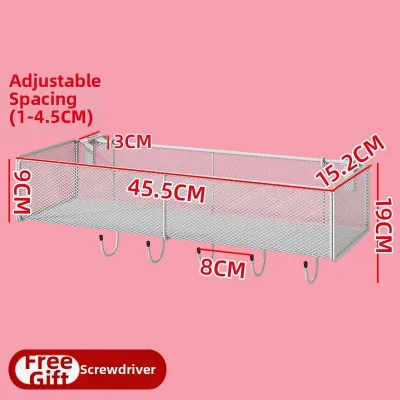
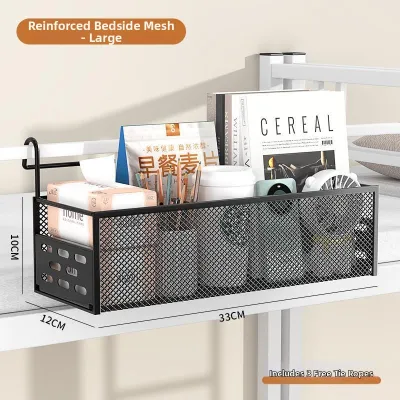
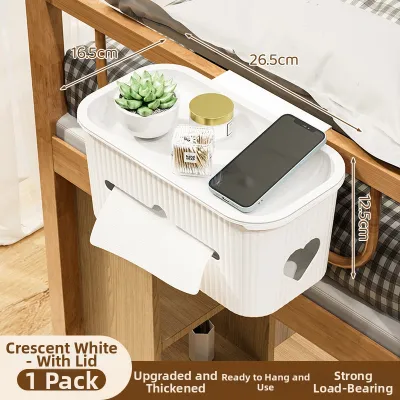
Prices are valid at publication and may change. Please refer to the product page for the latest price.
Use a standard measuring tape to check the gap between the bed and adjacent items, such as built-in wardrobes, study desks, or bedroom doors. If you have a wardrobe with swing doors, open the doors fully and measure the remaining distance to the bed. A bedside caddy that protrudes too far can prevent these doors from opening completely, or worse, get crushed when a door is swung open. Even with sliding wardrobe doors, you must ensure there is enough room for your legs to pass comfortably when walking beside the bed.
Next, examine the construction of your bed frame to identify viable mounting points. Bed frames generally fall into a few common categories, each requiring a different style of attachment:
- Upholstered Headboards: These frames feature fabric, velvet, or leather padding. They offer a soft surface but can be easily damaged or indented by heavy metal hooks.
- Wooden or Metal Slats: Frames with exposed wooden slats or metal rails provide excellent anchor points for hanging hooks or straps, allowing for a highly secure mount.
- Platform Beds: Solid platform bases, often with built-in storage drawers underneath, leave no gaps along the sides, meaning you cannot easily hang or clip items to the frame.
- Mattress-Only or Divan Setups: These setups feature a mattress resting directly on a solid divan base, offering no exposed frame parts and requiring a slip-in mounting style.
Finally, consider the broader spatial limits of your bedroom. Avoid placing a bedside caddy in a position where it blocks sliding window tracks, air conditioning vents, or light switches. In a compact room, a caddy that hangs too low might also interfere with under-bed cleaning or block the path of a robotic vacuum cleaner. Ensuring the caddy remains clear of these functional areas will prevent daily frustrations.
Matching Caddy Mounting Styles to Your Bed Setup
Once you have assessed your bed frame and clearance, you can choose a mounting style that matches your physical setup. Selecting the wrong mounting style can lead to a sagging organizer, damaged furniture, or a caddy that simply will not stay in place.

Slip-In or Under-Mattress Caddies
Slip-in caddies feature a long, flat flap—often made of rigid felt, fabric, or plastic—that slides directly between your mattress and the bed frame or box spring. This design is highly versatile and works exceptionally well for beds without headboards, platform beds, or divan setups. The stability of a slip-in caddy relies entirely on friction and the weight of the mattress pressing down on the flap.
When evaluating a slip-in model, consider the weight of your mattress. A heavy pocket-spring mattress will easily anchor the flap in place, even when the caddy is fully loaded with a tablet, book, and water bottle. However, if you use a lightweight foam or latex mattress, the flap may slide out over time as you pull items in and out. To prevent this, look for slip-in caddies that feature textured silicone grips, hook-and-loop fasteners, or anchor holes on the flap that can be secured to the bed slats.
Hook or Hang-On Caddies
Hook-on caddies utilize rigid hooks—typically made of metal, hard plastic, or bent wood—to hang directly over a bed rail, headboard, or footboard. This style is ideal for wooden or metal bed frames with a defined top edge. Because the weight is supported by a solid frame rather than mattress friction, hook-on caddies tend to be highly stable and can support heavier items without slipping.
Before choosing a hook-on model, you must verify the lip thickness of your bed frame and compare it to the inner dimensions of the caddy’s hooks. If the hook opening is too narrow, it will not fit over the frame; if it is too wide, the caddy will tilt forward and wobble. Additionally, check the weight capacity specified by the manufacturer to ensure the hooks can handle your intended load without bending or cracking.
Adhesive or Clip-On Alternatives
For beds with smooth, flat surfaces—such as laminated platform bases or custom built-in headboards—adhesive or clip-on caddies offer a modern, minimalist alternative. These models typically use double-sided adhesive strips or plastic mounting plates that stick directly to the side of the bed frame.
While convenient, adhesive mounts carry inherent risks. High-strength adhesives can leave a sticky residue or pull off paint, wood veneer, or laminate finishes when removed. If you rent your HDB flat or plan to change your bedroom layout in the future, look for damage-free adhesive strips designed for clean removal, and always clean the mounting surface thoroughly with isopropyl alcohol before application to ensure a strong bond.
When to Pivot to Alternative Solutions
In some compact HDB bedrooms, a bed-attached caddy may not be physically viable. This often occurs when the bed is pushed completely flush against a wall on one side, leaving zero clearance, or when a custom built-in wardrobe sits so close to the bed that any hanging accessory would block the doors.
If a bed-attached caddy is not a viable option, pivot to alternative space-saving solutions. An ultra-narrow floor-standing shelf or a slim rolling cart (often under 15 centimeters in width) can slide into the tightest gaps between the bed and the wall. Alternatively, a small wall-mounted ledge or floating shelf installed just above the headboard can provide the necessary storage without taking up any floor space or interfering with your bed frame.
Evaluating Storage Features and Material Durability
A bedside caddy must be more than just easy to mount; it must also accommodate your specific daily essentials and withstand regular use without sagging or tearing. Evaluating the structural details of a caddy before buying will ensure it remains functional for years.
Pocket Configuration and Capacity
Analyze what you plan to store in your caddy on a nightly basis. A single, large open compartment can quickly become a cluttered jumble where small items like earplugs, lip balm, or reading glasses get lost at the bottom. Look for a caddy with a thoughtful pocket configuration:
- Deep Main Compartment: Ideal for holding a tablet, e-reader, or a standard paperback book securely without tipping forward.
- Divided Inner Pockets: Useful for separating your phone from other items to prevent screen scratches.
- Small Mesh or Elastic Pockets: Perfect for keeping small, easily lost items visible and accessible.
- Dedicated Bottle Holder: Some caddies feature an elasticized side pocket designed to hold a small water bottle upright, reducing the risk of spills.
Material and Structural Integrity
The materials used in a bedside caddy directly impact its durability and appearance. Soft fabric caddies made of felt, canvas, or oxford cloth are popular for their cozy aesthetic, but they are prone to sagging if they lack internal support. A sagging caddy not only looks untidy but can also allow items to spill out onto the floor.
To avoid this, look for caddies that incorporate rigid inserts, stiffened bases, or reinforced plastic panels within the fabric walls. Double-stitched seams and reinforced rivets at high-stress points—such as where the mounting flap or hooks attach to the main body—are also essential indicators of quality construction. If you prefer a completely rigid option, molded plastic or metal wire caddies offer excellent structural integrity, though they lack the soft feel of fabric.
Maintenance and Hygiene
Because a bedside caddy sits right next to where you sleep, it will inevitably accumulate dust, lint, and hair over time. Keeping the organizer clean is essential for maintaining a healthy sleeping environment, especially for those sensitive to dust mites.
Check the care instructions for the materials. Removable fabric caddies that are machine washable offer the highest level of convenience. If the caddy contains non-removable cardboard stiffeners, it cannot be submerged in water; instead, you must rely on spot cleaning with a damp cloth or vacuuming with a brush attachment. Molded plastic and metal wire caddies are the easiest to maintain, as they can be wiped down quickly with a damp cloth or disinfectant wipe.
Cable Management Features
Most people charge their electronic devices next to their bed overnight. A bedside caddy without proper cable management can quickly become a tangled mess of cords, creating both an eyesore and a tripping hazard when you get out of bed in the dark.
Look for caddies that feature dedicated cable grommets, routing paths, or elastic loops. These design elements allow you to thread your charging cables through the bottom or sides of the caddy, keeping the cords organized and preventing the plugs from slipping down behind the bed when disconnected.
Installation, Stability, and Surface Protection
Proper installation is key to ensuring your bedside caddy remains secure and does not cause damage to your bed frame or surrounding walls. Taking a few precautionary steps during setup will protect your furniture investment.
Weight Distribution and Loading Limits
Even the most robust bedside caddy has physical weight limits. Overloading a caddy can strain the mounting mechanism, cause slip-in flaps to slide out, or put undue stress on your bed frame.
As a general rule, place heavier items—such as tablets or books—in the pocket closest to the bed frame or mattress to keep the center of gravity as tight as possible. Avoid placing heavy ceramic mugs, large water bottles, or heavy metal objects in the outer pockets, as this creates leverage that pulls the caddy outward and down. If you notice the caddy tilting significantly or pulling away from the mattress, remove some items immediately to restore balance.
Protecting Delicate Furniture Surfaces
If you are using a hook-on caddy on a wooden, lacquered, or upholstered headboard, the hard edges of the hooks can scratch, dent, or wear down the finish over time. This is particularly true for leather or fabric headboards, where constant friction can lead to permanent scuffs or tears.
To protect your bed frame, apply felt pads or silicone sleeves to the inside of the hooks before hanging the caddy. These soft barriers distribute the pressure evenly and prevent direct metal-to-wood or metal-to-fabric contact. If the caddy does not come with protective sleeves, you can easily make your own using adhesive felt furniture pads cut to size.
Adhesive Application and Testing
If you choose an adhesive-mounted caddy, proper surface preparation is critical for a long-lasting bond. Clean the mounting area thoroughly with isopropyl alcohol to remove any dust, oils, or polish. Avoid using household glass cleaners, as they can leave a residue that prevents the adhesive from bonding correctly.
Before applying the adhesive to a visible area, test a small, inconspicuous spot on the back or underside of the bed frame to ensure the adhesive does not damage the finish. Once applied, press the mounting plate firmly against the surface for at least 30 seconds. Most high-strength adhesives require 24 hours to cure fully before you can safely hang the caddy and load it with items.
When to Stop and Reevaluate
If during the installation process you find that the bed frame feels unstable, the mounting mechanism interferes with the bed’s structural joints, or the headboard material begins to compress or crack, stop immediately. Forcing a poorly fitting caddy onto an expensive bed frame can void the manufacturer’s warranty or cause costly damage. In these cases, it is always best to abandon the installation and consult your furniture manufacturer or look into a non-contact alternative like a floating wall shelf.
Frequently Asked Questions (FAQ)
Can I use a slip-in bedside caddy on a mattress without a bed frame?
Yes, you can use a slip-in bedside caddy on a mattress that rests directly on the floor, but you must take extra precautions regarding stability. Because there is no bed frame or box spring to sandwich the mounting flap, the caddy relies entirely on the friction between the bottom of the mattress and the floor.
If your mattress is lightweight, such as a thin foam or futon mattress, the caddy is highly likely to slide out when loaded with items. To ensure a secure hold, choose a caddy with a long, textured flap, or apply non-slip drawer liners or hook-and-loop tape between the flap and the floor to keep the organizer firmly in place.
Will hanging a caddy damage my upholstered headboard?
Hanging a hook-on caddy directly over an upholstered headboard can cause damage if the hooks are not properly padded. The weight of the loaded caddy can press the hard edges of the hooks into fabric, velvet, or leather, leaving permanent indentations, creases, or even tearing the seams over time.
To prevent this, avoid using rigid metal hooks on delicate upholstered surfaces. Instead, opt for slip-in caddies that slide between the mattress and the frame, or look for hanging organizers that use wide, soft fabric straps with adjustable buckles to distribute the weight more gently across the top of the headboard.
How do I keep a fabric bedside caddy from sagging?
To prevent a fabric bedside caddy from sagging, look for models that feature built-in structural supports, such as rigid plastic inserts, thick cardboard panels, or a reinforced wire frame along the top rim. These elements help the caddy maintain its shape even when holding heavier items.
Additionally, practice smart weight distribution by placing your heaviest items in the pockets closest to the mattress and keeping lighter items in the outer compartments. Avoid overloading the caddy beyond its intended capacity, and periodically check the seams and mounting points for signs of wear or stretching.

Community discussion
Share your experience or ask a question. Comments are reviewed before publication.