
Planning a modular bookshelf system allows you to design a highly personalized storage solution that adapts to your room’s unique layout. Unlike traditional fixed furniture, modular shelving can be customized to fit tight corners, accommodate varying ceiling heights, and expand as your collection grows. By taking precise measurements, selecting compatible components, and organizing the layout for structural balance, you can create a functional and visually appealing display that maximizes your available space.
Step 1: Measure Your Space and Assess Storage Needs
Before purchasing any components, you must obtain precise measurements of your designated wall area. Use a reliable metal measuring tape to record the total height, width, and depth available for the system. Be sure to measure at multiple points along the wall, as floors and walls are rarely perfectly level, and even a slight slope can affect how a modular unit sits.
Do not forget to account for architectural details and obstacles that could interfere with installation. Baseboards can prevent a bookshelf from sitting flush against the wall, while light switches, power outlets, and wall-mounted air conditioning units can restrict where vertical uprights can be placed. Additionally, check the swing paths of nearby doors, windows, and wardrobe panels to ensure the shelves will not block daily movement.
Products mentioned in this guide
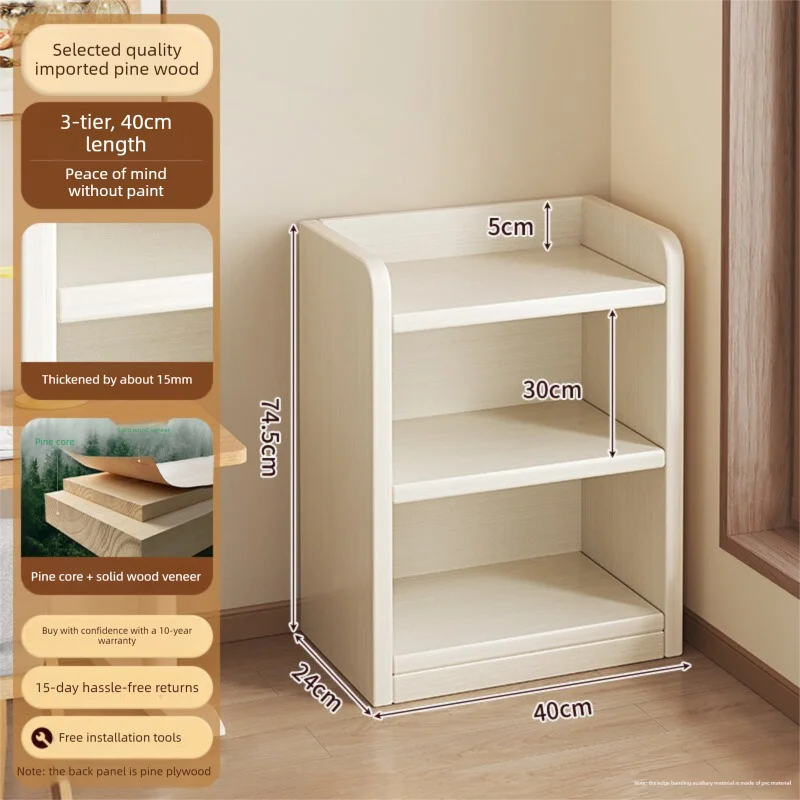
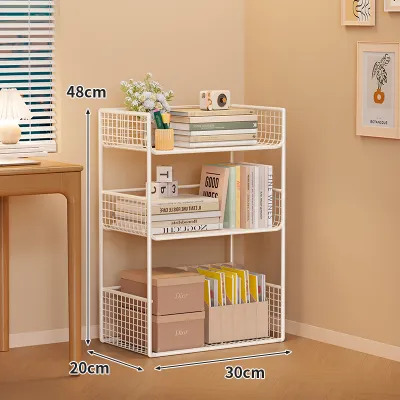
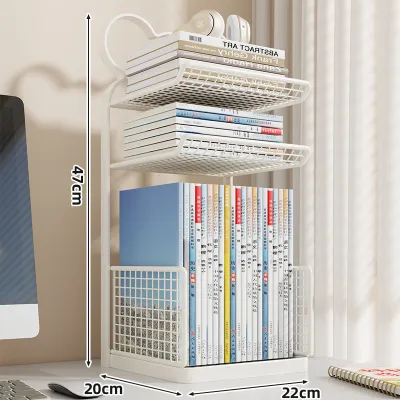
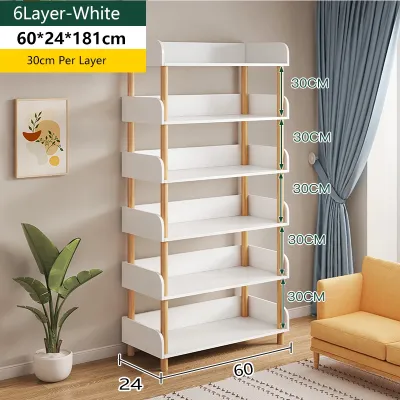
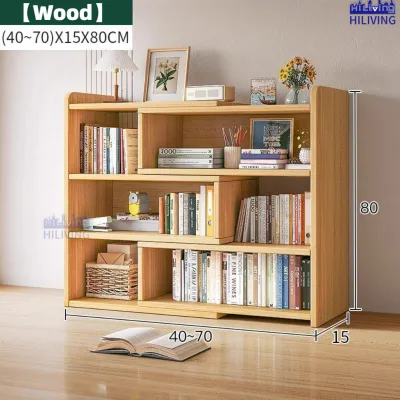
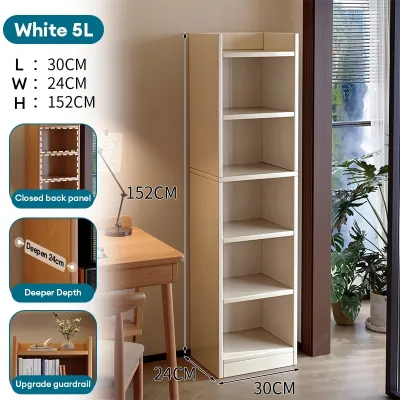
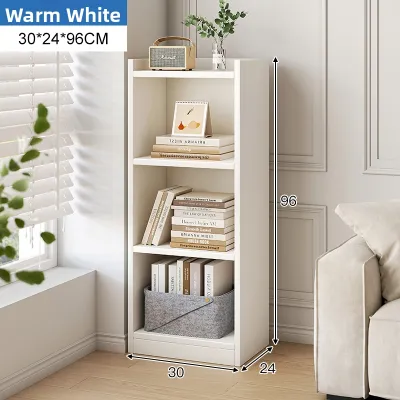
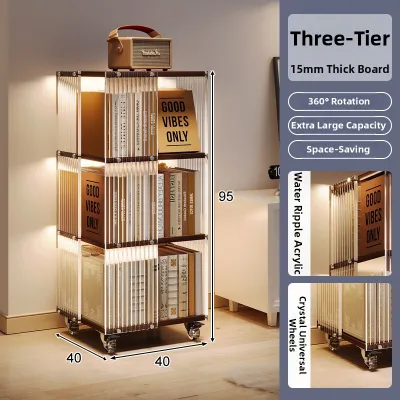
Prices are valid at publication and may change. Please refer to the product page for the latest price.
Next, evaluate the specific items you plan to store to determine your load-bearing requirements. Count your books and measure the depth of your largest volumes to ensure the shelves you select will be deep enough. If you intend to store heavy items like vinyl records, large art books, or heavy decorative objects, you will need to plan for robust support structures and shorter shelf spans to prevent sagging.
Finally, consider the environmental conditions of the room. In humid environments, such as certain areas in Singapore, moisture levels can impact wood-based materials over time. If your bookshelf will be placed in direct sunlight near a window, consider how UV exposure might affect the finish of the shelves or cause fading to your book covers, and choose your materials and placement accordingly.
Step 2: Select Suitable Modular Components
Modular bookshelf systems offer a variety of functional modules, including open shelves, closed cabinets, and drawers. Open shelves are excellent for displaying books and decorative items, keeping them within easy reach. Closed cabinets and drawers are ideal for concealing paperwork, electronic accessories, or items you want to protect from dust and light exposure.

When choosing materials, do not assume durability based solely on the material name. Instead, carefully review the manufacturer’s specifications for load capacities and material finishes. Look for details on the maximum weight limit per shelf and check whether the surfaces are treated to resist scratches or moisture, which is especially important for long-term durability.
It is also crucial to verify the connection mechanisms and compatibility of the modular units. Some systems use track-mounted standards that hang from a top rail, while others rely on freestanding frames with interlocking brackets or peg-and-hole configurations. Ensure that all the uprights, shelves, brackets, and add-ons you select belong to the same compatible product line, as mixing components from different manufacturers or collections often leads to assembly failure.
Step 3: Design the Layout and Configuration
A well-planned modular layout balances structural safety with visual appeal. Always design your configuration with the heaviest modules, such as deep drawers, filing cabinets, or solid wood storage boxes, at the very bottom. This lowers the system’s center of gravity, which significantly improves overall stability and reduces the risk of the unit tipping forward.
To avoid a cluttered or overwhelming look, aim for a balanced mix of open and closed storage. A solid wall of closed cabinets can make a small room feel cramped and dark, while entirely open shelves packed with mismatched items can create visual chaos. Distribute open display areas and closed compartments evenly across the layout to create a clean, intentional aesthetic that complements your room’s decor.
Plan your design with future flexibility in mind. If you anticipate that your book collection or storage needs will expand, choose a system that allows for easy vertical or horizontal additions. Leave some open wall space around the unit, or configure the initial layout so that extra shelves or side units can be integrated later without requiring you to dismantle the entire existing structure.
Step 4: Prepare Tools and Safety Measures
Before you begin the assembly process, unbox all components and verify them against the manufacturer’s inventory list to ensure no parts are missing. Gather all the necessary tools beforehand, including a high-quality spirit level, a measuring tape, a screwdriver, and a drill with the correct drill bits. Having everything prepared will make the installation process smoother and safer.
Assess your wall type to determine the appropriate anti-tip anchoring hardware. Concrete, brick, and drywall all require completely different types of wall plugs and screws to hold weight securely. While many modular systems come with standard wall anchors, these may not be suitable for your specific wall material, so be prepared to purchase specialized heavy-duty anchors if necessary.
Establish clear safety boundaries and stop conditions before you start drilling. If you are unsure about the location of hidden electrical wiring, water pipes, or structural columns behind the wall, stop immediately. Do not attempt to drill into walls if you encounter unexpected resistance or if you suspect the wall structure cannot support the weight of a fully loaded bookshelf; instead, consult a qualified professional.
Step 5: Assemble, Install, and Verify Stability
Begin the physical installation by assembling the base and the main frame according to the manufacturer’s step-by-step instructions. Use your spirit level constantly during this stage to ensure the base is perfectly flat and the uprights are completely vertical. Any minor misalignment at the base will amplify as you build upward, leading to crooked shelves and structural instability.
Once the main frame is aligned, install the anti-tip restraints immediately. Securing the bookshelf to the wall is a non-negotiable safety step, especially for tall configurations or in homes with children and pets. Follow the product manual’s exact instructions for mounting these brackets, ensuring they are anchored into solid wall structures rather than just plaster or drywall without backing.
Conclude the installation by performing a thorough stability check. Gently shake the unit to test for any wobble or movement, and verify that all shelves sit completely flush against their supports. Ensure that all locking mechanisms, brackets, and safety pins are fully engaged and secure before you begin placing any books or decorative items onto the shelves.
Frequently Asked Questions (FAQ)
Can I expand my modular bookshelf later?
Yes, most modular systems are designed for future expansion, but you must check the manufacturer’s guidelines for maximum height and width limits. Before adding new modules, verify that your existing base structure and wall anchors can safely support the additional weight and dimensions of the new components.
How do I secure a tall modular bookshelf to the wall?
To secure a tall bookshelf, you must use anti-tip brackets anchored directly into wall studs for drywall, or use heavy-duty masonry plugs for concrete walls. Always follow the manufacturer’s specific mounting instructions, and stop the installation to consult a professional if you encounter structural uncertainties, pipes, or electrical wiring.
How should I distribute weight across the shelves?
Always place your heaviest books, binders, and storage boxes on the lowest shelves to maintain a low center of gravity. Distribute the weight evenly across the entire length of each shelf rather than stacking heavy items in the center, and strictly adhere to the manufacturer’s stated load capacity for individual shelves.

Community discussion
Share your experience or ask a question. Comments are reviewed before publication.