
Planning a modular solid wood book cabinet for a compact Singapore home requires balancing vertical storage capacity with the physical realities of limited floor space. By choosing modular components, you can customize a shelving system that fits snugly into HDB or condominium layouts, adapting to tight corners, structural pillars, and changing storage needs over time. The key is to systematically measure your space, select components that match your load requirements, and secure the structure safely to prevent stability issues.
Assess Your Space and Storage Requirements
Before purchasing any modular components, you must thoroughly evaluate the physical constraints of your room. Start by measuring the exact floor area where the cabinet will stand, noting the width, depth, and height available. In Singapore apartments, architectural features like skirting boards, low-hanging beams, and air conditioning trunking can significantly impact how a cabinet fits against the wall. If your skirting boards are thick, look for modular units with base cutouts or plan to position the cabinet slightly forward, ensuring you account for this extra depth in your floor plan.
Next, measure the clearance required for nearby doors, windows, and walkways. A cabinet that blocks a pathway or prevents a door from opening fully will quickly become a daily frustration. Ensure there is at least 90 centimeters of clear space in front of the shelves so you can comfortably browse your books and move around the room. Additionally, locate all electrical wall outlets, light switches, and data ports. Blocking these utilities can restrict access to essential power sources, so you may need to choose open-backed modules or plan your layout to leave these areas exposed.
Products mentioned in this guide

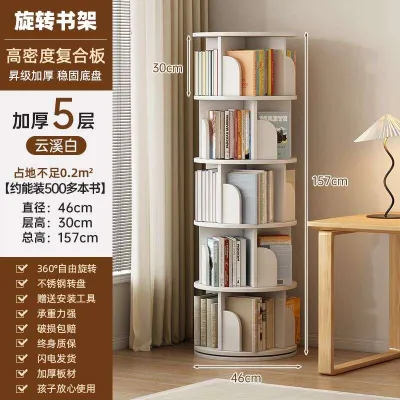
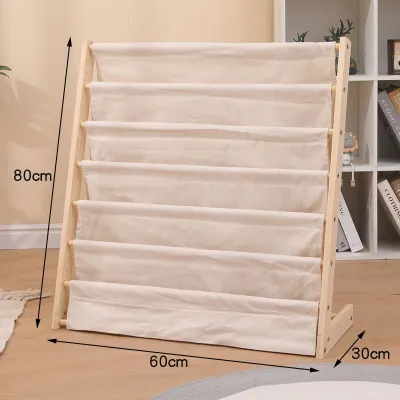
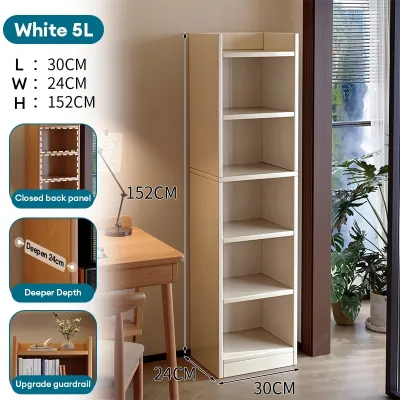
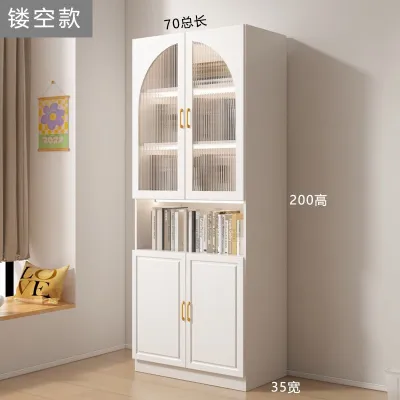
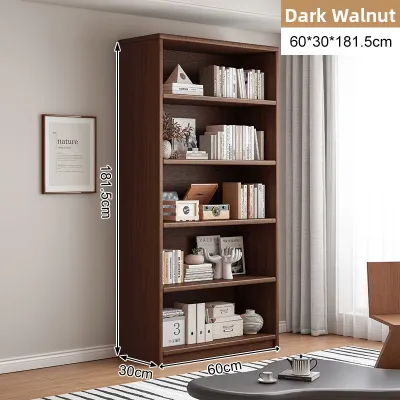
Prices are valid at publication and may change. Please refer to the product page for the latest price.
The physical characteristics of the items you plan to store will dictate the depth and load capacity of your modular units. Gather your books and media to assess their dimensions and weight. Heavy academic textbooks, large art portfolios, and vinyl records require deeper shelves and more robust structural support than standard paperbacks or decorative items. Measure the height of your tallest books to determine the minimum shelf spacing required, and estimate the total weight of your collection to ensure your chosen modular system can support the load without bowing.
Finally, inspect the floor surface for evenness. Older apartments or tiled floors may have slight slopes that can cause tall, heavy solid wood cabinets to lean or wobble. Identifying these uneven spots early allows you to plan for adjustable leveling feet or shims during the installation process, ensuring your completed shelving unit remains perfectly stable and safe.
Select Modular Solid Wood Components
Once you have a clear understanding of your space and storage needs, you can begin selecting the individual modular components. Modular systems typically consist of base units, add-on shelves, and specialized corner modules. Base units form the foundation of your setup and must be sturdy enough to support the cumulative weight of any stacked modules above them. When choosing add-on shelves, always check the manufacturer’s specifications for the maximum recommended stacking height to prevent the structure from becoming top-heavy and unstable.

Corner modules are highly effective for maximizing storage in small rooms, allowing you to utilize awkward angles that might otherwise go to waste. When integrating corner units, pay close attention to how they connect to adjacent straight modules, ensuring the joints are secure and do not create gaps. Additionally, consider whether you want open shelving, drawers, or closed cabinets at the base. Closed storage is excellent for hiding clutter and protecting sensitive items from dust, while open shelves keep the room feeling airy and spacious.
The type of solid wood and the joinery methods used in the construction of the modules are critical factors for long-term durability. Look for hardwoods that offer natural strength and resistance to warping under load. Examine the joinery details; traditional methods such as dovetail joints, mortise-and-tenon connections, or reinforced dowels generally provide superior structural integrity compared to simple cam-lock systems. Avoid assuming that all solid wood behaves the same way, and instead check the manufacturer’s specifications for weight capacity per shelf.
In Singapore’s tropical climate, humidity control is essential for preserving solid wood furniture. High humidity can cause wood to expand, while air conditioning can dry it out, leading to contraction and potential cracking. Verify that the modules have a high-quality protective finish, such as a polyurethane lacquer, water-resistant varnish, or hardwax oil. These finishes help seal the wood, minimizing moisture absorption and making the surfaces easier to clean and maintain in a humid environment.
Design the Layout for Compact Spaces
Designing the layout of your modular cabinet involves finding the right balance between storage capacity and visual weight. In compact Singapore homes, utilizing vertical space is the most efficient way to maximize storage without consuming valuable floor area. A tall, narrow configuration that extends toward the ceiling can hold a substantial book collection while leaving the rest of the room open. However, to prevent a tall cabinet from overwhelming a small room, consider keeping the upper modules open and using lighter wood tones to maintain a sense of spaciousness.
If your room has more horizontal wall space, a low, wide configuration can be highly effective. A low modular setup can double as a sideboard, media console, or window seat, providing ample storage while keeping sightlines clear. This approach helps the room feel larger and more open, as it does not block natural light from windows. You can also create a stepped layout, combining tall units on one side with lower units on the other, which adds visual interest and adapts well to sloped ceilings or under-beam spaces.
When planning the arrangement of your shelves, incorporate a mix of fixed and adjustable options. Fixed shelves are structurally necessary to provide lateral stability and keep the cabinet frame rigid. Use these fixed sections as anchor points, and place adjustable shelves in between to accommodate books of varying heights. Always place your heaviest items, such as large reference books, photo albums, or heavy storage boxes, on the lowest shelves. This keeps the center of gravity low, which significantly improves the stability of the entire unit.
Before making any purchases, create a detailed grid sketch or use a digital floor plan tool to visualize the final configuration. Map out the exact dimensions of each module on your sketch, including the depth and height. This visualization helps you verify that the cabinet will fit perfectly within your measured space and that it will not interfere with light switches, air conditioning units, or window frames. It also allows you to experiment with different configurations to find the most aesthetically pleasing and functional layout.
Prepare for Assembly and Wall Anchoring
A safe and successful installation requires careful preparation, the right tools, and strict adherence to safety guidelines. Begin by thoroughly reviewing the manufacturer’s assembly instructions and compiling all necessary hardware. Ensure you have the recommended tools on hand, which typically include a spirit level, measuring tape, screwdriver, and a drill with bits suitable for your wall type. Clear a spacious area on the floor to unpack the components, and lay down cardboard or a soft blanket to protect both the wood finish and your flooring from scratches.
Wall anchoring is a critical safety step for any modular book cabinet, especially those that are tall, narrow, or top-heavy. Even if a unit feels stable on its own, the weight of books combined with accidental pulling can cause a dangerous tip-over. Check the manufacturer’s guidelines to determine the safe freestanding height limit for your specific modular system. If your assembled cabinet exceeds this limit, or if you have uneven floors, you must secure the unit to the wall using appropriate anchoring hardware.
The type of wall anchors you need depends entirely on the construction of your walls. In Singapore, HDB flats and condominiums commonly feature reinforced concrete walls or lightweight concrete partition walls. Securing heavy solid wood furniture to concrete requires a hammer drill, masonry drill bits, and high-quality wall plugs or concrete screws. If you are anchoring to drywall or hollow brick, you must use specialized anchors designed for those materials. Never rely on standard plastic plugs in drywall for heavy load-bearing applications.
If you are unsure about the structural integrity of your walls, the location of hidden electrical wiring, or water pipes, stop the installation immediately. Drilling into utility lines can cause severe damage and safety hazards. In such cases, it is highly recommended to consult a qualified professional installer who has the expertise and equipment to locate studs, avoid utilities, and securely anchor the cabinet to the wall.
Maintain and Reconfigure Your Setup
Proper maintenance is key to ensuring your solid wood modular cabinet remains in excellent condition and continues to function safely over time. Dust the shelves regularly with a soft, dry microfiber cloth to prevent dirt buildup. Avoid using harsh chemical cleaners or abrasive polishes, which can strip or damage the protective finish. For stubborn spots, use a slightly damp cloth followed immediately by a dry cloth to prevent moisture from standing on the wood surface.
In Singapore’s humid environment, managing indoor humidity is beneficial for solid wood furniture. While a quality finish protects the wood, maintaining a relatively stable indoor climate helps minimize the natural expansion and contraction of the material. Use dehumidifiers or air conditioning during particularly humid periods, and avoid placing the cabinet directly in the path of cold air drafts from air conditioning units, as rapid temperature and humidity changes can cause the wood to split or warp.
Periodically inspect the structural integrity of your modular setup. Check the joints, shelf supports, and wall anchors at least once a year to ensure nothing has loosened or shifted over time due to natural wood movement. Over time, the weight of books and natural wood movement can cause screws or brackets to loosen slightly. Tighten any loose hardware promptly to maintain the stability of the cabinet. If you notice any sagging in the shelves, redistribute the weight of your books or add additional support brackets as recommended by the manufacturer.
One of the greatest advantages of a modular system is the ability to reconfigure it as your storage needs change. When planning a reconfiguration, always empty the shelves completely before moving or dismantling any modules. Attempting to adjust or move loaded units can cause structural damage, joint failure, or personal injury. Ensure that any new add-on modules you introduce are fully compatible with your existing base units and that the final configuration remains safely anchored to the wall.
Frequently Asked Questions (FAQ)
Can I mix solid wood modules with other materials?
Yes, you can combine solid wood modules with other materials, such as metal frames or glass doors, provided you verify connection compatibility and weight distribution. Ensure that the load-bearing components are structurally compatible and that the visual styles complement each other without compromising the stability of the base unit. Always follow the manufacturer’s guidelines regarding weight limits and assembly when mixing different material types within a single modular system.
How do I prevent solid wood shelves from sagging under heavy books?
To prevent sagging, check the manufacturer’s specified span limits and avoid overloading individual shelves. Distribute weight evenly, placing the heaviest books near the vertical supports rather than in the center of the shelf, and consider adding center support brackets if recommended by the manufacturer. Regularly rotating your books or shifting heavier volumes to lower, more supported shelves can also help maintain the structural integrity of the wood over time.

Community discussion
Share your experience or ask a question. Comments are reviewed before publication.