
Finding the right mini bookshelf for a compact room or a tight corner beside a desk is more than just picking an attractive design. To ensure a perfect fit, you must determine the absolute maximum dimensions your space can accommodate by measuring the physical area, accounting for architectural details like skirting boards, and verifying the delivery path. Taking precise measurements beforehand prevents the frustration of a unit that blocks a doorway, covers a power outlet, or simply cannot fit through your lift doors.
Step-by-Step Guide to Measuring Your Available Space
To find the maximum footprint for your new furniture, start by clearing the target area completely. Grab a reliable steel measuring tape, a notepad, and a pencil to record your findings.
Begin by measuring the width of the designated space. Take this measurement at three different heights: near the floor, in the middle, and near the top of where the bookshelf will stand. Walls in residential properties are rarely perfectly square, and even a slight tilt or bowing can prevent a tightly fitted bookshelf from sliding into place. Always use the smallest of these three measurements as your maximum width limit.
Products mentioned in this guide
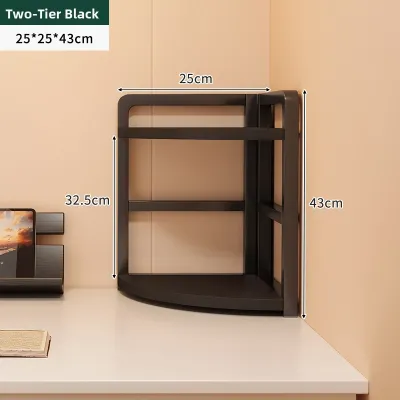
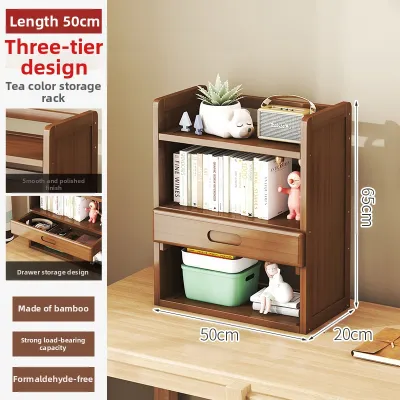
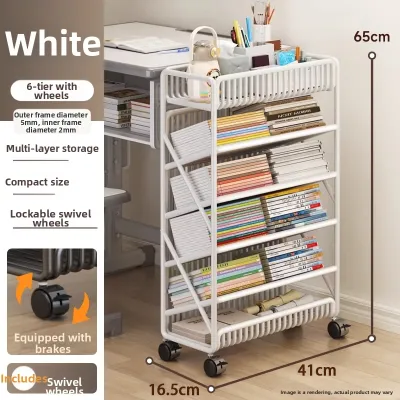
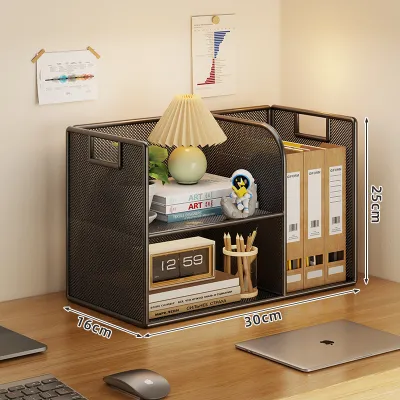
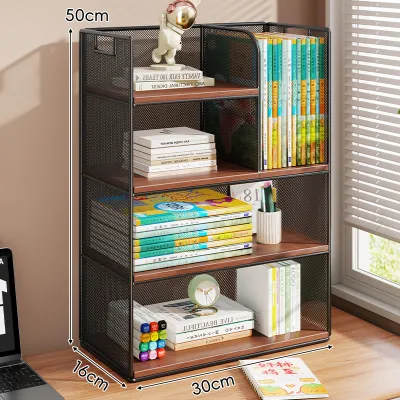
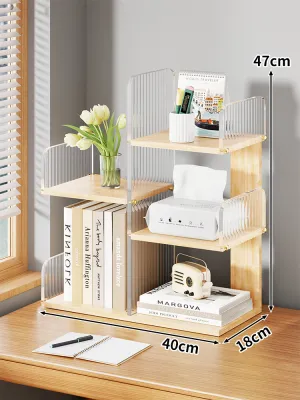
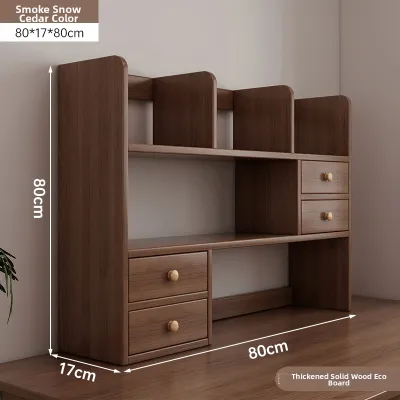
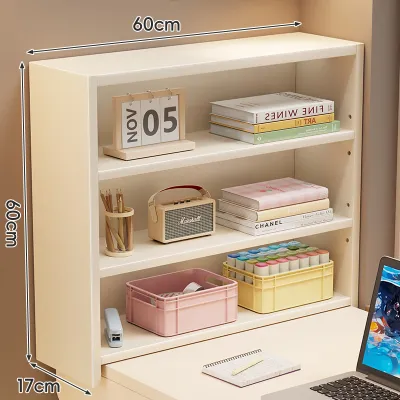
Prices are valid at publication and may change. Please refer to the product page for the latest price.
Next, measure the available height from the floor to the ceiling or to any overhead obstruction. If you plan to place the mini bookshelf under a window sill, a wall-mounted air conditioning unit, or a sloped ceiling, measure to the lowest point of that obstruction. Leave a buffer of at least a few centimeters to ensure you can easily slide the unit into place without scraping the ceiling or wall fixtures.
Measuring the depth requires equal care. Measure from the back wall out to the point where the bookshelf can safely extend without protruding into walkways. Be sure to take this measurement on both the left and right sides of the space to account for any wall irregularities.
Do not measure solely from the flat surface of the wall. Look down at the floor and check for baseboards, skirting boards, or decorative moldings. These architectural features sit at the bottom of your walls and can easily reduce your usable depth and width by several centimeters. If your bookshelf does not have a cutout at the back to accommodate skirting boards, you must subtract the thickness of these boards from your total available depth to prevent a large, unsightly gap behind the unit.
Factoring in Clearances and Pathway Access
A mini bookshelf might fit perfectly in its designated corner, but it still needs to get there. Before finalizing your purchase, you must plan the delivery route from the delivery vehicle to the final room.

Start by measuring the entry points of your home. If you live in a high-rise apartment or condominium, measure the height, width, and diagonal clearance of the lift doors and the interior cabin. If the packaged bookshelf is too long or bulky to fit inside the lift, you may face additional delivery fees or have to carry it up the stairwell. Measure the width and turning clearance of all stairwells, corridors, and doorways along the path to your room.
Once inside the room, consider the operational clearance of the surrounding elements. Open nearby doors, drawers, and windows fully to ensure they do not strike the bookshelf. If the bookshelf is placed next to a wardrobe or a desk drawer, verify that you can still access those storage compartments comfortably without any physical interference.
Finally, evaluate the flow of foot traffic. If the mini bookshelf is positioned beside a desk, ensure there is enough legroom to move your office chair freely. For units placed along main walkways or corridors, leave a comfortable clearance zone so that family members can pass by without bumping into the corners of the shelf. A cramped walkway not only feels restrictive but also increases the risk of accidentally knocking items off the shelves.
Matching Space Constraints to Mini Bookshelf Types
Once you have your precise measurements, you can match these spatial limits to the most appropriate style of mini bookshelf. Different configurations solve specific spatial challenges.
If you have very limited floor space but plenty of vertical clearance, a tall and narrow tower bookshelf is an excellent choice. These units utilize vertical space efficiently, providing multiple tiers of storage while occupying a minimal footprint. When selecting a tall, narrow unit, always check the manufacturer’s instructions regarding stability and anchoring methods, as tall furniture can be prone to tipping if not secured to the wall.
For areas with strict height limitations, such as beneath a window sill or under a desk, low-profile or under-desk units are ideal. These short, wide bookshelves keep your items within arm’s reach while keeping the visual line of the room open and uncluttered. Ensure you measure the height of your desk’s underside carefully, accounting for any support bars or keyboard trays that might reduce the available clearance.
If you are dealing with an awkward corner or a dead space that seems unusable, look for corner-specific or wedge-shaped designs. These units are specifically engineered to fit snugly into 90-degree corners, turning neglected areas into functional storage zones. When measuring for a corner shelf, measure along both adjacent walls to ensure the unit’s sides match your available wall space.
When floor space is completely non-existent or severely restricted, wall-mounted or floating shelves offer a practical alternative. Because they do not touch the floor, they keep the ground area clear, making the room feel larger. However, before choosing this option, you must verify your wall type. Heavy books require sturdy wall anchors, and floating shelves must be mounted to solid concrete walls or directly into wall studs rather than simple plasterboard to prevent sagging or structural failure.
Common Measurement Mistakes to Avoid
Avoiding a few common oversights during the planning phase can save you the hassle of returning a heavy piece of furniture or dealing with an unstable setup.
One of the most frequent mistakes is forgetting to measure the depth of the books or items you intend to store. Standard novels, art books, and storage binders all have different depths. If your bookshelf’s shelves are too shallow, your items will overhang the front edge, creating a cluttered look and increasing the risk of items being bumped off. Compare the depth of your largest books with the internal shelf depth specified by the manufacturer.
Another common oversight is ignoring wall fixtures. Check the back wall of your target space for power outlets, light switches, internet data ports, or thermostat controls. Placing a solid-backed bookshelf directly over these fixtures will block access to them. If you must place the unit over an outlet, look for open-backed designs or be prepared to safely route cords before positioning the furniture.
Lastly, never assume standard dimensions. Terms like “mini,” “compact,” or “small” are subjective and vary widely between different manufacturers. Always locate the exact product specifications, including the fully assembled external dimensions, before making a purchase. Additionally, check the assembly requirements; some flat-pack units require extra floor space during assembly to lay the pieces flat, which is an important consideration if you are working in a very tight room.
Frequently Asked Questions (FAQ)
How much extra space should I leave around a freestanding mini bookshelf?
As a general guideline, try to leave at least 1 to 2 centimeters of breathing room on either side of a freestanding mini bookshelf. This small gap prevents the furniture from scraping against your walls during positioning and allows for easier cleaning and dust removal. Additionally, always check the manufacturer’s guidelines for specific anchoring requirements; many freestanding units require a small clearance at the top or back to accommodate safety brackets that secure the shelf to the wall.
Can I place a mini bookshelf over a floor vent or radiator?
It is not recommended to place a mini bookshelf directly over or flush against a floor vent, radiator, or wall heater. Blocking these fixtures restricts essential airflow, reducing the efficiency of your home’s heating or cooling system. Furthermore, the continuous exposure to direct heat can dry out, warp, or crack wooden and composite materials like MDF. If you must place a shelf near a heat source, ensure there is a generous clearance zone, or use specialized deflectors to direct the airflow away from the furniture.

Community discussion
Share your experience or ask a question. Comments are reviewed before publication.