
To choose the right display shelf size, you must measure the maximum width, height, and depth of your available floor or wall space, subtract clearances for architectural features, and match these limits to the shelf’s outer dimensions. You also need to verify that your tallest and heaviest items will fit safely on the shelves and that the entire unit can navigate your home’s entryways during delivery. Taking these precise measurements beforehand prevents costly returns and ensures a stable, visually balanced setup.
Measure Your Available Wall and Floor Space
Start by measuring the width, height, and depth of the designated area. Walls and floors are rarely perfectly straight, so take these measurements at three different points: the top, middle, and bottom of the wall, as well as the front and back of the floor space. Use the smallest of these numbers as your maximum limit to ensure the unit does not get wedged during installation.
Next, map out any permanent architectural features that could obstruct the shelf. Look for baseboards, electrical outlets, light switches, wall-mounted air conditioning units, window sills, and cornices. If a display shelf must sit flush against the wall, a thick baseboard or a low-mounted outlet can push the entire unit forward, unexpectedly increasing its footprint and reducing your floor clearance.
Products mentioned in this guide
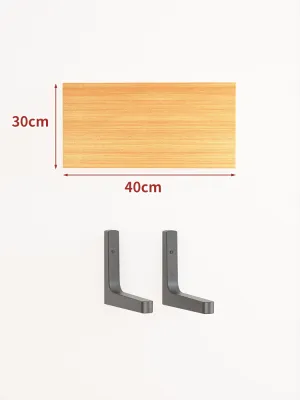
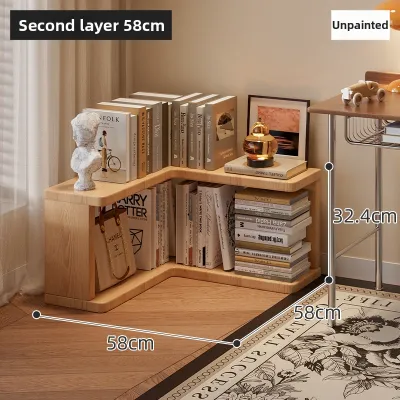
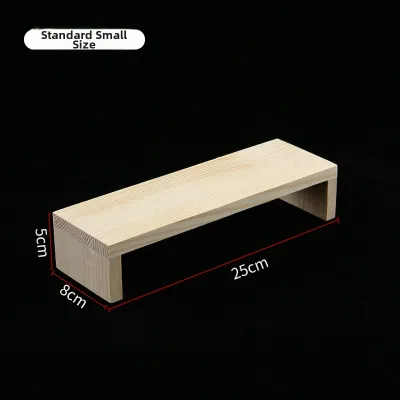
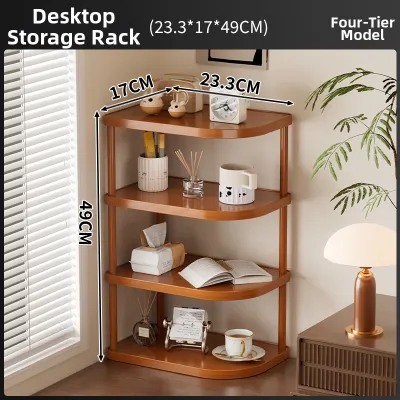
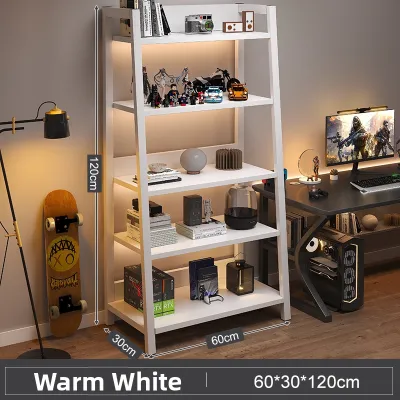

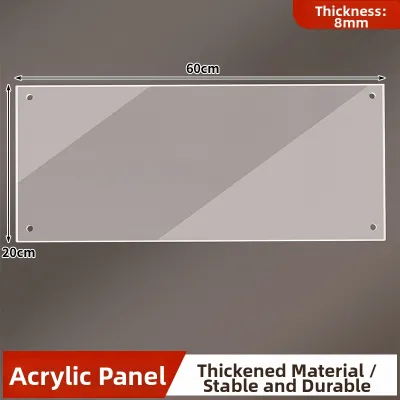
![[SG Stock] Bookcase Shelves Household Living Room Shelves Random Combination Of Storage /Complimentary Backplane](https://img.lazcdn.com/g/p/c313bdfd869b14a5fe998a47c37bbbc3.jpg_webp_400x400q80.jpg_.webp)
Prices are valid at publication and may change. Please refer to the product page for the latest price.
Finally, consider the dynamic flow of the room. Measure the swing paths of nearby doors, wardrobe doors, and drawers to ensure they can open fully without striking the new furniture. Leave a comfortable walkway around the shelf, especially in high-traffic areas, so that household members can pass by without bumping into the unit or its displayed items.
Assess Your Display Items and Storage Needs
The physical characteristics of your collection dictate the internal dimensions of your display shelf. Gather your tallest, widest, and deepest items—such as large art books, ceramic vases, or framed photographs—and measure them individually. Your shelf depth must exceed the depth of your largest item, and the vertical clearance between shelves must accommodate your tallest piece with a few centimeters of extra headroom for easy handling.

Weight is another critical factor that influences your choice of shelf material and construction. Group your items by weight and estimate the total load for each shelf level. Instead of assuming a material can support your collection, check the manufacturer’s specifications for the maximum weight capacity per shelf. Heavy items like dense book collections or stone sculptures require reinforced supports or thicker shelving to prevent sagging over time.
If your collection is still growing, plan for future capacity from the start. Choosing a display shelf with adjustable shelving tracks allows you to reconfigure the interior layout as your storage needs evolve. Alternatively, select a unit that offers slightly more shelf space than your current inventory requires, saving you from having to upgrade the entire piece of furniture later.
Check Delivery and Installation Clearances
A display shelf can only beautify your home if it can physically get inside. Measure the width and height of every doorway, hallway, stairwell, and elevator cabin along the delivery route from your building’s entrance to the final room. Pay close attention to tight corners and low ceilings in stairwells, which often present the greatest challenge for moving large furniture.
For exceptionally tall or pre-assembled units, calculate the diagonal height of the furniture to ensure it can be tilted and uprighted within your room. If the diagonal measurement of the shelf exceeds your ceiling height, you will not be able to stand the unit up once it is inside. Also, verify the turning radius in narrow corridors to ensure the delivery team can maneuver the piece around corners.
If you choose a flat-packed display shelf, verify that you have enough open floor space near the final placement area for assembly. Flat-packed furniture requires a clean, flat surface where you can lay out panels, organize hardware, and safely assemble the frame. Check the manufacturer’s assembly instructions to see if the unit must be built lying down, as this requires a workspace at least twice the size of the finished shelf.
Match Measurements to Display Shelf Dimensions
When shopping, always compare your recorded space limits against the manufacturer’s exact product specifications rather than relying on nominal or rounded dimensions. A shelf advertised as “one meter wide” might actually measure 102 centimeters including decorative trim or molding. Verifying the precise millimeter or centimeter measurements prevents tight fits that can damage your walls.
To maintain a balanced and inviting room design, avoid filling the entire available wall space. Leave some visual breathing room on the sides and top of the display shelf. This gap not only prevents the room from feeling cramped but also ensures adequate air circulation and allows you to easily reach around the sides for dusting and cleaning.
Your measurements will also help you decide between a floor-standing unit and a wall-mounted shelf. Floor-standing shelves are ideal for heavier items but require stable, level flooring and must be anchored to the wall to prevent tipping. Wall-mounted shelves free up valuable floor space but require you to verify the structural integrity of your wall, ensuring you can secure the brackets into solid studs or masonry rather than weak drywall.
Common Measuring and Sizing Mistakes to Avoid
One of the most common oversights is forgetting to account for baseboard or skirting board thickness. Because baseboards project outward from the bottom of the wall, they prevent floor-standing shelves from sitting completely flush. This creates a gap behind the unit, pushing the entire shelf forward and increasing its effective depth into your walking path. Look for shelves with baseboard cutouts or factor this gap into your depth calculations.
Another frequent mistake is focusing solely on the static footprint of the shelf while ignoring dynamic clearances. Always measure the space required to open any integrated cabinet doors or drawers on the display shelf itself. Additionally, ensure the unit does not block access to nearby light switches, power outlets, or wall-mounted controllers that you need to access daily.
Finally, never assume your ceilings are a standard height throughout the room. Sloped ceilings, exposed structural beams, decorative crown molding, and low-hanging light fixtures can significantly reduce the usable vertical space. Always measure the height at the exact spot where the shelf will stand, rather than taking a single measurement from the center of the room.
Frequently Asked Questions (FAQ)
How much clearance should I leave around a display shelf?
For an optimal visual balance, try to leave at least 5 to 10 centimeters of open space on either side of a freestanding display shelf, and at least 15 centimeters of clearance below the ceiling. For functional clearance, ensure there is at least 90 centimeters of open walkway in front of the shelf so that people can pass comfortably without brushing against the unit. If the shelf has doors or drawers, add their full extension depth to this walkway measurement to prevent blockages.
Can I place a display shelf over a radiator or air vent?
It is generally not recommended to place a display shelf directly over or blocking a radiator, heating unit, or air conditioning vent. Restricting these fixtures reduces your home’s heating and cooling efficiency and can cause uneven temperature distribution. Furthermore, the continuous exposure to dry heat or direct airflow can warp wooden shelves, degrade finishes, and damage delicate display items like books, artwork, or collectibles. Always maintain the manufacturer-specified clearances from any active climate control vents.

Community discussion
Share your experience or ask a question. Comments are reviewed before publication.