
Finding the perfect book shelf requires more than matching your home decor; it demands a precise understanding of your physical space. To choose a unit that fits seamlessly, you must measure the raw width, height, and depth of your designated wall and floor area, subtract clearances for architectural obstacles, and verify that the packaged furniture can navigate your home’s entryways. Taking these steps beforehand prevents the frustration of buying a piece that blocks a light switch, obstructs a doorway, or remains stuck in a narrow hallway during delivery.
Measure Your Baseline Wall and Floor Space
To establish your baseline, start by clearing the target area so you have direct access to the floor and wall. Use a reliable steel tape measure rather than a flexible fabric tape, which can sag and introduce inaccuracies. Measure the maximum width of the wall space where the book shelf will stand, the height from the floor to the ceiling, and the available floor depth extending out into the room.
Walls and floors are rarely perfectly straight or level, especially in older buildings. To account for these subtle shifts, take your width and height measurements at three distinct points: the top, the middle, and the bottom of the designated area. Use the smallest of these three measurements as your absolute maximum limit to ensure the furniture will fit into the tightest spot.
Products mentioned in this guide
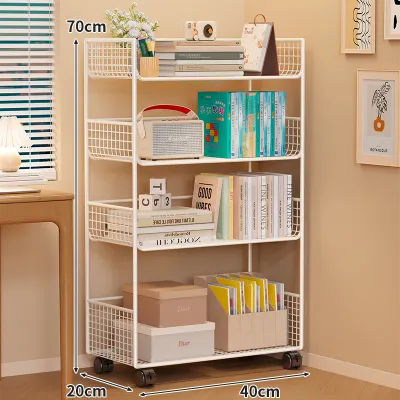
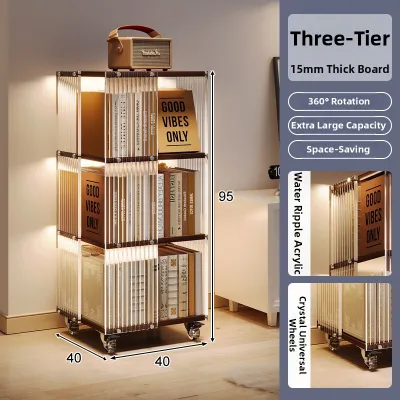

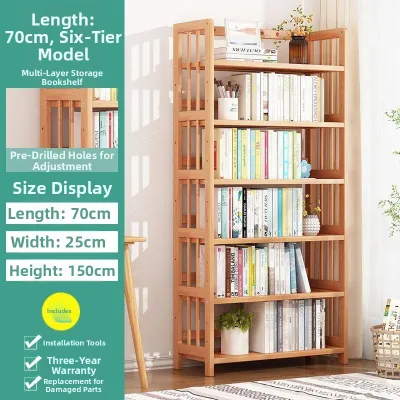
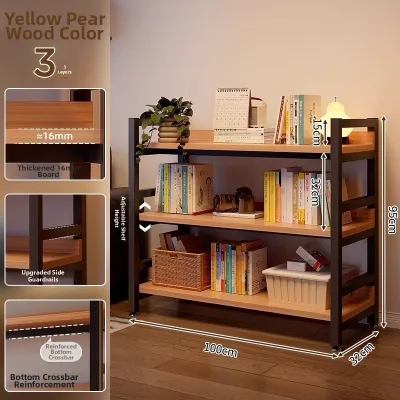
![[SG Seller]360Degrees Rotating Bookshelf Rotating Book Shelf Rotate Floor Standing Books Storage Rack](https://img.lazcdn.com/g/p/bb46c1ac353d25f9026879c97f254c6c.jpg_400x400q80.jpg_.webp)
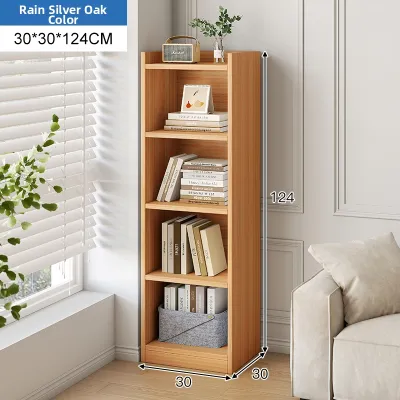
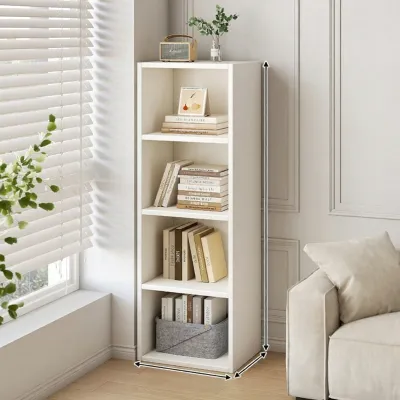
Prices are valid at publication and may change. Please refer to the product page for the latest price.
Record all your measurements in a single, consistent unit, such as centimeters or millimeters, on a dedicated notepad or digital sketch. Mixing units or relying on mental math often leads to conversion errors that can ruin your planning. Having a clear, unified set of dimensions makes it much easier to compare your space against the official product specifications when shopping.
Account for Architectural Features and Obstacles
A common pitfall is measuring only the open wall space while ignoring the permanent architectural features that project into the room. Baseboards, skirting boards, and crown moldings prevent a book shelf from sitting completely flush against the wall. Measure the thickness and height of your skirting boards so you can check if the furniture has a matching cutout at the base, or if you need to subtract this depth from your usable floor space.

Next, locate all wall-mounted fixtures within and immediately adjacent to the target zone. Note the positions of electrical outlets, light switches, internet ports, air conditioning control panels, and wall sconces. If a book shelf covers these utilities, you lose access to them, which can create safety hazards or daily inconveniences. Ensure you leave enough lateral clearance so these features remain fully accessible and unobstructed.
You must also evaluate the swing paths of nearby doors and windows, as well as the clearance required for ceiling fans or light fixtures. Open every door and window in the room to its maximum angle and measure the distance to your proposed book shelf location. If the shelf is too deep or wide, it may prevent a door from opening fully or block natural light, making the room feel cramped and poorly planned.
Verify Delivery Routes and Assembly Clearance
Even if a book shelf fits perfectly in its designated spot, it must first make its way into your home. Measure the width and height of every entryway along the delivery path, including front doors, back gates, apartment lifts, stairwells, and internal hallways. Pay close attention to low ceilings, tight corners, and narrow landings where a long flat-pack box or a pre-assembled unit might get wedged.
If you live in a multi-story building, check the interior dimensions of the elevator. Compare these measurements against the packaged dimensions provided by the manufacturer, which are often significantly larger than the assembled furniture itself. If the package cannot fit in the lift or clear a tight turn in the stairwell, you may face costly return fees or delivery failures.
Additionally, consider where and how the book shelf will be assembled. Many flat-pack units require you to assemble them flat on the floor before lifting them upright. This means you need a clear floor area that is larger than the height and width of the shelf itself. Check the assembly instructions beforehand to ensure you have sufficient physical clearance to build the unit safely without damaging your walls or ceiling.
Translate Room Measurements into Book Shelf Sizes
Once you have your raw room dimensions, you must translate them into the actual dimensions of the book shelf you intend to buy. Never buy a unit that matches your maximum space exactly; always subtract a safety margin of at least two to five centimeters from the width and height. This breathing room makes installation much easier and allows for natural air circulation, which helps prevent moisture buildup behind the furniture.
Your choice of shelf depth should depend on what you plan to store. Standard novels and paperbacks typically require a shelf depth of 20 to 25 centimeters, while large art books, binders, or decorative objects may need 30 centimeters or more. Ensure the external depth of the book shelf does not protrude into high-traffic walkways, which could create a tripping hazard or disrupt the flow of the room.
Height is another critical factor that influences both utility and visual proportion. A tall, floor-to-ceiling book shelf maximizes vertical storage but can make a small room feel enclosed if the ceiling is low. If you choose a tall unit, ensure you can comfortably reach the top shelves, or plan to use a step stool. For rooms with standard ceilings, leaving a visible gap between the top of the shelf and the ceiling helps maintain a sense of openness.
Common Space Measuring Mistakes to Avoid
One of the most frequent errors is assuming that walls are perfectly plumb and corners are exactly 90 degrees. Even minor structural settling can cause a shelf to tilt or jam during installation if you did not measure at multiple points. Always trust your smallest recorded measurement rather than the largest one.
Another oversight is forgetting to account for the extra clearance required by functional hardware. If you select a book shelf with cabinet doors, drawers, or protruding handles, you must measure the space needed for these elements to open fully. Failing to do so can result in doors that strike nearby walls or drawers that cannot be pulled out because they hit a piece of adjacent furniture.
Finally, do not ignore the visual weight of the furniture. A massive, dark wood book shelf might physically fit into a small room, but it can visually overwhelm the space and make it feel dark and cramped. Consider the scale of your other furniture and choose a design—such as an open-backed unit or a lighter finish—that complements the room’s overall proportions.
Frequently Asked Questions (FAQ)
How much clearance should I leave above and beside a book shelf?
Leaving a clearance of at least two to five centimeters on either side of the book shelf is recommended for easy installation and cleaning access. For the top clearance, leaving at least 10 centimeters below the ceiling helps maintain visual balance and allows room to lift the unit during assembly. Always check the manufacturer’s specifications, as some units require specific ventilation gaps or safety clearances to function properly.
Do I need to anchor my book shelf to the wall?
Yes, anchoring is highly recommended for any tall or heavy book shelf to prevent tipping hazards. This is especially critical if you have children or pets who might climb on the shelves, or if you live in an area prone to structural vibrations. Tipping risks increase with units that are tall, shallow, or loaded unevenly with heavy items on top. Always refer to the product manual for specific anchoring instructions and consult a qualified professional to select the correct hardware for your specific wall type, whether it is concrete, drywall, or brick.

Community discussion
Share your experience or ask a question. Comments are reviewed before publication.