
To find the perfect wooden rack shelf, you must balance your physical room dimensions with the size and weight of the items you intend to store. Measuring the raw wall space is only the first step; you must also account for architectural obstacles, structural load limits, and daily traffic flow to ensure a safe, functional fit. Taking the time to plan these details prevents the frustration of a shelf that blocks a doorway, covers an outlet, or sags under the weight of your collection.
Step 1: Measure Your Available Space Accurately
Before browsing designs, you need to establish the absolute maximum dimensions your room can accommodate. Use a high-quality steel measuring tape rather than a flexible fabric one, as steel remains rigid over long distances and provides a much more accurate reading.
Begin by measuring the width, height, and depth of the specific area where you plan to place the shelf. If you are placing the unit inside an alcove or a recessed wall, measure the width at three different points: the bottom, the middle, and the top. Walls in residential homes are rarely perfectly square, and even a minor variance of a few millimeters can prevent a tight-fitting shelf from sliding into place.
Products mentioned in this guide
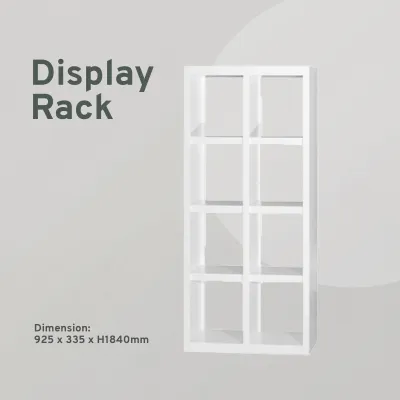
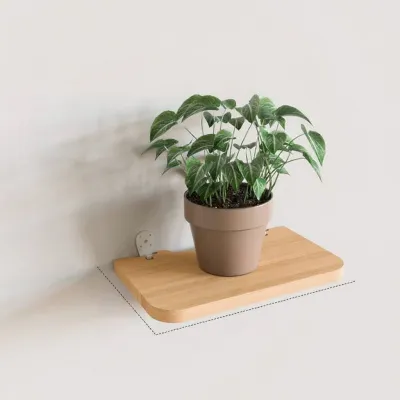
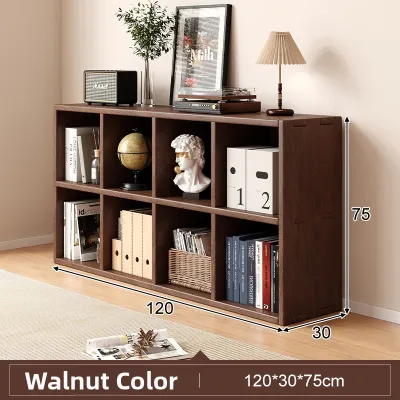
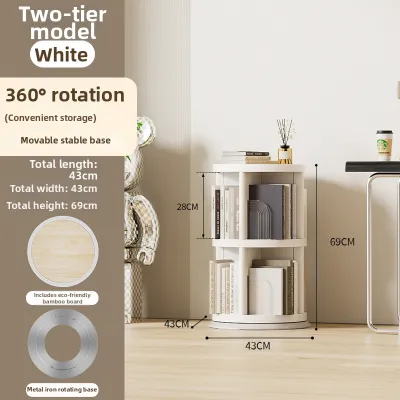
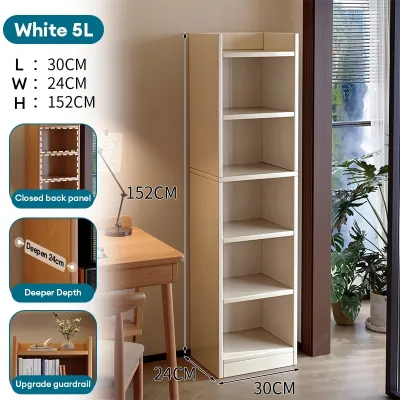
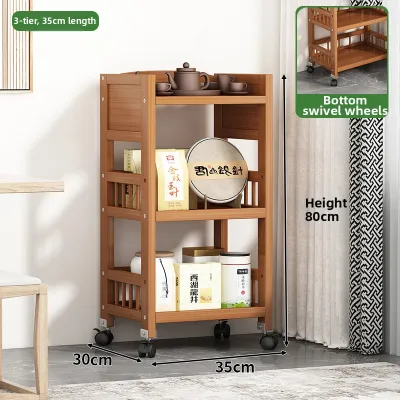
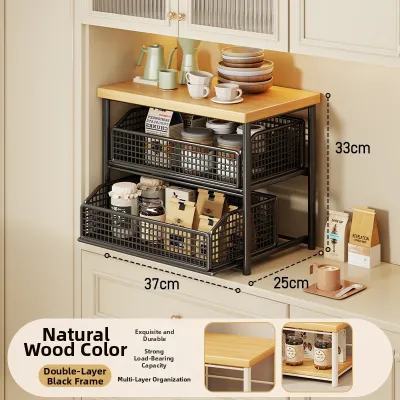
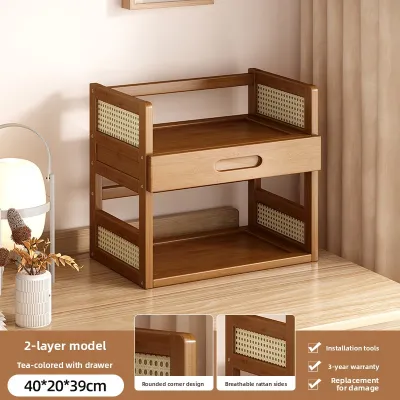
Prices are valid at publication and may change. Please refer to the product page for the latest price.
Next, look closely at the floor and wall for architectural features that project into your usable space. Skirting boards run along the bottom of the wall and will prevent a standard flat-backed shelf from sitting flush against the wall. Measure the height and depth of your skirting boards so you can account for this gap, or look for shelving units that feature baseboard cutouts.
Do not forget to locate all wall fixtures within the installation zone. Power outlets, light switches, internet ports, and thermostat controls must remain accessible. Blocking these fixtures not only limits their utility but can also create safety hazards if cords are bent tightly against the wall.
Finally, assess the environment for vertical and environmental obstacles. Note the height of low ceilings, decorative crown molding, or sloping walls in attic spaces. Ensure the shelf will not sit directly beneath or in front of air conditioning units, radiators, or windows, as localized temperature changes and direct sunlight can cause natural wood to warp or crack over time.
Step 2: Assess Your Storage Requirements
A shelf that fits your room perfectly is only useful if it also fits the items you plan to store. To determine the ideal shelf depth and vertical spacing, gather the items you intend to display and categorize them by their physical dimensions and weight.

Standard novels and paperbacks generally require a shelf depth of 20 to 25 centimeters, while large art books, binders, and storage boxes often require 30 to 35 centimeters. If you plan to store a mix of different items, look for a wooden rack shelf with adjustable shelf heights. This flexibility allows you to customize the vertical clearance for each tier, preventing wasted vertical space above smaller items.
Weight distribution is another critical factor when choosing a wooden shelf. Heavy items, such as thick textbooks, ceramic pots, or heavy equipment, should always be placed on the lowest shelves to keep the unit’s center of gravity low and prevent tipping.
Always check the manufacturer’s specified weight limits for both the individual shelves and the entire unit. Solid wood shelves generally offer higher load capacities than particleboard or medium-density fiberboard (MDF), but they still have limits. Exceeding these limits can cause the wood to sag permanently or cause the structural joints to fail over time.
Step 3: Match Dimensions to Wooden Rack Shelf Types
Once you have your room measurements and storage requirements, you can select the style of wooden rack shelf that best matches your spatial constraints. The three primary configurations are freestanding, wall-mounted, and corner units, each offering distinct spatial advantages.
Freestanding wooden rack shelves are highly versatile and easy to move, making them ideal for renters or those who like to rearrange their furniture. However, they require flat, level flooring to remain stable. If your floor is slightly uneven, look for units with adjustable leveling feet to prevent wobbling.
Wall-mounted shelves are excellent for small rooms because they keep the floor clear, creating an illusion of more space. Because they rely entirely on the wall for support, you must verify the wall type before installation. Heavy wooden shelves should be anchored directly into wooden wall studs or solid masonry; hollow drywall anchors are rarely sufficient for supporting heavy loads.
Corner wooden rack shelves are designed to maximize underutilized space in tight rooms. When measuring for a corner unit, remember that the depth of the shelf extends diagonally into the room, which can affect nearby furniture placement.
You should also evaluate standard versus modular dimensions. Standard units are cost-effective and straightforward, but modular wooden shelving systems allow you to add extra sections horizontally or vertically as your storage needs grow. This adaptability is highly beneficial for growing families or expanding home libraries.
Finally, consider the visual weight of the wood. A tall, dark, solid oak shelf can dominate a small room and make it feel cramped. For smaller spaces, a lighter wood species like pine or rubberwood, or an open-backed ladder shelf design, will provide the necessary storage without overwhelming the room’s visual proportions.
Step 4: Check Clearance, Pathways, and Safety Margins
A shelf must not only fit its designated spot but must also allow the room to function naturally. You must maintain comfortable walking paths and ensure that the shelf does not interfere with the movement of other items in the room.
Leave at least 90 centimeters of clearance in high-traffic walkways so that people can pass by without bumping into the corners of the shelf. Open the doors of nearby wardrobes, cabinets, and rooms fully to ensure they do not strike the wooden frame. If the shelf is placed near a window, verify that it will not obstruct the opening mechanism or block natural light.
Proper ventilation is also essential for preserving both the wood and your walls. In humid environments, such as Singapore, placing a wooden shelf tight against a wall can trap moisture, leading to mold growth on the back panel. Check the manufacturer’s care instructions for recommended clearance gaps; leaving a 1 to 2-centimeter space behind the unit promotes healthy airflow.
Before finalizing your purchase, plan the delivery route from your front door to the destination room. Measure the width and height of all entryways, narrow hallways, stairwells, and elevator doors. If the wooden rack shelf arrives fully assembled, it must be able to clear these tight spots; if it arrives flat-packed, ensure you have enough floor space in the room to assemble it safely.
Common Sizing Mistakes to Avoid
One of the most frequent errors is failing to account for baseboards and wall outlets during the initial measurement phase. Assuming a wall is completely flat often results in a shelf that stands several centimeters away from the wall at the top, creating an unstable gap and reducing the usable floor space in front of it.
Another common mistake is overloading shelves or distributing weight unevenly. Placing heavy items on the upper tiers raises the center of gravity, making the unit highly susceptible to tipping over. Always place the heaviest items at the bottom and secure any tall freestanding shelf to the wall using tip-over restraint kits.
Lastly, avoid choosing a shelf that is too deep for the room. While deep shelves offer more storage capacity, they can easily encroach on walkways, block natural light from windows, and make a balanced room feel cramped and disorganized.
Frequently Asked Questions (FAQ)
How much extra space should I leave around a freestanding wooden rack shelf?
You should always consult the manufacturer’s installation manual for specific clearance recommendations. As a general guideline, leaving a gap of 1 to 2 centimeters between the back of the shelf and the wall helps maintain adequate airflow, which prevents moisture buildup and mold. Additionally, ensure there is enough clearance on either side of the unit to allow for easy dusting and cleaning.
Can I adjust the shelf heights on a standard wooden rack shelf?
Whether you can adjust the shelves depends entirely on the product’s design. Many modern wooden rack shelves feature pre-drilled holes along the inner frame, allowing you to move the shelf support pegs up or down to customize the spacing. However, some traditional or rustic wooden shelves use fixed horizontal crossbars for structural stability, meaning the shelf heights cannot be altered. Always check the product specifications before purchasing if adjustable shelving is a priority for your storage needs.

Community discussion
Share your experience or ask a question. Comments are reviewed before publication.