
Finding the perfect shelving unit involves more than just picking a style you like from an online marketplace. To ensure your new furniture fits seamlessly into your home, you must systematically measure your physical space, identify environmental constraints, and define your storage needs. Measuring the width, height, and depth of your target area prevents costly return fees and layout headaches. By comparing your recorded dimensions against the manufacturer’s official product specifications, you can confidently select a unit that is both functional and visually balanced.
Step-by-Step Space Measurement for New Shelves
Width: Start by measuring the total horizontal wall space where the shelves will sit. Use a metal tape measure, as fabric tapes can stretch and introduce errors. Note any nearby architectural features like window frames, columns, or existing furniture. If you plan to place the shelf between two items, measure the gap at three different points—near the floor, in the middle, and near the top—to account for any slight wall slants.
Height: Measure from the floor to the ceiling, or to your desired maximum height limit. If you are opting for a freestanding bookcase, leave at least a few centimeters of clearance at the top to make installation easier. For wall-mounted shelves, determine the ideal eye-level placement and ensure the highest shelf remains within comfortable reaching distance.
Products mentioned in this guide
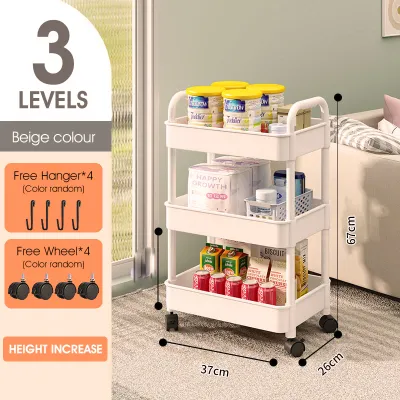
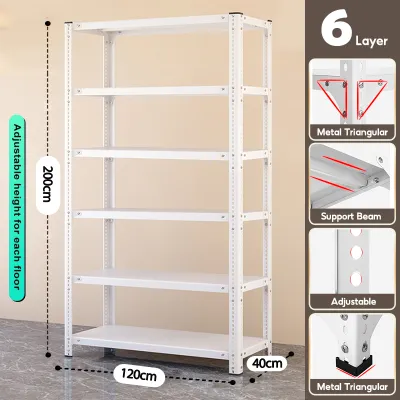
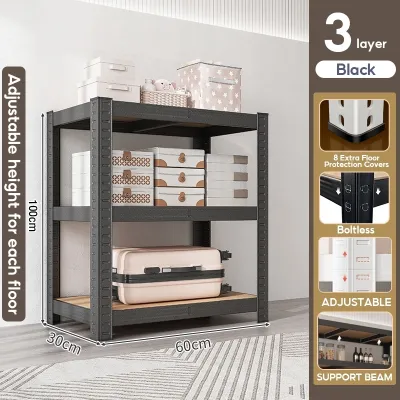
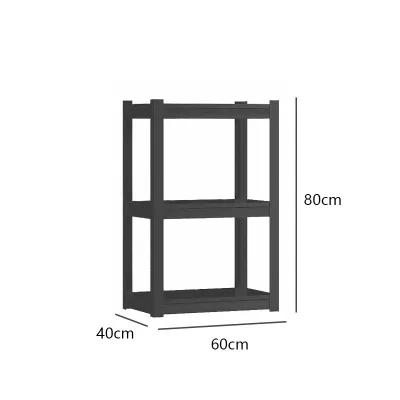
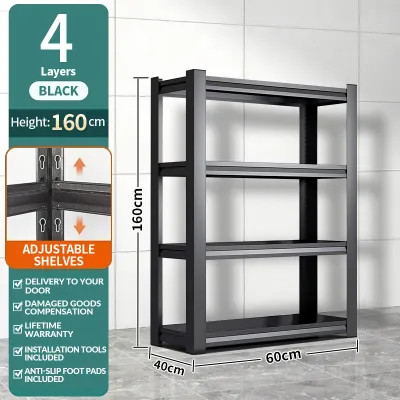
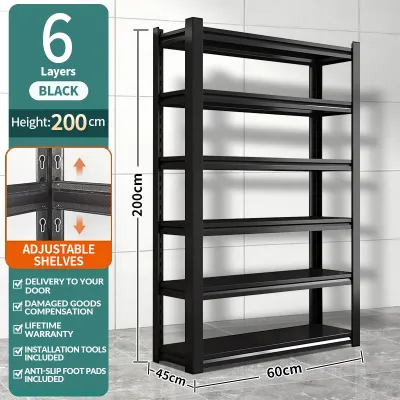
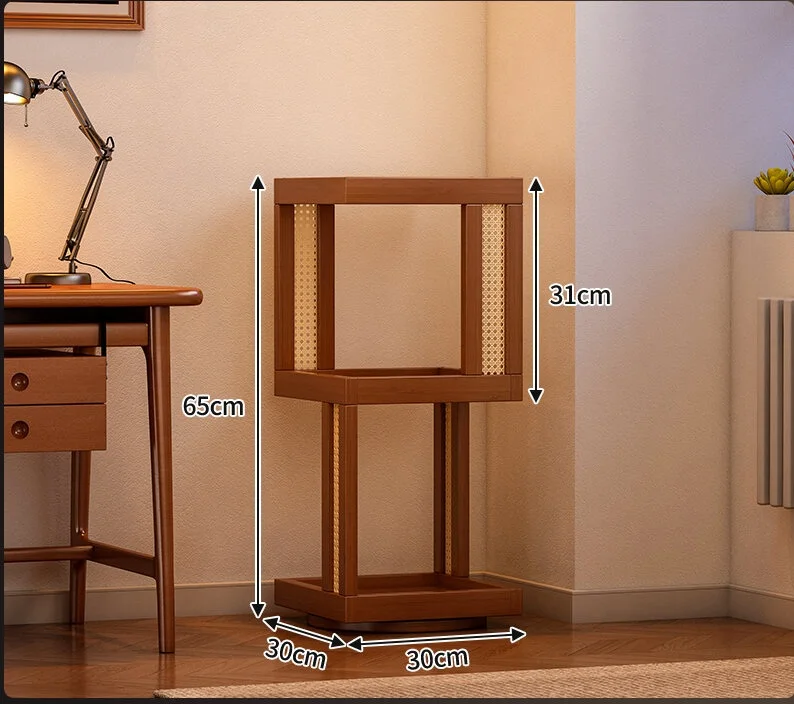
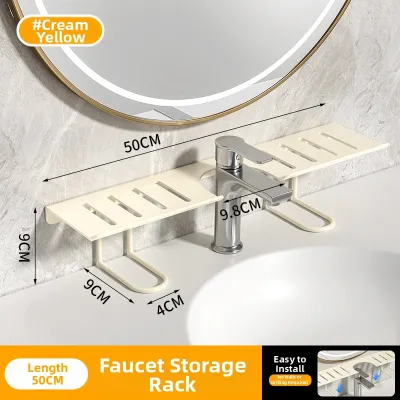
Prices are valid at publication and may change. Please refer to the product page for the latest price.
Depth: Measure how far the shelves will extend into the room. This is particularly critical in narrow hallways, entryways, or compact bedrooms. Ensure the shelf depth does not block walkways or interfere with the opening of nearby doors, wardrobe panels, or cabinet drawers.
Always record your measurements in a consistent unit, such as millimeters or centimeters, to match the technical specifications provided by furniture retailers.
Accounting for Room Layout and Hidden Clearances
Baseboards and Skirting: Most homes feature skirting boards along the base of the walls. If a shelving unit is designed to sit completely flush against the wall, these baseboards will push the bottom of the frame forward, creating a gap at the top. Check if the shelf has a cut-out backing to accommodate skirting boards, or factor this extra gap into your depth calculations.

Obstructions: Scan the wall for hidden obstacles. Power outlets, light switches, internet ports, and air conditioning units can easily be blocked by a tall or wide shelf. If you need access to these utilities, look for open-backed shelving designs or plan to position the unit slightly to the side.
Traffic Flow: A shelf should never turn a room into an obstacle course. Measure the swing radius of nearby doors and wardrobe doors to ensure they can open fully without striking the shelf. Leave a comfortable walking path of at least 70 to 90 centimeters in high-traffic areas so household members can pass by easily.
Delivery Access: Before finalizing your purchase, consider how the shelf will physically enter your home. Measure the height and width of your front door, hallway corners, stairwells, and especially the lift or elevator if you live in a high-rise apartment. If a pre-assembled unit cannot clear these entry points, you may need to opt for flat-pack shelves that can be assembled directly inside the room.
Matching Shelf Dimensions to Your Storage Needs
Item Height and Depth: Take stock of what you plan to store. Standard novels require a shelf depth of about 20 centimeters, while large binders, art books, or storage boxes may need 30 centimeters or more. Measure your tallest items to ensure the vertical clearance between shelves is sufficient.
Adjustability: If your storage needs are likely to change, look for units with adjustable shelving pegs. This flexibility allows you to reconfigure the internal layout over time, preventing wasted vertical space above shorter items.
Weight Capacity: The physical size of a shelf does not automatically dictate its load capacity. Heavy items like dense textbooks, vinyl records, or ceramic pots require sturdy materials and robust support joints. Always check the manufacturer’s rated weight limit per shelf, and ensure wall-mounted units are secured with heavy-duty anchors compatible with your wall type.
Visual Proportion: Consider the visual weight of the furniture. A massive, dark-wood shelving unit can easily overwhelm a small study or bedroom, making the space feel cramped. Conversely, a tiny shelf on a vast wall can look lost. Aim for a balanced scale that complements your room’s existing layout and ceiling height.
Common Measuring and Sizing Mistakes to Avoid
Ignoring Material Thickness: When calculating if your items will fit, do not just look at the external dimensions of the unit. Remember to subtract the thickness of the outer frame and the individual shelf panels to find the true internal clearance.
Assuming Walls Are Square: Walls are rarely perfectly straight, and corners are seldom exactly 90 degrees. If you are installing a corner shelf or a wall-to-wall modular system, measure the width at multiple heights. A variance of even a few millimeters can prevent a tight-fitting shelf from sliding into place.
Neglecting Assembly Clearance: Many flat-pack shelves must be assembled flat on the floor and then raised upright. If your ceiling height is exactly the same as the shelf height, you will not have enough diagonal clearance to stand the unit up. Always check the assembly instructions for the minimum ceiling height required for installation.
Relying on Estimates: Never estimate distances by pacing them out or guessing based on visual appearance. A proper metal tape measure is the only way to guarantee accuracy and avoid the hassle of returning a heavy, bulky piece of furniture.
Frequently Asked Questions (FAQ)
How much extra space should I leave around a freestanding shelf?
It is generally best to leave a small gap of about 1 to 2 centimeters between the sides of a freestanding shelf and adjacent walls or furniture. This gap allows for natural air circulation, which is especially important in humid climates to prevent moisture buildup and mold behind the unit. It also makes cleaning easier and prevents the shelf from scuffing your wall paint during minor shifts. Always consult the manufacturer’s guidelines, as some tall units require specific clearances to accommodate safety wall-anchoring brackets.
Can I install wall-mounted shelves on any type of wall?
Wall-mounted shelves cannot be installed safely without matching the mounting hardware to your specific wall material. Concrete, brick, and drywall all require entirely different types of wall plugs, screws, or anchors to support weight securely. Before drilling, verify your wall type and check the shelf manufacturer’s installation manual for compatible hardware recommendations. If you are unsure about the structural integrity of your wall or the weight-bearing capacity of the studs, it is highly recommended to consult a qualified professional installer to prevent damage or collapse.

Community discussion
Share your experience or ask a question. Comments are reviewed before publication.