
Finding the perfect bookshelf requires balancing your storage needs with the physical limits of your room. To choose the right size, you must measure the maximum available wall space, subtract necessary clearances for doors and walkways, and verify that the unit can physically pass through your building’s entryways. Taking these precise steps prevents buying a piece that overwhelms your room or, worse, cannot fit through your front door.
Assessing Your Room and Wall Dimensions
Before browsing designs, you need to establish the absolute maximum outer limits of your available space. Always use a metal tape measure for this task. Fabric or plastic tape measures can stretch over time, leading to inaccurate readings that might cause you to buy a unit that is slightly too wide.
Measure the width of your target wall at three different heights: near the floor, in the middle, and near the ceiling. Walls in residential homes are rarely perfectly square, and even a slight tilt can prevent a wide bookshelf from fitting into a tight alcove. Use the smallest of these three measurements as your maximum width limit.
Products mentioned in this guide
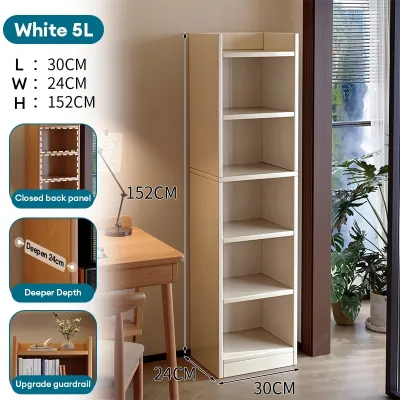
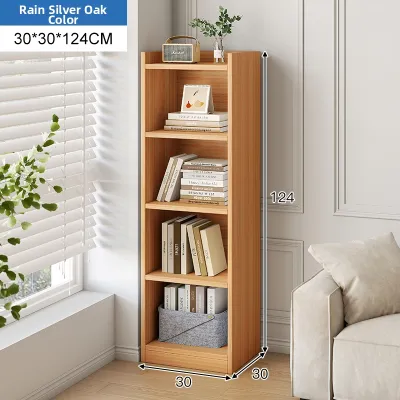
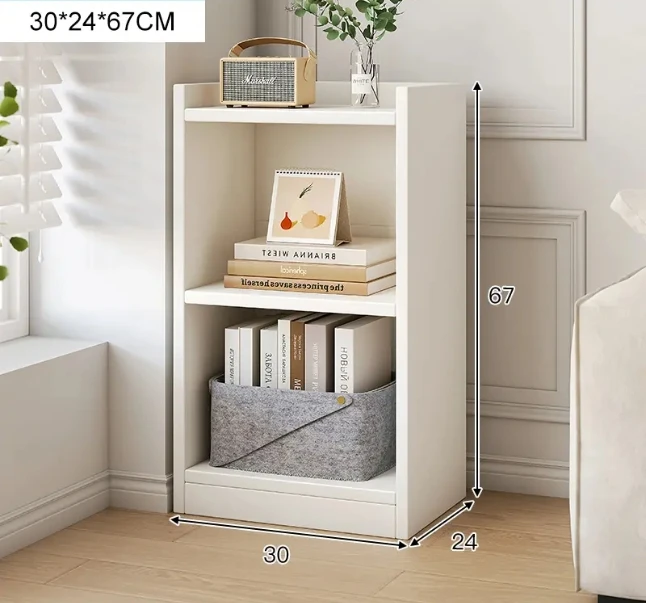
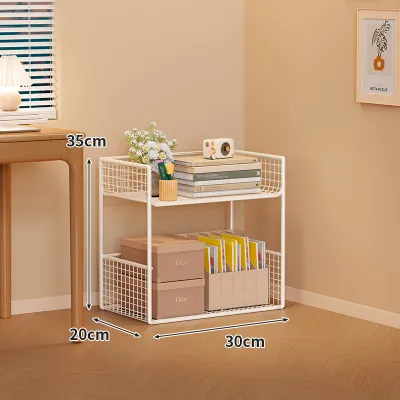
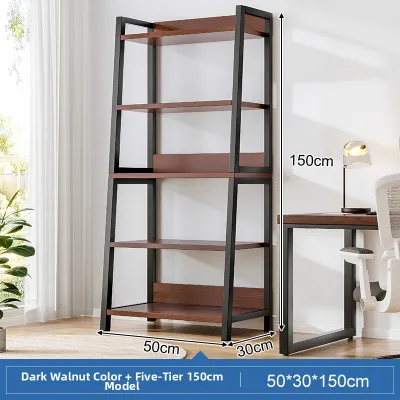
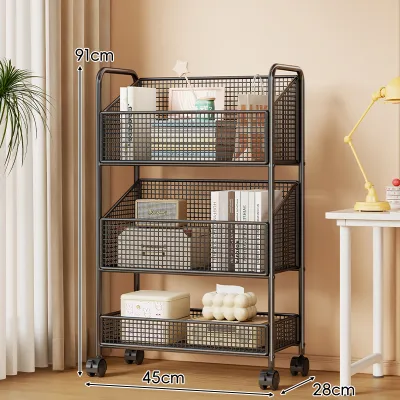
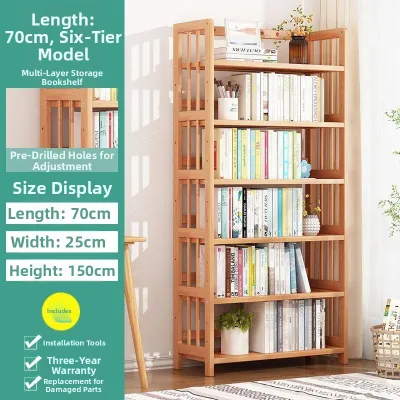
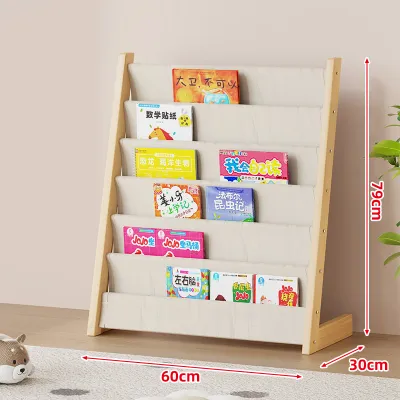
Prices are valid at publication and may change. Please refer to the product page for the latest price.
Next, measure the vertical height from the floor to the ceiling at both the left and right sides of the space. If you plan to buy a tall bookshelf, knowing the lowest ceiling point ensures the unit will clear the top without scraping.
Finally, identify any fixed architectural features on the wall. Take note of skirting boards, power outlets, light switches, and wall-mounted fixtures. If a bookshelf covers an outlet, you will lose access to it unless you pull the unit forward or cut a hole in the back panel.
Factoring in Clearance, Pathways, and Structural Limits
Once you have the maximum wall dimensions, you must subtract clearances to find the actual usable footprint. A bookshelf should never make a room feel cramped or restrict daily movement.

Start by checking the walkway clearance in front of the proposed bookshelf location. Leave at least 70 to 90 cm of open space so family members can walk past comfortably without bumping into the furniture.
Account for the swing radius of nearby doors, wardrobe doors, and windows. A bookshelf placed too close to a doorway can block it from opening fully, creating a safety hazard and a daily inconvenience.
Look upward for potential overhead obstructions. Ceiling fans, air-conditioning trunking, light fixtures, and structural beams can all limit how high your bookshelf can go. Ensure the top of the bookshelf sits well clear of these fixtures.
It is also wise to plan for a small ventilation gap of 1 to 2 cm between the back of the bookshelf and the wall. This gap promotes air circulation, which helps prevent moisture buildup and mold in humid climates. It also provides a neat pathway for managing cables if you plan to place lamps or chargers on the shelves.
Matching Bookshelf Depths and Heights to Your Layout
With your usable dimensions established, you can select a bookshelf configuration that matches both your room layout and your storage needs.
Consider the depth of the items you plan to store. Standard novels and paperbacks typically require a shelf depth of only 20 to 22 cm. Larger hardcovers, art books, or storage boxes usually need 30 to 35 cm. Choosing a shelf that is too deep wastes valuable floor space, while a shelf that is too shallow leaves items protruding awkwardly.
In space-constrained layouts like typical HDB flats or condominiums, vertical space is your most valuable asset. Opting for a tall, narrow bookshelf allows you to maximize storage capacity while occupying minimal floor area.
If your room has lower ceilings or you are placing the unit beneath a window, a wide, low bookshelf is a better choice. Low units keep the sightlines open, making the room feel larger and less cluttered while still providing a flat top surface for display items.
Verifying Delivery and Installation Access
A bookshelf that fits your room perfectly is of no use if it cannot get inside your home. You must verify the delivery route before making a purchase.
Measure the narrowest points of the journey from the delivery vehicle to the final room. This includes lift doors, the internal dimensions of the lift cabin, staircase landings, corridor widths, and your main entrance door frame.
If you are purchasing flat-pack furniture, check the packaging dimensions on the product specification sheet. While flat packs are easier to transport through tight corridors than fully assembled units, the boxes can still be exceptionally long and heavy.
Ensure there is enough open floor space in the target room to assemble the unit. Many tall bookshelves must be built flat on the floor and then raised upright. To do this safely, the diagonal height of the bookshelf must be less than your ceiling height, or you will hit the ceiling when tilting the unit upward.
Common Measuring Mistakes to Avoid
Avoiding a few frequent oversights can save you from costly returns and damaged walls.
The most common mistake is forgetting to measure the depth of skirting boards. Because skirting boards protrude from the wall, they prevent the base of a bookshelf from sitting flush against the wall, which can add 1 to 2 cm to the overall depth of the unit’s footprint.
Another error is assuming standard ceiling heights throughout the home. False ceilings, bulkheads, and decorative plaster moldings can significantly lower the clearance in specific parts of a room.
Finally, do not measure the wall width in isolation. Always consider the depth of adjacent furniture. A bookshelf might fit the wall width perfectly, but if it is too deep, it can block the drawers of an adjacent desk or restrict the movement of a nearby chair.
Frequently Asked Questions (FAQ)
How much space should I leave between a bookshelf and a wall?
Leaving a gap of about 1.5 to 2 cm between the back of the bookshelf and the wall is highly recommended. This space allows for adequate air circulation, preventing moisture from getting trapped and causing mold growth on both your books and the wall. It also accommodates skirting boards and provides room for electrical cords. If you need to secure the bookshelf to the wall using an anti-tip safety kit, many brackets are designed to accommodate this small gap while keeping the unit stable.
Can I place a bookshelf in front of a window?
While it is physically possible, placing a tall bookshelf directly in front of a window is generally not recommended. It blocks natural light, making the room feel smaller and darker. Additionally, exposure to direct sunlight can fade book covers and damage wood finishes over time, while condensation on the window pane can introduce moisture that warps pages. If you must use the space under a window, opt for a low, waist-height bookshelf that keeps the glass clear and allows light to enter.
What is the best bookshelf depth for standard paperbacks?
For standard paperbacks, a shelf depth of 20 to 22 cm is ideal. This depth keeps the books neatly aligned near the front edge without leaving wasted, empty space behind them. If your collection includes a mix of paperbacks, larger hardcovers, and reference books, a depth of 28 to 30 cm offers the most versatile compromise. Always measure your largest volume and add a 2 cm margin to ensure books do not overhang the shelf edge.

Community discussion
Share your experience or ask a question. Comments are reviewed before publication.