
Finding the ideal book shelf divider requires looking past the external frame of your bookcase and focusing entirely on its internal dimensions. Because dividers rely on a snug fit, tension, or precise bracket clearances to keep books upright, even a discrepancy of a few millimeters can prevent installation or cause the divider to slip. To choose the right size, you must identify your divider’s mounting style, measure the exact internal clearance of your shelves, and account for any structural obstacles like trim or bowing panels.
Taking accurate measurements ensures your books remain organized without damaging the shelf finish or putting undue stress on the furniture frame. Whether you are organizing a heavy collection of reference manuals or sorting lightweight novels, matching the divider’s physical dimensions to your shelf’s usable space is the most critical step.
Identify Your Divider Type to Determine What to Measure
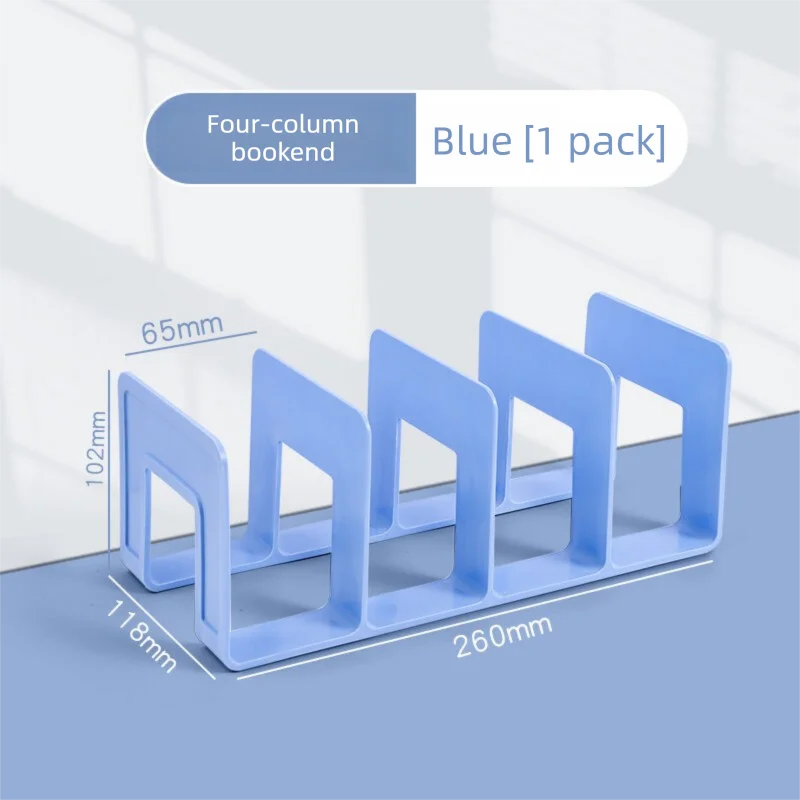
Before pulling out your measuring tape, clarify the exact style of divider you plan to install, as different designs require entirely different measurements. Upright category dividers are vertical panels designed to keep books standing straight and prevent them from tipping sideways. These typically slide onto the front edge of the shelf, clip over the top, or stand independently on a flat base.
Products mentioned in this guide

![[SG STOCK] Extendable Metal Bookend Book Stand Bookends | Book Organiser Book Rack | Book Shelf Book Holder Book Divider](https://img.lazcdn.com/g/p/f5a8886f5c8779f2d8c4d3114d4ea3b7.png_400x400q80.png_.webp)
Prices are valid at publication and may change. Please refer to the product page for the latest price.
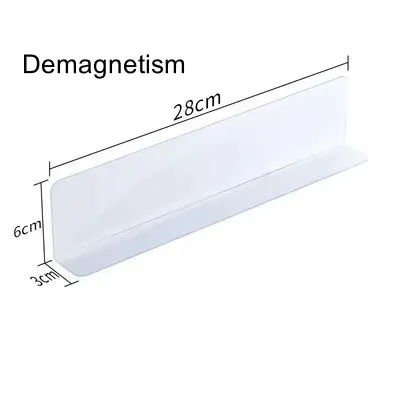
In contrast, horizontal add-on shelf boards act as structural dividers that split a tall vertical opening into two or more shorter tiers. These horizontal inserts require highly precise width measurements to ensure they can slide between the side panels and rest securely on support pegs or brackets.
The mounting mechanism of your chosen divider dictates your measurement focus. Clip-on or slide-on dividers require you to know the exact thickness of your shelf board so the integrated bracket can slip over it without cracking the wood or sitting too loosely. Tension-based dividers rely on constant pressure against the upper and lower shelves, making precise vertical height measurements critical. Freestanding dividers with wide, flat bases do not require tension, but they do demand sufficient shelf depth so the base does not overhang the front edge. Always check the manufacturer’s product specifications to identify which of these dimensions are required for a proper fit.
Measuring for Upright Category Dividers
To select the right size for vertical upright dividers, you must measure the internal height of the shelf opening. Place a rigid steel measuring tape flat on the top surface of the bottom shelf and extend it vertically to the underside of the shelf directly above it. Avoid using flexible fabric sewing tapes, as they can sag and introduce errors of several millimeters.

Next, measure the usable shelf depth from the back panel to the front edge of the shelf board. If your bookcase features a back lip, decorative front trim, or integrated doors, measure only the flat, unobstructed surface where the divider will actually sit. A divider that extends past the front edge of the shelf is easily bumped by passing foot traffic, which can loosen the mount or damage the shelf.
Finally, measure the thickness of the shelf board itself if you are using slide-on or clip-on dividers. Use a precise ruler or a caliper to measure the front edge of the shelf. If your shelf board is 18 millimeters thick, a clip-on divider designed for a maximum thickness of 15 millimeters will bend or snap during installation. Conversely, a clip-on divider rated for 25 millimeters will wobble on a thinner shelf, failing to keep heavy books upright.
Measuring for Horizontal Add-On Shelves
If you are installing horizontal add-on shelves to split a tall compartment, your primary focus must be the internal width of the bookcase. Measure the distance between the left and right side panels at three distinct points: the very back of the shelf, the middle, and the front edge. Wood, particle board, and laminate bookshelves can bow outward or inward over time due to weight, humidity, or structural settling. Using the smallest of these three measurements ensures your new horizontal insert will slide into place without scraping or binding against the side panels.
Next, measure the exact depth from the back panel to the front edge of the shelf. Look closely for any protruding hardware, such as door hinges, magnetic catches, or decorative face frames, that might narrow the entry path. Your horizontal divider must be shallow enough to clear these obstacles while still resting fully on its support brackets.
Lastly, assess the support mechanism and load capacity of your bookcase. Check if the inner side panels feature pre-drilled peg holes. If they do, measure the diameter of these holes—typically 5 millimeters or 6 millimeters—to ensure your new shelf support pins fit snugly. If you are using freestanding, stackable wire shelves as horizontal dividers, verify that the feet will rest securely on the lower shelf surface without slipping off the front or back edges.
Common Measuring Mistakes That Cause Poor Fits
One of the most frequent errors is measuring the outer dimensions of the bookcase rather than the internal usable space. The outer width and height include the thickness of the side panels, top crown molding, and base plinths, which can add several centimeters to your measurements. Always place your measuring tape inside the cabinet opening to capture the true clearance.
Another common oversight is ignoring decorative trim, skirting, or wall-anchoring hardware. If your bookcase has a decorative front lip that hangs down slightly below the shelf line, it reduces the actual clearance height needed to slide a tall divider or book into place. Always measure the clearance at the narrowest point of the opening rather than the center.
Additionally, do not assume that every shelf tier in a manufactured bookcase is identical. Even in high-quality furniture, manufacturing tolerances or slightly misplaced shelf peg holes can create height variations of several millimeters between tiers. Always measure the specific shelf where you plan to install the divider rather than measuring one tier and assuming the rest are identical.
Verifying Clearance and Installation Safety
Before finalizing your purchase, simulate the installation process to ensure you can safely position the dividers. Rigid, non-adjustable dividers often require extra overhead clearance to slide onto the shelf at an angle. If your shelf spacing is tight, you might not have enough vertical room to slip a clip-on divider over the edge of the board without scratching the finish.
Review the bookshelf manufacturer’s guidelines regarding modifications and weight limits. Applying heavy-duty adhesives to wood veneers or paper foils can tear the finish if you ever decide to remove or reposition the dividers. Similarly, drilling holes for screw-in dividers should only be done on solid wood or high-density boards; hollow-core shelves or thin particle board may crumble under the stress of screws.
If your bookshelf is antique, made of fragile glass, or shows signs of structural sagging, avoid tension-based or screw-in dividers. In these cases, stop and consult a professional furniture maker, or opt for lightweight, freestanding bookends that do not exert pressure on the frame.
Frequently Asked Questions (FAQ)
Do I need to measure every single shelf tier? (FAQ)
Yes, it is highly recommended to measure each individual tier where you plan to place a divider. While shelves may look uniform, slight variations in peg placement, wood bowing, or manufacturing tolerances can affect the fit. Measuring the exact spot guarantees that rigid or tension-based dividers will fit securely without slipping or damaging the wood.
Can I use adhesive dividers on glass or delicate shelves? (FAQ)
You should avoid using permanent or high-strength adhesives on glass, delicate veneers, or paper-wrapped finishes. Adhesives can leave permanent residue, chip delicate surfaces, or tear away laminate when removed. For these materials, freestanding dividers with non-slip felt bases or lightweight tension dividers are much safer alternatives that preserve the integrity of your furniture.

Community discussion
Share your experience or ask a question. Comments are reviewed before publication.