
To choose the right size acrylic divider for your bookcase, you must measure the exact internal width, usable depth, and vertical height clearance of your shelves using a rigid metal tape measure. Because mass-produced and custom-built bookcases often have slight structural variances, bowing, or front lips, relying on nominal dimensions can lead to dividers that slip, tilt, or fail to slide onto the shelf. Taking precise measurements at multiple points ensures your acrylic dividers fit snugly, support your books securely, and maintain a clean, organized aesthetic.
Acrylic shelf dividers are an excellent way to organize books, folders, and decorative items without adding visual clutter. However, because acrylic is a rigid, non-flexible material, there is very little room for error when it comes to sizing. A divider that is even a few millimeters too large may not fit at all, while one that is too small will wobble and fail to hold heavy volumes upright. By taking the time to measure your shelving system systematically, you can select the correct style and size of divider to keep your collection perfectly aligned.
Why Accurate Shelf Measurements Matter for Acrylic Dividers
Using ill-fitting acrylic dividers can lead to several frustrating issues, ranging from minor aesthetic annoyances to physical damage to your furniture and books. When a divider does not fit the shelf depth or height correctly, it can easily tip over under the lateral pressure of leaning books. This sudden tipping can cause a domino effect, damaging delicate book spines, tearing dust jackets, or even scratching the surface of your shelves.
Products mentioned in this guide
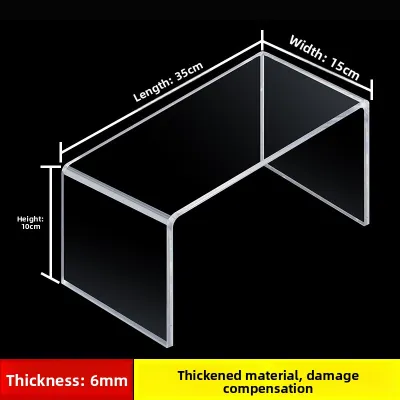
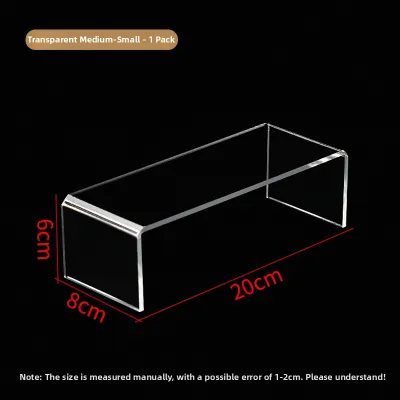
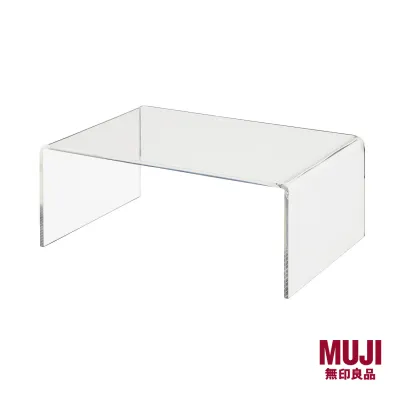
Prices are valid at publication and may change. Please refer to the product page for the latest price.
Furthermore, structural factors like shelf bowing, back panels, and front lips significantly impact the actual usable space inside a bookcase. In humid climates, shelves made of particleboard, medium-density fiberboard (MDF), or plywood are highly susceptible to absorbing moisture over time. This moisture absorption, combined with the weight of heavy books, often causes shelves to sag or bow in the middle. A bowed shelf changes the vertical clearance and prevents rigid dividers from sitting flat, which can cause them to slide or stand at an angle.
Many homeowners make the mistake of relying on the nominal dimensions provided by the bookcase manufacturer or retailer. These listed dimensions are typically external measurements designed to help you determine if the furniture piece will fit against your wall. They do not account for the thickness of the side panels, the presence of backboards, or decorative trim. To ensure your acrylic dividers function as intended, you must measure the actual interior space where the dividers will sit.
Tools You Need Before Measuring Your Bookcase
Before you begin taking measurements, gathering the right tools will ensure your readings are accurate and repeatable. Avoid using flexible cloth or plastic sewing tape measures, as these can easily stretch, sag, or bend around corners, leading to inaccurate dimensions. Instead, always use a high-quality, rigid metal tape measure that can extend across the span of your shelf without bending.

In addition to a metal tape measure, a carpenter’s square or a long, rigid straight edge is incredibly useful for checking the flat surface of your shelves. Laying a straight edge across the shelf allows you to instantly see if there is any bowing or warping in the center. If you notice a gap between the straight edge and the shelf surface, you will need to account for this variance when choosing your divider height and installation method.
Finally, prepare a notepad or a digital device to record your measurements. It is highly recommended to sketch a quick diagram of your bookcase, labeling each shelf tier from top to bottom. Because adjustable shelves can be positioned at different heights, and even fixed shelves can have minor manufacturing variances, recording the width, depth, and height for each unique tier will prevent purchasing errors.
Step-by-Step: Measuring Shelf Width, Depth, and Height
To capture the true usable dimensions of your bookcase, you must measure each shelf tier individually and at multiple points. This systematic approach ensures that any structural irregularities, tapering, or bowing are accounted for before you make a purchase.
Start by measuring the internal width of the shelf. Place the end of your metal tape measure against the inside of one side panel and extend it to the opposite side panel. Take this measurement at three distinct points: the front edge of the shelf, the middle, and the very back. Side panels on older or heavily loaded bookcases can sometimes bulge outward or warp inward, meaning the shelf may be narrower at the back than it is at the front. Always record the smallest of these three width measurements to ensure your dividers can slide in smoothly.
Next, determine the true usable depth of the shelf. Measure from the front edge of the shelf board straight back to the rear boundary. If your bookcase has a back panel, measure directly to the panel. If it is an open-backed bookcase, measure to the back edge of the wood. Be sure to look out for any obstructions such as door hinges, glass door frames, magnetic catches, or decorative front trim that might prevent a divider from sliding all the way back. If your bookcase has sliding or hinged doors, measure the depth from the back panel to the inner track of the door to ensure the divider does not block the doors from closing.
Finally, check the vertical height clearance between the shelves. Measure the distance from the top surface of the shelf to the underside of the shelf directly above it. Just like the width, you should take this measurement at both the left and right ends, as well as in the dead center. If the shelf above is bowing downward, the center clearance will be smaller than the clearance at the sides. This vertical measurement is critical, especially if you plan to use tall dividers or slip-on models that wrap around the shelf board.
If you are planning to purchase slip-on acrylic dividers, you must also measure the exact thickness of the shelf board itself. Use your tape measure to find the thickness of the front edge of the shelf. Most standard bookcase shelves range from 15mm to 25mm in thickness. Knowing this exact figure is vital, as slip-on dividers feature a rigid, pre-formed clip that must match your shelf thickness to slide on securely without cracking the acrylic or damaging the shelf finish.
Translating Measurements into the Right Acrylic Divider Size
Once you have recorded all of your shelf measurements, you can begin comparing them to the specifications of acrylic dividers available on online marketplaces or specialty home organization stores. Translating these raw numbers into the correct product size requires a basic understanding of manufacturing tolerances and divider designs.
First, always allow for a small clearance gap to prevent jamming. Acrylic products are manufactured with slight tolerances, meaning a divider listed as 30 cm deep might actually be 30.2 cm deep. To avoid a tight fit that could scratch your bookcase or cause the divider to protrude, choose a divider depth that is at least 5mm to 10mm shorter than your shelf’s usable depth. This small buffer ensures the divider sits fully on the shelf and allows any cabinet doors to close without interference.
Next, consider how the specific design of the divider interacts with your measurements:
- Slip-On/Clip-On Dividers: These are designed to slide directly onto the front edge of the shelf. For these, the most critical measurement is the shelf thickness. If your shelf is 18mm thick, look for a divider with a clip opening designed specifically for 18mm shelves. If the opening is too narrow, forcing it will snap the acrylic. If it is too wide, the divider will tilt and wobble under the weight of your books.
- Freestanding/Flat-Bottom Dividers: These dividers sit flat on top of the shelf surface without clipping onto the edge. They are highly versatile but rely on the weight of the books or a wide base for stability. For flat-bottom designs, ensure the depth of the divider's base does not exceed your shelf depth, and verify that the height of the divider is at least two-thirds the height of the books you plan to organize.
- Tension-Based Dividers: These dividers use a spring-loaded or adjustable mechanism to press against the shelf above and below. For these, your vertical height clearance measurement must fall comfortably within the manufacturer's specified expansion range. If the tension is too high, it can cause thin shelves to bow further; if too low, the divider will slide out of place.
Additionally, pay close attention to the base profile of the divider. Some acrylic dividers feature wide, flared feet or T-shaped bases to increase stability. While these bases prevent tipping, they also take up valuable horizontal shelf space. Ensure that the width of these bases, when multiplied by the number of dividers you plan to use, does not exceed your total usable shelf width.
Verifying Fit and Stability After Installation
After your acrylic dividers arrive, it is important to verify their fit and stability before fully loading your shelves with books. Proper installation and testing will protect your furniture and ensure the dividers perform reliably over time.
Begin by gently sliding or placing the dividers onto the shelves. If you are using slip-on dividers, they should slide on with mild resistance but should not require excessive force. If you feel the wood veneer or laminate starting to pinch or scrape, stop immediately. Forcing a tight divider can chip the shelf finish or cause the acrylic to fracture. If the fit is slightly loose, do not panic; this can often be corrected with simple adjustments.
Once the dividers are in place, test their lateral stability. Place a few heavy books against one side of the divider and observe how it reacts. If the divider slides easily along the shelf or tilts to one side, it lacks the necessary friction. To resolve this, you can apply thin, clear silicone bumper pads or a small strip of removable, double-sided gel tape to the underside of the divider base. These non-slip solutions greatly increase grip on smooth laminate, painted wood, or glass surfaces without causing permanent damage to the shelf.
Finally, inspect all contact points between the acrylic and your bookcase. Ensure there are no sharp edges or burrs on the acrylic that could scratch the shelf surface. If you are using dividers on delicate finishes, adding a thin layer of felt or silicone padding at the contact points is a highly effective way to preserve the pristine condition of your furniture while enjoying a beautifully organized display.
Frequently Asked Questions (FAQ)
Can I use acrylic dividers on glass bookcase shelves?
Yes, you can use acrylic dividers on glass shelves, but you must take extra precautions. Glass is highly slippery and prone to scratching from direct contact with rigid acrylic. Check the divider manufacturer’s specifications to ensure compatibility with glass. Always use soft silicone, rubber, or felt protective pads on the contact points of the divider to prevent sliding and protect the glass from scratches.
What if my bookcase shelves are not perfectly square?
If your shelves are bowed, tapered, or uneven, always use the smallest measured dimension as your guide when purchasing dividers. This ensures the divider will fit into the tightest part of the shelf. For slip-on dividers on bowed shelves, try placing them closer to the outer edges where the shelf is supported and flattest, or opt for freestanding, flat-bottom dividers that do not rely on a perfectly level shelf board.
Do I need to measure every single shelf in my bookcase?
Yes, it is highly recommended to measure every single shelf individually. Even in mass-produced, modular bookcases, manufacturing tolerances and assembly variances can result in slight differences between tiers. Additionally, shelves that have been loaded with heavy items over time may have bowed or settled differently, meaning a divider that fits perfectly on the top shelf might not fit on the bottom shelf.

Community discussion
Share your experience or ask a question. Comments are reviewed before publication.