
Finding the right size movable shelf requires balancing your available floor space with the physical dimensions of the items you plan to store. Unlike fixed cabinetry, a mobile unit needs extra clearance to roll, turn, and pass through doorways without damaging your walls or flooring. By taking precise measurements of both your room and your storage items, you can select a unit that remains stable, functional, and easy to reposition.
Assessing Your Available Floor and Wall Space
To find the perfect spot for a movable shelf, start by measuring the maximum footprint your floor can accommodate. Use a metal measuring tape to determine the available width and depth of the designated area. Be sure to measure from the front of the skirting boards rather than the bare wall, as these baseboards can prevent a shelf from sitting flush and may push the unit forward by several centimeters.
Take note of any wall fixtures that could restrict placement or movement. Power outlets, light switches, internet ports, and wall-mounted thermostats must remain accessible and unobstructed. If your shelf will sit near a window or door, measure the clearance needed for window sills and door swing arcs to prevent collisions when the door is opened or the shelf is moved.
Products mentioned in this guide
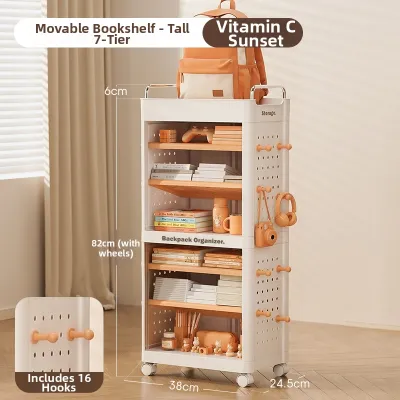
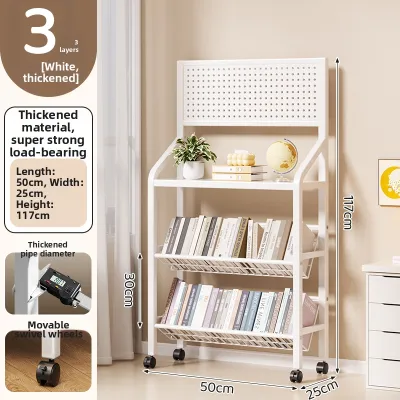
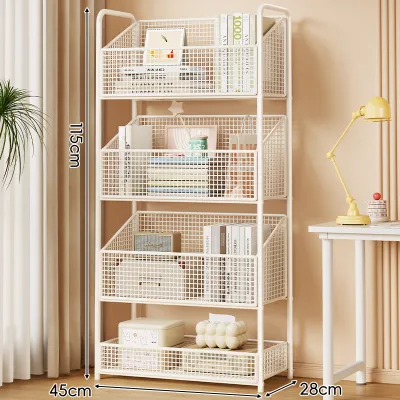
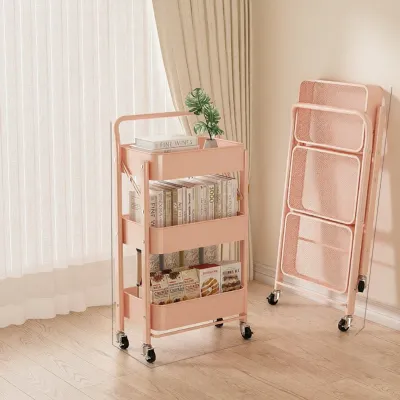
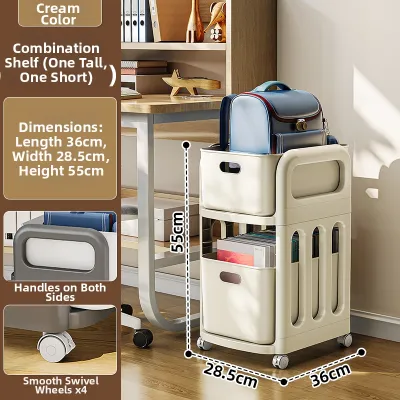
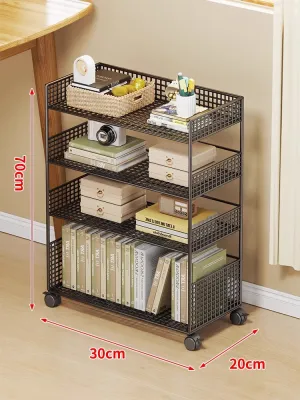
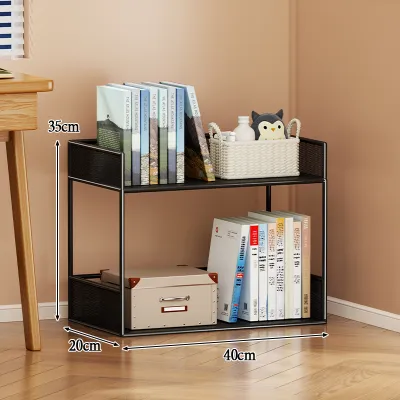
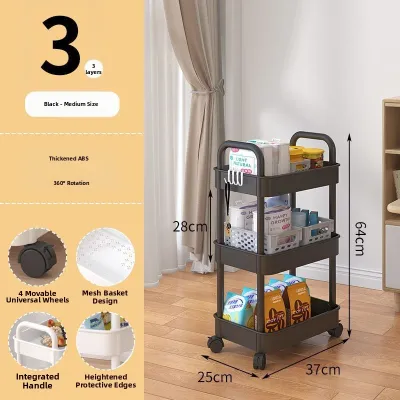
Prices are valid at publication and may change. Please refer to the product page for the latest price.
Next, measure the vertical clearance from the floor to the ceiling. Look upward for any overhead obstacles such as sloped ceilings, structural beams, decorative cornices, or hanging light fixtures. If you plan to place items on the very top tier of the shelf, leave at least 30 to 40 centimeters of open space below the ceiling to allow for comfortable loading and unloading.
Evaluating Pathways and Movement Clearances
A movable shelf is only as useful as its ability to travel between spaces. If you plan to relocate the unit between rooms, you must verify that its finished dimensions can clear every hallway, doorway, and tight corner along the way. Measure the narrowest points of your hallways and the clear opening width of your door frames, keeping in mind that door hinges and handles can reduce the usable entry space.

Consider the turning radius of the unit, especially if it features four swivel casters. Wheeled shelves require extra lateral clearance to pivot around corners or navigate narrow aisles. If the path includes tight turns, a longer shelf may get wedged, so choosing a more compact width or a unit with a smaller turning footprint is often safer.
Finally, plan for comfortable walking paths around the shelf in its primary location. A mobile unit should never restrict high-traffic walkways or create tripping hazards. Ensure there is enough clearance for household members to walk past the shelf even when it is fully loaded, and verify that nearby cabinet doors or appliances can open completely without striking the unit.
Matching Shelf Dimensions to Storage Needs
To determine the ideal shelf depth and height, you must evaluate the specific items you intend to store. Gather your largest or bulkiest items, such as storage bins, binders, or kitchen appliances, and measure their depth and height. Compare these measurements against the manufacturer’s specified usable shelf depth, which is often smaller than the unit’s external frame dimensions.
Adjustable tier spacing is highly beneficial for maximizing vertical storage. Look for units with adjustable shelving tracks or peg systems, which allow you to customize the height of each tier to match your items. This flexibility prevents wasted vertical space and ensures that taller items do not have to be stored horizontally or forced into tight spaces.
Weight capacity is another critical factor that dictates the size and material of your shelf. Always check the manufacturer’s specified weight limit per shelf and the total weight capacity for the entire unit. Heavy items like books, tools, or ceramic cookware require heavy-duty shelving with reinforced supports, whereas lightweight decorative items can use lighter frames.
Checking Structural and Safety Specifications
The physical proportions of a movable shelf directly impact its stability and safety during movement. Evaluate the base width-to-height ratio of any unit you consider. Taller, narrower shelves have a higher center of gravity, making them more prone to tipping when rolled over uneven surfaces or when loaded top-heavy. As a general rule, keep heavier items on the lowest shelves to maintain a low center of gravity.
Examine the casters or wheels to ensure they are suitable for your specific environment. High-quality movable shelves should feature reliable locking mechanisms on at least two of the wheels to secure the unit firmly in place when stationary. Unlocked wheels can cause the shelf to drift, especially on slightly uneven floors or when items are being retrieved.
The wheel material must also match your flooring type to prevent damage. Hard plastic or metal wheels can easily scratch hardwood, laminate, or vinyl floors, so look for soft polyurethane or rubber-coated casters for these surfaces. For carpeted areas, larger and wider wheels are necessary to distribute the weight and prevent the unit from sinking into the pile.
Common Sizing Mistakes to Avoid
One of the most frequent errors when choosing a movable shelf is forgetting to account for the depth of skirting boards. If you measure the floor space directly from the wall, the baseboards will push the bottom of the shelf forward, which can cause the top of a tall unit to lean or prevent it from fitting into tight alcoves. Always measure from the outermost point of the skirting board.
Another common mistake is ignoring protruding hardware when calculating the shelf’s operational footprint. Manufacturer dimensions often list only the main frame size, omitting protruding handles, extended wheel bases, or external support brackets. These extra centimeters can prevent a shelf from fitting into a tight niche or block a nearby door from opening fully.
Lastly, do not assume that all shelves within a unit have uniform weight capacities. Some manufacturers design the bottom shelf to support significantly more weight than the upper tiers. Always verify the individual shelf load limits in the product manual rather than dividing the total weight capacity equally among all levels.
Frequently Asked Questions (FAQ)
Can I use a movable shelf on carpeted floors?
Yes, but you must select a unit with appropriate wheels. Standard small casters tend to sink into carpet fibers, making the shelf difficult to roll and potentially damaging the carpet. Look for larger, wider wheels made of hard materials that can glide over the pile, and check the manufacturer’s specifications to confirm carpet compatibility.
How much space should I leave between the shelf and the wall?
It is best to leave a gap of at least 2 to 5 centimeters between the shelf and the wall. This clearance prevents the unit from scuffing your paint or wallpaper when it is moved or loaded. Additionally, this gap ensures that the shelf does not pinch power cords or block access to wall outlets and light switches.

Community discussion
Share your experience or ask a question. Comments are reviewed before publication.