
Finding the perfect cabinet shelf size requires a systematic approach: you must measure the exact interior dimensions of your cabinet opening, account for hardware clearances, and match the shelf depth to your stored items while leaving room for doors to close. Whether you are retrofitting a built-in kitchen pantry, upgrading a living room bookcase, or organizing a utility closet, precise measurements prevent sagging, jamming, and wasted space. By following a structured measurement process, you can confidently select or cut shelves that fit your storage needs perfectly.
Assessing Your Storage Needs and Item Dimensions
Before picking up a measuring tape, identify exactly what you plan to store on each cabinet shelf. The physical dimensions of your items dictate the minimum height, depth, and overall capacity required for your shelving system.
Start by categorizing your items by their physical dimensions. Group tall cookbooks, standard novels, heavy kitchen appliances, or small pantry jars into distinct categories. Measure the tallest, deepest, and widest item in each group to establish your baseline requirements.
Products mentioned in this guide
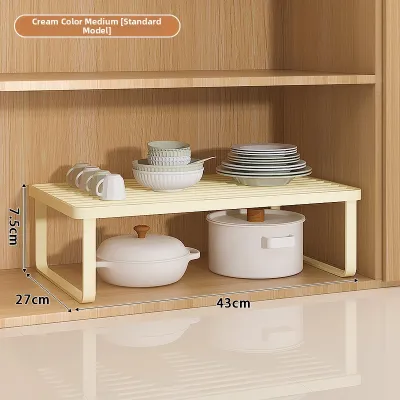
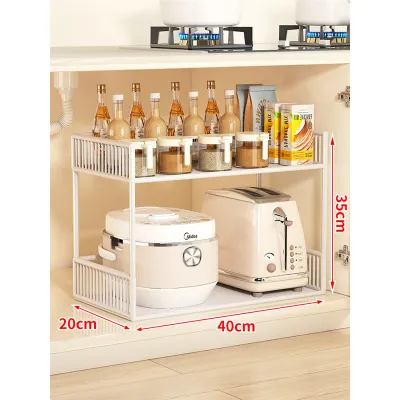
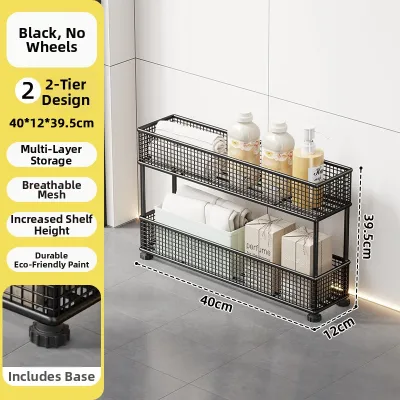
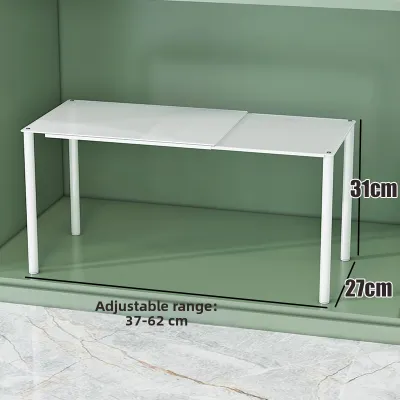
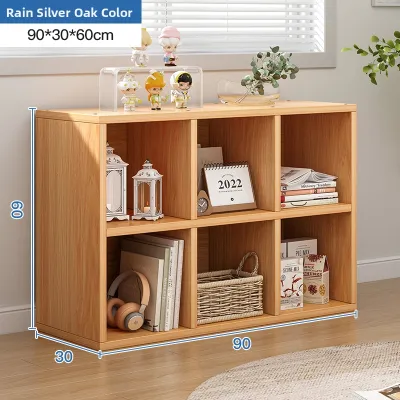
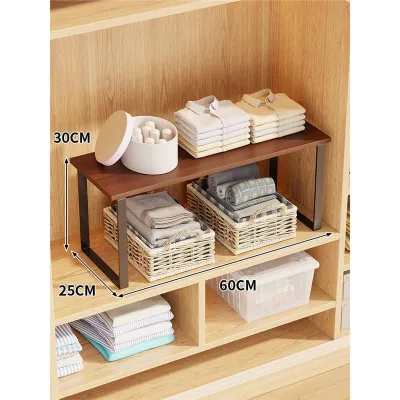
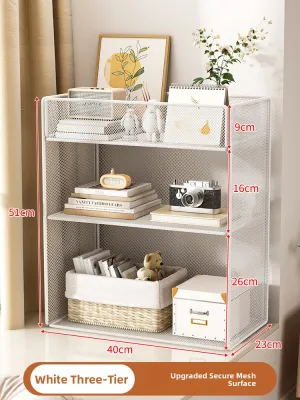
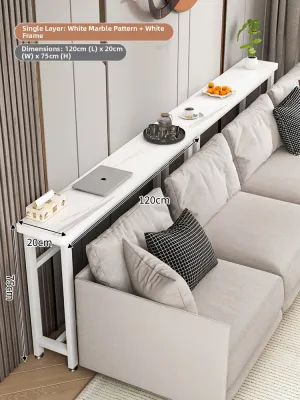
Prices are valid at publication and may change. Please refer to the product page for the latest price.
Always allow extra vertical and horizontal clearance around your items. A tight fit makes retrieval difficult and can restrict ventilation, which is particularly important in humid climates to prevent moisture buildup. Aim for a comfortable buffer zone that lets you slide items in and out without scraping the shelf above or the sides of the cabinet.
Grouping similar items together allows you to optimize adjustable shelf spacing. Instead of setting all shelves at equal heights, place shorter items on closely spaced shelves and taller items on wider-spaced shelves. This strategy maximizes your vertical storage volume and prevents empty, unusable air space.
Measuring the Available Space and Cabinet Openings
Accurate physical measurements of your cabinet interior are the foundation of a successful installation. Even professionally installed cabinets can have slight variances, so never rely on external dimensions or assumptions.

Measure the interior width of the cabinet opening at three distinct points: the top, the middle, and the bottom. Walls, cabinet frames, and side panels can bow or warp over time. Use the narrowest of these three measurements as your maximum shelf width to ensure the shelf can slide in smoothly without damaging the interior walls.
Determine the maximum usable depth by measuring from the back wall of the cabinet to the inside face of the front frame or door. If your cabinet has backboards, baseboards, or rear structural supports, measure from the outermost point of these obstructions. Ensure you also account for surrounding walkways; a shelf that protrudes too far might prevent cabinet doors from closing or block foot traffic.
Check carefully for internal physical obstructions that could interfere with shelf placement. Look for door hinges, magnetic catches, interior lighting fixtures, wiring conduits, or power outlets. If your cabinet doors use European-style cup hinges, these mechanisms often protrude significantly into the cabinet opening, requiring you to notch the shelf or reduce its width.
Selecting Shelf Dimensions and Adjustability
Once you have your interior measurements, you can determine the final dimensions and configuration of your cabinet shelf. The goal is to balance storage capacity with ease of access and structural stability.
Your shelf depth must always be slightly less than the cabinet interior depth to ensure the doors can close fully. For standard cabinets, leaving a small gap of about 10 to 15 millimeters between the front edge of the shelf and the closed door is a safe practice. This gap prevents the shelf from rubbing against the door panel or interfering with latching mechanisms.
Decide between fixed, adjustable, or pull-out shelf mechanisms based on your daily access needs. Fixed shelves offer superior structural support and help tie the cabinet frame together, making them ideal for heavy storage. Adjustable shelves, supported by pins or metal tracks, offer excellent flexibility for changing storage needs. Pull-out shelves or drawers provide the best accessibility for deep base cabinets, though they require precise clearance for sliding hardware.
Evaluate whether standard pre-cut shelves or custom-cut options are best for your space. Pre-cut shelves are readily available at local home improvement stores and online marketplaces, offering a cost-effective solution for standard cabinet sizes. However, if your cabinet openings are irregular, custom-cut shelves are necessary to achieve a secure, flush fit without dangerous gaps.
Evaluating Weight Capacity and Material Limits
A shelf must do more than just fit; it must safely support your items over time without sagging or collapsing. Evaluating weight capacity requires looking closely at material properties and support structures.
Always check the manufacturer specifications or product labels for the maximum load limit per shelf. These ratings assume the weight is distributed evenly across the entire surface rather than concentrated in one spot. If you are purchasing individual shelf boards, verify the load limits specified by the supplier.
Understand how shelf thickness, material type, and span length affect structural integrity. Solid wood and high-quality plywood generally resist sagging better than particleboard or medium-density fiberboard (MDF) of the same thickness. A longer span naturally reduces weight capacity; a shelf that is 90 centimeters long will sag much more easily under the same load than a shelf that is 60 centimeters long.
Identify conditions that require extra support. If you plan to store heavy items like ceramic tableware, cast-iron cookware, or dense book collections, you may need to install center support brackets, heavy-duty standards, or front-edge wood stiffeners. Adding a solid wood trim to the front edge of an MDF shelf not only improves its appearance but also significantly increases its resistance to bending.
Common Sizing and Installation Mistakes to Avoid
Small oversights during the planning phase can lead to shelves that do not fit or function properly. Being aware of common pitfalls helps ensure a smooth installation process.
Accounting for hardware thickness: Do not forget to subtract the thickness of shelf brackets, side-mounted tracks, or support pins from your total width measurement. If your shelf fits too tightly against the support hardware, it can scratch the cabinet interior or fail to sit level.
Checking door clearance: Always verify how your cabinet doors operate. Sliding doors, bi-fold doors, and doors with deep-set hinges require extra clearance. A shelf that is too deep will prevent these doors from sealing or sliding past one another.
Verifying squareness: Never assume that your cabinet frame or walls are perfectly square. Use a framing square or measure diagonally from corner to corner to check for alignment. If the cabinet is out of square, you may need to scribe and cut the shelves at a slight angle to achieve a professional finish.
Frequently Asked Questions (FAQ)
How much extra space should I leave above stored items?
As a general rule, leave at least 3 to 5 centimeters of vertical clearance above the tallest item on a shelf. This gap allows you to comfortably tilt and lift items when retrieving them. For everyday items like coffee mugs or dinner plates, a slightly larger clearance of 5 to 8 centimeters makes daily use much easier, whereas long-term archival storage or tightly packed books can function with minimal clearance.
Can I use standard pre-cut shelves in custom cabinet openings?
Yes, you can adapt standard pre-cut shelves to custom openings, but it requires careful planning. If the pre-cut shelf is slightly too wide, you can trim it down using a circular saw with a fine-tooth blade to prevent chipping. If the shelf is too narrow for the opening, you cannot safely use filler strips to bridge a wide gap; instead, you must install dedicated side cleats or support brackets to ensure the shelf is securely anchored.
What is the maximum span for a shelf before it needs center support?
The maximum unsupported span depends heavily on the shelf material and the weight of the items. For standard 18-millimeter-thick MDF or particleboard, the span should generally not exceed 60 to 75 centimeters under normal loads. Solid wood or high-quality plywood can often span up to 80 to 90 centimeters before requiring a center support bracket or a reinforced front lip. Always consult the manufacturer’s span guidelines for your specific material to prevent unsightly and unsafe sagging.

Community discussion
Share your experience or ask a question. Comments are reviewed before publication.