
Finding the right cabinet storage rack requires a precise understanding of your kitchen’s internal dimensions. In compact Singapore homes, where kitchen space in HDB flats and condominiums is highly optimized, maximizing cabinet efficiency is essential. A storage rack that is even a few millimeters too wide or deep can prevent cabinet doors from closing, block plumbing access, or render expensive pull-out mechanisms useless. By systematically measuring your cabinet interiors and matching them to the correct hardware configurations, you can transform cluttered shelves into highly functional storage zones.
Step 1: Measure Your Kitchen Cabinet Interior Accurately
Measuring your cabinet interior is the foundation of a successful kitchen organization project. To begin, clear out all items from the cabinet to expose the bare surfaces. Use a reliable metal measuring tape rather than a flexible fabric one, as metal tapes remain rigid over long distances and provide more accurate readings.
Take measurements for width, depth, and height at three distinct points: the front, the middle, and the back of the cabinet. Kitchen cabinets, especially built-in units, can bow, warp, or settle over time, leading to slight variations in internal dimensions. Always use the smallest of the three measurements as your maximum limit when shopping for a cabinet storage rack.
Products mentioned in this guide
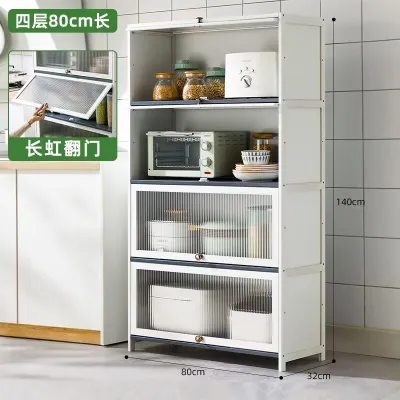
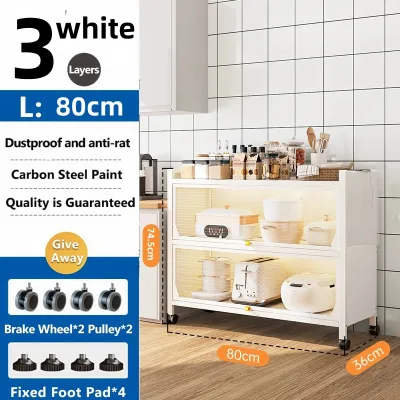
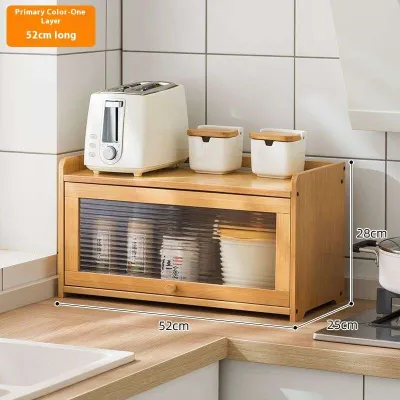
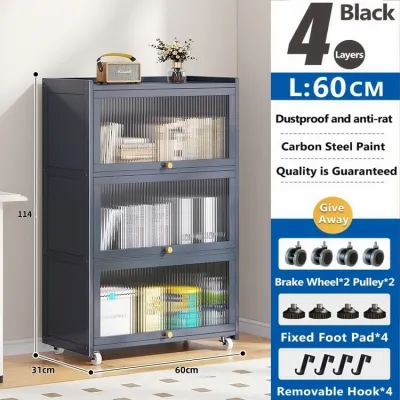
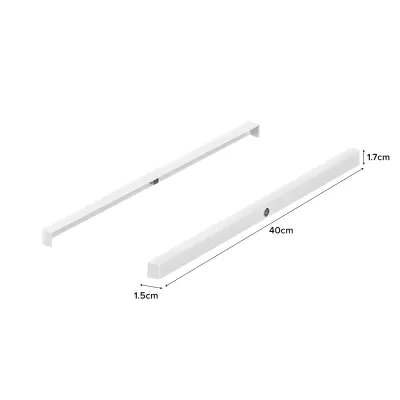
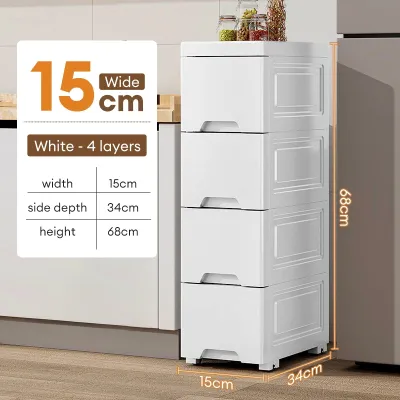
Prices are valid at publication and may change. Please refer to the product page for the latest price.
Next, identify and subtract any internal obstructions. Cabinet door hinges, magnetic latches, gas struts, and protruding screw heads can significantly reduce the usable width or depth. For example, a standard concealed hinge can protrude up to 3 centimeters into the cabinet opening, which will block a pull-out drawer from sliding forward if not accounted for.
Finally, record all your measurements in a single unit, preferably millimeters or centimeters. Most manufacturers of kitchen hardware and storage organizers list their product dimensions in metric units. Keeping your records consistent eliminates conversion errors and simplifies the process of comparing product specifications.
Step 2: Match Rack Configurations to Cabinet Types
Once you have accurate measurements, you must match the rack configuration to the specific cabinet type and your daily access needs. Different cabinet zones require distinct storage strategies to maximize usability and prevent physical strain.

Evaluate pull-out, tiered, and door-mounted options against your available depth and the door swing radius. Pull-out organizers are excellent for deep cabinets but require a door that can open fully to at least 90 degrees—and sometimes up to 110 degrees—to allow the tracks to extend without scraping the door’s inner surface.
For tall pantry cabinets, look for adjustable shelving systems or modular racks. These allow you to customize the height of each tier to accommodate varying item sizes, from tall cereal boxes to short spice jars, preventing wasted vertical space.
Always check the manufacturer’s specifications for the minimum cabinet width required for pull-out mechanisms. The actual basket of a pull-out rack is always narrower than the required installation width, as the sliding tracks and mounting brackets require dedicated space on either side.
Base Cabinets and Drawers
Base cabinets and drawers typically house heavier cookware and require robust, accessible storage solutions. Before installing any rack under a kitchen sink, verify the clearance around plumbing traps, waste disposal units, and water filtration systems. U-shaped or adjustable under-sink racks are designed to wrap around these obstacles, but you must measure the exact height and width of the pipes to ensure a proper fit.
Additionally, ensure that any pull-out rack you select does not exceed the load capacity of your cabinet floor or existing drawer slides. Storing heavy items like cast iron skillets, stone mortar and pestles, or large bags of rice on a flimsy rack can cause the sliding tracks to bind or the cabinet base to sag over time.
Wall and Tall Cabinets
Wall and tall cabinets present unique accessibility challenges, as items stored near the top or back are often difficult to reach. To optimize these high spaces, select step-shelf organizers or lazy Susans (turntables). These configurations bring items at the back into view without requiring you to reach over other containers.
If you are considering door-mounted racks to utilize the back of your cabinet doors, confirm that they will not interfere with internal shelves when the door is closed. Measure the depth of the door rack and ensure there is an equivalent gap between the front edge of your internal shelves and the closed cabinet door.
Step 3: Account for Clearance, Hardware, and Weight Limits
Smooth operation and long-term durability depend on accounting for hardware clearances, installation materials, and weight limits. A rack that fits tightly on paper may still cause issues during daily use if these factors are ignored.
Always leave a safety buffer of at least 1 to 2 centimeters around the entire rack. This clearance provides finger room for pulling out baskets, prevents the metal frame from scratching the cabinet’s laminate finish, and accommodates minor installation misalignments.
Verify that the mounting hardware supplied with the rack is compatible with your cabinet’s material and thickness. Most built-in kitchen cabinets in Singapore are constructed from engineered wood, such as plywood or medium-density fibreboard (MDF). Ensure that mounting screws are short enough not to pierce through the outer cabinet wall or adjacent panels, yet long enough to secure the rack firmly.
Weight distribution is critical for maintaining the stability of both the rack and the cabinet structure. Place heavier items on the lowest tier of freestanding racks to prevent them from tipping over when you reach for items on top. For pull-out systems, distribute the weight evenly across the entire basket to prevent the sliding tracks from twisting or wearing out prematurely.
Given the high humidity levels in Singapore, pay close attention to the material finish of the storage rack. Metal racks should feature a high-quality rust-resistant coating, powder finish, or be made of stainless steel to withstand moisture, especially in under-sink areas or near the stove where steam is common.
Common Sizing Mistakes to Avoid
One of the most frequent errors is measuring the exterior of the cabinet instead of the interior. Cabinet walls typically range from 15 to 18 millimeters in thickness, meaning the internal width can be up to 3.6 centimeters narrower than the external width.
Another common mistake is ignoring the swing radius of cabinet doors and adjacent obstacles. If a cabinet is positioned next to a wall or a large appliance like a refrigerator, the door may not open wide enough to allow a pull-out rack to slide past it.
Lastly, do not overlook the physical thickness of the rack’s own frame and sliding mechanisms. Many homeowners purchase a rack that matches the exact internal width of their cabinet, only to find that the mounting brackets and sliding tracks require an extra centimeter of space to function.
Frequently Asked Questions (FAQ)
Can I install a pull-out rack in a cabinet with a center stile?
Standard pull-out racks require a completely unobstructed opening to slide forward. If your double-door cabinet has a vertical center stile (the wooden divider between the doors), you cannot install a single wide pull-out rack across the entire width. Instead, treat each side of the stile as an independent cabinet, measure them separately, and install two narrower pull-out units. Alternatively, use freestanding tiered organizers or door-mounted racks that do not require sliding mechanisms. Do not attempt to cut or remove a center stile without consulting a professional carpenter, as it may be a structural support for your kitchen countertop.
Do I need to drill holes to install a cabinet storage rack?
Whether you need to drill depends entirely on the type of rack you choose. Freestanding tiered racks, expandable under-sink organizers, and turntables require no drilling or permanent installation, making them excellent choices for rental homes where modifying cabinetry is restricted. However, heavy-duty pull-out drawers and slide-out organizers must be securely anchored to the cabinet floor or side walls using screws to prevent them from tipping forward when fully extended. Before drilling, check the material of your cabinets and review any warranty conditions to ensure you do not void them or damage the structural integrity of the panels.

Community discussion
Share your experience or ask a question. Comments are reviewed before publication.