
Quick Answer: Matching Your Coffee Table to Your Room
To find a coffee table style that complements your living room, begin by analyzing the dominant lines, materials, and scale of your existing sofa and flooring. You can choose to match these elements for a seamless, harmonious look, or introduce an intentional contrast to create a striking focal point.
Before finalizing any visual style, prioritize physical clearance, traffic flow, and table height. A coffee table must be highly functional, allowing comfortable movement and easy reach from your seating. Balancing these practical dimensions with your preferred design aesthetic ensures the piece fits both your lifestyle and your space.
How to Assess Your Current Living Room Aesthetic
Selecting the right coffee table begins with a careful evaluation of your existing furniture and decor. The coffee table does not exist in a vacuum; it interacts constantly with the surrounding pieces, particularly your primary seating. Start by analyzing the dominant shapes and lines of your sofa. A modern, low-profile sectional with clean, blocky lines pairs beautifully with a table that shares those geometric qualities, whereas a classic sofa with soft, rolled arms might benefit from a table with curved edges or turned legs.
Products mentioned in this guide
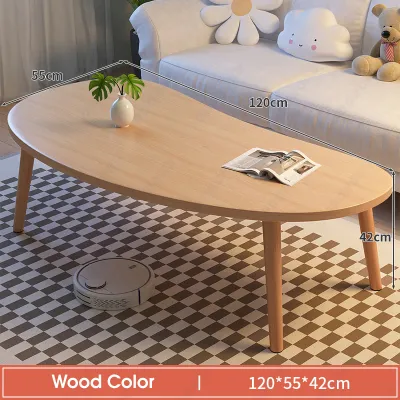
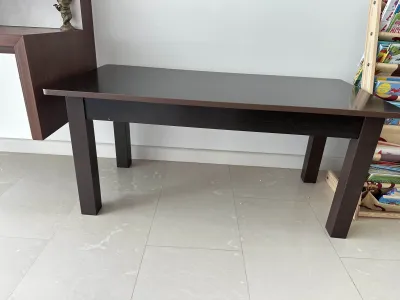
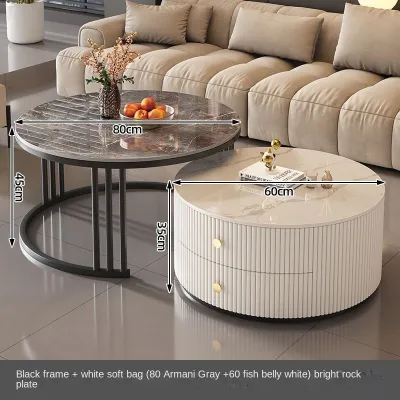
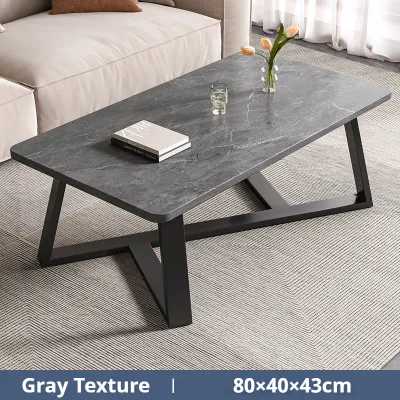
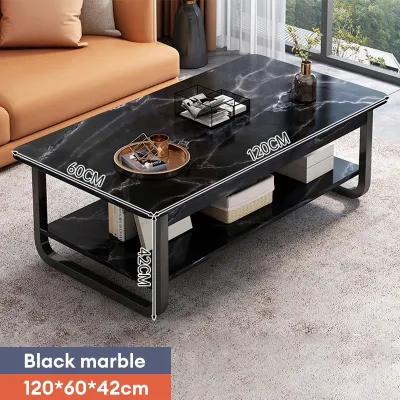
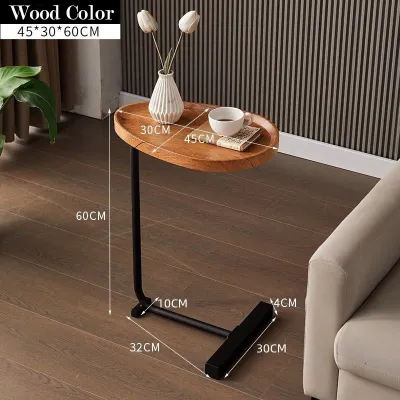
![[3S FURNITURE] Stylish Lightweight Coffee Bed Side Table with Pine Wood Table Leg (6 Months Local Warranty)](https://img.lazcdn.com/g/p/8114c6cc9f8d167c664dbce77b09ff53.png_400x400q80.png_.webp)
Prices are valid at publication and may change. Please refer to the product page for the latest price.

Next, look down at your flooring and area rugs, which serve as the immediate backdrop for your coffee table. If you have dark parquet or wood-look vinyl flooring, a matching dark wood table can easily get lost or make the center of the room feel heavy and dark. In this scenario, choosing a lighter wood finish, a painted surface, or a metal frame can create the necessary contrast. Similarly, if you have a highly patterned area rug, a simple, solid-colored coffee table will prevent the space from looking cluttered. Conversely, a neutral, solid rug provides an excellent canvas for a table with intricate wood grain, a stone top, or an unusual geometric base.
Identify the overarching theme of your room to establish a clear design direction. Whether your space leans toward cozy and rustic, sleek and modern, eclectic, or formal, your coffee table should support this narrative. Take note of the dominant materials already present in the room, such as brass light fixtures, linen curtains, or matte black steel accents. Incorporating one or two of these materials into your coffee table design helps tie the entire room together.
Finally, determine the visual weight you want the table to carry. In smaller living rooms, a table with a glass top or an open, slender metal frame keeps the sightlines clear and makes the room feel larger. In contrast, a large, open-plan living area can easily accommodate a solid block-style wooden or stone table, which helps ground the seating arrangement and makes the space feel more intimate and structured.
Popular Coffee Table Styles and Visual Cues
Understanding the defining characteristics of major design movements makes it much easier to identify which coffee table style will complement your home. Each style utilizes specific materials, finishes, and structural details to achieve its unique look.
By learning these visual cues, you can select a piece that feels intentional and harmonizes with your existing furniture. Let’s explore the most popular coffee table styles and how they function within a living space.
Scandinavian and Minimalist Designs
- Visual cues: Light-toned woods such as ash, beech, or light oak, matte finishes, simple geometric shapes, and low-slung profiles. These tables often feature round, oval, or soft rectangular tops supported by slender, tapered, or straight legs.
- Pairs well with: Neutral color palettes, soft linen or boucle textures, and uncluttered, airy spaces. They work exceptionally well with modern, low-profile sofas in shades of grey, beige, or soft pastels.
- Functional focus: Emphasizing lightness and maintaining open room proportions. This style is ideal for compact apartments where heavy furniture would overwhelm the visual field, keeping the floor area looking spacious, bright, and clean.
Industrial and Raw Material Designs
- Visual cues: Heavy metal frames, often powder-coated in matte black or distressed iron, paired with reclaimed or textured wood tops. These designs frequently showcase exposed hardware, rivets, and dark, moody tones with blocky or rectangular shapes.
- Pairs well with: Exposed architectural elements, concrete screed or large-format tile floors, leather sofas, and urban loft aesthetics. They complement rich, warm textures like cognac leather, dark denim, or heavy canvas.
- Functional focus: Providing high visual weight and a durable, lived-in appearance. These tables are highly resilient and bring a grounded, masculine energy to a room, making them excellent anchor pieces for active households or larger, open-plan spaces.
Mid-Century Modern Designs
- Visual cues: Tapered wooden legs that often angle outward, warm wood finishes like walnut, teak, or cherry, and organic, flowing shapes such as ovals, surfboards, or kidney beans.
- Pairs well with: Velvet or tufted sofas, bold accent colors like mustard yellow, olive green, or burnt orange, and vintage-inspired decor. They sit beautifully alongside tapered-leg armchairs and retro lighting fixtures.
- Functional focus: Balancing nostalgic architectural charm with everyday usability. The organic curves of mid-century tables soften the rigid lines of standard rectangular living rooms, facilitating smoother movement around the seating area.
Traditional and Classic Designs
- Visual cues: Rich, dark-stained woods like mahogany or cherry, carved details, turned legs, and heavy glass, marble, or stone tops. These tables often feature ornate brass hardware or classic molding.
- Pairs well with: Rolled-arm sofas, formal chesterfields, patterned Persian or oriental area rugs, and structured, symmetrical layouts.
- Functional focus: Creating a sense of permanence, elegance, and formal structure. These tables are designed to be substantial centerpiece items that anchor a formal seating arrangement, offering a timeless look that outlasts passing trends.
Practical Checks: Dimensions, Clearance, and Layout
While finding the right aesthetic style is exciting, a coffee table must also fit your physical space and daily routines. Before making a purchase, it is essential to perform a few practical checks to ensure the table functions well in your layout.
Start by measuring the distance between the front edge of your sofa and the edge of the coffee table. A comfortable distance is between 35 cm and 45 cm. This spacing provides ample legroom to sit and stand comfortably while keeping drinks, remote controls, and books within easy reach.
Next, verify the height of the table relative to your sofa seat cushions. Ideally, the tabletop should be level with or up to 5 cm lower than the top of the sofa seat cushions. A table that is too high disrupts the visual flow of the room and feels awkward to use, while one that is too low requires uncomfortable bending to reach your items.
Consider the overall length of the table in relation to your sofa. To maintain visual balance, your coffee table should be approximately one-half to two-thirds the length of your sofa. A table that is too short looks lost and disproportionate, while one that is too long makes it difficult to get in and out of the seating area.
For apartments in Singapore, delivery access is a critical step that is often overlooked. Before finalizing your order, measure the height and width of your apartment’s doorways, the clearance of stairwells, and the internal dimensions of the lift. A large, solid-block coffee table that cannot fit into the lift or turn a tight corner in a corridor will result in costly return fees or delivery failures.
Finally, assess the physical footprint of the table against the room’s total square footage. In compact living rooms, opt for tables with open bases, nesting designs, or slender legs that allow light to pass through, preventing the room from feeling cramped.
Evaluating Materials and Finishes for Your Lifestyle
Choosing the right material involves balancing your aesthetic goals with the realities of daily maintenance and household habits. Always review the manufacturer’s care labels and product specifications before buying to ensure the material suits your lifestyle.
For example, raw, unsealed wood is highly susceptible to water rings and stains, requiring immediate cleanups and constant coaster use. If you have young children or pets, tempered glass or rounded stone tops are easier to wipe clean, but glass will show fingerprints and smudges instantly. Solid wood with a durable polyurethane or lacquer finish offers a good balance of warmth and spill resistance.
Verify structural stability and weight capacity, especially if the table will double as a footrest, a casual dining surface, or a play area. Look for sturdy joinery, such as mortise-and-tenon joints or reinforced metal brackets, rather than simple glue-and-screw construction.
If you live in a highly humid environment, certain materials like untreated MDF or low-grade veneers may warp or peel over time. Opt for solid wood, high-quality plywood, metal, or stone that can withstand ambient moisture. If the manufacturer’s care instructions or material specifications conflict with your intended use, stop and consult the retailer to find a more suitable finish.
Frequently Asked Questions (FAQ)
Can I mix two different design styles in one living room?
Yes, mixing styles can create a curated, lived-in look rather than a showroom feel. To do this successfully, use the coffee table as a bridge. For example, pair a sleek, modern sofa with a rustic wood coffee table to add warmth. Ensure there is at least one unifying element, such as a shared color palette, matching metal accents, or similar wood undertones, to maintain visual harmony across the different eras.
What shape works best for a small or narrow living room?
Oval, round, or nesting coffee tables are highly effective for compact or narrow spaces. Round and oval shapes eliminate sharp corners, making it much easier to navigate tight pathways without bumping into edges. Nesting tables offer excellent flexibility, as they can be stacked together to save floor space and expanded only when you need extra surface area for guests.

Community discussion
Share your experience or ask a question. Comments are reviewed before publication.