
Creating a cohesive dining space is more than just buying a matching set from a showroom. To find the right chair for dining table setups, you must balance the physical properties of your table, the overarching style of your room, and practical spatial clearances. A well-coordinated dining area relies on intentional design choices rather than accidental pairings. By understanding how materials, shapes, and dimensions interact, you can curate a space that feels both balanced and highly functional.
This guide provides a structured framework to evaluate your current setup, pair materials effectively, and verify physical dimensions before making a final purchase. Whether you are working with a sleek glass top in a modern apartment or a heavy solid wood table in a spacious home, these principles will help you make an informed decision.
Assessing Your Dining Table and Room Baseline
Before browsing chair designs, evaluate the physical and visual characteristics of your existing or planned dining table. Start by identifying the table’s dominant material, finish, and base structure. A heavy pedestal base distributes weight differently than four corner legs, which directly impacts where chairs can be tucked in. The visual weight of a thick concrete or solid oak top requires a different stylistic response than a thin, floating glass surface.
Products mentioned in this guide
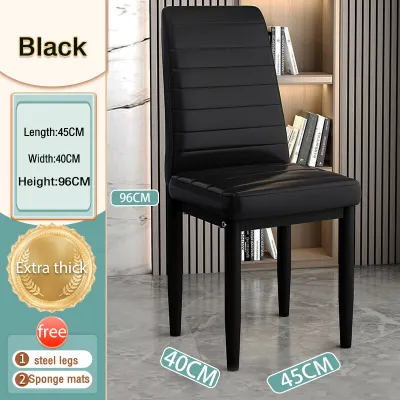
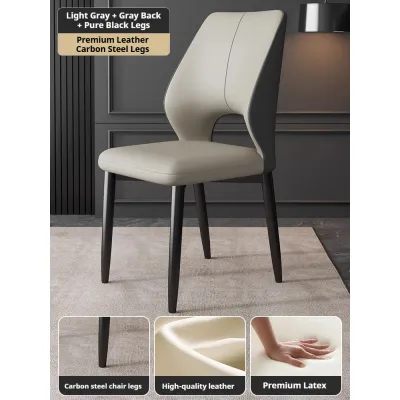
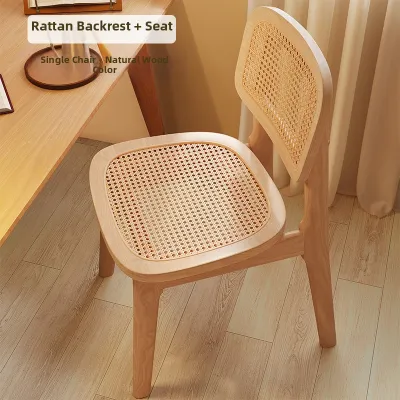
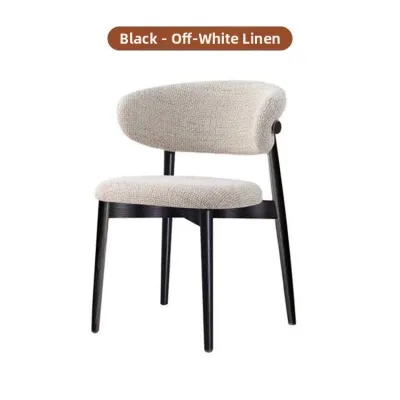
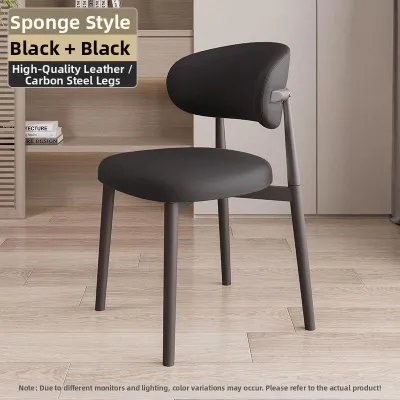
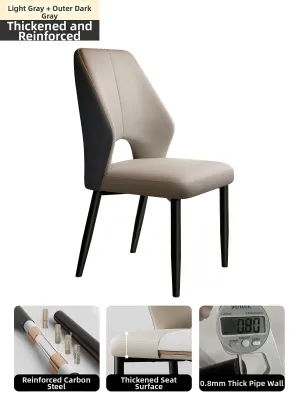
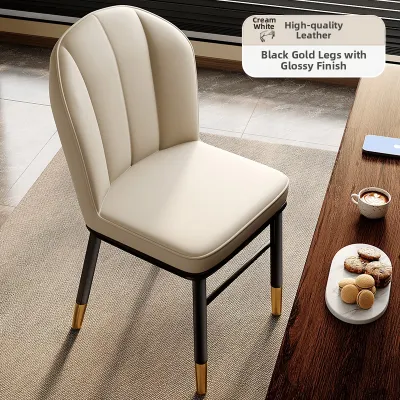
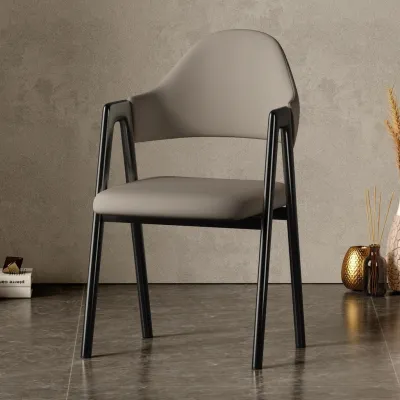
Prices are valid at publication and may change. Please refer to the product page for the latest price.
Next, look at the surrounding room to establish the styling context. Take note of the existing color palette, natural lighting levels, and architectural features like wall paneling or exposed beams. A sunlit dining nook can handle lighter, natural materials, while a darker, formal dining room might benefit from richer tones or reflective metal accents.
Finally, define the primary use case for your dining area. Daily family meals demand highly durable, easy-to-clean materials that can withstand spills and frequent movement. If the space is primarily used for formal entertaining or long dinner parties, prioritize ergonomic support and cushioned upholstery to keep guests comfortable for hours.
Pairing Chairs with Specific Table Materials
Coordinating your chairs with your table material involves a deliberate choice between matching and contrasting. Matching materials creates a unified, formal look, while contrasting materials introduce visual interest and depth. For instance, pairing a smooth, cold surface with a warm, textured chair prevents the dining set from looking sterile or monotonous.

Pay close attention to the chair leg finishes, as they serve as a visual bridge between the floor and the tabletop. You can tie the space together by matching the metal or wood finish of the chair legs to the table base, or even to nearby hardware like light fixtures and cabinet handles.
Solid Wood and Veneer Tables
Solid wood and veneer tables offer natural warmth, but pairing them with more wood requires careful attention to undertones. If you choose wooden chairs, ensure they either match the table exactly or feature a contrasting undertone. Mixing warm-toned woods like teak with cool, grey-toned oaks can create visual discord, so try to keep the grain directions and design eras consistent.
To soften the visual heaviness of a large wooden table, consider chairs with upholstered seats or backs. Fabric elements break up the continuous wood grain and add a layer of comfort. Woven materials like rattan or paper cord also work exceptionally well, offering a lighter texture that complements the organic feel of the wood without competing for dominance.
Glass, Stone, and Metal Tables
Sleek, reflective, or heavy industrial tables require a thoughtful balance of visual weight. A thick marble or granite tabletop needs chairs with substantial profiles or sturdy metal legs to avoid looking top-heavy. Conversely, a delicate glass table pairs beautifully with slim, minimalist chair frames that preserve the open, airy feel of the room.
To offset the coldness of metal, stone, or highly reflective glass surfaces, introduce chairs with textured fabrics or warm wood elements. Bouclé, linen, or leather upholstery can instantly make a modern stone table feel more inviting and tactile.
Always check the bottom of the chair legs before placing them on your flooring. Ensure they are equipped with high-quality glides or felt pads, especially when paired with heavy stone tables or glass bases, to prevent scratching delicate surfaces during daily use.
Aligning Chairs with Your Dining Room Aesthetic
Your dining chairs should act as an extension of your home’s broader interior design theme. For a minimalist aesthetic, look for chairs with clean lines, neutral tones, and hidden hardware. If your home leans mid-century modern, iconic organic shapes, tapered legs, and warm wood veneers will complement the era’s signature look. Industrial spaces benefit from chairs featuring matte black steel frames, distressed leather, or reclaimed wood accents.
If you want to add a curated, designer touch, consider using distinct accent chairs at the heads of the table. Placing two upholstered armchairs at the ends while keeping simpler side chairs along the flanks anchors the room’s color scheme. This intentional asymmetry breaks up the monotony of a standard dining set and makes the space feel custom-designed.
In open-plan layouts, ensure your dining chairs complement adjacent living or kitchen elements. The chairs do not need to match the living room sofa, but they should share a common thread, such as a similar metal finish, wood tone, or color family, to maintain a smooth visual transition between zones.
Essential Sizing and Clearance Checks
Even highly aesthetic chairs will fail if they do not fit the physical space. Begin by measuring your table’s height from the floor to the underside of the tabletop or apron. To ensure comfortable legroom, aim for a seat-to-tabletop clearance of approximately 25 to 30 centimeters. This gap allows diners to sit comfortably without their thighs pressing against the table structure.
Next, verify the overall chair width and armrest height. If you are choosing chairs with armrests, measure from the floor to the top of the arm to ensure they can slide fully under the table apron when not in use. This is particularly crucial in compact apartments where saving floor space is a priority. Additionally, calculate the total width of the chairs to ensure they can all fit between the table legs without bumping into each other.
Finally, map out the surrounding floor space to ensure comfortable movement. Allow at least 90 centimeters of clearance from the edge of the table to the nearest wall or piece of furniture. This space is necessary for guests to pull their chairs out easily and stand up. If the dining area sits along a main traffic path or near a door swing, increase this clearance to 110 centimeters to prevent bottlenecks.
Common Styling Mistakes to Avoid
One of the most common design mistakes is purchasing an overly rigid, identical dining set out of convenience. While matching sets are easy, they often lack personality and can make a home feel like a furniture showroom. Opting for coordinated but non-identical chairs creates a richer, more layered aesthetic.
Another frequent error is a scale mismatch between the table and the chairs. Pairing visually delicate, low-profile chairs with a massive, thick-topped rustic table makes the chairs look dwarfed and uncomfortable. Always match the visual scale of the seating to the physical presence of the table.
Lastly, do not ignore practical maintenance needs in favor of pure aesthetics. Choosing light-colored, highly porous fabrics in a household with young children or pets is a recipe for frustration. Instead, look for performance fabrics, treated leather, or easily wipeable wooden and plastic surfaces that align with your daily lifestyle.
Frequently Asked Questions (FAQ)
Can I mix different chair styles around the same table?
Yes, mixing chair styles is an excellent way to add character to your dining room. To keep the look cohesive rather than chaotic, use a unifying element such as a shared color palette, matching wood finishes, or identical leg styles. A popular approach is to use one style of chair for the sides and a different, more prominent pair of accent chairs for the heads of the table.
Do dining chairs need to match the kitchen cabinets in an open plan?
Dining chairs do not need to match your kitchen cabinets exactly; in fact, an exact match can make an open-plan space feel flat. Instead, aim to complement the kitchen’s design by echoing subtle elements. For example, if your cabinets have matte black handles, choosing dining chairs with black metal legs creates a cohesive visual bridge without looking overly coordinated.

Community discussion
Share your experience or ask a question. Comments are reviewed before publication.