
Matching a wooden dining chair to your home interior theme requires balancing visual style, wood tones, and structural dimensions. The right chair does not just fill a physical gap; it bridges your dining table with the surrounding architectural elements, lighting, and color palette. By focusing on design families, wood species, and practical space constraints, you can select chairs that elevate your dining area while standing up to daily use.
Identify Your Core Interior Theme
Before browsing catalogs or visiting showrooms, analyze the visual and structural characteristics of your dining space. Look closely at the dominant color palette, the lines of your existing furniture, and the textures present in the room. Are your walls painted in cool, muted tones, or do they lean toward warm, earthy neutrals? Are the architectural lines of your home sharp and geometric, or do they feature soft, organic curves?
Categorizing your space into broad design families—such as minimalist, organic, retro, or raw—helps establish a clear baseline. This approach prevents you from getting distracted by fleeting micro-trends that may not align with your home’s long-term aesthetic.
Products mentioned in this guide
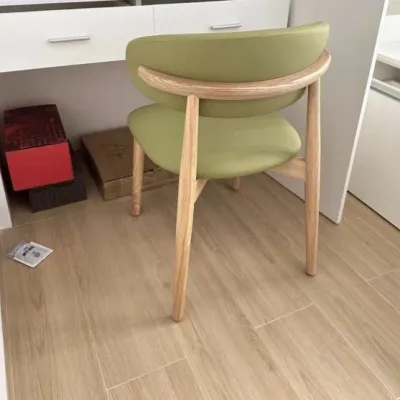
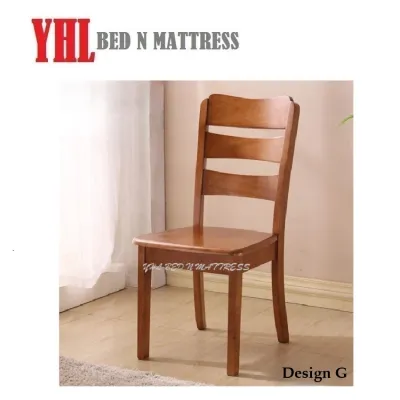
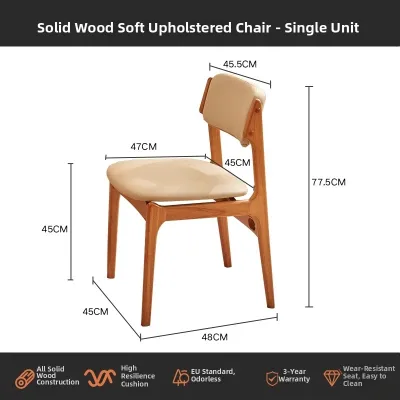
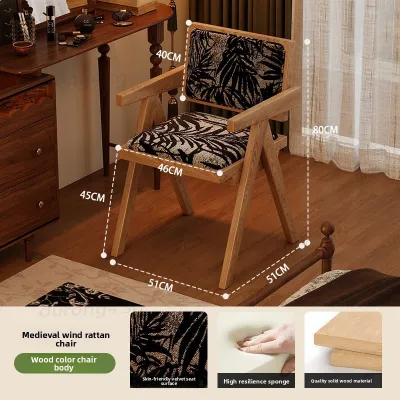
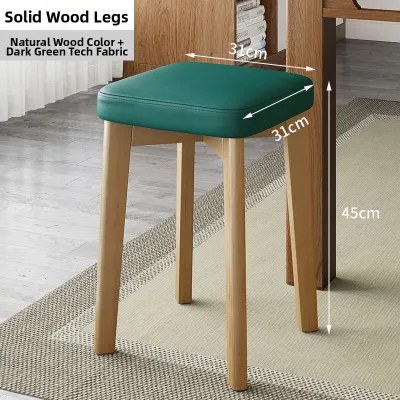
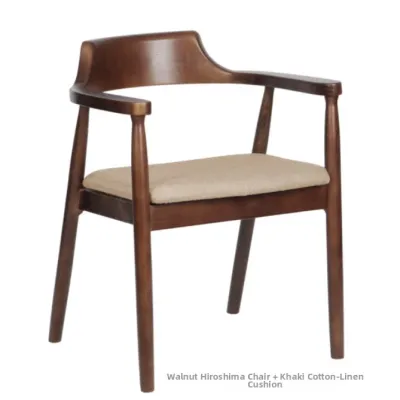
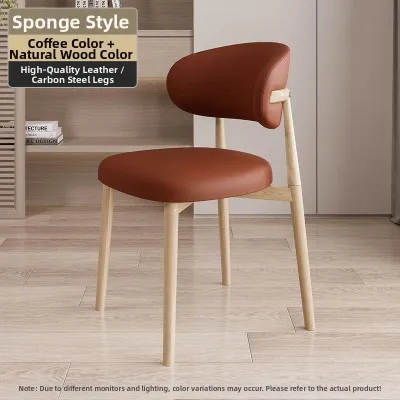
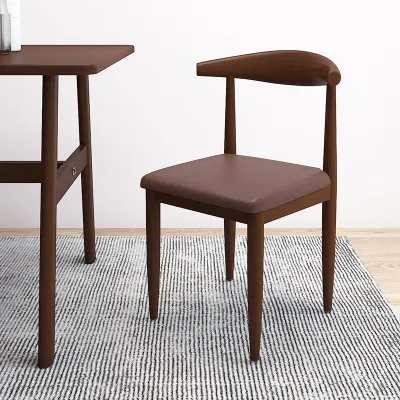
Prices are valid at publication and may change. Please refer to the product page for the latest price.
Next, identify the anchor pieces in your dining room. Your dining table is the most critical anchor, but overhead lighting fixtures, flooring materials, and nearby cabinetry also play major roles. The wooden dining chairs you choose must visually coordinate with these elements. For instance, if your dining table features a heavy, rustic top, pairing it with delicate, ultra-modern chairs might create an unsettling visual disconnect unless a deliberate transitional strategy is applied.
Match Chair Design Features to Your Theme
Translating a broad room theme into specific furniture design cues requires looking at the finer details of a chair’s construction. The silhouette, wood tone, and joinery of a wooden dining chair are the primary elements that define its style and determine how well it integrates into your home.

Japandi and Scandinavian Styles
For homes that embrace Japandi or Scandinavian design, the focus is on creating a light, airy, and uncluttered environment. These themes rely heavily on natural light, clean lines, and organic textures. When selecting a dining chair wooden construction for these spaces, look for light wood tones and smooth, rounded edges that feel soft to the touch.
To ensure the wood matches this aesthetic, check the manufacturer’s product tags for specific species such as oak, ash, or beech. These species naturally offer pale, warm undertones and subtle grain patterns that do not overwhelm the eye.
The silhouette of the chair should maintain a low visual profile. Prioritize low-profile backrests, woven paper cord seats, or simple upholstered pads in neutral fabrics. These features keep the dining area looking spacious and uncluttered, which is particularly beneficial in compact apartment layouts.
Avoid chairs with heavy ornamentation, intricate carvings, or dark, glossy stains. These design elements conflict with the bright, natural atmosphere of Scandinavian and Japandi interiors, making the dining set feel visually heavy and out of place.
Mid-Century Modern and Industrial Styles
If your home leans toward retro, urban, or raw industrial themes, your wooden dining chairs should reflect a bolder, more structured aesthetic. These styles celebrate geometric forms, rich textures, and a mix of natural and man-made materials.
For a Mid-Century Modern look, search for chairs featuring tapered legs, splayed profiles, and geometric backrests. Darker wood finishes, such as walnut or warm teak tones, are hallmark characteristics of this era. Always verify the exact wood type and stain on the manufacturer’s label to ensure it matches your existing furniture.
Industrial themes, on the other hand, thrive on mixed materials. Consider wooden dining chairs that incorporate matte metal accents, steel frames, or leather strap seating. When evaluating these hybrid designs, closely inspect the structural joints where the wood meets the metal or leather to ensure the connections are robust and neatly finished.
Keep in mind that darker woods and metal elements carry more visual weight. To prevent your dining area from feeling overly dark or cramped, balance these heavier chairs with ample surrounding room lighting or lighter wall colors.
Verify Space, Comfort, and Practicality
Selecting the perfect style is only half the battle; the chairs must also fit your physical space and meet your household’s daily functional needs. Before making a purchase, measure the finished dimensions of both the chairs and your dining table.
Start by measuring the vertical clearance between the underside of the dining table apron and the top of the chair seat. This clearance is crucial for comfortable legroom and ensures that chairs with armrests can be slid fully under the table when not in use.
Next, calculate the physical space required behind the chairs. You should allow sufficient pull-out clearance—typically around 60 to 90 centimeters—to let diners sit down and stand up comfortably. Ensure there is still a clear walking aisle behind the pulled-out chairs to prevent scraping against walls, sideboards, or nearby glass doors.
Consider your building’s access constraints as well. If you live in a high-rise apartment, verify that the finished dimensions of fully assembled chairs can easily fit through your doorway and lift access.
Practicality also extends to maintenance and durability. Review the manufacturer’s care labels to identify the wood finish type, such as lacquer, oil, or wax. Lacquered finishes generally offer better resistance to liquid spills, making them suitable for high-frequency dining spaces, whereas oiled or waxed finishes require more frequent reapplication but offer a more natural texture.
Finally, check the manufacturer’s stated weight capacity and stability warnings. This is especially important for chairs with slender, splayed, or tapered legs, where joint stability is critical for long-term safety.
Mix and Match for Transitional Spaces
Open-plan homes and transitional interiors often require a creative approach to furniture selection, as the dining area may need to bridge multiple design styles. If your living room is ultra-modern but your kitchen leans traditional, your dining chairs can serve as the perfect visual mediator.
To achieve a cohesive look in a transitional space, choose neutral wood tones and simple, classic silhouettes. A chair with a clean, unadorned wooden frame can easily bridge contrasting elements, such as a sleek, modern glass table paired with a traditional patterned rug.
If you prefer the eclectic look of mismatched chairs, establish a unifying element to prevent the setup from looking chaotic. You can unify different chair designs by using consistent seat cushions, or by selecting chairs that share a specific design feature, such as identical leg shapes or matching wood stains.
Textile accents are another highly effective tool for transitional spaces. Adding removable seat pads or fabric throws allows you to introduce color, pattern, and texture to your wooden chairs. This approach lets you adapt the dining set to changing seasonal decor or evolving interior themes without permanently altering the core style of the wooden chairs.
Frequently Asked Questions (FAQ)
Can I use outdoor wooden dining chairs indoors?
Before repurposing outdoor wood furniture for indoor use, verify the manufacturer’s intended use and check the product specifications. Outdoor wooden chairs are often treated with chemical preservatives, fungicides, or heavy-duty outdoor finishes designed to withstand weather elements; these treatments can sometimes off-gas or feel overly textured and rough in an indoor environment.
Additionally, inspect the feet of the outdoor chairs. Outdoor furniture rarely comes with indoor-safe glides, so you will need to install appropriate felt or rubber floor protectors to prevent scratching your hardwood, laminate, or tile floors.
Finally, assess whether the physical weight and bulk of the outdoor chairs are practical for daily indoor movement, as outdoor designs are often heavier and more difficult to slide in and out.
How do I maintain the finish on different wood types?
To maintain the appearance and integrity of your wooden dining chairs, always locate the manufacturer’s care tag or instruction manual to identify the exact finish applied to the wood, such as polyurethane, hard wax oil, or lacquer. Different finishes require distinct care routines, and using the wrong cleaning agent can damage the protective layer.
For general maintenance, stick to safe, non-abrasive practices. Dust the chairs regularly with a dry, soft microfiber cloth, and wipe up any liquid spills immediately to prevent water spots. Avoid using harsh chemical sprays, abrasive scouring pads, or excessive amounts of water during cleaning.
If you notice the finish reacting, clouding, or feeling sticky during routine cleaning, stop using the cleaning product immediately and consult the manufacturer or a professional furniture restorer for guidance.

Community discussion
Share your experience or ask a question. Comments are reviewed before publication.