
Finding the perfect wooden dining chairs is an exercise in balancing form, material, and spatial harmony. Rather than viewing a chair as an isolated piece of furniture, successful interior design treats it as an interactive element that bridges the dining table with the surrounding room. The right choice coordinates wood species, grain patterns, silhouettes, and finishes to reinforce your home’s design narrative, while a mismatched set can disrupt the visual flow of an otherwise cohesive space.
Wood is a uniquely tactile material that introduces organic warmth to a dining area. Because it is available in a vast array of species, cuts, and finishes, it can adapt to almost any aesthetic, from the ultra-minimalist to the richly traditional. By understanding how different design movements utilize wood, you can select chairs that not only provide comfortable seating but also elevate the overall design of your home.
Identifying Your Existing Interior Design Theme
Before browsing chair catalogs, you must evaluate the visual baseline of your dining or open-plan living space. In modern homes, the dining area rarely exists in a vacuum; it is often integrated with the living room or kitchen. Begin by observing the dominant lines of your existing furniture and architectural features. If your cabinetry, sofa, and media console feature sharp, straight lines and flat surfaces, your space leans toward modernism or minimalism. Conversely, rounded edges, turned legs, and decorative moldings suggest a more traditional or transitional aesthetic.
Products mentioned in this guide
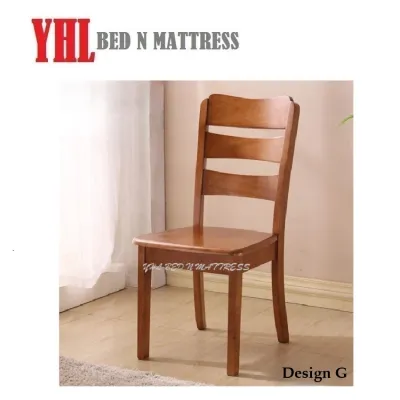
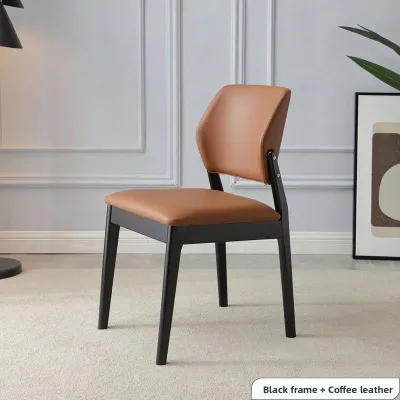
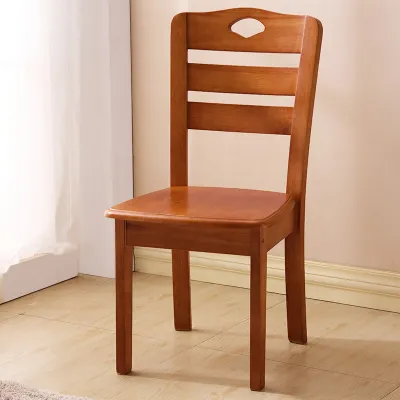
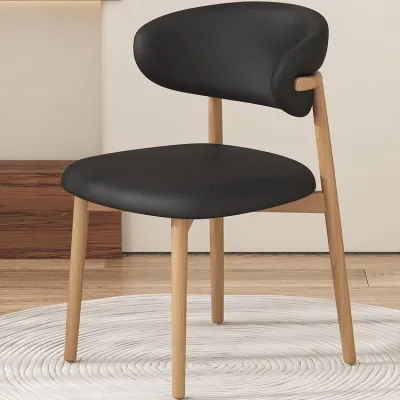
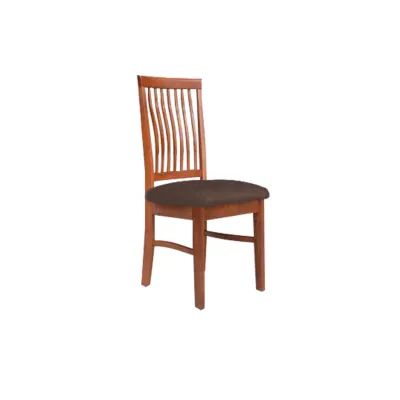
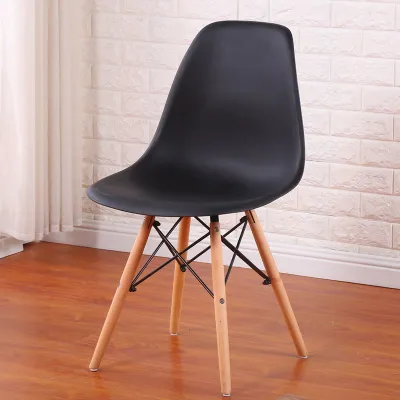
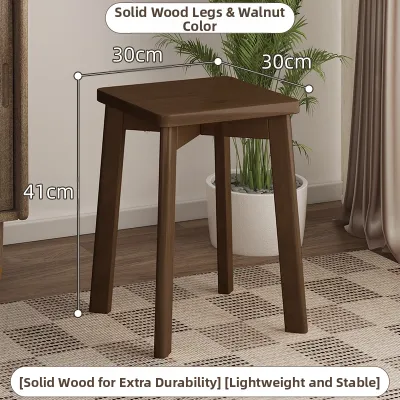
Prices are valid at publication and may change. Please refer to the product page for the latest price.
Next, analyze your home’s color palette and material textures. Take note of the dominant tones in your flooring, walls, and large furniture pieces. Cool gray floors, white walls, and stone countertops pair differently with wood than warm oak flooring, beige walls, and brass accents. It is crucial to distinguish between your primary design theme and minor accent elements. A colorful accent wall or a trendy ceramic vase should not dictate your main furniture purchases; instead, let the permanent fixtures and largest furniture pieces guide your decision.
Finally, evaluate the room’s lighting and spatial proportions. Natural light from large windows or balcony doors can dramatically alter how wood tones appear throughout the day. Bright, direct sunlight highlights the natural grain and can make light woods look airy, while warm indoor LED lighting can intensify the red or yellow undertones of darker woods. Additionally, consider the physical scale of the room. A compact dining nook requires visually light chairs that allow light to pass through, whereas a spacious, dedicated dining room can accommodate heavier, more substantial wooden frames without feeling cramped.
Matching Wooden Dining Chair Styles to Popular Themes
To create a cohesive dining space, you must align the structural and visual traits of your chairs with your chosen interior design direction. Different design movements have historically treated wood in distinct ways, resulting in signature silhouettes, finishes, and joinery techniques. Understanding these defining characteristics allows you to filter out unsuitable options early in your search.

When selecting a style, consider how the wood’s natural characteristics—such as grain prominence, color variation, and surface texture—interact with the surrounding decor. Some styles celebrate the pristine, uniform look of select-grade timber, while others embrace the knots, cracks, and weathered patinas of rustic or reclaimed wood. By matching these material qualities to your interior theme, you ensure that your dining chairs feel like an intentional extension of your home rather than an afterthought.
Scandinavian and Minimalist Interiors
Scandinavian and minimalist designs prioritize simplicity, functionality, and a deep connection to nature. To complement this aesthetic, look for wooden dining chairs crafted from light-toned woods such as ash, beech, or light oak. These species feature subtle, clean grain patterns that do not overwhelm the eye. Finishes should be matte or low-sheen, such as clear water-based polyurethanes or natural oils, which protect the wood while preserving its raw, organic appearance and reflecting natural light.
The silhouette of a minimalist chair should be clean and unadorned, focusing on ergonomic curves rather than decorative embellishments. Look for gently curved backrests that support the body naturally and slim, tapered legs that create a sense of visual lightness. This open leg profile is particularly beneficial in compact apartments, as it maintains an open floor feel and prevents the dining set from looking like a solid, heavy block. Avoid chairs with thick, chunky frames or intricate carvings, as these will clash with the streamlined, airy feel of a minimalist space.
Mid-Century Modern Spaces
Mid-century modern design bridges retro nostalgia with contemporary functionality, celebrating organic shapes and innovative wood-crafting techniques. For this theme, warm and rich wood tones are essential. Look for chairs made from teak, walnut, or medium-toned oak, which provide depth and contrast against neutral walls or bold, retro color accents. The natural warmth of these woods adds an inviting, lived-in feel to the dining area.
Signature structural cues are the hallmark of mid-century modern seating. Seek out chairs featuring iconic tapered legs, organic curves, and molded plywood backrests that conform to the body. Many classic mid-century designs also incorporate mixed materials to add tactile interest. Chairs with woven paper cord, rattan, or subtle leather seat pads are excellent choices, provided these textures align with the other materials in your room. Ensure that any upholstered elements feature clean, geometric profiles that respect the architectural lines of the mid-century aesthetic.
Industrial and Urban Lofts
Industrial design celebrates raw, exposed materials and utilitarian functionality, making it a perfect match for robust wooden seating. To harmonize with concrete floors, exposed brick, and metal fixtures, opt for chairs made from reclaimed, distressed, or dark-stained wood. Visible grain patterns, knots, mineral streaks, and intentional surface imperfections are highly desirable here, as they add character and echo the rugged history of industrial spaces.
Look for designs that combine solid wood seats and backrests with matte black iron or steel frames. Exposed hardware, such as rivets, bolts, and visible joinery, reinforces the utilitarian aesthetic. The contrast between the cold, rigid metal and the warm, textured wood creates a dynamic visual balance. Because industrial spaces often feature high ceilings and heavy architectural elements, your dining chairs should possess a robust visual weight to ground the dining area within the larger room.
Rustic and Farmhouse Dining Areas
Rustic and farmhouse themes focus on comfort, warmth, and a welcoming, family-centric atmosphere. To enhance this cozy environment, select substantial, solid wood chairs with thick profiles and traditional construction. Look for signs of classic craftsmanship, such as visible mortise-and-tenon joinery or sturdy dowel connections, which emphasize durability and a hand-crafted feel.
Classic silhouettes are key to achieving an authentic farmhouse look. Time-tested designs like cross-back, ladder-back, or spindle-back (Windsor) chairs are ideal choices. These styles offer a nostalgic charm that pairs beautifully with large, solid wood dining tables. Finishes can range from warm, honey-toned stains to painted, whitewashed, or heavily distressed surfaces. A slightly weathered finish adds a lived-in character that makes the dining space feel relaxed and unpretentious, encouraging guests to linger long after the meal is over.
Key Dimensions and Practical Checks Before Buying
While aesthetic alignment is essential, a dining chair must also perform flawlessly in daily use. Before making a purchase, you must perform several practical and ergonomic checks to ensure your chosen chairs fit your space and lifestyle. Start by taking precise measurements of your dining table. Measure the distance from the floor to the underside of the table’s apron or tabletop. Standard dining tables are typically 75 cm high, and most dining chair seats rest at around 45 cm high, leaving a comfortable 30 cm gap for legroom. However, if your table features a thick decorative apron or support brackets, you must ensure there is still sufficient clearance for diners to cross their legs comfortably.
Next, measure the width between the table legs to determine how many chairs can fit along each side. Ensure there is at least 10 to 15 cm of space between each chair when they are tucked in, allowing guests to sit and move without feeling crowded. If you are selecting chairs with armrests, verify that the arms can slide completely under the tabletop; otherwise, the chairs will stick out into the room, obstructing walkways and disrupting the flow of your dining area. Additionally, consider delivery and assembly logistics. Check the dimensions of your doorways, corridors, and lift doors to ensure the fully assembled chairs or flat-pack boxes can be easily transported into your home.
Another critical factor is the wood’s surface treatment and maintenance requirements. In high-traffic dining areas prone to spills, check the manufacturer’s labels to ensure the wood has been sealed with a durable, water-resistant topcoat, such as a matte polyurethane or catalyzed lacquer. Avoid chairs finished only with wax or natural oils unless you are prepared to perform regular reapplication and maintenance, as these finishes are highly susceptible to water rings and staining from food spills. Finally, assess the structural stability and floor protection of the chairs. Look for sturdy corner blocks under the seat frame and high-quality joinery. To protect your flooring from scratches and reduce noise when sliding chairs, check the bottom of the legs and apply heavy-duty felt pads for hard floors or smooth glide caps for carpeted areas.
Frequently Asked Questions (FAQ)
Can I mix different wooden chair styles in one dining room?
Yes, mixing different wooden chair styles can create a highly curated, eclectic look, but it requires a deliberate design strategy to avoid looking chaotic. The key to successful mixing is establishing a unifying element across the different chairs. This can be achieved by matching the wood’s undertone—for example, pairing different chair silhouettes that all feature a warm teak or a light ash finish. Alternatively, you can maintain a consistent seat height and visual weight while mixing the shapes of the backrests.
Mixing works exceptionally well in bohemian, transitional, or industrial spaces where a relaxed, collected-over-time vibe is desired. For instance, you might place two substantial upholstered wooden host chairs at the ends of the table and use simpler spindle-back chairs along the sides. However, in highly formal, traditional, or strict minimalist dining rooms, mixing disparate styles can create unintended visual clutter and disrupt the clean, symmetrical lines that define those aesthetics.
How do I maintain wooden dining chairs in Singapore's humid climate?
Singapore’s tropical climate, characterized by high relative humidity and consistent warmth, presents unique challenges for solid wood furniture. Fluctuations in humidity—especially when transitioning between air-conditioned environments and natural ventilation—can cause wood to expand and contract, potentially leading to warping, hairline cracks, or loose joints over time. To protect your investment, always check the manufacturer’s care guidelines for specific humidity tolerances and recommended cleaning products.
To minimize environmental stress, position your wooden dining chairs away from direct sunlight, which can dry out the wood, degrade protective finishes, and cause uneven fading. Maintain consistent indoor ventilation and avoid placing chairs directly in the path of strong air-conditioning drafts. For regular cleaning, use a slightly damp, soft microfiber cloth to wipe away dust and spills immediately, followed by a dry cloth to ensure no moisture lingers on the surface. Avoid harsh chemical cleaners or abrasive polishes that can strip the protective topcoat. If you notice early signs of moisture damage, such as cloudy white spots under the finish, a sticky texture, or structural wobbling, consult a professional furniture restorer to address the issue before permanent damage occurs.

Community discussion
Share your experience or ask a question. Comments are reviewed before publication.