
Choosing the right wooden chair for your dining room is more than just finding a place to sit. The ideal chair bridges the gap between functional seating and visual harmony, anchoring your dining space within your home’s broader design narrative. Because wood is a highly versatile natural material, its appearance changes dramatically based on its grain, finish, color tone, and silhouette. Selecting a style that complements your existing decor ensures that your dining area feels cohesive, intentional, and welcoming.
Identify Your Existing Interior Aesthetic
Before browsing online marketplaces or visiting local showrooms, take a close look at your current dining area to evaluate its dominant design elements. Observe the primary colors on your walls, the texture of your flooring, and the lines of your existing furniture. A room dominated by cool concrete screed or light vinyl flooring presents a very different backdrop than one with warm parquet or polished marble. Note whether your space leans toward a bright, airy atmosphere or a cozy, dimly lit mood.
Architectural features also play a significant role in how furniture is perceived. High ceilings and large windows can handle taller, more dramatic chair backs, while compact dining nooks in modern apartments often benefit from low-profile designs that preserve sightlines. Pay attention to the existing wood tones in your home, such as your dining table, cabinetry, or door frames. You do not need an exact match, but understanding whether your home features warm, cool, or neutral undertones will guide you toward complementary wood selections.
Products mentioned in this guide
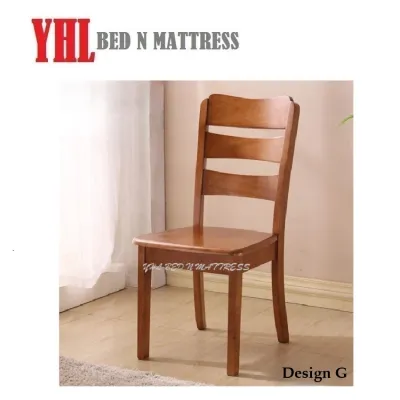
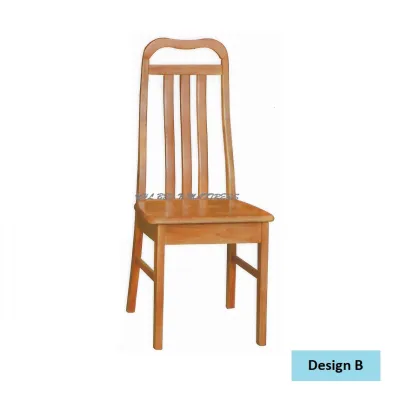

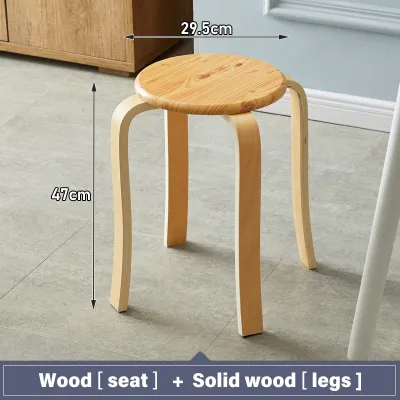
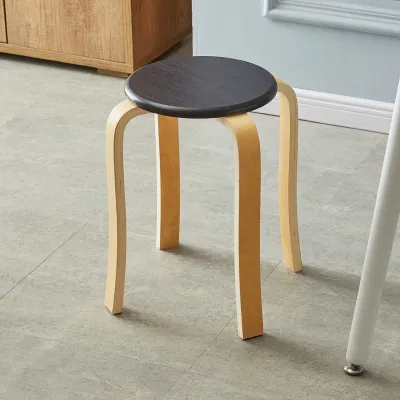
Prices are valid at publication and may change. Please refer to the product page for the latest price.
Popular Wooden Chair Styles and Their Decor Matches
Wooden chairs come in a diverse range of design movements, each carrying distinct visual cues and historical influences. Recognizing these styles allows you to identify the specific design elements—such as leg shapes, backrest patterns, and joinery details—that align with your home’s aesthetic. Focusing on these core design principles makes it easier to filter through options and find a piece that feels right for your space.

Scandinavian and Minimalist Designs
Scandinavian and minimalist wooden chairs are defined by their clean lines, light wood finishes, and functional simplicity. These designs often feature pale timbers like ash, beech, or light oak, which help keep a room feeling bright and spacious. The silhouettes are typically low-profile and organic, prioritizing comfort and ergonomics without unnecessary ornamentation or bulky frames.
This style complements homes that embrace neutral color palettes, soft textiles, and abundant natural light. If your dining room features white, beige, or soft gray walls paired with functional, clutter-free decor, a Scandinavian wooden chair will enhance that serene atmosphere. Look for chairs with gently curved backrests and tapered, slender legs that maintain an open, airy feel around your dining table.
Mid-Century Modern Silhouettes
Mid-century modern wooden chairs are celebrated for their organic curves, sculptural forms, and iconic tapered legs. This style typically utilizes warmer, richer wood tones such as teak, walnut, or medium oak, which bring a sense of retro sophistication to the dining room. The designs often showcase striking geometric angles balanced by smooth, rounded edges that highlight the natural beauty of the wood grain.
These chairs pair exceptionally well with vintage-inspired interiors, bold accent walls, and statement lighting fixtures. If your home features retro decor, brass accents, or rich color schemes like mustard yellow, forest green, or teal, mid-century silhouettes will fit right in. Look for classic design elements like spindle backs, curved plywood seats, or gently angled legs that give the chair a dynamic, forward-moving stance.
Rustic and Farmhouse Aesthetics
Rustic and farmhouse wooden chairs emphasize the raw, unrefined beauty of natural timber. These chairs often feature prominent wood grains, visible knots, and slightly distressed finishes that celebrate the material’s natural imperfections. The proportions are typically chunkier and more substantial, conveying a sense of stability, warmth, and traditional craftsmanship.
This style is highly suited for cozy, traditional, or country-inspired homes that prioritize comfort and a lived-in feel. They coordinate beautifully with warm textiles, earthy color palettes, and heavy, solid wood dining tables. When shopping, look for classic farmhouse features such as ladder-back designs, Windsor-style spindles, or cross-back frames that evoke a sense of rustic charm and timeless durability.
Industrial and Contemporary Blends
Industrial and contemporary wooden chairs often blend natural timber with contrasting materials like matte black steel, iron, or sleek upholstery. This style focuses on clean, sharp angles and raw finishes, highlighting the contrast between the warmth of the wood and the cold, structural nature of metal. The wood elements may feature darker stains or rough-sawn textures to enhance the urban, utilitarian aesthetic.
These chairs are an excellent match for modern lofts, urban apartments, and contemporary spaces characterized by exposed brick, concrete surfaces, and minimalist metal fixtures. If your home decor leans toward a bold, architectural look with high-contrast elements, a mixed-material wooden chair will reinforce that edgy style. Look for designs where a solid wood seat or backrest is supported by a slim, geometric metal frame.
Practical Checks Before You Buy
While finding the right style is essential, practical considerations ensure your new wooden chairs are functional and comfortable for daily use. Begin by measuring your dining table’s height and the clearance between the underside of the table frame and the floor. Standard dining tables usually require chairs with a seat height that allows for comfortable legroom, typically leaving a gap of about 25 to 30 centimeters between the seat and the tabletop. Additionally, measure the width of your table between its legs to ensure your chosen chairs can slide fully underneath when not in use.
For homes in Singapore, delivery logistics require careful planning before finalizing a purchase. Measure your front door frame, hallway turns, and elevator dimensions to confirm that the delivery boxes or fully assembled chairs can easily pass through. If you live in a high-rise apartment, checking these clearances beforehand prevents unexpected delivery challenges on arrival day.
Always review the manufacturer’s product specifications and labels for essential details regarding weight capacity, assembly requirements, and recommended maintenance. Some wooden chairs arrive fully assembled with reinforced joints, while others require home assembly using provided hardware. Checking these specifications helps you prepare the necessary tools and understand the structural limits of your furniture. Additionally, verify if the chairs come with pre-installed floor glides or if you will need to add your own protective pads to safeguard your flooring.
Mixing and Matching Styles
You do not have to buy a matching set of identical chairs to create a beautiful dining space. Mixing and matching different wooden chair styles can add character, depth, and a personalized touch to your dining room. To keep the look cohesive rather than chaotic, establish at least one unifying element across all your chairs. This common thread could be a similar wood tone, a consistent seat height, or a shared design detail like tapered legs.
Another effective strategy is to use contrasting chairs as statement pieces at the head and foot of the table, while keeping the side chairs uniform. For example, you might place two bold, upholstered mid-century chairs at the ends of a rectangular table and line the sides with simpler, minimalist wooden chairs. This arrangement creates a balanced, intentional look that frames the dining area beautifully.
When mixing styles, always consider how the chairs interact with your dining table’s material and finish. If you have a heavy, rustic wooden table, pairing it with ultra-delicate, light-toned minimalist chairs might look unbalanced. Instead, aim for a thoughtful contrast, such as pairing a sleek, contemporary table with chairs that feature warm wood accents to soften the overall look.
Frequently Asked Questions (FAQ)
Can I use outdoor wooden chairs for my indoor dining area?
Before bringing outdoor wooden chairs inside, it is important to check the manufacturer’s specifications regarding indoor use, safety, and warranty terms. Outdoor wooden furniture is often treated with specialized chemical sealants, oils, or weather-resistant finishes designed to withstand moisture and UV exposure. In an enclosed indoor environment, these treatments can sometimes emit distinct odors or feel slightly tacky to the touch. Additionally, outdoor chairs are constructed to allow for wood expansion and drainage, which may not offer the same level of refined comfort or aesthetic detail expected for indoor dining.
How do I protect my floors from wooden chair legs?
To prevent scratches and scuffs on your dining room floors, start by inspecting the bottom of the chair legs for any factory-installed protective glides. Depending on your flooring material—whether it is hardwood, vinyl, laminate, or tile—you can apply aftermarket protective solutions to minimize friction. Self-adhesive felt pads are highly effective for smooth indoor floors, though they require periodic replacement as they wear down or collect dust. For a more permanent solution, consider slip-on silicone leg caps with felt bottoms, or consult the manufacturer’s care guidelines to find the safest protective option for your specific floor type.

Community discussion
Share your experience or ask a question. Comments are reviewed before publication.